










The 2024 edition of the annual Aircraft Interiors Expo (AIX) was held last week from May 28-30 in Hamburg, Germany. Not only is the event a platform for suppliers and airlines to meet, but it is also an opportunity for companies to showcase their cabin interior and inflight entertainment products. Here are some highlights from this year’s event:
A High-Tech Next-Generation Business Class Suite
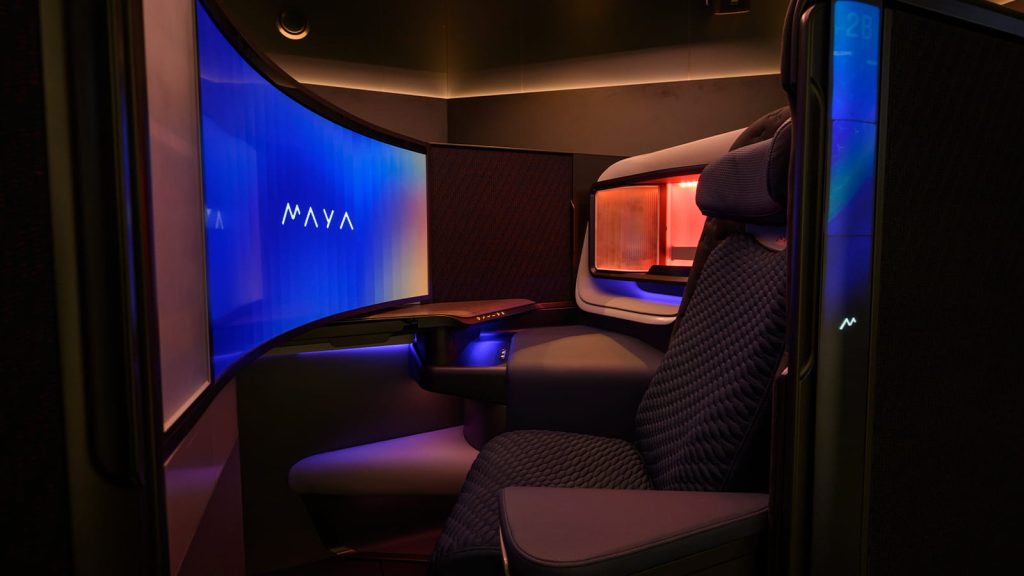
One of the biggest announcements from Hamburg last week was Panasonic Avionics’ and Collins Aerospace’s joint unveiling of MAYA, a next-generation business class concept. MAYA draws from Collins Aerospace’s expertise in design and Panasonic Avionics’ experience in technology to create a futuristic business class suite.
The suite has a seat comfort technology known as ARISE, which automatically optimizes cushion pressure, regulates environmental temperature, and reduces peak vibration disturbances. Meanwhile, the most visually captivating feature of the product is the 45-inch ultra-wide, ultra-high-definition curved screen with a headphone-less audio system. Panasonic noted that the screen is three times larger than typical business class screens and is in the same 21:9 screen format used in cinemas.
An All-Business Turboprop
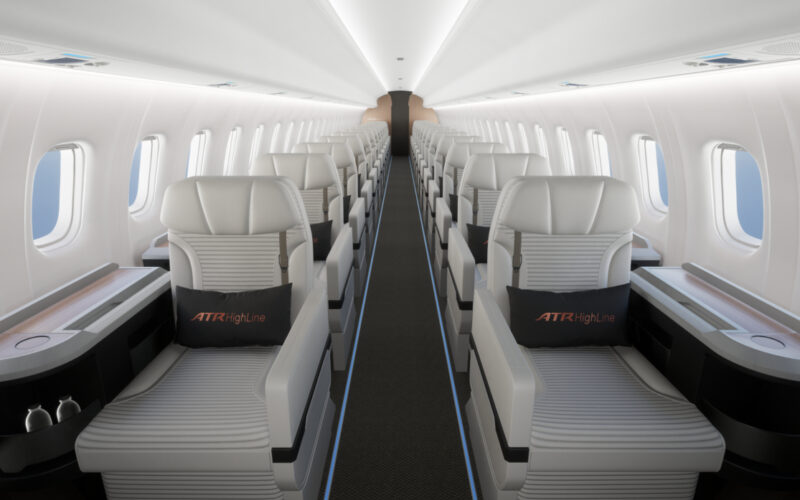
Last year, French–Italian aircraft manufacturer ATR unveiled a collection of cabin configurations for its turboprops known as ATR HighLine. Among these was an all-business class configuration. The company revealed details of the design at AIX last week.
The all-business class interior has a 1-1 configuration with seats that were custom-made for ATR by seating manufacturer Geven. Each seat will have direct window and aisle access and a width of 21.6 inches – a size rarely seen on board turboprop aircraft, which typically feature economy-only seating. Seats will also have a personal side console that serves both as a storage compartment and as a table.
Malaysia-based Berjaya Air will be the launch customer for the product. The airline will operate two ATR 72-600 with the HighLine all-business class configuration from 2025 to serve the group’s luxury hotels and resorts.
The World’s Lightest Aircraft Seat: Expliseat’s TiSeat 2
French seat manufacturer Expliseat produces the world’s lightest lineup of commercial aircraft seats. The current iteration is known as the TiSeat 2 and has different variations for turboprops and larger narrowbody jets.
The company unveiled a third model in Hamburg, known as the TiSeat 2 X. This new product is designed for regional jets and will debut on Embraer 190s operated by Air France subsidiary HOP!. In addition to typical seat features like a tray table and literature pockets, the TiSeat 2 X will also include a personal electronic device holder equipped and USB A and C ports.
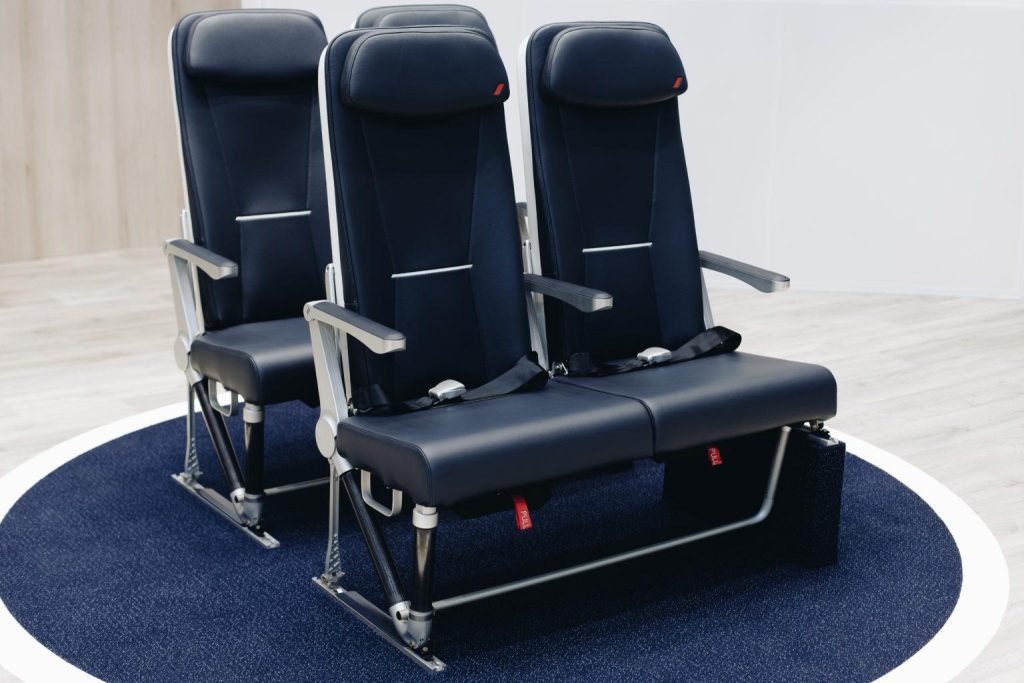
During AIX, Expliseat also signed a purchase agreement with Jazz Aviation to renew the cabins of 25 De Havilland Canada Dash 8-400 with the TiSeat 2 V turboprop product. The Canadian carrier operates regional flights under the Air Canada Express brand.
New Airspace Interior Features for the A330neo
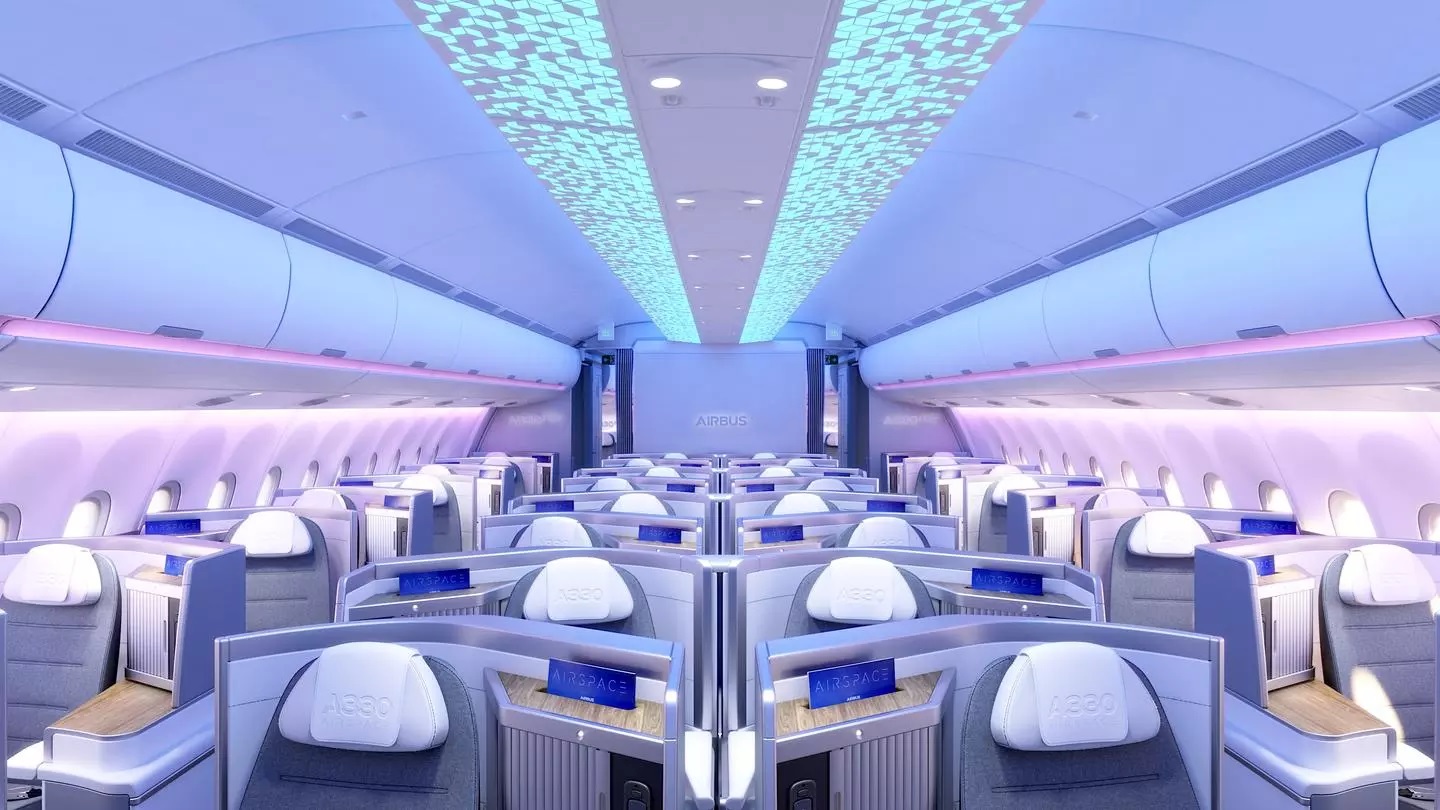
Airbus has announced that it will be introducing enhancements to its A330neo Airspace cabin concept. The changes will bring consistency with the Airspace features seen on the A350 and A320 family.
New ceiling lighting at the second set of doors with the Airspace stencil pattern will become standard on all new A330neos delivered from Q1 of 2026. Starting in 2027, airlines will also have the option of having a new “Airspace Hero Light” in the premium cabin space between the first two sets of doors. The lighting system will be customizable with 16 million colors and a unique pattern.
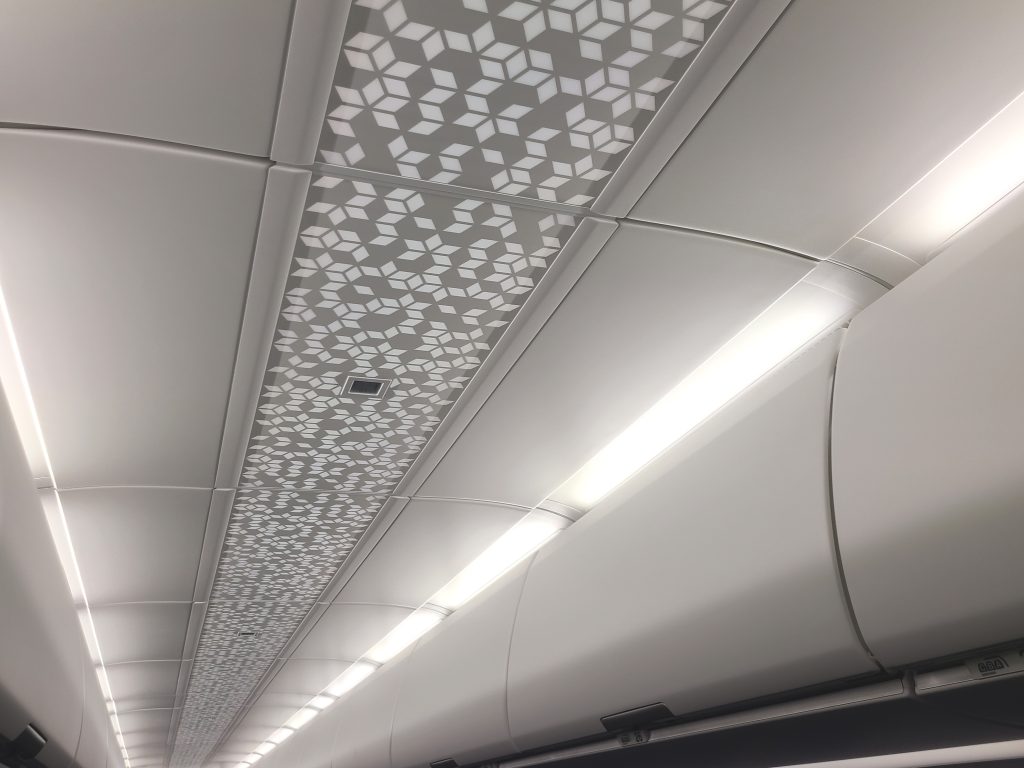
There will also be a new sidewall and matching ceiling panels consistent with A250 and A320 family Airspace cabins. These elements create five millimeters of extra shoulder clearance for each window seat and 50 millimeters more foot space for passengers. The lighter weight of these panels will also provide weight savings throughout the aircraft for airlines.
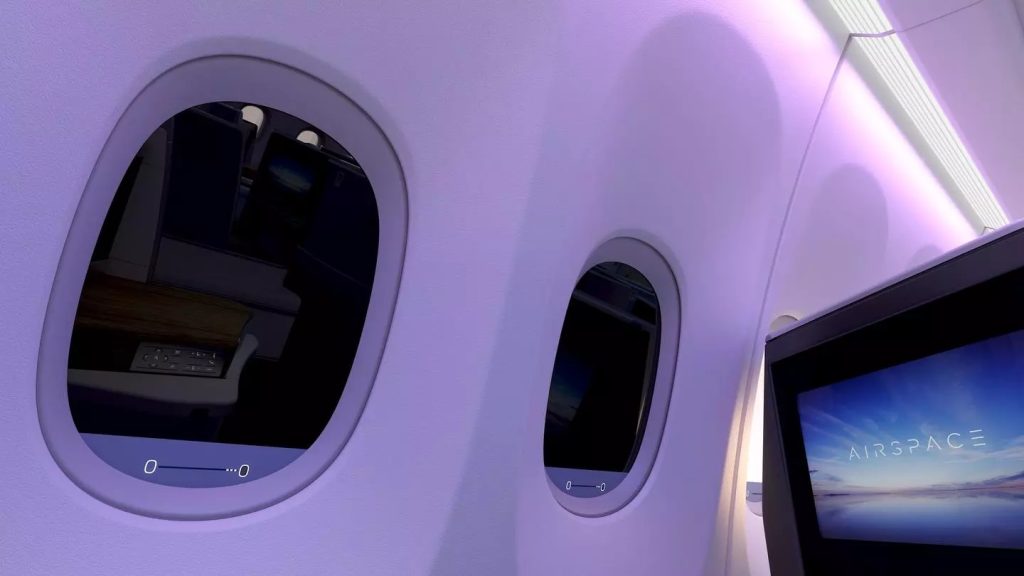
Electro-dimmable windows will also become an option on A330neos in the premium cabin area between the first two sets of doors. These windows replace traditional window shades with technology that allows passengers to adjust the level of dimming, while also having the ability to block 99.999% of visible light and the sun’s infrared energy.