










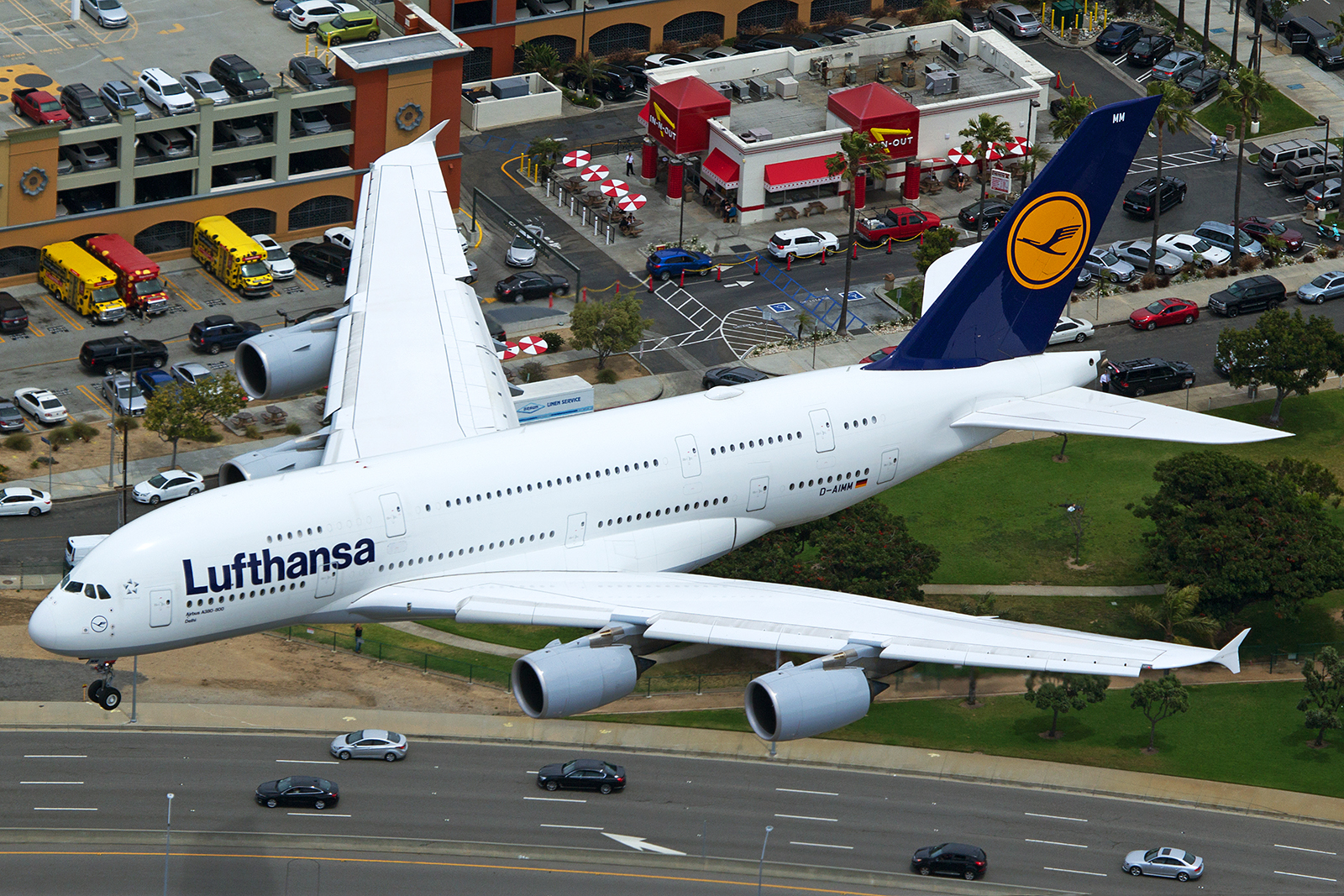

In response to rising operational costs and environmental regulatory requirements, Lufthansa recently announced that it will begin introducing an environmental cost surcharge. Sustainable Aviation Fuels (SAF) and the movement towards exercising net-zero carbon emissions for daily operations by 2050 is a prominent goal of several major airlines around the globe.
The European Union (EU) requires a two percent blend of SAF from 2025 and a 70 percent blend by 2050. For Lufthansa, the surcharge is meant to cover the costs of the mandated requirements of SAF for 27 EU countries, in addition to the U.K., Norway, and Switzerland.
The German flag carrier also faces other regulatory environmental costs from institutions like the EU and the International Civil Aviation Organization (ICAO), including adjustments to the EU’s Emissions Trading System (EUETS) and the Carbon Offsetting and Reduction Scheme for International Aviation (CORSIA).
The Surcharge
The surcharge will be levied this summer for tickets with departures on and after Jan. 1, 2025. According to the airline, this fee, which will range from 1 Euro up to 72 Euros depending on the route and ticket type, will assist in propelling the airline’s efforts to achieve its use of SAF, fleet modernization, and align itself better with mandated EU regulations.
In 2022, Air France-KLM introduced a similar charge to Lufthansa’s, which was a SAF contribution fee.
Now, with the continued increased interest in adopting more sustainable practices, carriers like Lufthansa are faced with the obstacle of rising costs and how to manage environmental regulations. As a result, the decision from the prominent Star Alliance carrier will likely inspire other carriers to follow suit.
