











During the peak months between late March and October of each year, most airlines bolster their capacity to capture peak demand. The off-peak — or shoulder — months often see a dip in capacity as students go back and the colder months begin.
These ebbs and flows in capacity are tied in with the International Air Transport Association’s seasons, split between summer and winter. While also divided between seasons in the Northern and Southern hemispheres, the capacity peaks are generally more pronounced in the North.
The lull in capacity between late October and March allows air carriers to conduct heavy maintenance checks on their fleets, repaint worn liveries, and better utilize aircraft for special events and holiday demand spikes.
Often, the drop in demand can also become a convenient opportunity to retire aging fleet types ahead of the next peak season. There are several examples of this over time, but some notable retirements include United’s Boeing 747 fleet in November 2017 and American’s MD-80s in September 2019.
Of course, aircraft retirements and the peak season’s endpoint aren’t always a perfect correlation, but this month, at least three airlines are retiring some rather rare fleet types.
Bye, Bye, ‘Baby Bus’
Affectionately known as the “Baby Bus,” the Airbus A318 is a rare breed operated by only two airlines. Before the A220’s debut, the A318 was the smallest Airbus aircraft, with space to accommodate up to 110 passengers.
By the end of October, only one scheduled operator will still fly the type: Air France with only six in its fleet.
Romania’s Tarom is slated to retire its only remaining A318 by Saturday, per Aeroroutes. Its final routes include Bucharest to Istanbul and London Heathrow.
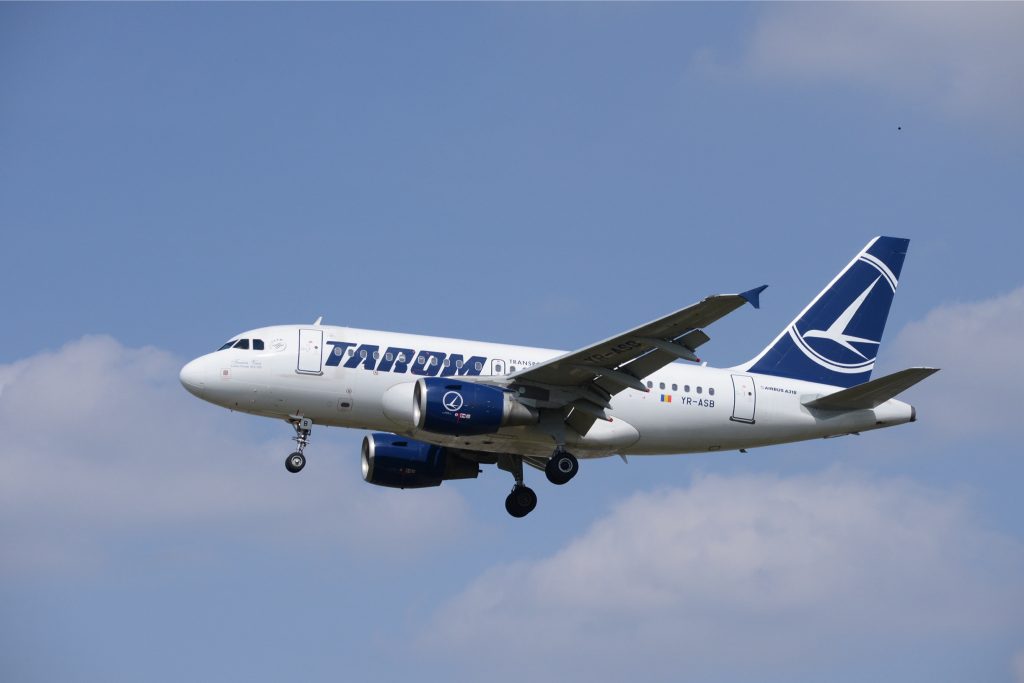
Just weeks ago, the state airline opted to sell its four remaining A318s as part of a restructuring.
‘Flying Pencil’ Farewell
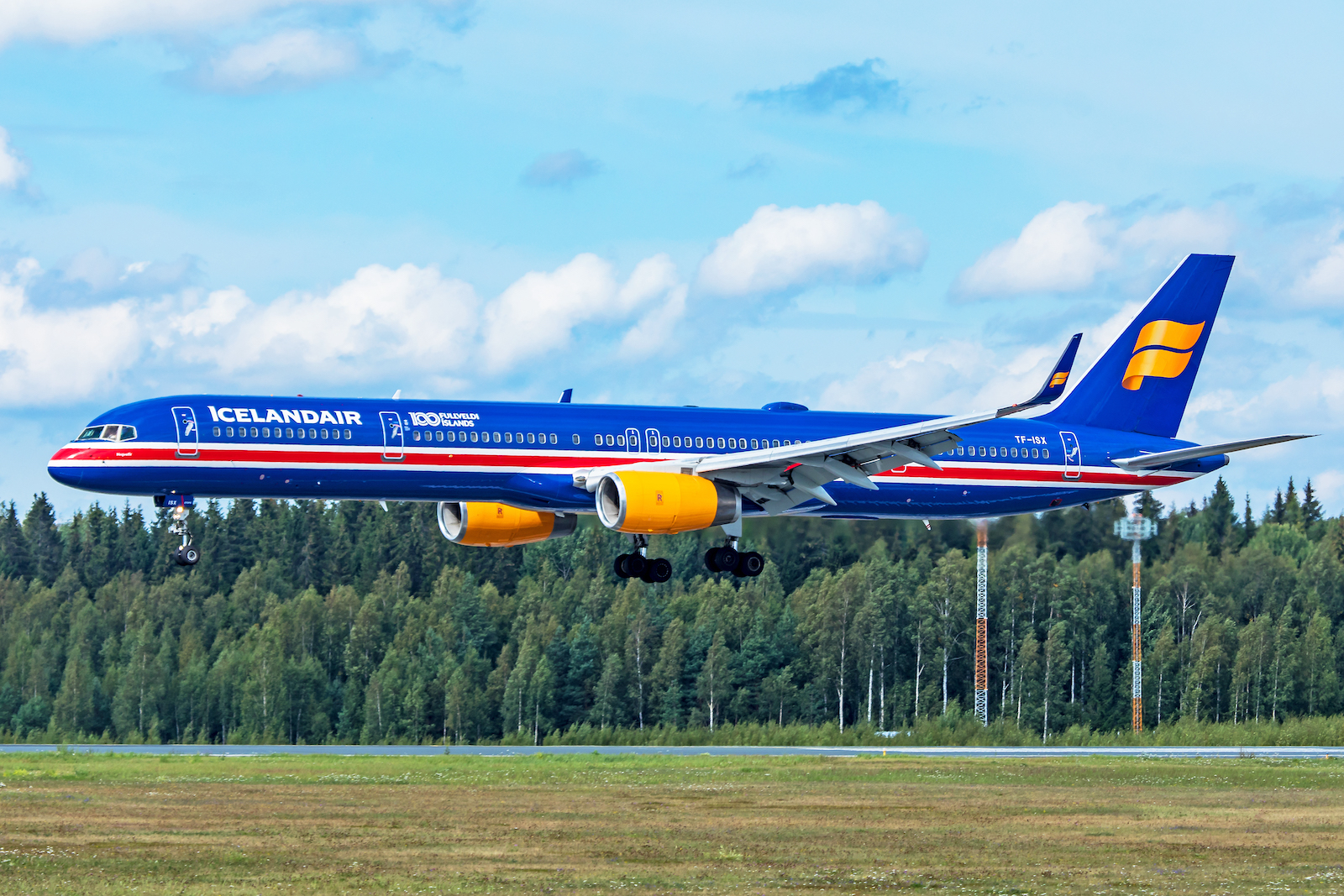
As one of the longest narrowbody jets still flying, the Boeing 757-300 is becoming increasingly rare as airlines opt for newer and more fuel-efficient aircraft. Icelandair is one of a handful of carriers still flying the jet, but that is slated to end in just a few days.
Boeing 757-300, this is your final call. It’s the last scheduled departure from Schiphol for this aircraft ✈️ pic.twitter.com/eJ77SDfLdl
— Schiphol (@Schiphol) October 21, 2024
According to Cirium Fleet Analyzer, the Icelandic carrier only has two 757-300s remaining in its fleet. United is the largest operator of the type with 21, followed by Delta and Germany’s Condor. Fifty Boeing 757-300s remain in service worldwide.
While the airline has yet to officially confirm the aircraft’s retirement, its last scheduled flight is planned for Oct. 28 between Paris Charles de Gaulle and Reykjavík as flight 543.
The 717’s Australian Tenure Ends
Qantas Group regional subsidiary QantasLink is slated to retire its two remaining Boeing 717-200s by the end of October. The jet was a workhorse in Australia’s regional network with the carrier having up to 20 717s in 2023.
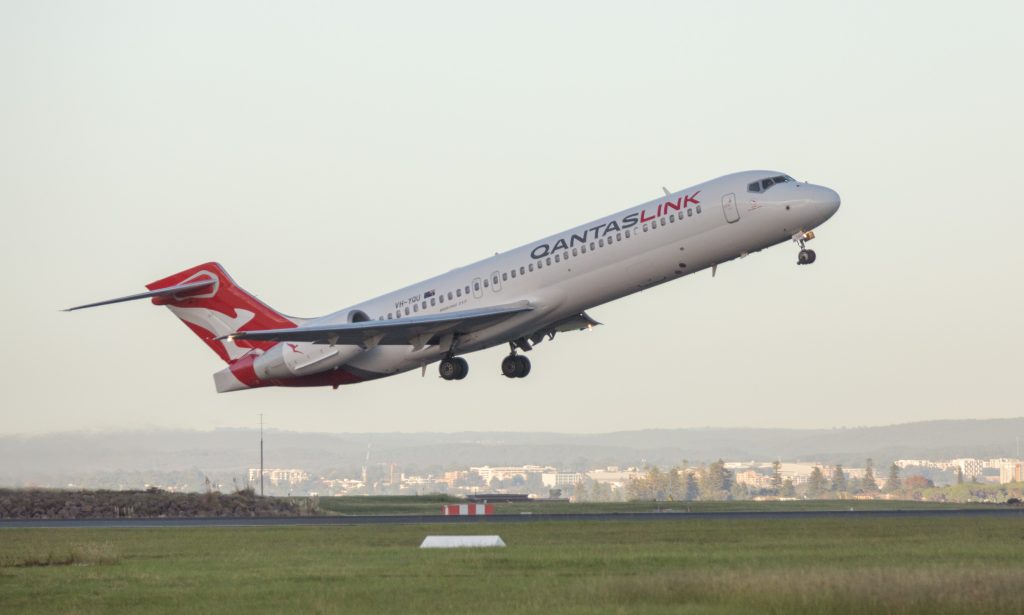
As part of a broader fleet transformation effort, Qantas is replacing the aging jets with brand-new Airbus A220s. In total, the airline has 29 A220s on order.
As first noted by Aeroroutes, the carrier is planning to operate its last 717 flights this Saturday between Sydney and Canberra along with Launceston.
Ninety-nine Boeing 717s are still active across the globe, with Delta and Hawaiian left as the only operators when Qantas retires the jet.