












A headset is one of the most essential pieces of equipment an airline pilot can invest in. Whether you want to improve communication clarity, filter out background noise, protect your hearing, or enhance your comfort level, we have assembled a list of headsets curated explicitly for airline pilots. Let’s explore which one can meet your unique needs.
Please note that each airline may have its own specifications regarding headset standards. Therefore, you should always check with your base administrative office for approval before purchasing equipment required for flight, including a headset.
Quick Look: 6 Best Aviation Headsets for Airline Pilots
- Best overall headset for airline pilots: Bose A30 Aviation Headset
- Best comfortable headset for airline pilots: Bose ProFlight Series 2 Aviation Headset
- Best warranty headset for airline pilots: Lightspeed Delta Zulu Headset
- Best classic headset for airline pilots: David Clark DC ONE-X Headset
- Best affordable headset for airline pilots: Telex Airman ANR 850 Headset
- Best lightweight headset for airline pilots: Clarity Aloft Pro Plus Headset
Top 6 Aviation Headsets for Airline Pilots
Let’s examine the best aviation headsets for airline pilots.
Bose A30 Aviation Headset
Best for: Overall headset for airline pilots
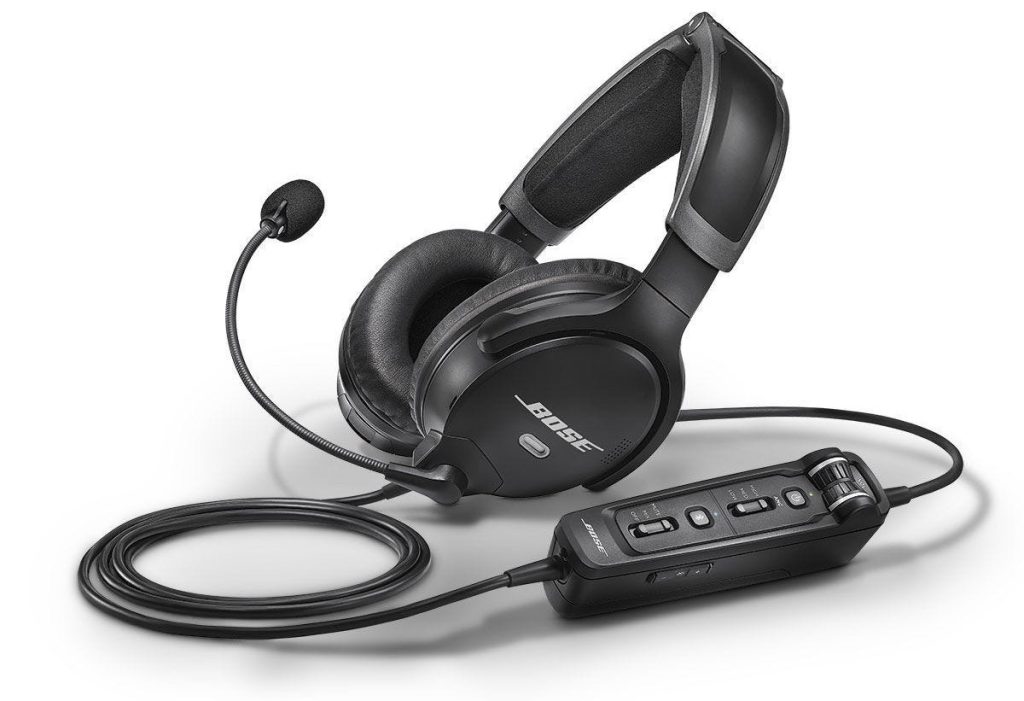
Key Features and Specifications
- Active noise reduction: Yes
- TSO-approved: Yes
- Weight: 15 ounces
- Warranty: 5 years
- Additional features: 20% less clamping force than the A20; contoured fabric headband pad; tap control for talk-through; side-swapping microphone; thinner and lighter cable; dual volume controls; three ANR modes; Bluetooth volume control; prioritization option; 3.5mm auxiliary input for external audio source
Disadvantages
- The Bose A30 Aviation Headset is one of the most expensive headsets on the market.
Price: $1,299
Bose ProFlight Series 2 Aviation Headset
Best for: Comfortable headset for airline pilots
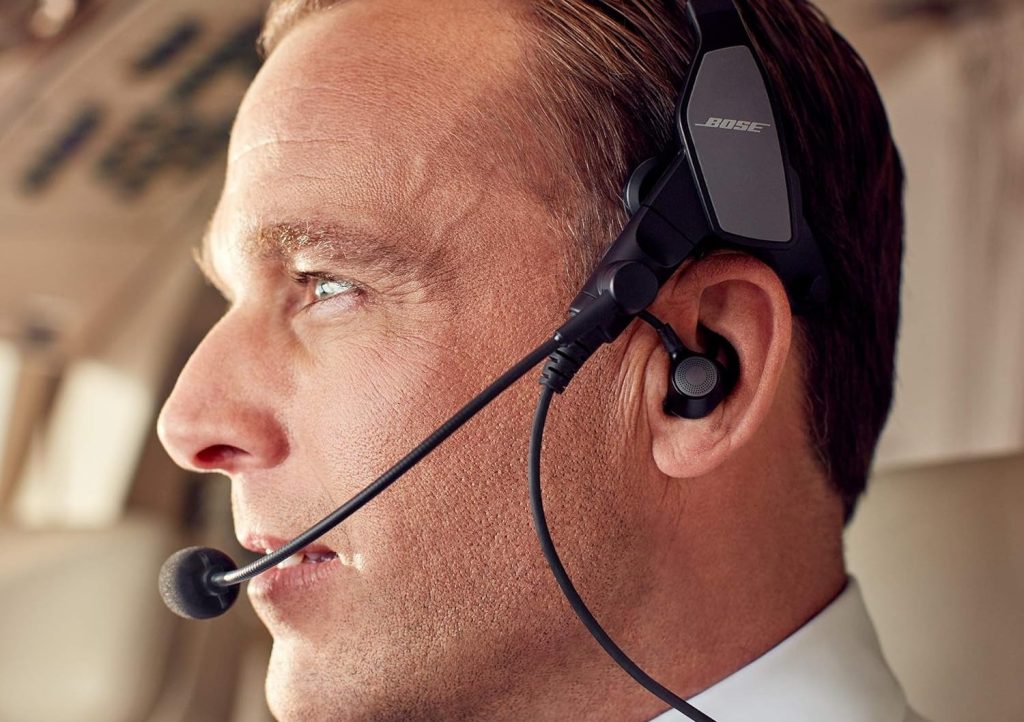
Key Features and Specifications
- Active noise reduction: Yes
- TSO-approved: Yes
- Weight: 5 ounces
- Warranty: 5 years
- Additional features: Smallest, lightest, most comfortable headset from Bose; digital active noise cancellation; active equalization; electret noise-cancelling mic; three user-selectable levels of noise cancellation; Bluetooth phone and audio connection; audio prioritization
Disadvantages
- Users have reported issues with the earbud fit of the Bose ProFlight Series 2 Aviation Headset, resulting in less effective active noise reduction.
Price: $1,099
Lightspeed Delta Zulu Headset
Best for: Warranty headset for airline pilots
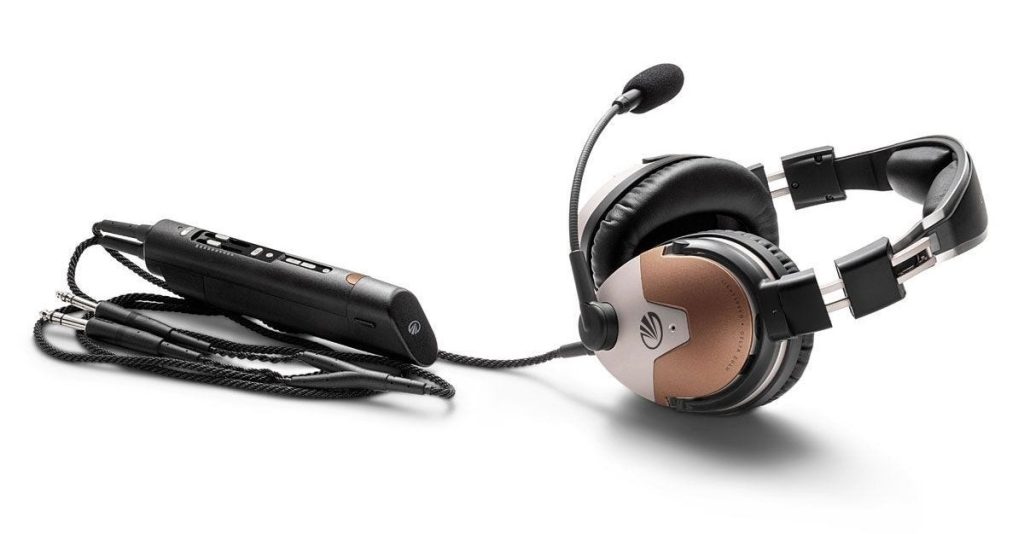
Key Features and Specifications
- Active noise reduction: Yes
- TSO-approved: No
- Weight: 14.9 ounces
- Warranty: 7 years
- Additional features: Carbon monoxide detector; hearing EQity; stainless steel headband and magnesium ear cups; Bluetooth audio and communications interface; durable cables; dual volume controls; COM priority; removable battery pack
Disadvantages
- Users have reported issues with the battery life and charging of the Lightspeed Delta Zulu Headset.
Price: $1,199
David Clark DC ONE-X Headset
Best for: Classic headset for airline pilots
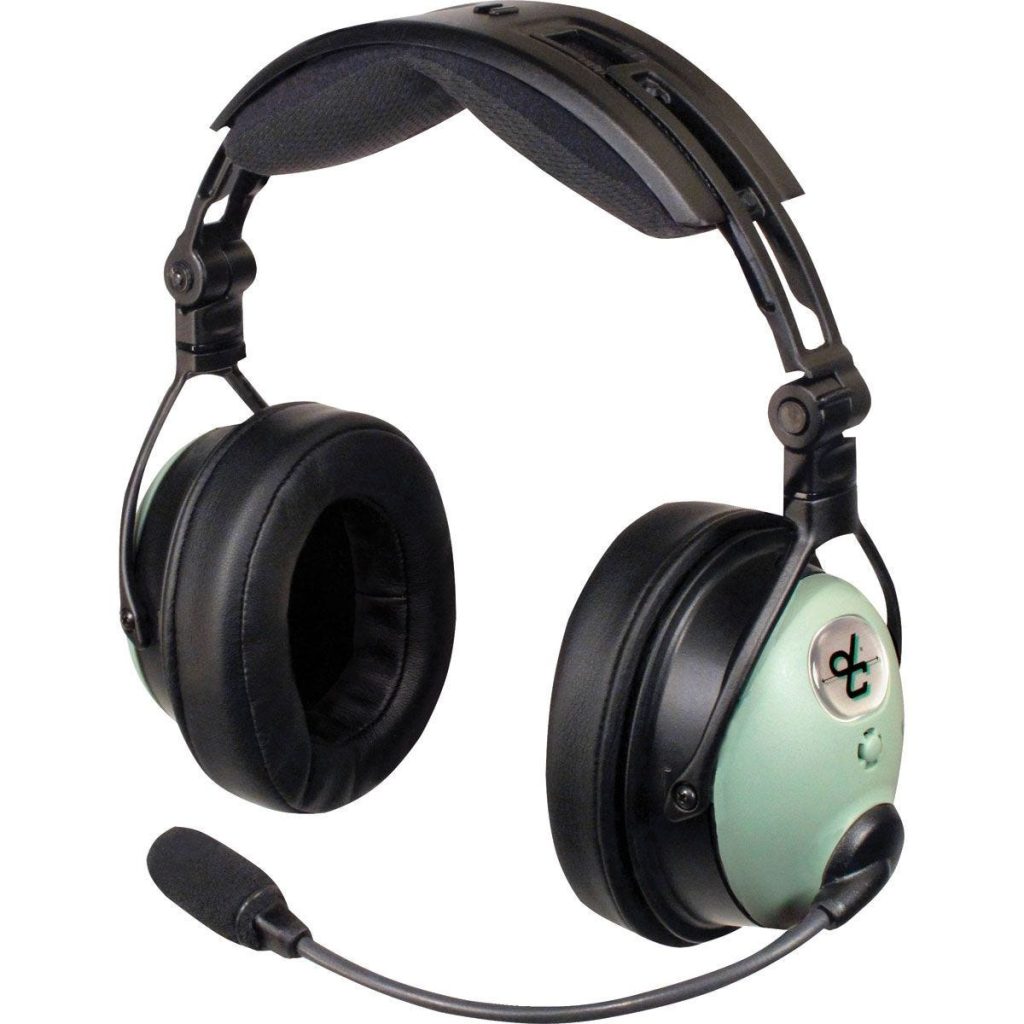
Key Features and Specifications
- Active noise reduction: Yes
- TSO-approved: Yes
- Weight: 12.3 ounces
- Warranty: 5 years
- Additional features: Sleek, low-profile design; Bluetooth technology; full-size leatherette ear seals; over-the-ear design; M-55 electret microphone; lightweight alloy headband; compact storage when collapsed; includes David Clark headset case; uses 2 AA batteries
Disadvantages
- Users have reported issues with cable tangling of the David Clark DC ONE-X Headset.
Price: $995
Telex Airman ANR 850 Headset
Best for: Affordable headset for airline pilots

Key Features and Specifications
- Active noise reduction: Yes
- TSO-approved: Yes
- Weight: 4 ounces
- Warranty: 3 years
- Additional features: Adds up to 12dB of active noise reduction; amplified electret mic with fully flexible boom; larger ear cushions; hassle-free ANR without batteries; set and forget volume control; folding design; uses standard PJ plugs
Disadvantages
- Users have reported the noise cancellation of the Telex Airman ANR 850 Headset is not as effective as other premium aviation headsets.
Price: $499
Clarity Aloft Pro Plus Headset
Best for: Lightweight headset for airline pilots
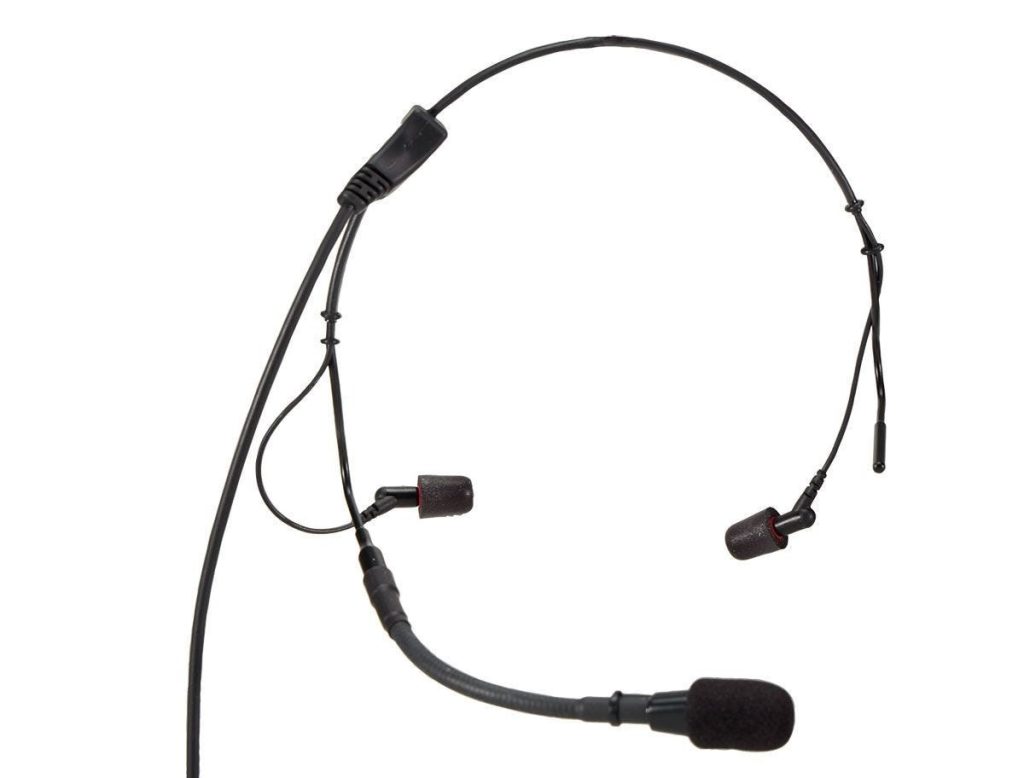
Key Features and Specifications
- Active noise reduction: Yes
- TSO-approved: Yes
- Weight: 1.5 ounces
- Warranty: 3 years
- Additional features: Professional grade and flexible microphone; low profile and flexible stainless steel headband; Comply Canal Tip earplugs; tiny speakers and electret microphone; uses standard PJ plugs
Disadvantages
- Users have reported the in-ear design of the Clarity Aloft Pro Plus Headset as uncomfortable for long flights.
Price: $775
Things to Consider When Shopping for an Aviation Headset
Let’s explore what to consider when shopping for an aviation headset as an airline pilot.
Noise reduction
One key factor when choosing a headset for an airline pilot is its noise-cancelling capabilities. Most headsets feature Active Noise Cancelling (ANC) technology as the standard. ANC is a straightforward technology that uses a microphone to detect ambient noise. The headset analyzes these sound waves and emits opposing waves to prevent incoming sounds from reaching the eardrum. Effective noise reduction is crucial for minimizing fatigue and enhancing overall communication clarity in the flight deck.
Comfort and fit
Another factor to consider when shopping for a headset is the fit and comfort level offered by the device. Lightweight headsets minimize neck strain during long flights, while ergonomic headband designs ensure proper pressure distribution. An adjustable headband provides a secure and comfortable fit for various head sizes. When selecting ear cups, it is crucial to consider material breathability and seal design.
Audio quality and communication
Audio quality and communication are also crucial factors when choosing a headset. Microphone clarity is essential for voice transmissions with ATC and internal crew communications, while speaker quality guarantees clear reception of radio transmissions and intercom.
Durability and reliability
Durability and reliability are additional factors to consider when shopping for a headset. The build quality, materials, and overall construction are crucial for the device’s longevity. The manufacturer’s warranty is also an essential aspect to consider, as it guarantees support from the manufacturer in case of equipment malfunction or failure.
Connectivity and additional features
Connectivity and additional features are also critical when selecting an aviation headset. Bluetooth connectivity is essential for integrating personal devices and electronic flight bags (EFBs). Additionally, some headsets have adjustable noise cancellation levels, while others offer battery-saving features like automatic shut-off.
Insert HTML:
<script async src=’https://app.affiliate.com/snippets/01jt0bndrsxba4xgw58bh9vms6.js’></script>
Upgrade Your Aviation Headset Today
A reliable headset is crucial for maintaining clear and reliable communication in the fast-paced, high-risk aviation environment. Let’s add one of these aviation headsets to your virtual cart today!
FAQ
Why is a good aviation headset essential for airline pilots?
A good aviation headset is essential for airline pilots to improve communication clarity, filter out background noise, protect their hearing, and enhance their comfort level.
What are the key differences between aviation headsets and regular headphones?
The key differences between aviation headsets and regular headsets include:
- Type of noise cancellation, as aviation headsets are designed with active noise cancellation
- Microphone quality and design, as aviation headsets come with boom microphones designed for clear communication
- Durability and build, as aviation headsets are designed to withstand long hours of wear and extreme environments
- Comfort for extended use, as aviation headsets are designed with thicker ear seals, adjustable bands, and lightweight materials
- Price and technology, as aviation headsets are more expensive due to their specialized technology and certification requirements
Do airlines provide headsets, or do pilots typically buy their own?
While airlines typically provide headsets within their aircraft flight decks, many professional pilots invest in their own premium aviation headsets for better quality and comfort.
What is the typical lifespan of an aviation headset for an airline pilot?
A well-maintained, high-quality aviation headset can last well over a decade; however, with frequent technological improvements, pilots often choose to replace their headset every 5 to 10 years.
Are there any specific regulations or certifications (like TSO) that airline pilot headsets must meet?
Specific pilot headset policies vary by airline. Some airlines require a TSO-approved headset to be available in the cockpit; however, pilots may use any personal headsets during operations. Other airlines explicitly mandate the use of TSO-approved headsets for all communications. If you have questions about your airline’s policy, check with your base administrative office for approval before purchasing a headset.
AirlineGeeks may earn revenue from the products available on this page and participate in affiliate programs.
