

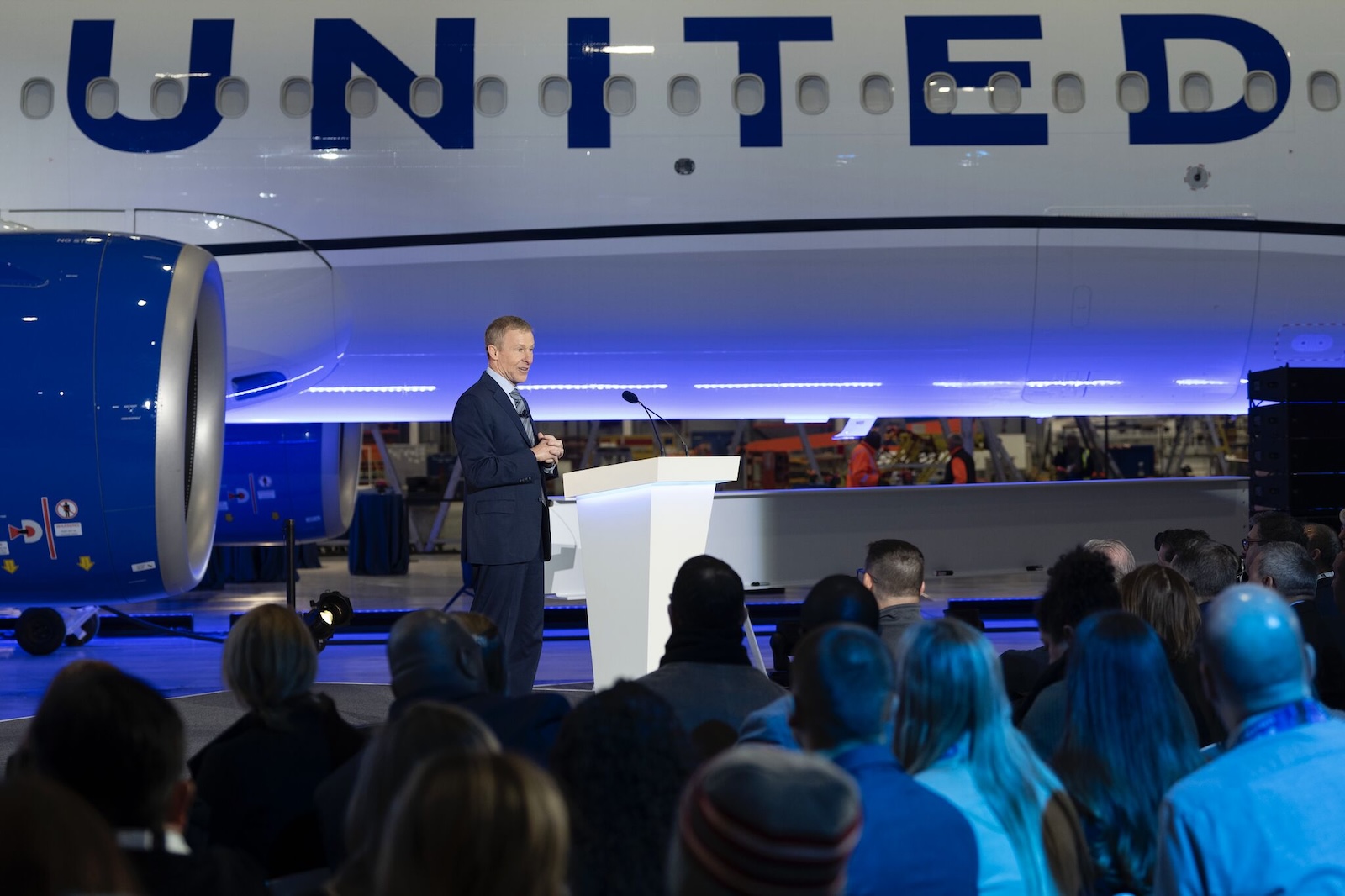

United CEO Scott Kirby is calling for changes at Heathrow Airport as the facility plans to pass on the costs of a new expansion effort to passengers.
Heathrow, one of the busiest airports in the world, is gearing up to build a third runway to relieve air traffic congestion. Estimates of the cost vary wildly, between £14 billion and £63 billion, or from $18 billion to $84 billion.
But no matter what the price tag is, because the airport operates as a regulated monopoly, it can pass on its expenses to airlines and customers, meaning travelers will see a rise in fees attached to their airfares.
Speaking to The Times of London, Kirby said United and other airlines operating at Heathrow should have some input in the way construction costs are passed on.
“Airlines should have a say because we’re the voice of the customer in what happens at all airports, whether it’s Heathrow, whether it’s Newark, whether it’s JFK,” he said. “Across the board, airlines need to have a seat at the table as an advocate for the customer.”
United flies between Heathrow and seven major U.S. cities up to seven times per day. It is the airline’s busiest station outside of North America.
Push For Reform
British Airways and Virgin Atlantic, both of which have their main hubs at Heathrow, as well as hotel company Surinder Arora are pressing the British government to change the way Heathrow is regulated.
Luis Gallego, the CEO of British Airways parent International Airlines Group, and Virgin Atlantic CEO Shai Weiss told The Times earlier this month that they want to see Heathrow opened up to competition by allowing third parties to operate terminal buildings. The practice is common in the U.S. but not in Britain, and Heathrow officials pushed back at the suggestion it would make their operations more efficient.
“No major hub airport has successfully implemented the model being advocated because it is the wrong approach for consumers,” the airport’s management told The Times. “It incentivises siloed, self-interested, and short-term decision-making that costs resilience while adding inefficient duplication and complexity.”
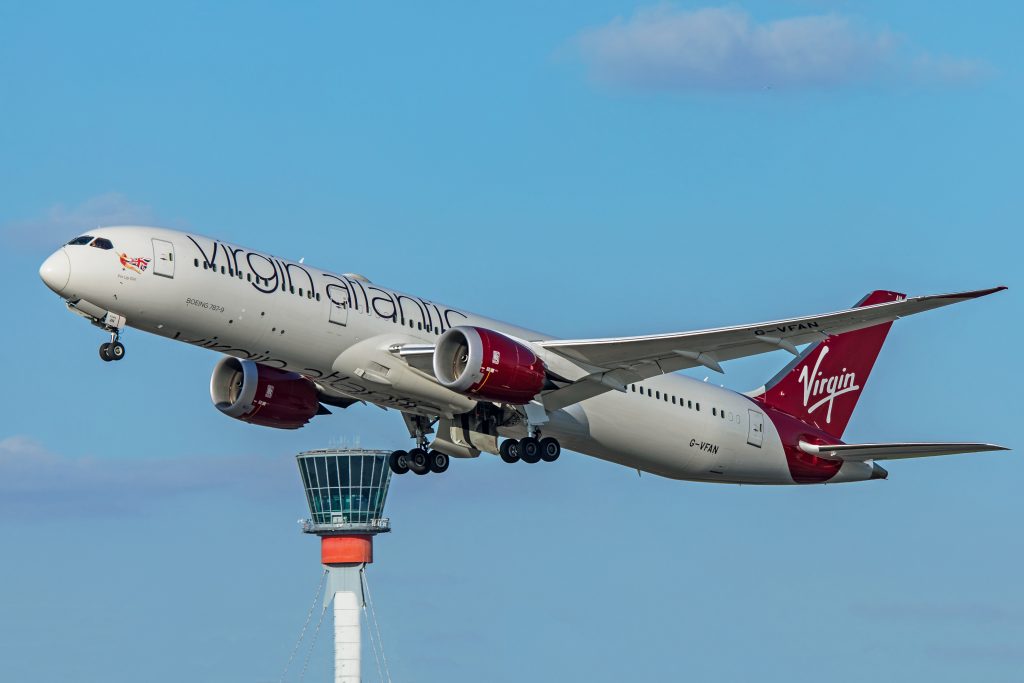
Gallego and Weiss are also advocating for the creation of a capital investment committee to steer decision-making at Heathrow. They said every airline that operates at the airport would have a seat.
“A third runway, if you take the numbers that are quoted by Heathrow, will be anywhere between £20 billion and £64 billion,” Weiss told The Times. “Shareholders pay for it upfront. But then guess who pays for it in the long run? Virgin Atlantic, British Airways, and the other airlines that operate at Heathrow.”
Regulation of Heathrow has faced criticism for some time, even before the proposal of the third runway, which seems likely to go forward under the current Labour Party government. Airlines, travel companies, and retailers told The Times that Heathrow has been on the “decline” for years, with certain terminals becoming increasingly run down and management growing unresponsive to emergencies, including a fire in March that shut down the airport for days.