










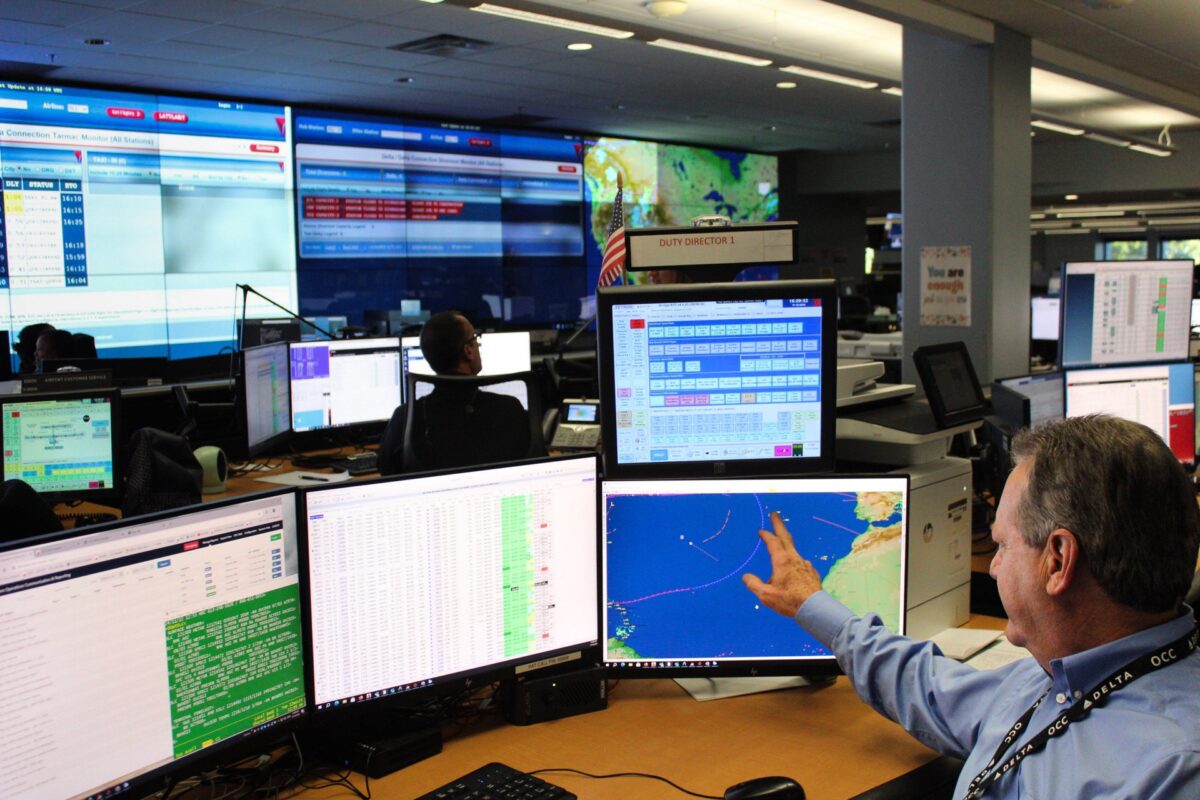


While pilots sit at the controls in the cockpit, another group of professionals works hard behind the scenes to make important decisions about each flight. Flight dispatchers play a critical role in making sure that each flight arrives safely, working to plan, monitor, and support each flight.
Understanding what flight dispatchers do is essential to appreciating how airlines maintain safety, reliability, and regulatory compliance in the complex world of aviation.
Flight Planning and Pre-Flight Coordination
Some of a flight dispatcher’s most important work takes place long before the aircraft leaves the gate. Flight dispatchers are responsible for ensuring that each flight is planned to meet regulatory and operational requirements.
Before flights depart, dispatchers look at the aircraft’s route options, weather conditions, airport facilities, and potential hazards. Many factors can affect how an airline will fly a particular flight, ranging from runway closures to air traffic restrictions to turbulence and severe weather.
Dispatchers also have to consider regulatory and safety requirements. For example, they perform weight and balance calculations based on the amount of fuel, passengers, and cargo, to ensure that the aircraft takes off and lands within its weight limits. These calculations also affect fuel burn and aircraft performance. Using all this information, flight dispatchers prepare detailed flight plans for pilots.
Inflight Monitoring and Communication
Once the flight is underway, a dispatcher’s job is far from over. Flight dispatchers maintain communication with the flight crew, providing updates on weather conditions, airport operations, and other relevant information. They also keep a close eye on the aircraft’s fuel consumption, performance, and estimated arrival time, performing and adjusting calculations as needed.
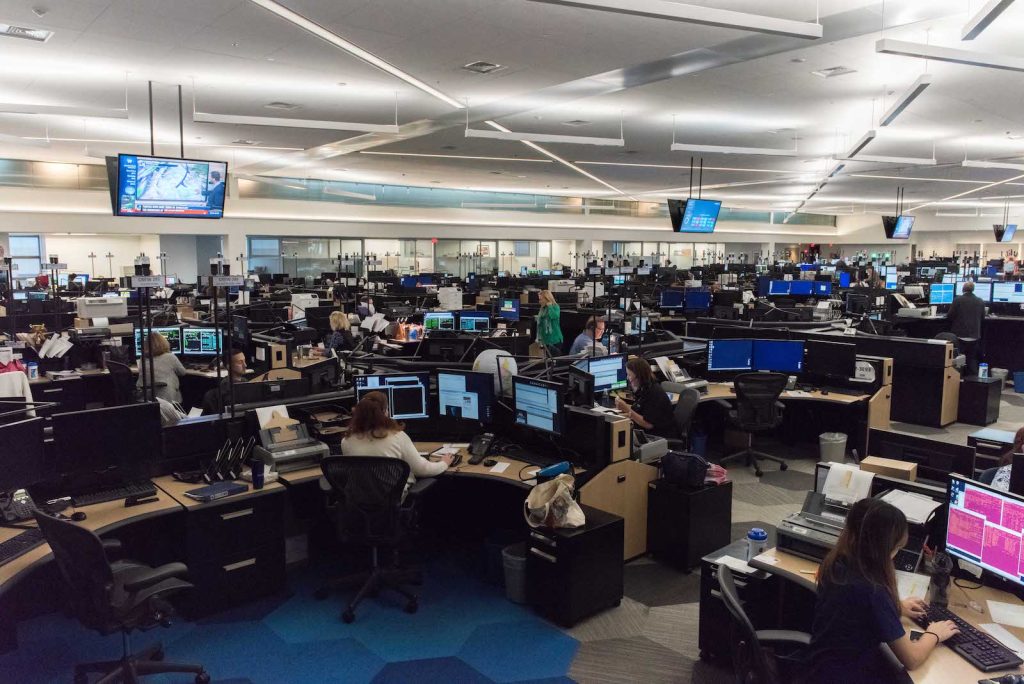
When conditions change throughout the flight, pilots and dispatchers work together to evaluate the situation and make decisions on how to proceed. In the case of an emergency, dispatchers help pilots assess diversion options and contingency plans. They also coordinate with airports and other departments within the airline to facilitate a diversion if needed.
Shared Legal Responsibility with Pilots
Although it is widely understood that pilots have legal responsibility, it is a lesser-known fact that they share this responsibility with flight dispatchers. For airlines in the United States operating under Part 121 of the Federal Aviation Regulations, the pilot in command and the dispatcher of a flight are jointly responsible for the preflight planning, delay, and release of a flight.
Under sections 121.533 and 121.535 of the regulations, dispatchers are also legally responsible for monitoring the progress of each flight, issuing necessary information for the safety of the flight, and cancelling or re-dispatching a flight if they believe that the flight cannot operate or continue to operate safely.
On the other hand, pilots are in command of the aircraft and crew and are responsible for the safety of the airplane. While pilots and dispatchers share operational responsibility for the flight, the pilot has full control and authority over the operation of the aircraft itself.

Working as a Flight Dispatcher
Flight dispatchers typically monitor multiple flights at a time and work at a centralized airline facility. New flight dispatchers typically start their careers at a commuter or regional airline and can apply for a job at a major airline after they gain a few years of experience.
A typical shift for a flight dispatcher consists of taking over the work of another dispatcher, communicating with flight crews, and planning for future flights. The job involves communicating with other departments within the airline as well, such as maintenance and scheduling teams. Depending on what is going on across the airline’s network, the workload can vary from day to day, with each shift offering unique challenges.
Becoming a Flight Dispatcher
In the United States, prospective flight dispatchers must be at least 23 years old and have a high school diploma or a GED. There is also a background check conducted by the Federal Aviation Administration (FAA) and a pre-employment drug test.
Dispatchers must complete at least 200 hours of training before they can be certified. Most candidates do this through an FAA-approved training program at a college or aviation school. To become certified, dispatchers then have to complete a written test and an oral practical exam.
Key Players in Aviation Safety
Flight dispatchers are integral to the safe and efficient operations of an airline. By ensuring that every flight is safe, legally compliant, and properly planned, they work in tandem with pilots in a framework of shared responsibility for each flight.
This partnership in operational control highlights the complexity of aviation, where different teams come together to make a flight happen. The behind-the-scenes work of flight dispatchers makes modern air travel reliable and safe from long before a flight departs until its safe arrival at the gate.
