










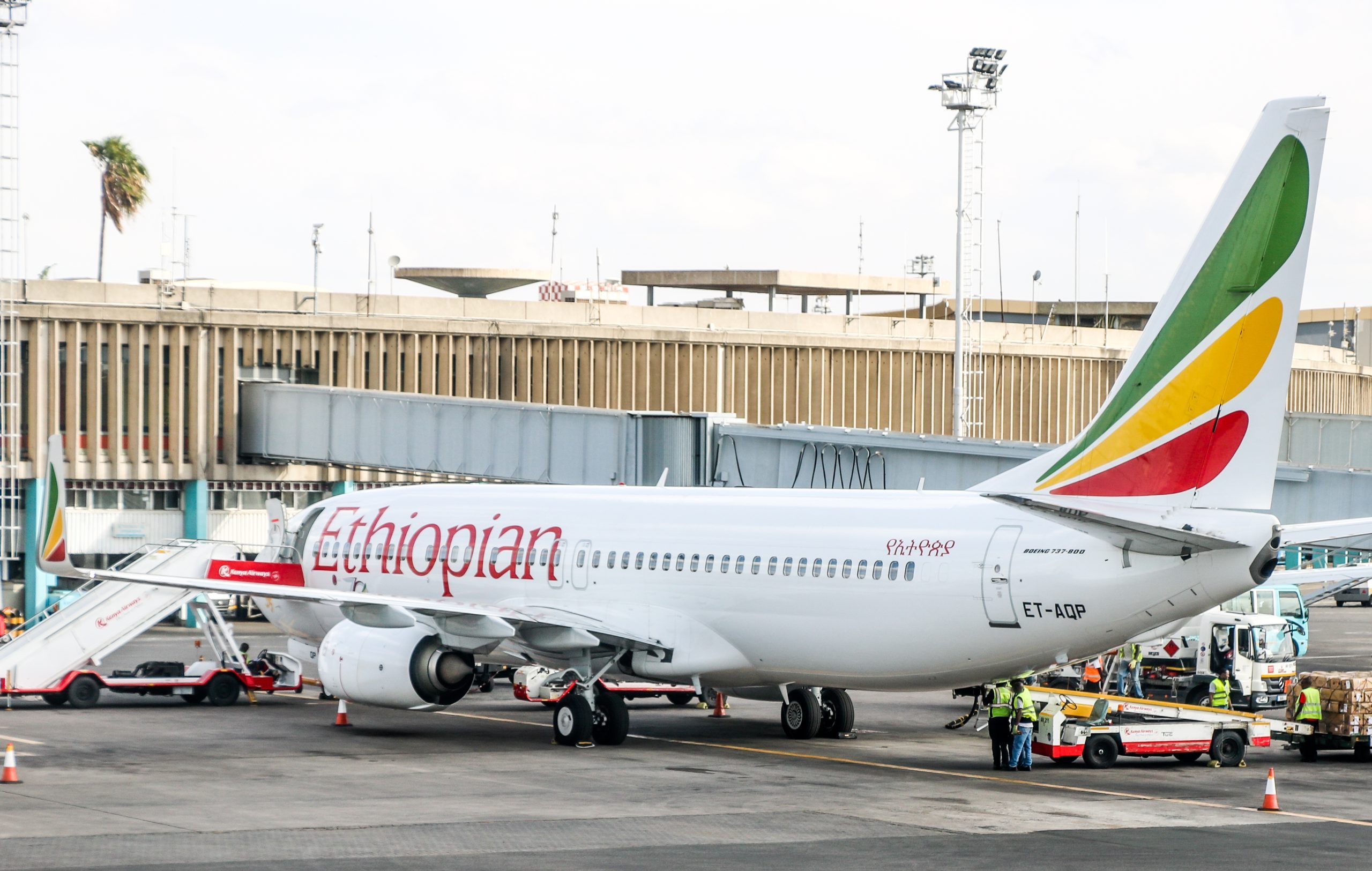

Following years of deliberations, the African aviation landscape witnessed a historic moment in early November as trial flights marked the commencement of Free Routing Airspace (FRA) in the region. This transformative initiative, a product of collaborative efforts among key stakeholders such as CANSO, AFRAA, IATA, ICAO, and Air Navigation Service Providers (ANSPs), promises to reshape the future of air travel across the continent. The implementation of the system is part of wider plans to deliver a more sustainable aviation future.
The inaugural Free Routing Airspace Trial kick-off workshop saw participants strategically coordinate with operational services, securing approvals for two milestone flights — Ethiopian’s ET935 and Kenya Airways’ KQ508. These flights, from Addis Ababa to Abidjan and Nairobi to Accra, respectively, soared outside traditional routes, effectively reducing flight times and opening up new possibilities for airlines operating in Africa.
A Brief Overview of FRA
Free Route Airspace (FRA) is where operators are allowed to fly direct rather than point to point. FRA is a specified airspace within which users may freely plan a route between a defined entry point and a defined exit point. The implementation of Free Routing Airspace aims to enhance efficiency, reduce flight times, and optimize airspace utilization by providing more flexibility for flight planning and routing. This concept enables airlines to choose the most direct and fuel-efficient routes, contributing to cost savings and environmental benefits.
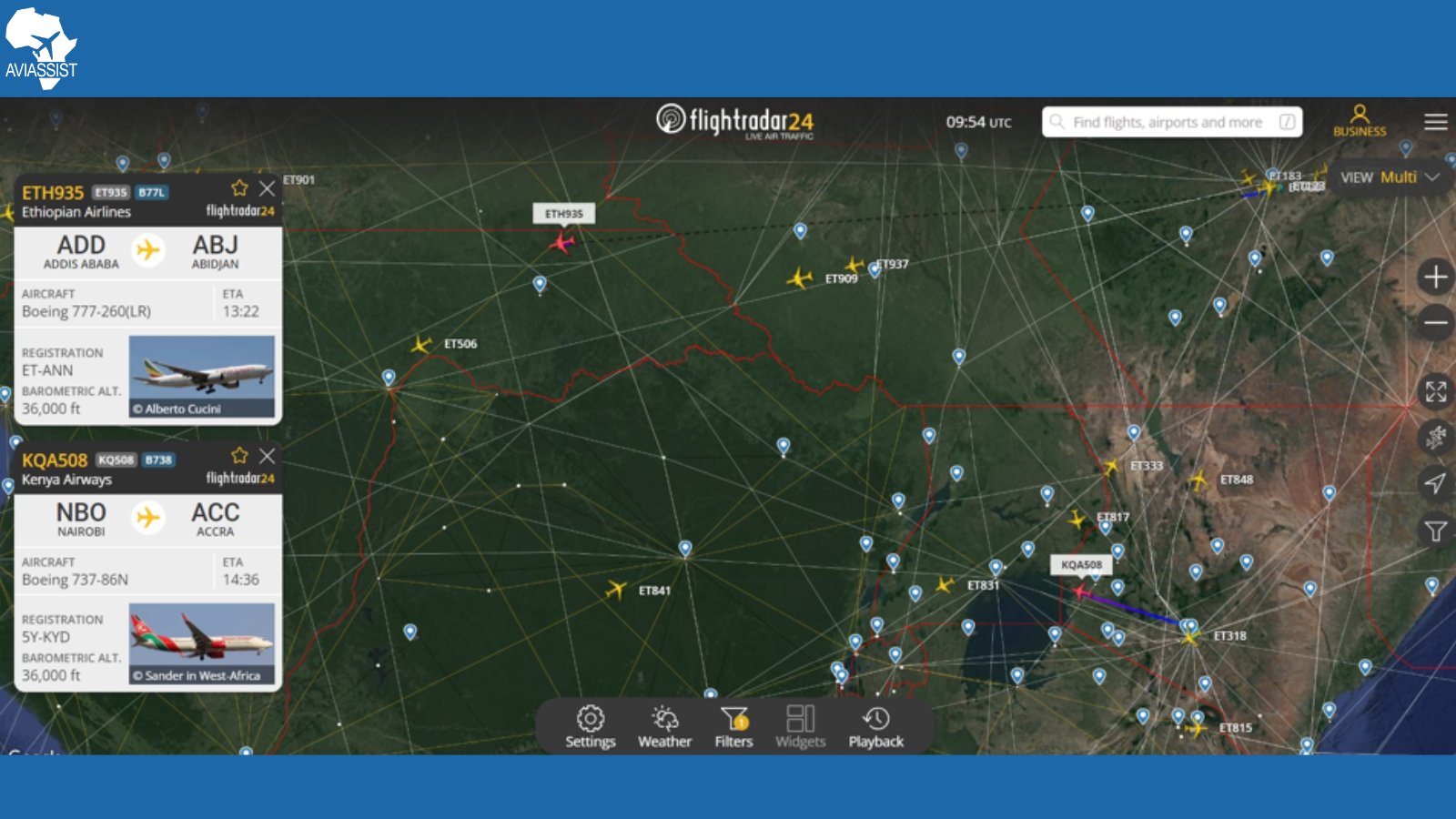
Beyond the immediate gains in efficiency, the implementation of Free Routing Airspace is poised to deliver substantial cost savings and foster sustainability within the African aviation industry. Over the course of a year, the streamlined flight paths of these two trial flights alone will spare the atmosphere from 340 metric tonnes of CO2 emissions and prevent the burning of 292 metric tonnes of fuel. This translates into an estimated $310,000 in fuel cost savings for each operator.
As the project gains momentum, with AFREXIMBANK generously sponsoring the kick-off workshop, a consortium of ANSPs played a pivotal role in providing navigation services for these historic flights. Among them were Ethiopia CAA, Kenya CAA, CAA Uganda, RVA (DRC), ASECNA, NAMA (Nigeria), and Ghana CAA. The Free Routing Airspace project is part of the broader initiatives undertaken by the African Aviation Industry Group through the African Aviation Sustainability Laboratory. This ambitious undertaking aims to revamp air transport in Africa, laying the foundation for a more dynamic and environmentally conscious aviation sector.
Looking ahead, the success of these trial flights sets the stage for the next round of trials in the first quarter, propelling the vision of Free Routing Airspace closer to becoming a full-fledged reality by 2024.
