









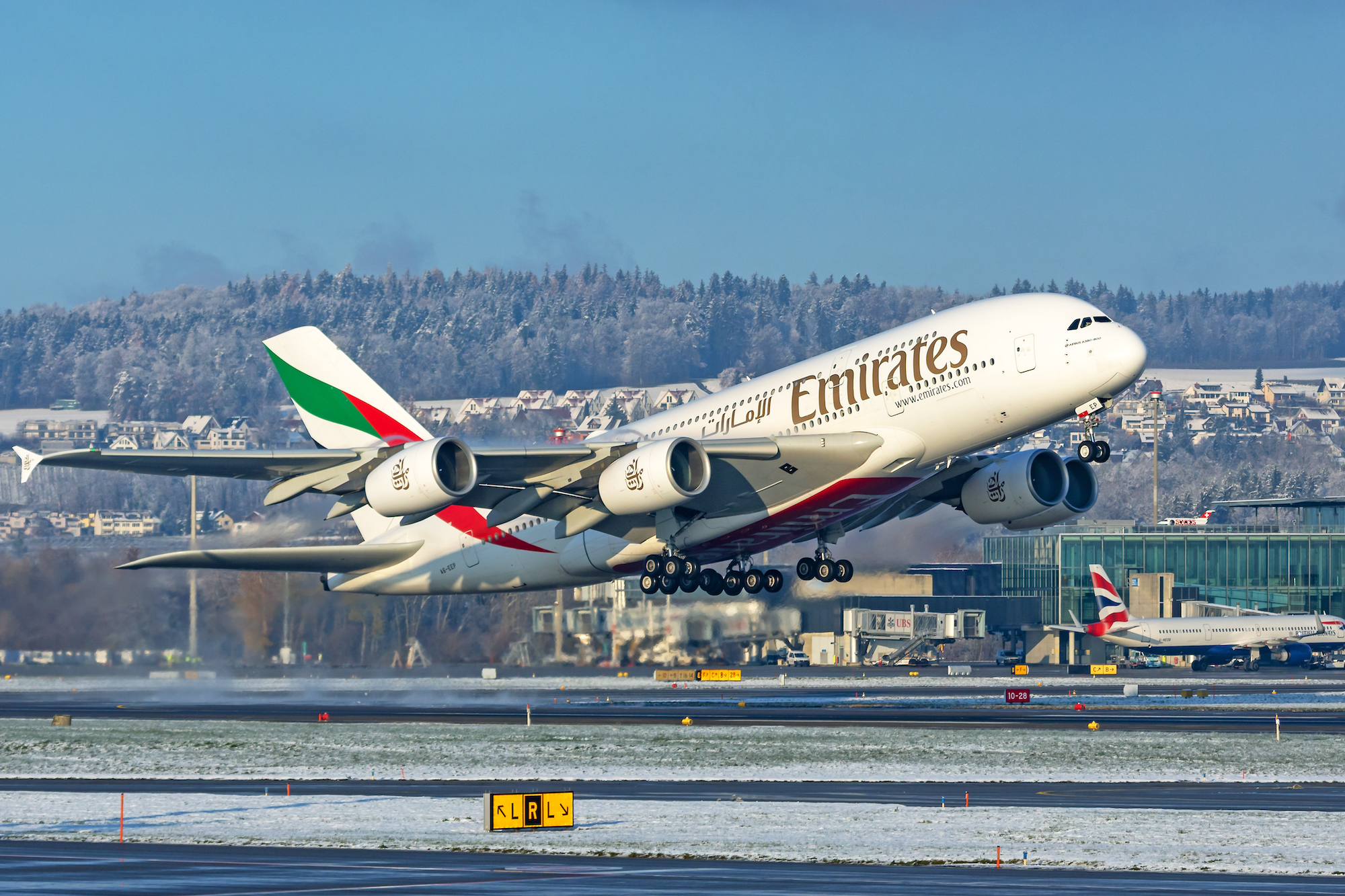

Dubai-based Emirates has been fined $1.8 million by the US Department of Transportation (DOT) for violating its airspace rules. The airline had violated the airspace restriction over Iraq by flying under FL320 (or 32,000 feet). The FAA has previously issued a NOTAM banning flying under this altitude in the Baghdad Information Region.
You might be wondering why Emirates, a UAE-based carrier, is being fined by the U.S. DOT. The answer lies within code-sharing. These Emirates flights also carried the JetBlue code, B6, and were marketed by the U.S. carrier, which subjected the flights to U.S. regulations.

The DOT stated in its order that “the Department prohibits foreign air carriers from carrying the code of a U.S. air carrier in airspace in which the FAA prohibits U.S. operators and airmen from flying.”
Between 2021 and 2022, 122 Emirates flights carrying the JetBlue code between Dubai and the United States were operating under FL320 at some points over Iraqi airspace. “By operating these flights in this manner, Emirates violated the conditions of its authority to operate,” the agency said.
In defense of its actions, Emirates stated that the flights were following the directions of ATC (Air Traffic Control), and non-compliance with the controllers to stay above FL 320 would have serious implications on the safety of its operations.
Not the First Time
This is not the first time Emirates has been fined for such offenses. In 2020, Emirates was fined $400,000 by the DOT for another violation. In 2019, the FAA issued a NOTAM banning overflying the Tehran Information Region. However, Emirates operated flights that carried the JetBlue code after the issuance of the ban, which resulted in a violation.
Emirates was warned against future violations in 2020 when the consent order was issued, and the DOT stated that applicable carriers are expected to “adhere to all FAA flight prohibitions while carrying a U.S. air carrier’s code, including while conducting foreign air transportation abroad.”
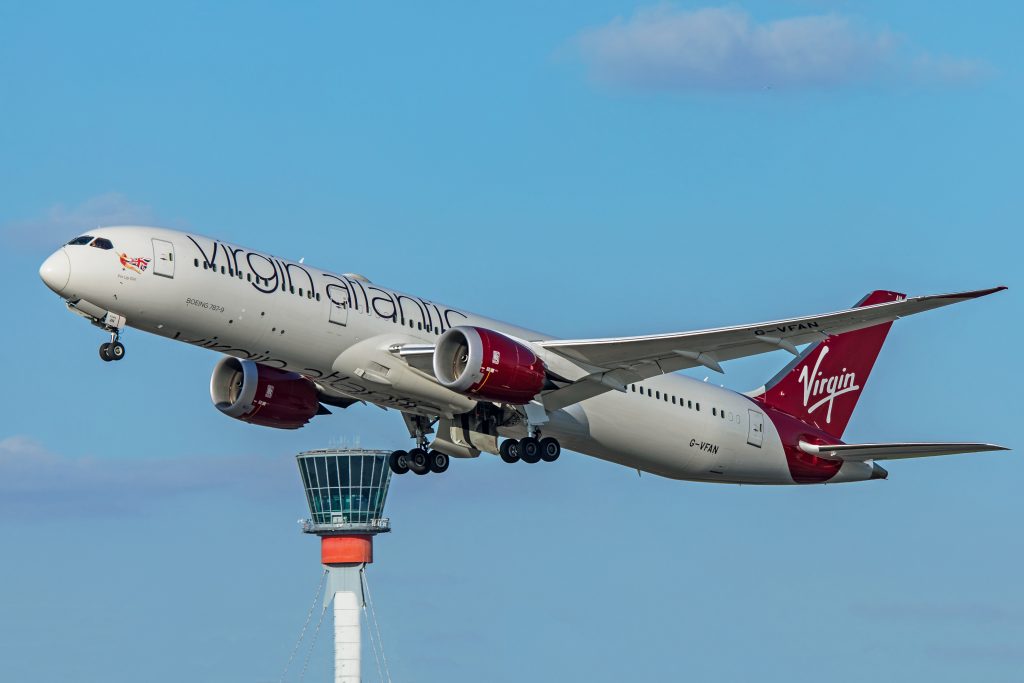
Other airlines have also suffered similar fates. Virgin Atlantic was fined for violating the NOTAM ban on the Baghdad Information Region governing Iraq in 2023. The flights carried the Delta code, therefore were bound by the rules.
Other International Security NOTAMs
There are often differing standards and requirements set out by national aviation authorities on overflying certain airspaces, and airlines typically follow the rules of their respective countries. However, things change when the code of another carrier is placed on the flights, especially if the codesharing airline comes from a country with different airspace bans.
An example of differing standards is the use of Russian airspace; the FAA issued a NOTAM prohibiting U.S. carriers from using the entire airspace since the outbreak of the Ukraine conflict, while airlines from China, India, UAE, Qatar, and several other countries are still allowed to fly over Russia. As a result, American Airlines and Alaska had to remove their codes from several flights operated by Qatar Airways and Cathay Pacific.
