










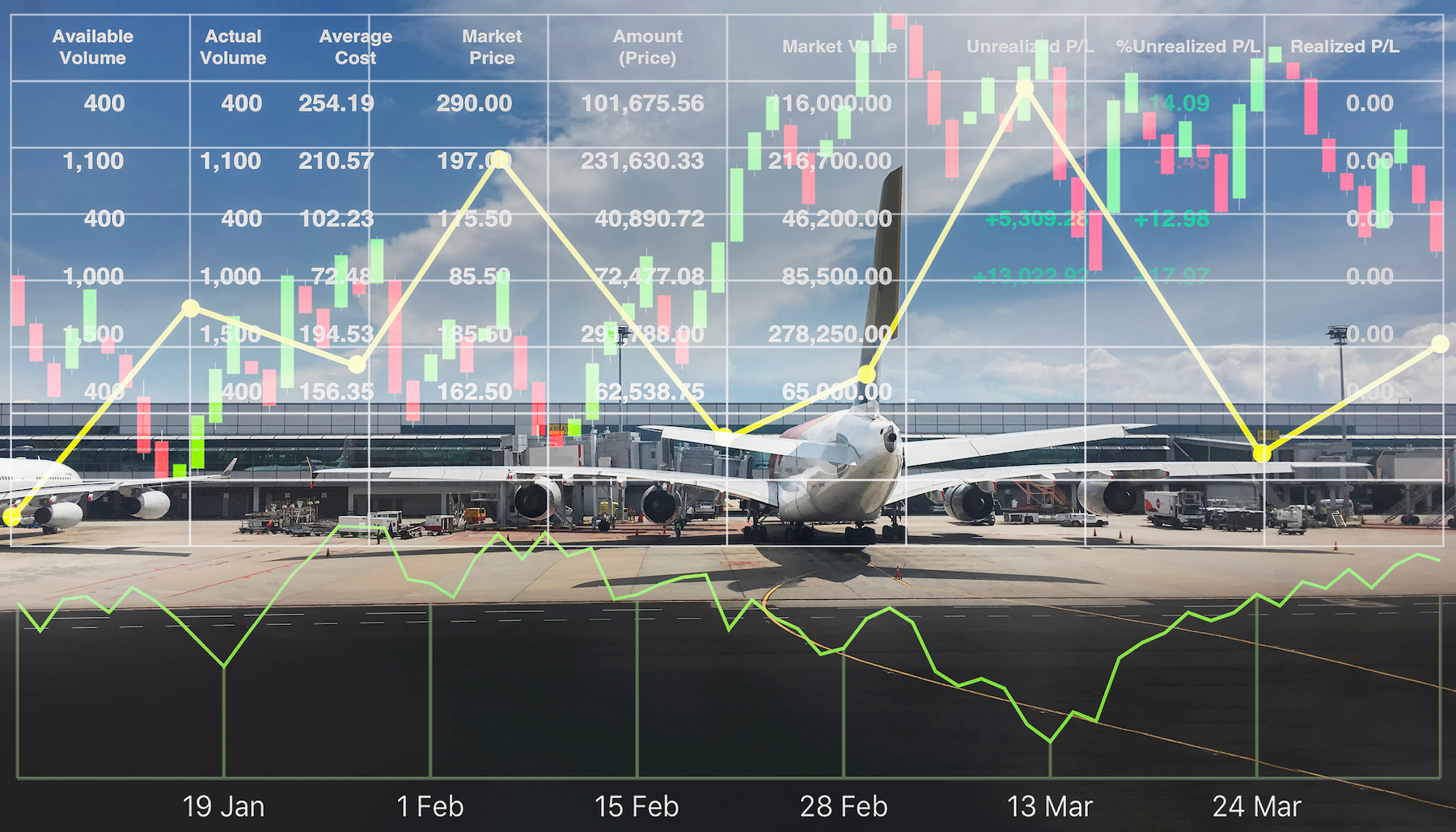


Like many other sectors, the aviation industry heavily relies on data to inform business decisions. Many companies therefore employ specialized data analysts to perform work in this important area.
What Does an Aviation Data Analyst Do?
Data analysts are responsible for analyzing and interpreting data to identify trends and develop insights. Specific tasks can include:
- Collecting data using tracking tools, surveys, and existing datasets
- Cleaning and organizing data, removing outliers, errors, and irrelevant elements
- Performing analysis through statistical and mathematical modeling
- Interpreting and reporting trends and insights obtained from the data
Aviation data analysts are data analysts who work in the industry. They can work with many different types of data, depending on their employer and field of expertise.
Where Do Aviation Analysts Work?
Given the vast amounts of data throughout the aviation industry, aviation data analysts can work for a wide variety of employers.
For example, a data analyst working for an airline could look at the on-time performance of the company’s flights, the amount of cargo space being filled, or the results of a passenger satisfaction survey. The insights and conclusions drawn from these types of data can help the company improve its service and operations.
Similarly, airports have many uses for data, and could have data analysts examining metrics like passenger figures and gate utilization. Meanwhile, a data analyst at an aircraft manufacturer could analyze data relating to different assembly lines or processes to estimate production times.
There are also aviation data analysts who work in the government. For example, an analyst at a regulatory entity or safety investigation body could work with data surrounding accidents to help make safety recommendations.

What is the Salary of an Aviation Data Analyst?
The salary of an aviation data analyst can vary significantly depending on the employer, scope of work, and the analyst’s level of education and experience.
Entry-level salaries for a data analyst range from $40,000 to $70,000 but experienced analysts with greater responsibilities can make upwards of $100,000 per year.
How to Become an Aviation Data Analyst
Data analysis jobs typically require a bachelor’s degree in a field such as mathematics, computer science, statistics, or another related field. While some employers will also accept relevant experience in place of formal education, others require a graduate degree.
Having prior experience or knowledge of the aviation industry can also be an asset for prospective aviation data analysts. It is also helpful to have transferable workplace skills like strong communication skills and the ability to work both independently and as a team.
The Importance of Aviation Data Analysts
Companies in the aviation industry are often faced with huge amounts of data and decisions that can have major financial and operational impacts. In this type of environment, aviation data analysts play a valuable role, helping companies navigate their business decisions through the use of empirical data.
