










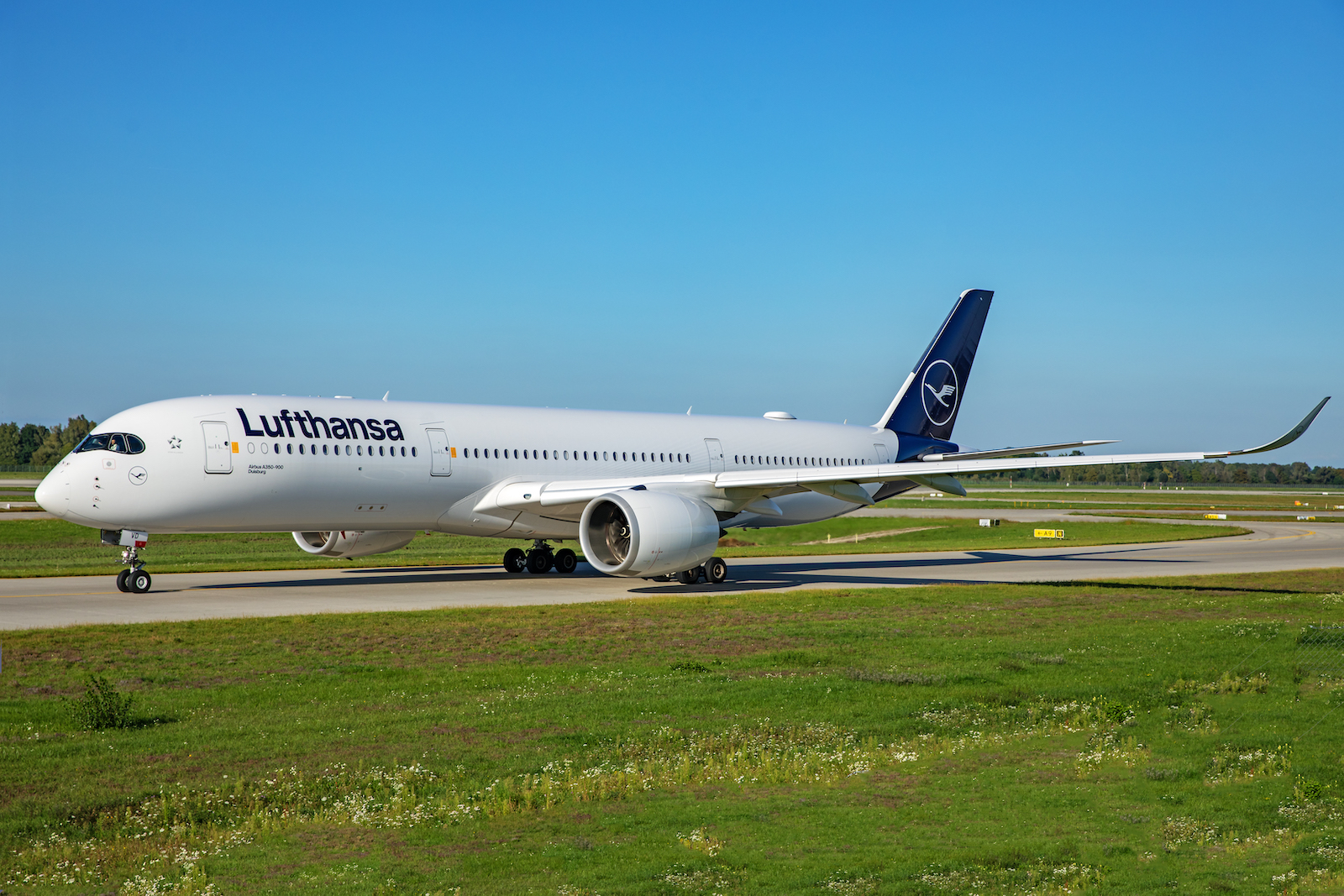


German carrier Lufthansa has announced that its route from Frankfurt to Beijing will be discontinued from October 26 of this year. The airline currently flies between the two cities five times a week, and will continue flying to Beijing from its other hub in Munich. Overall, the airline will be operating half of its current frequencies to the Chinese capital.
Due to the unavailability of Russian airspace, Lufthansa and its subsidiaries are forced to take a longer route to get to East Asia, thus resulting in longer flying time and higher costs. These drawbacks have impacted the airline’s profitability and competitiveness in the market, especially when its Asian counterparts are able to access the Russian airspace.
Lufthansa’s other destinations in the region, Shanghai and Hong Kong, are currently unaffected. Aside from the flights into Beijing from Munich and Frankfurt until late this month, Lufthansa Group also flies to Shanghai from Frankfurt, Munich, Vienna, and Zurich, and to Hong Kong from Frankfurt and Zurich.

Lufthansa in China
China has long been an important market for the European airline giant, and the carrier was showing confidence in the Chinese market as recently as August when Shanghai became the first destination in Asia to receive Lufthansa’s latest Allegris services onboard the A350. The airline’s CEO Jen Ritter told Shanghai Daily at an event that “China has always been one of our most important travel markets, not only in Asia but worldwide. And it shows signs of remaining important in our network.”
Rewinding the clock back to 2010, Lufthansa named its third A380 ‘Peking,’ the first aircraft to be named after a non-German city, and flew it on the soon-to-be-cancelled route between Frankfurt and Beijing, its second-ever international A380 destination.
Lufthansa’s tie with China does not end with ceremonial aircraft and product launches. The airline has two Star Alliance partners in the Chinese Mainland and has many business ventures. Among them is Ameco Beijing, a joint venture between Lufthansa and Air China, with its headquarters in Beijing, which is one of the largest MRO providers in Asia.
Before the pandemic, Lufthansa had flights to five cities in the Chinese Mainland, including Nanjing, Qingdao, and Shenyang, along with multiple daily flights on routes to Shanghai and Beijing. Its largest aircraft, the A380, was routinely deployed on flights to both Beijing and Shanghai.
Unleveled Playing Field
The Lufthansa Group has been a dominant player in the Euro-China market, consistently providing more capacity than rivaling Air France-KLM or IAG. After the cancellation of the Beijing route, the group will still have 37 weekly flights to the Chinese Mainland, compared to IAG’s seven weekly flights and Air France-KLM’s 28 flights, according to flightrader24.
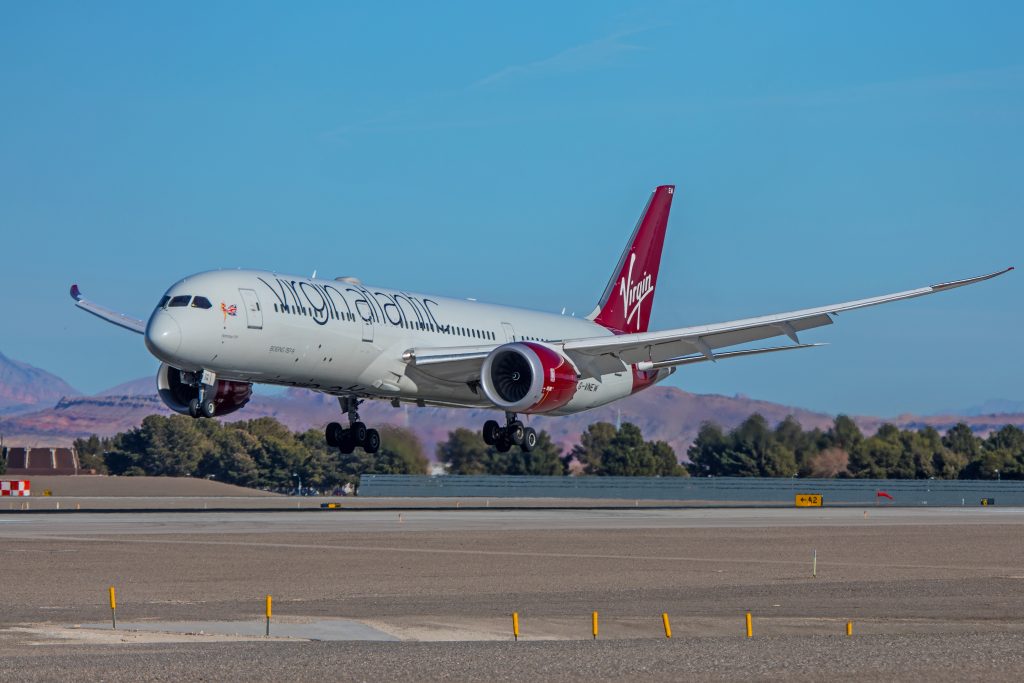
However, its capacity in the Euro-China market still lags far behind its Chinese counterparts. For example, Air China offers 18 flights on the Beijing-Frankfurt route alone. The difference in cost and flying time has driven many Western airlines to scale down or withdraw from the Chinese market. Vrigin Atlantic will leave the country in October of this year, and British Airways will pull out of Beijing in the same month.
