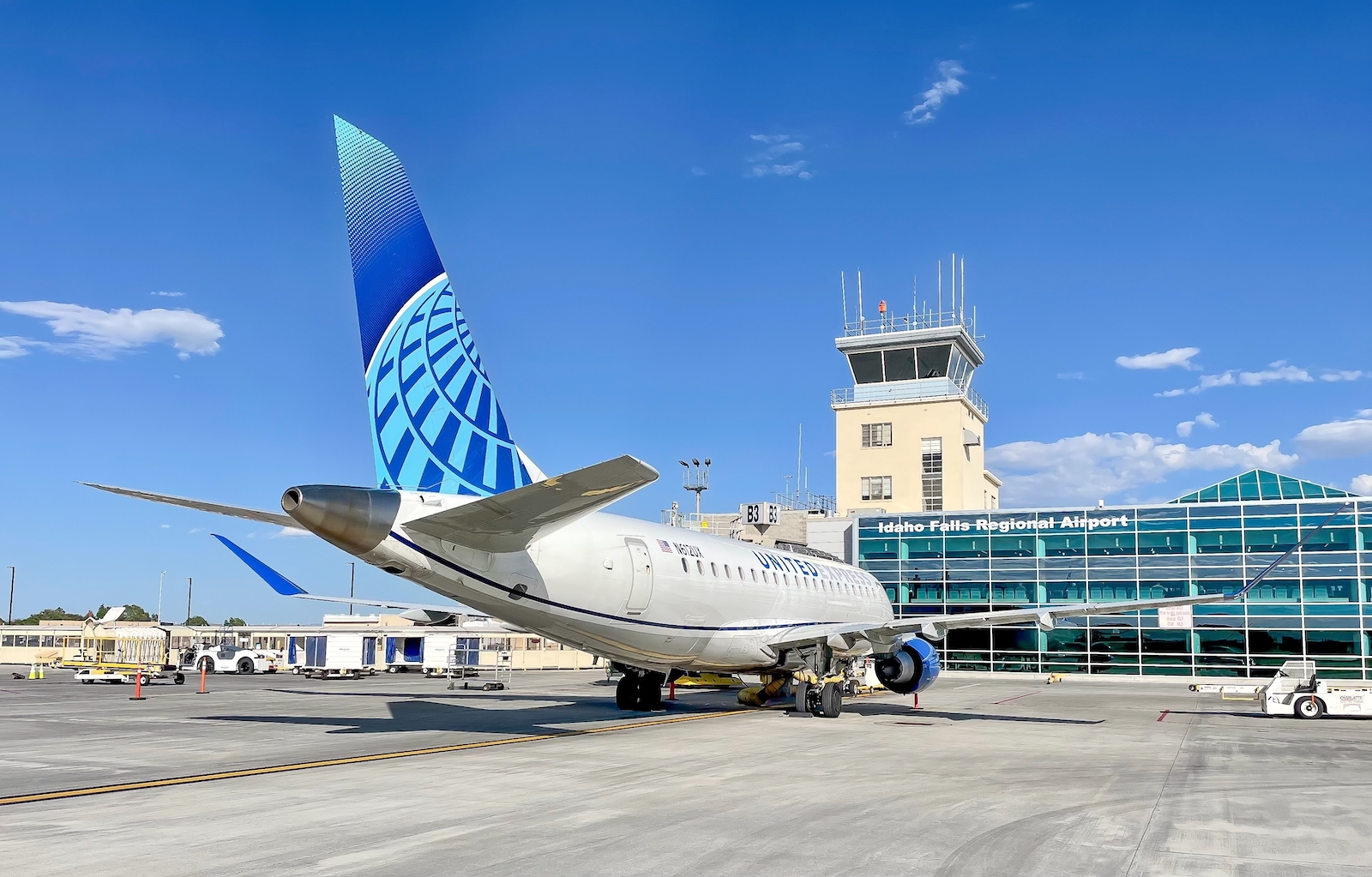

As its U.S. peers continue restoring pre-pandemic regional capacity levels, United says it is already there. But with unit cost pressures for smaller regional jets increasing, the Chicago-based airline doesn’t expect much growth in smaller markets.
During a third-quarter earnings call on Wednesday, United’s commercial chief, Andrew Nocella, said regional capacity has returned “a little bit quicker than we anticipated at the beginning of the year.” Still, though, Nocella adds that these smaller jets “do pressure CASM [cost per available seat mile].”
Just this week, United detailed plans to shake up its regional portfolio. In December, SkyWest will begin operating a handful of premium-heavy CRJ-550s under the United Express brand.
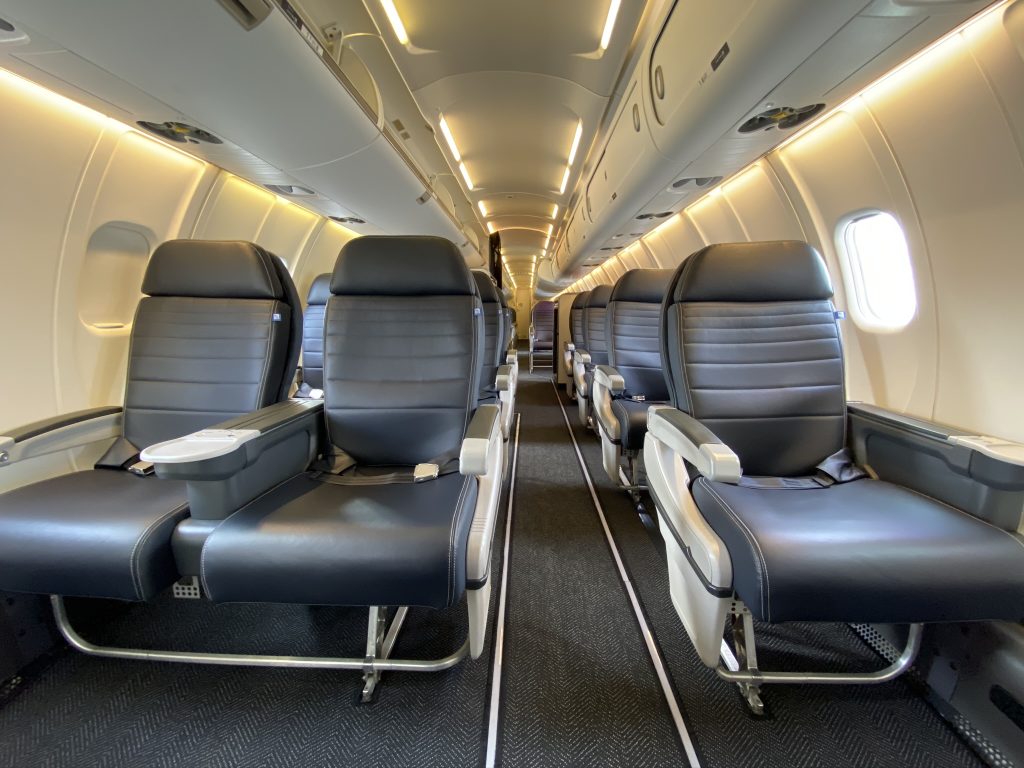
With 40 CRJ-550s already in service operated by regional carrier GoJet, Nocella shares that the airline continues to be pleased with the modified CRJ-700 variant that has just 50 seats. “That aircraft has been actually much better than expected for United. So we’re glad to be able to expand that, which allows us to better serve these smaller communities,” he said.
In addition, Mesa Airlines — which operates solely on behalf of United — is making the switch to an all-Embraer E175 operation “at United’s request.” The Phoenix-based regional carrier is slated to phase out its remaining 15 CRJ-900s by March 2025.
The active United Express fleet currently includes 57 Embraer E145s, 233 E170/E175s, 68 CRJ-200s, 58 CRJ-700s, and 15 CRJ-900s per Cirium Fleet Analyzer data.
A Different Regional Footprint
While both American and Delta touted their near returns to full regional jet utilization, United seems less concerned. “We are back to full utilization on the RJs [regional jets] at our new run rate fleet,” added Nocella.
The airline’s current fleet plan shows a slight bump of three additional 50-seat aircraft to be added by year-end. As pilot supply constraints improve, many regional airlines are still returning jets to service.
Nocella said he doesn’t expect “a large-scale change coming at United in how we serve these smaller communities.”
“So expect the RJ fleet to still be around and do [its] thing, but it will become a smaller and smaller percentage of the business,” he continued. “And we will serve the smaller communities with a mixture of RJs and mainline jets and have the lowest cost possible in those communities.”
Moving forward, he said, United’s regional strategy will involve larger aircraft and fewer frequencies with subsequently lower unit costs.