











Livery of the Week: Air France

While subtle updates have been implemented over the years, the core elements have remained consistent, contributing to the airline's strong brand identity.

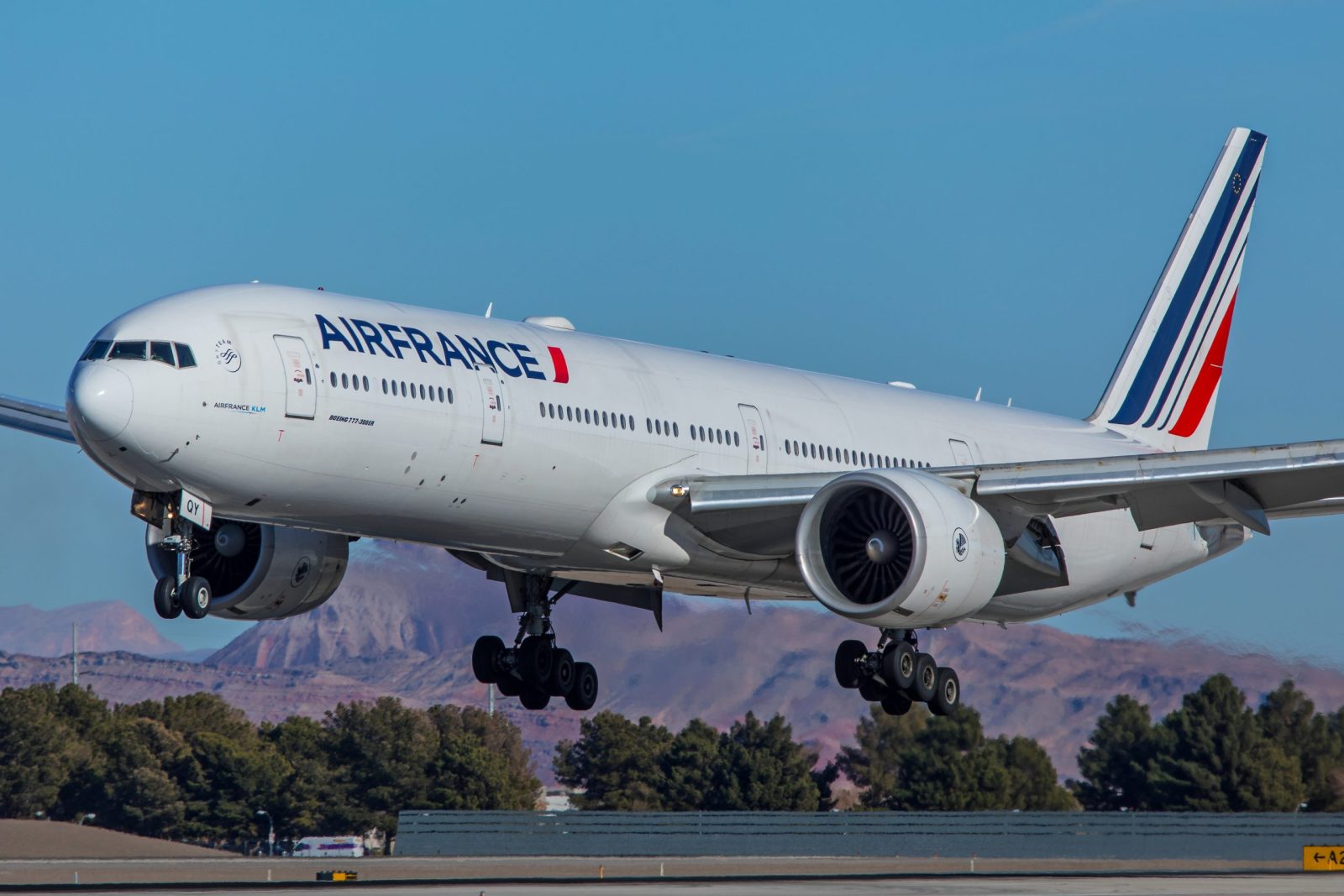
An Air France 777-300 landing (Photo: AirlineGeeks | William Derrickson)
Gemini Sparkle

Key Takeaways:

  • Air France maintains a classic and recognizable livery that has remained largely consistent for decades, central to its brand identity.
  • The livery features a predominantly "Eurowhite" aircraft body with distinctive red, white, and blue horizontal stripes on the tail, echoing the French flag and dating back to the 1930s.
  • Despite its long-standing consistency, the Air France livery has undergone subtle modernizations over time, including refined tail stripes and updated typography for the "Air France" wordmark.
See a mistake? Contact us.

Editor’s Note: AirlineGeeks is proud to present our ‘Livery of the Week’ series. Every Friday, a team member will share an airline livery, which can be from the past, present, or even a special scheme. Some airline liveries are works of art. The complexity associated with painting around critical flight components and the added weight requires outside-the-box thinking from designers. The average airliner can cost upwards of $200,000 to repaint, creating a separate aircraft repainting industry as a result. 

Have an idea for a livery that we should highlight? Drop us a line

Air France, the French flag carrier, has maintained a recognizable and classic livery for decades. While subtle updates have been implemented over the years, the core elements have remained consistent, contributing to the airline’s strong brand identity.

The majority of the aircraft’s body is painted white, a common trend in modern aviation known as “Eurowhite.” The tail features a series of horizontal stripes in red, white, and blue, echoing the colors of the French flag.
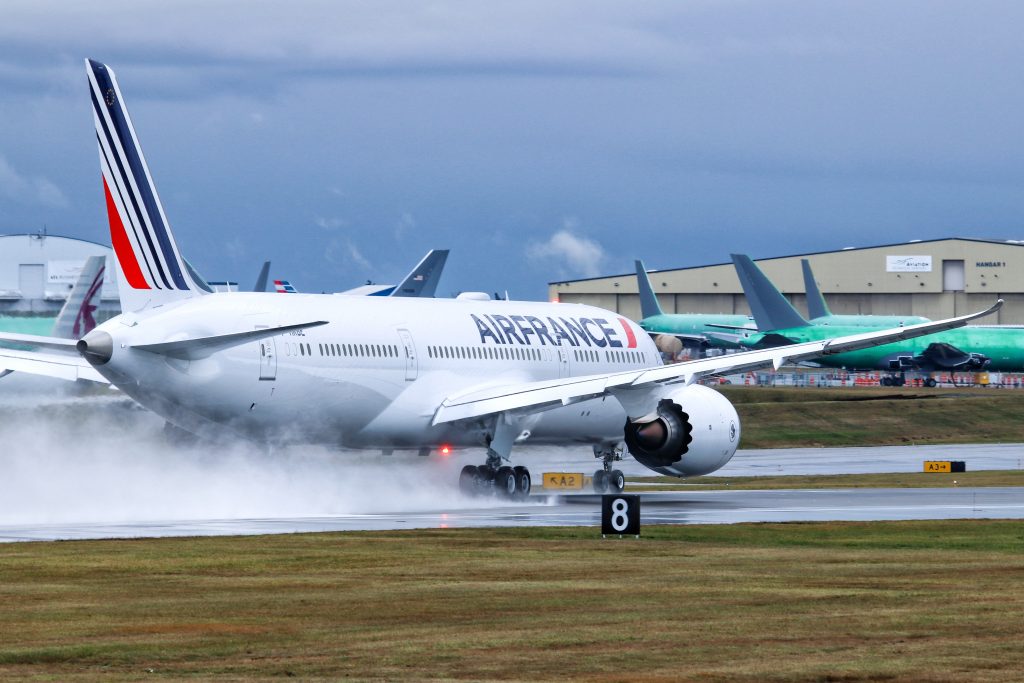
An Air France 787-9 begins its takeoff roll at Paine Field. (Photo: AirlineGeeks | Katie Zera)

This emblem has historical roots, dating back to Air France’s predecessor airlines in the 1930s. The airline’s name is written in a clear, modern typeface, usually in dark blue or black.

While the overall look has remained largely consistent since the 1970s, some notable changes include a softening of the tail stripes. The lines of the tail stripes have been refined over time, giving them a smoother appearance. The “Air France” wordmark has been subtly updated to reflect contemporary typography trends.

Looking for a new airplane model? Head over to our friends at the Midwest Model Store for a wide selection of airlines and liveries.

Ryan Ewing

Ryan founded AirlineGeeks.com back in February 2013 and has amassed considerable experience in the aviation sector. His work has been featured in several publications and news outlets, including CNN, WJLA, CNET, and Business Insider. During his time in the industry, he's worked in roles pertaining to airport/airline operations while holding a B.S. in Air Transportation Management from Arizona State University along with an MBA. Ryan has experience in several facets of the industry from behind the yoke of a Cessna 172 to interviewing airline industry executives. Ryan works for AirlineGeeks' owner FLYING Media, spearheading coverage in the commercial aviation space.
Sign-up for newsletters & special offers!

Get the latest stories & special offers delivered directly to your inbox

SUBSCRIBE

Uh-oh! It looks like you're using an ad blocker.

Our website relies on ads to provide free content and sustain our operations. By turning off your ad blocker, you help support us and ensure we can continue offering valuable content without any cost to you.

We truly appreciate your understanding and support. Thank you for considering disabling your ad blocker for this website