









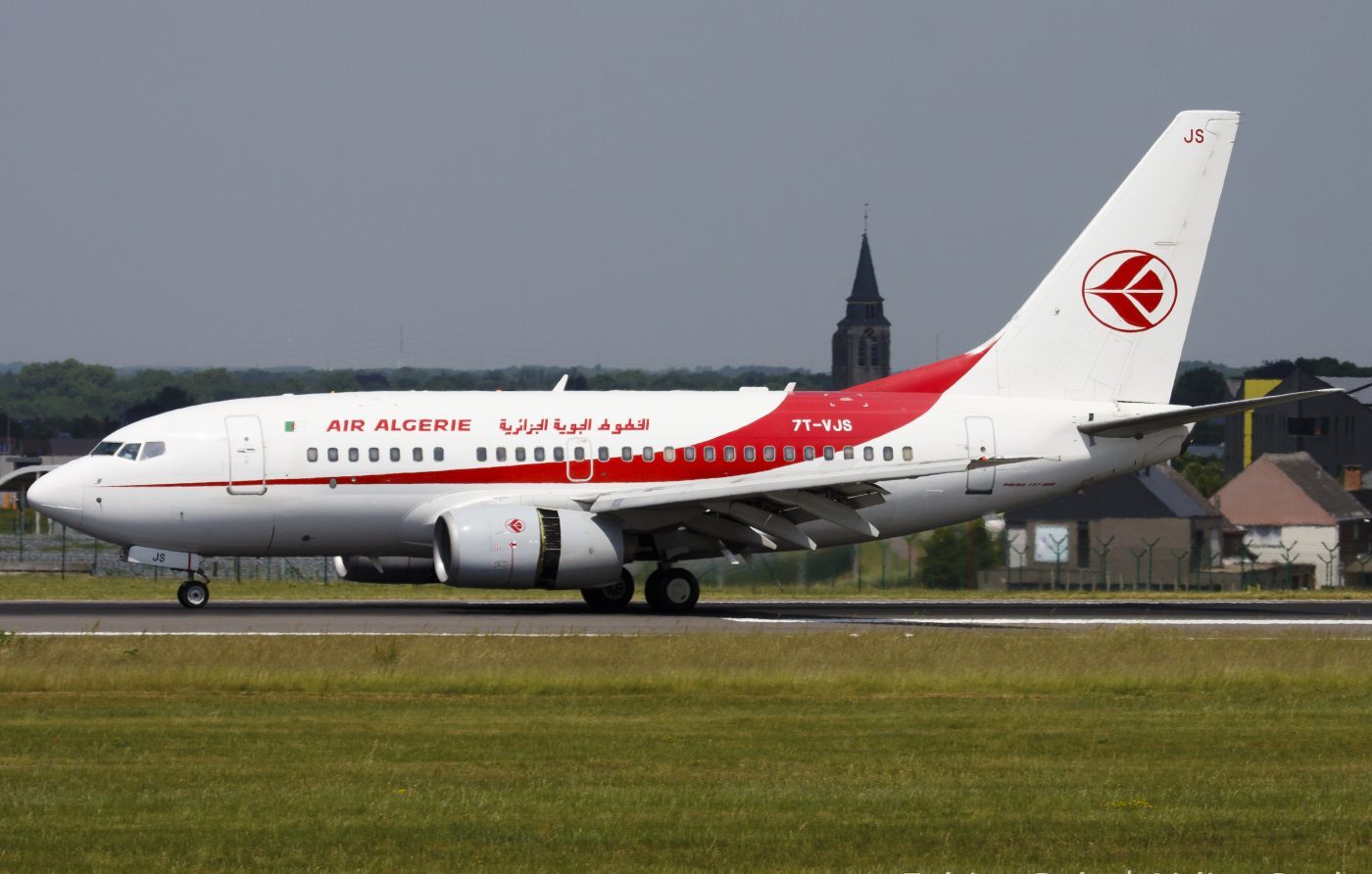

Algeria’s national carrier, Air Algérie, has officially eliminated French from all its customer-facing materials — including tickets, booking systems, and passenger documents. Moving forward, Arabic and English will be the only languages used across all platforms.
The announcement was officially made public on April 14, by Abdelkader Salmi, director of general affairs at Air Algérie, during an interview with Echorouk TV. “The novelty for Air Algérie airline tickets is that they will be published in Arabic and English,” Salmi stated.
They explained that this decision aligns with industry practices in Arab countries, where English serves as a global standard alongside Arabic. “We have noticed that airlines in the Arab world publish tickets in Arabic and English. Air Algérie wishes to comply with the norms followed by both Arab and international carriers,” Salmi shared.
While the change may seem administrative, it carries significant symbolic weight. The removal of French from Air Algérie’s operations marks another step in Algeria’s ongoing effort to assert national identity and gradually phase out the remnants of French colonial influence, particularly at a time of escalating diplomatic tension with Paris.
Air Algérie’s decision also comes amid a period of deteriorating Franco-Algerian relations. Tensions escalated in July 2024 after French President Emmanuel Macron voiced support for Morocco’s claim over Western Sahara — a move Algeria interpreted as a betrayal of France’s traditionally neutral stance on the conflict. Algeria, a staunch backer of the Polisario Front, responded by recalling its ambassador.
Since then, both nations have engaged in reciprocal diplomatic expulsions. In April, each country expelled 12 diplomats following the arrest in France of an Algerian consular official allegedly linked to the high-profile abduction of social media influencer Amir Boukhors, known as Amir DZ.
This pivot also aligns with Air Algérie’s ambitions for global expansion and fleet modernization. The airline is preparing for a significant upgrade, with plans to acquire 35 new aircraft by 2040, including eight Airbus A330-900s and eight Boeing 737 MAX 9s.
By 2026, the carrier aims to expand its international network to 60 destinations, up from the current 50. Newly introduced long-haul routes include Guangzhou and Kuala Lumpur, along with African cities such as N’Djamena, Zanzibar, and Libreville. The airline has also relaunched service to Addis Ababa and increased frequencies to Abuja, now operating two weekly flights since April 6.
Future destinations on the airline’s radar include global hubs like New York, Caracas, Havana, Amsterdam, London-Gatwick, Hong Kong, Lagos, and Dar es Salaam.
