











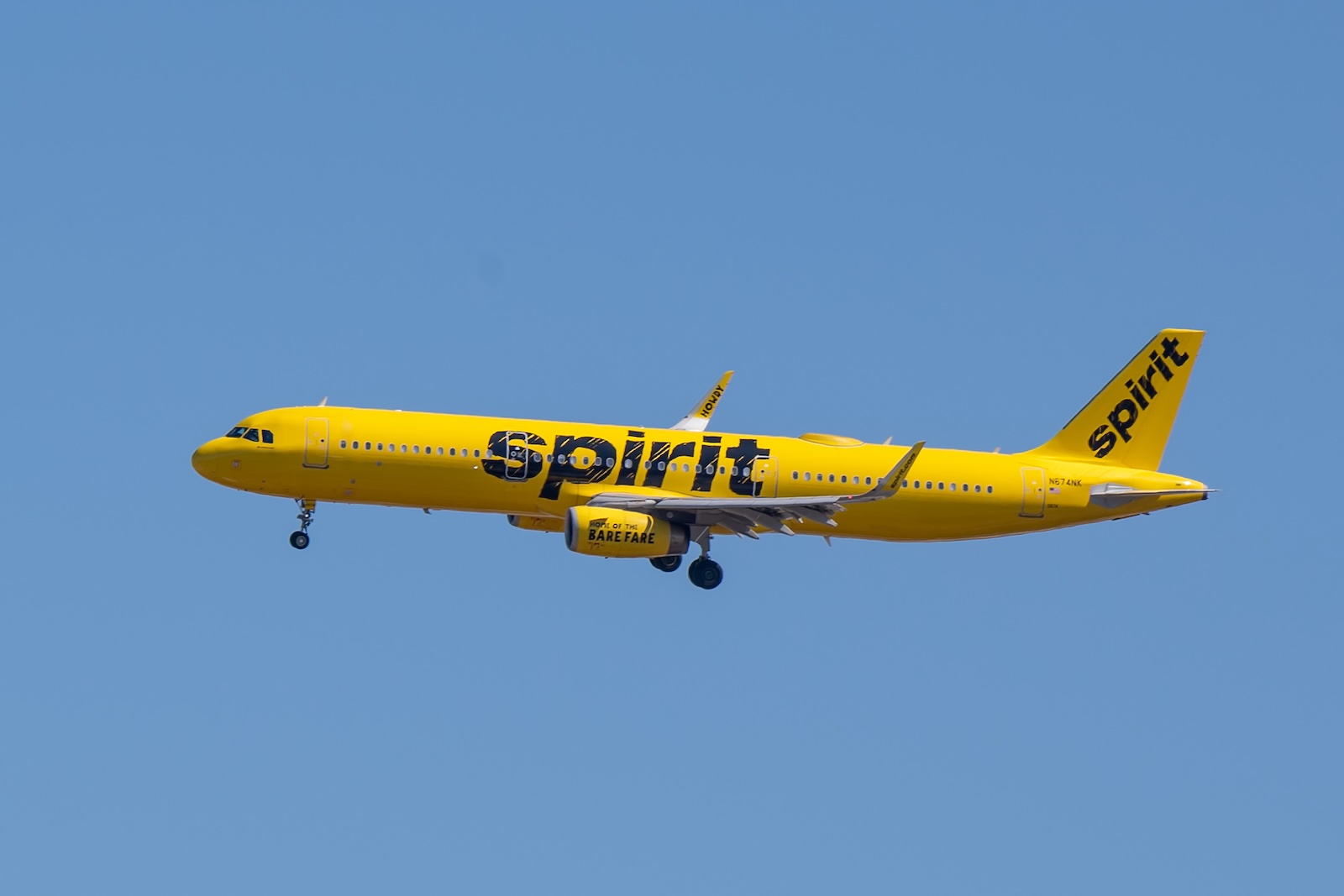


Ultra-low-cost carrier Spirit expects to record full-year losses for 2025 and 2026 but should return to profitability by 2027, according to documents submitted to the U.S. Securities and Exchange Commission on Tuesday.
The airline, which is currently navigating its second Chapter 11 bankruptcy in a year’s time, forecasts a net loss of about $804 million this year and $145 million next year. By 2027, however, with Spirit’s restructuring plan nearing completion, net income should move into the black and reach $219 million by the year’s end, the filings said.
The carrier has not posted an annual profit since 2019. Spirit’s no-frills price structure, which fueled significant growth in the 2010s, left it susceptible to changes in the market following the COVID-19 pandemic, including overcapacity and a rise in labor and maintenance costs. It filed for bankruptcy in November 2024, emerged from the process in March, and, after worsening financial results, reentered Chapter 11 over the summer.
Spirit has slashed routes, shed aircraft leases, and furloughed hundreds of pilots as it works to reduce its debt load and secure financial lifelines from creditors. Its long-term transformation plan calls for the elimination of all “unprofitable flying,” cutbacks in airport gate rents, advertising spend, and non-core expenses, and “right-sizing” its workforce, which would likely entail further job cuts.
Spirit leadership ultimately hopes to reposition the brand from “budget traveler” to a “value-seeking audience.”
The airline recently secured a $475 million multi-tranche financing facility from its existing bondholders. The money is expected to be used to help Spirit maintain normal flying operations during the bankruptcy period.