










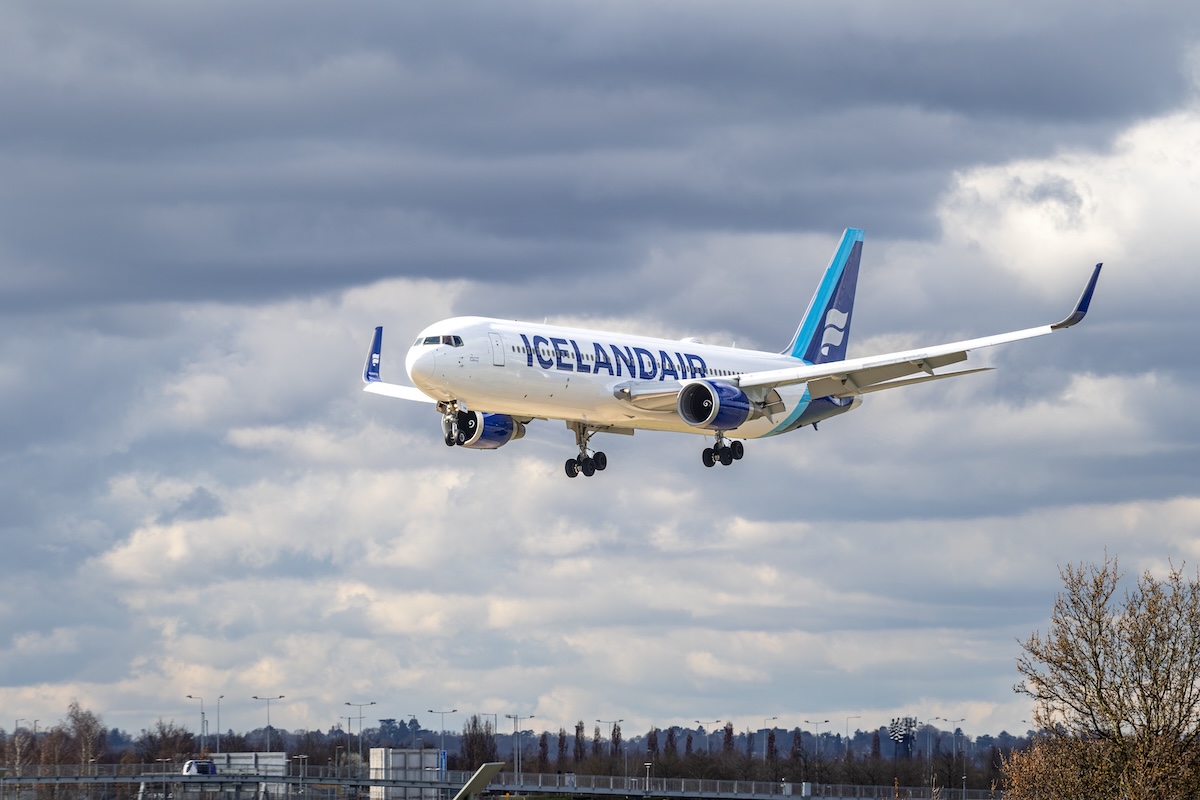


Icelandair said it will end all widebody operations by the end of 2026, retiring its Boeing 767-300 fleet earlier than planned as part of a sweeping transformation effort aimed at restoring profitability. The announcement came as part of the airline’s third-quarter 2025 financial report.
The Reykjavik-based carrier reported revenue of $585 million in the quarter, up 6% year-over-year, but net profit fell to $57 million, down nearly $12 million from the same period last year.
CEO Bogi Nils Bogason described the airline’s recent performance as part of “eight years of unsustainable financial performance,” saying the company’s immediate goal is to return to profitability next year.
“I am confident that with this focus, coupled with a strong financial position, we are well-equipped to turn the company around and deliver profits in 2026,” Bogason said.
757 Retirements
Icelandair said it will retire four Boeing 757s and one Boeing 767 by the end of this year, with the remaining widebody aircraft to follow in 2026. The company noted that the decision to end 767 operations earlier than previously scheduled supports its plan to simplify the fleet and improve cost efficiency.
Once the retirements are complete, Icelandair’s passenger operations will be entirely narrowbody.
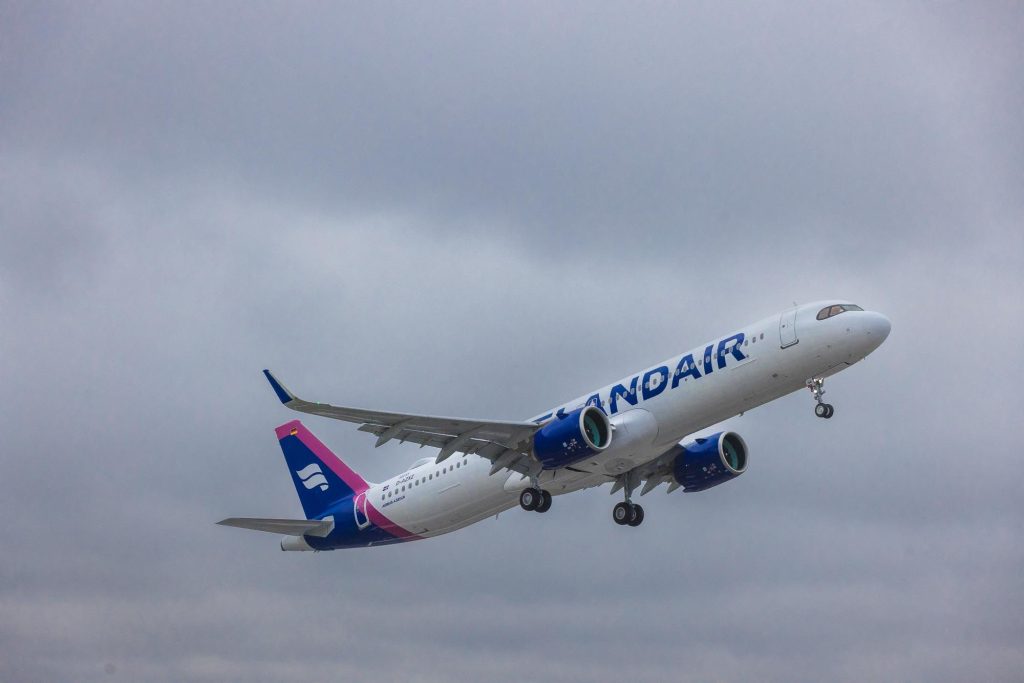
By summer 2026, the carrier expects to operate 41 aircraft, including 21 Boeing 737 MAXs and seven Airbus A321LRs, three of which are scheduled to arrive in early 2026.
The airline currently has five 767s in active service. These aircraft operate on a variety of European and transatlantic routes.
With the accelerated 767 retirement, Icelandair will end more than two decades of widebody operations.