











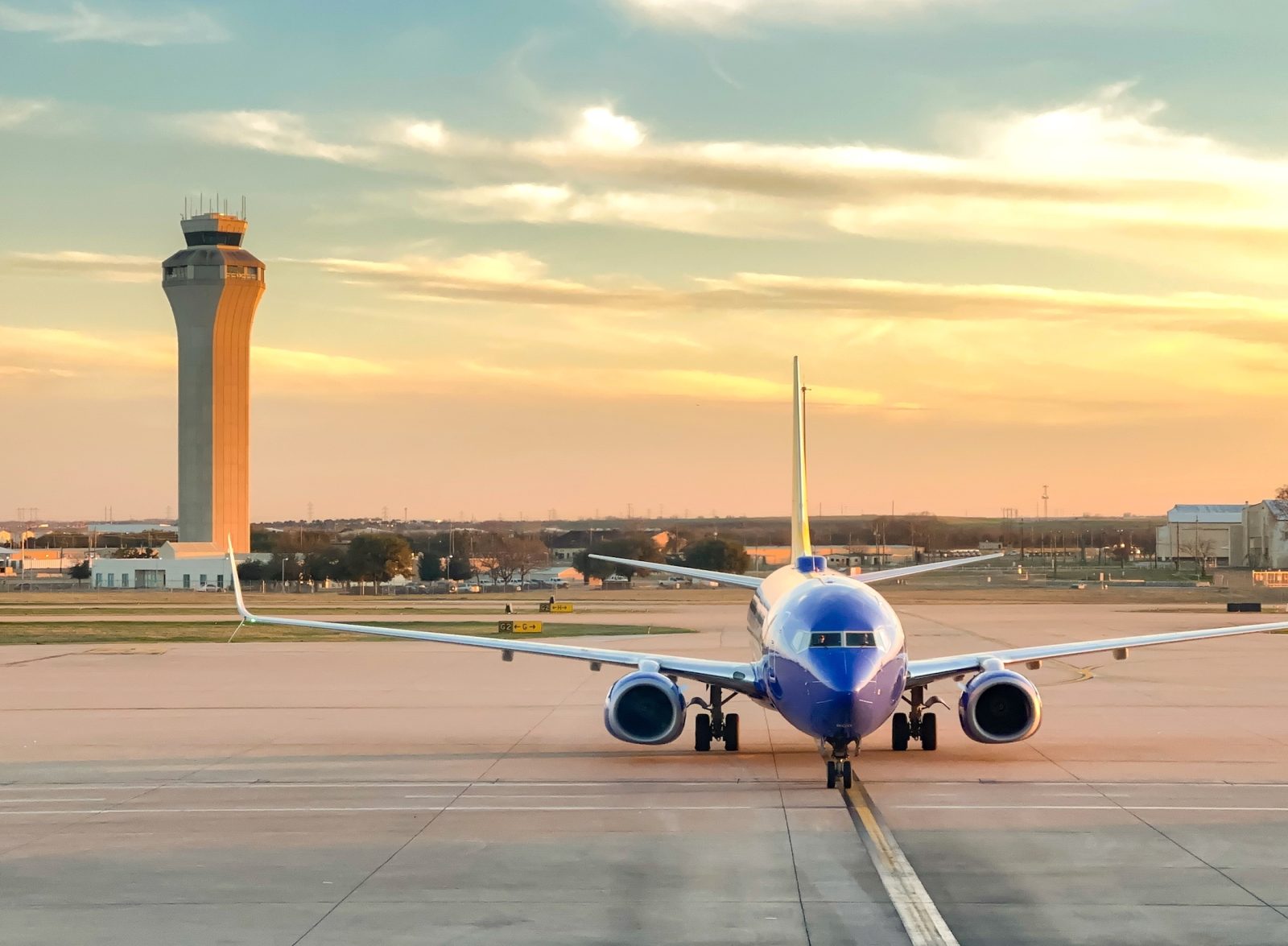


Flight cancellations rippled across the U.S. on Friday as the FAA imposed traffic reductions on some of the nation’s busiest airports.
About 800 flights to, from, or within the U.S. were canceled as of Friday morning, according to tracking website FlightAware. Chicago O’Hare, Atlanta, Denver, Dallas/Fort Worth, Los Angeles, and Phoenix – all targeted for flight cuts – saw the highest number of cancellations.
According to the FAA, a 4% reduction in flights will take effect on Friday, ramping up to 6% by Nov. 11, 8% by Nov. 13, and 10% by Nov. 14.
The agency is scaling back air traffic in an attempt to ease the workload of air traffic controllers, who have been working without pay since the start of the federal government shutdown on Oct. 1. U.S. Transportation Secretary Sean Duffy said this week that, at some facilities, controllers have been working 10 hours a day, six days a week to make up for staff who have called out sick.
The cancellations will likely cause headaches for thousands of passengers across the country. CNN reported Friday that some travelers are preemptively canceling their bookings and will either scrap their planned trips or go by car.
United said Friday that it has readjusted its flight schedule through Sunday and will let passengers know about future changes, including cancellations, as soon as possible. The carrier added that its long-haul international routes “will not be affected,” nor will flights that connect its hub airports, specifically Chicago O’Hare, Denver, Houston Intercontinental, Los Angeles, San Francisco, Washington Dulles, and Newark, New Jersey.
Instead, United will focus its schedule cuts on regional flying and domestic mainline flights that do not connect to hub locations, CEO Scott Kirby said in a message to employees.
American said Thursday that it will let customers know about potential disruptions affecting their flights. The airline will waive fees for passengers who opt to book a different flight or cancel their trip.
Delta said it still expects to operate the “vast majority” of its scheduled flights while honoring the FAA’s reductions and will work to minimize the impact on passengers. It also promised increased flexibility for passengers to change or cancel their flights.
Alaska Airlines said most of its planned cancellations are on high-frequency routes, which allows most customers “to be reaccommodated with as little disruption as possible.” The carrier also said it is working to ensure that small and remote communities that rely on its service are “protected” from disruptions.
Southwest announced that it preemptively canceled about 120 flights at 34 airports on Friday. It is now working to firm up Sunday’s flight schedule, when less than 100 flights are expected to be canceled.
The carrier is allowing passengers booked through Nov. 12 to adjust their travel plans at no cost or request a full refund.