











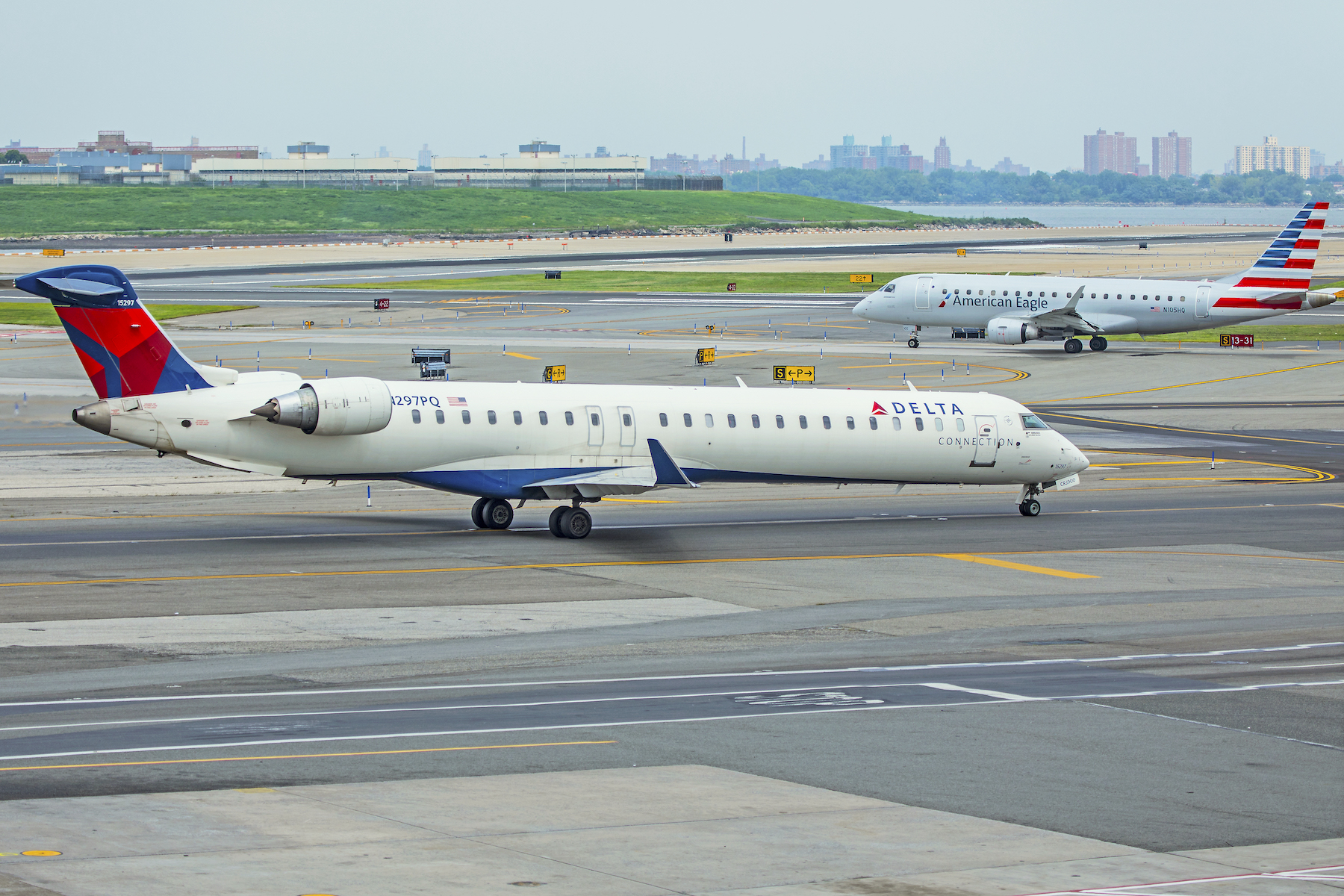


In early 2020, images of nearly empty jets flying across Europe and the U.S. went viral. These “ghost flights,” as they came to be known, weren’t carrying passengers — but they weren’t mistakes, either. They were operating to preserve one of the most valuable assets an airline can hold: its airport slots.
While the phenomenon captured global attention during the pandemic, the practice of flying under capacity to maintain access to slot-controlled airports has existed for decades. At its core lies the balance between regulatory compliance, competitive access, and multimillion-dollar assets.
What Is a Slot?
Put simply, a “slot” is essentially an airline’s permission to take off or land at a specific airport during a designated time. Major hubs such as London Heathrow, Tokyo Haneda, and New York-JFK have limited runway and terminal capacity, so regulators allocate these rights under formal slot coordination systems.
In the U.S., the FAA Slot Administration Office manages access at airports such as JFK, LaGuardia, and Washington Reagan National. Internationally, coordination is governed by the Worldwide Airport Slot Guidelines (WASG), jointly maintained by IATA, Airports Council International (ACI), and the Worldwide Airport Coordinators Group (WWACG).
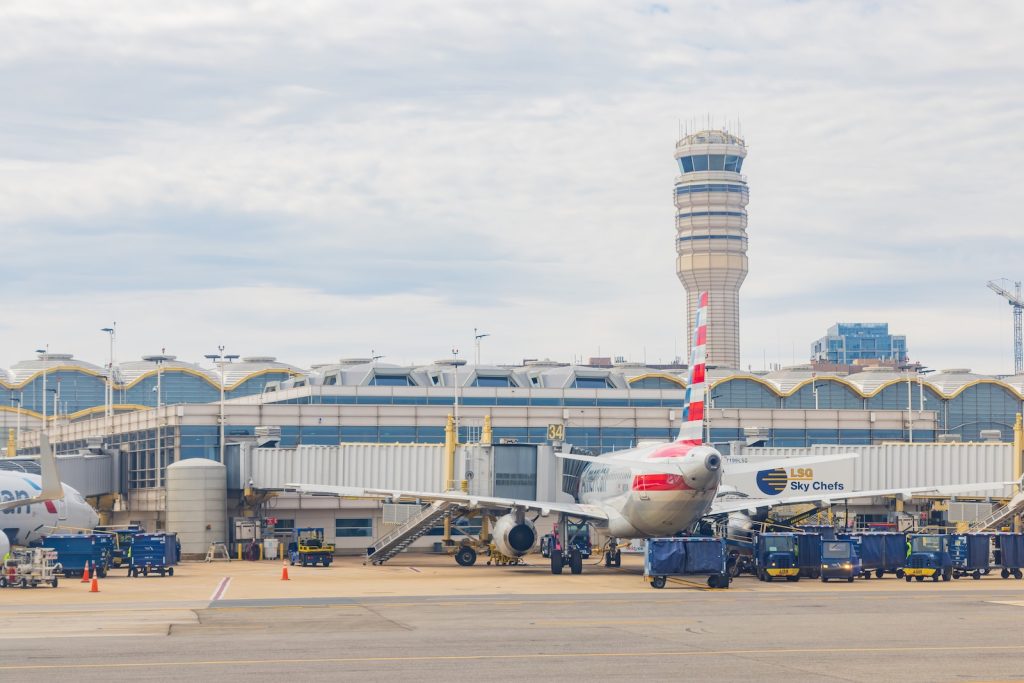
Each slot pair — one takeoff and one landing — can be worth millions of dollars on the secondary market. In 2016, a single pair at Heathrow reportedly sold for more than $75 million, underscoring the financial stakes at congested airports.
The 80/20 Rule
Under the WASG system, airlines must use at least 80% of their allocated slots in a given season to retain them for the next scheduling period. If they fail to meet that threshold, the slots are subject to reallocation to competitors.
This requirement — often referred to as the “use-it-or-lose-it” rule — was designed to prevent airlines from hoarding valuable time slots without operating flights. However, it also incentivizes carriers to operate underperforming routes, especially during unexpected downturns, to meet utilization minimums.
During normal market conditions, the 80/20 rule maintains schedule integrity and fair access. But during crises — such as the COVID-19 pandemic — it can lead to flights departing nearly empty, simply to protect future slot rights.
Ghost Flights and the Pandemic Exception
When global travel demand collapsed in 2020, airlines faced a dilemma: cancel flights and risk losing slots, or operate with minimal passengers to preserve them. European carriers, in particular, continued operating thousands of so-called “ghost flights” with occupancy rates in the single digits.
In response, regulators introduced temporary waivers. The European Commission suspended the 80/20 rule in March 2020 and gradually reinstated it with reduced thresholds — 50% in 2021, then 64% by late 2022. The FAA issued similar flexibility, extending partial waivers for international carriers through the 2024 summer season.
Even so, some limited ghost flight activity continued as airlines sought to maintain operational patterns, crew proficiency, and network presence.
Why Slots Are So Valuable
Slots represent long-term strategic assets. Airlines use them to anchor connecting banks, feed alliances, and secure premium schedules. For example, a morning arrival slot at Heathrow aligns with transatlantic business demand, while a late-evening departure slot connects with U.S. outbound traffic.
At airports with no new capacity — like Heathrow, LaGuardia, or Haneda — slots rarely change hands. When they do, the transactions can rival the price of new aircraft. Bloomberg has reported slot-pair valuations ranging from $10 million to $75 million, depending on airport and time of day.
The Regulatory and Environmental Debate
Critics argue that operating empty or near-empty flights contradicts aviation’s sustainability commitments. The European Federation for Transport and Environment estimates that thousands of ghost flights in 2020–2021 generated more than 2.5 million tons of CO₂, despite carrying few passengers.
In response, regulators and industry groups have discussed more flexible slot policies during extraordinary circumstances. Proposals include dynamic thresholds, temporary pooling mechanisms, and priority reinstatement rights for airlines affected by crises.
IATA maintains that while the 80/20 rule can create inefficiencies, it remains essential to prevent anti-competitive slot hoarding. In 2023, IATA’s Director General Willie Walsh noted that “waivers should remain exceptional tools — used only when external conditions truly prevent normal operations.”
Beyond the Pandemic: Continued Relevance
Slot protection remains a central factor in network planning today. Even in recovery years, airlines may continue to operate marginal flights to maintain coordination rights ahead of future seasons. Carriers also adjust aircraft gauge — flying smaller regional jets or narrowbodies on low-demand routes — to meet slot usage minimums more efficiently.
The FAA and European regulators periodically review slot waivers in response to traffic volatility, labor shortages, or geopolitical disruptions.