











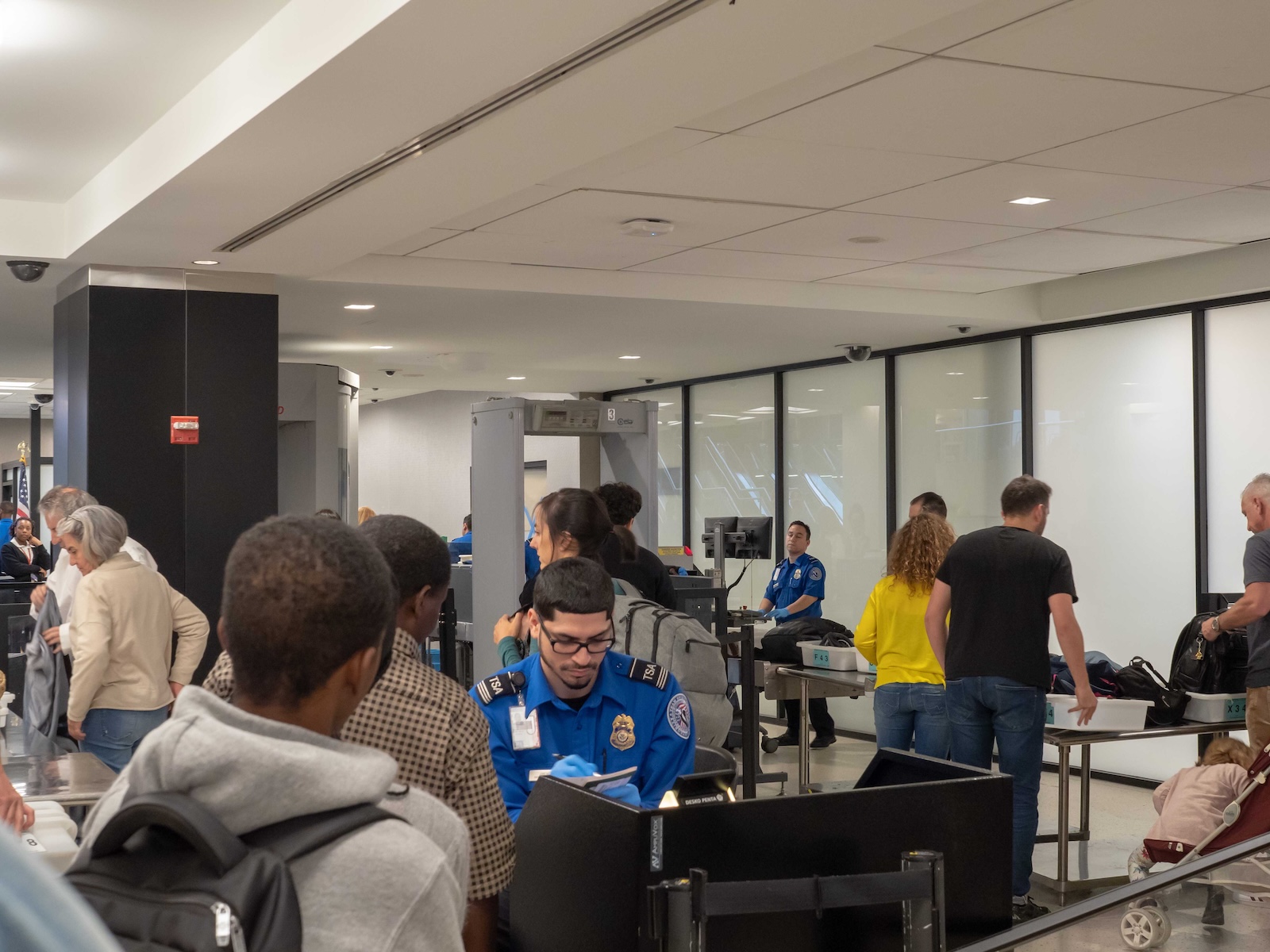


The Transportation Security Administration (TSA) plans to implement a $45 fee early next year for travelers who arrive at the airport without a REAL ID-compliant driver’s license or other acceptable identification.
Beginning Feb. 1, 2026, travelers who do not present an acceptable form of ID may opt to pay the fee and verify their identity through TSA’s alternative identity verification system, known as Confirm ID.
Higher Fee
Senior TSA officials said the higher fee reflects updated technology, operational, and administrative costs tied to operating the verification process. The agency noted that the original Federal Register notice, published on Nov. 20, outlined a proposed $18 fee, but officials said subsequent analysis showed that the actual expenses associated with the Confirm ID system were greater than initially projected.
Around 94% of passengers currently present an acceptable ID at checkpoints, TSA said. Agency officials stressed that REAL ID compliance remains a central part of its security posture.
“Acceptable forms of IDs such as REAL IDs or passports deter bad actors and illegal aliens from traveling, which is a critical component of our mission to keep air travel secure,” one senior official shared.
Travelers who pay the fee in advance will receive a receipt to present to travel document checkers at the start of screening. Those who arrive without acceptable ID and have not paid ahead of time will be escorted out of the line to complete the Confirm ID process before returning to the checkpoint.
The identity verification process typically takes 10 to 15 minutes but can stretch to 30 minutes or longer depending on the information reviewed, checkpoint conditions, and additional screening measures. If TSA cannot confirm a traveler’s identity, they may be denied access to the checkpoint, consistent with current procedures.
The $45 fee is nonrefundable, and paying it does not guarantee successful verification.
Confirm ID relies on a combination of passport database checks and knowledge-based verification questions. Digital credentials stored in Apple or Google wallets, including mobile driver’s licenses and digital passports, are also accepted forms of identification.
The $45 fee covers a 10-day period beginning on the traveler’s first date of travel to accommodate typical round-trip itineraries. Children under 18 remain exempt from ID requirements at screening and will not be subject to the fee.
TSA officials said the Feb. 1 start date allows time to prepare travelers during the busy holiday season and gives states and carriers time to help increase awareness. The agency plans to use airport signage, a dedicated landing page, and outreach through airlines and industry trade groups.