











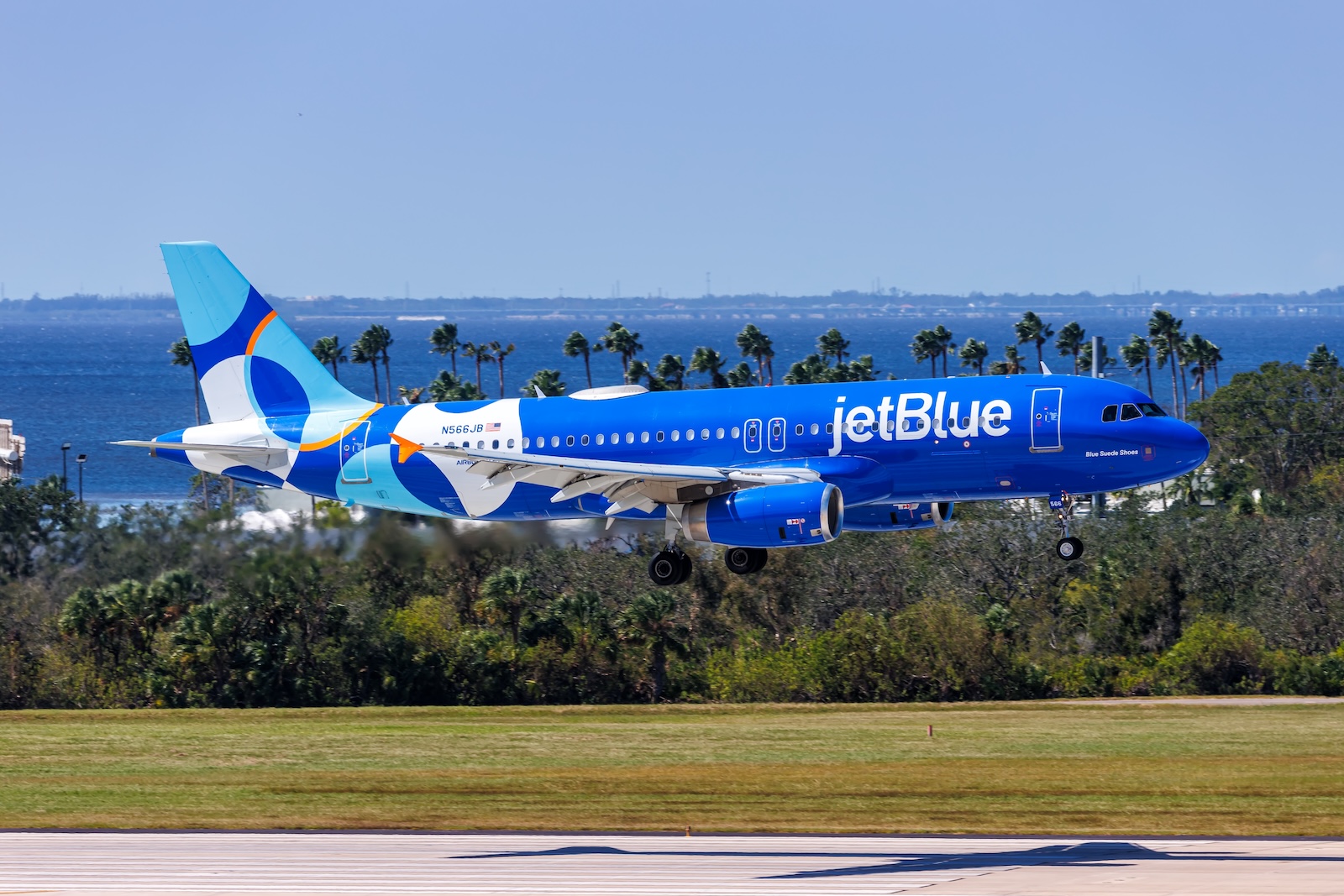


JetBlue is considering selling itself to a rival airline and has mapped out how a merger with three potential partners could be received by regulators in Washington, according to a report from Semafor.
Citing unnamed sources with knowledge of the matter, the outlet said JetBlue’s planning is “preliminary” and may not result in talks with competitors. Still, mounting financial pressure could move the low-cost carrier toward negotiations in the near future.
The three carriers under consideration for a merger are United, Alaska Airlines, and Southwest, according to Semafor.
JetBlue declined to comment on the discussions but told Semafor that it is focused on its recovery strategy.
“We’ve made meaningful progress on our multi-year JetForward strategy and are focused on executing the plan,” the airline said. “We’re confident JetForward is the right strategy to restore profitability and create value for our shareholders and opportunities for our crewmembers.”
United and Southwest declined to comment, and Alaska did not respond to a request for comment.
United has forged an especially close bond with JetBlue over the last year, though there are currently no plans for it to acquire the smaller airline. The carriers’ “Blue Sky” partnership includes reciprocal points and benefits for loyalty members, an interline deal with revenue booking, integration of JetBlue’s booking platform into United’s website and app, and slot sharing at airports.

Industry opponents of the Blue Sky deal, including budget airline Spirit, have complained to regulators that the alliance is a de facto merger.
JetBlue, which has its headquarters in New York, has not recorded a full-year net profit since 2019.
The carrier attempted to buy Spirit in 2022, but the prospective deal was blocked by a judge on antitrust grounds and terminated in 2024.
It is not clear how a merger involving two of the country’s largest airlines would fare in the Washington of 2026. The Trump administration has generally taken a more relaxed view on corporate consolidation than the Biden administration, but such an enormous linkup could still raise alarms in the U.S. Justice Department’s Antitrust Division.