

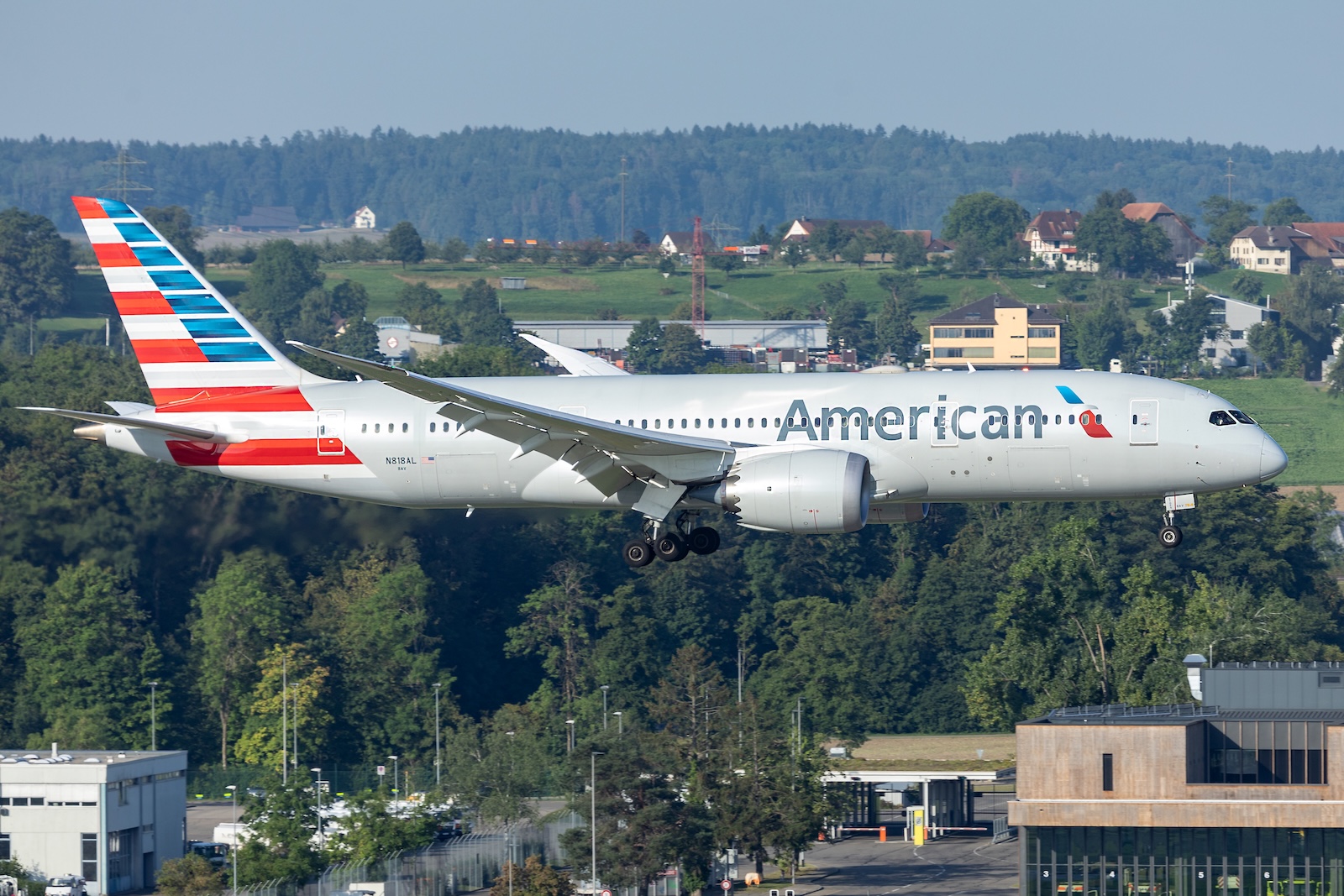


A merger involving United and American Airlines would create the undisputed largest airline in the world and shake up the U.S. air travel market, but industry experts believe such a deal would face incredibly long odds, even under the mainly deal-friendly Trump administration.
Bloomberg reported late Monday that United CEO Scott Kirby floated the idea of a linkup with American to President Donald Trump in February. He reportedly argued that the resulting airline would be more competitive in international markets.
Neither United nor American have commented on the story, and the White House has not weighed in. But the news has caused considerable speculation throughout the airline industry, mainly because United and American are already two of the largest airlines in the world, and a potential linkup could be the biggest ever for the sector.
According to figures from the Bureau of Transportation Statistics, United controls about 16.7% of the U.S. air travel market, while American holds 17.4%. A linkup would give the combined company a market share of just over 34%, a level of dominance not seen by any U.S. airline in years.
A post-merger carrier would have to rationalize its network and fleet, making it difficult to estimate its potential earnings per year or total number of aircraft. But executives would likely retain and capitalize on the strengths of each business – for United, its international long-haul routes, loyalty programs, and premium products, and for American, its comparatively younger fleet and dominance in the Caribbean and Latin America.
A merger would permanently end United and American’s battle for access at Chicago O’Hare. American is pursuing legal action over the allocation of gates at O’Hare, and both carriers are planning to ramp up operations there this summer in a bid to capture valuable market share.
In February, the FAA announced it would step in and order flight reductions to keep O’Hare from exceeding its capacity.
Officials would also have to hash out a new headquarters. United is famously based in Chicago, while American has its central office in Fort Worth, Texas.
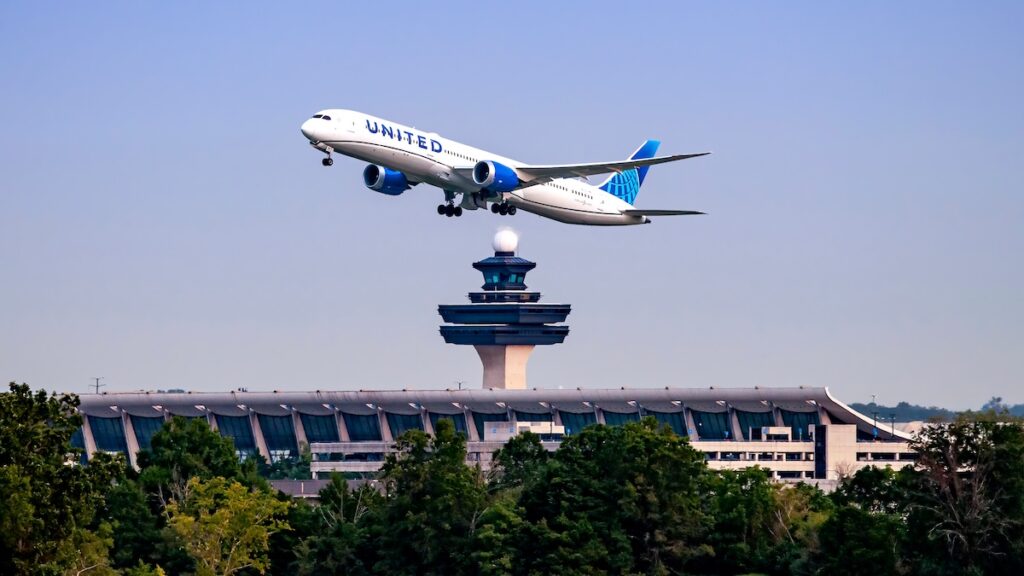
There could also be an indirect impact on a third airline, JetBlue. United and JetBlue announced their Blue Sky partnership last year, and the carriers are gradually integrating some aspects of their rewards programs and booking platforms. Critics of the alliance, including Spirit, argued to regulators that United is engaged in a de facto acquisition of JetBlue that could hurt competition and raise prices in the long term.
READ ON AIRLINEGEEKS: Transportation Secretary Says Admin Open to Airline Mergers
Regulatory Hurdles
Many experts believe a proposed United-American linkup would almost certainly be blocked by the U.S. Justice Department’s Antitrust Division, since regulators have intervened to stop much smaller linkups in the recent past, such as JetBlue’s failed acquisition of Spirit in 2024.
The federal government is usually most concerned with prices paid by consumers, which could rise as the industry becomes more concentrated and the incentive to compete with lower fares fades.
“This would be the biggest of all time,” George Hay, a law professor at Cornell University, told CNBC on Tuesday. “I can’t even see the slightest chance that a court would allow it.”
But U.S. Transportation Secretary Sean Duffy has indicated that the Trump administration is open to mergers in the airline industry, even if they involve the Big Four.
The president “loves to see big deals happen,” Duffy told CNBC’s Phil LeBeau.
But the secretary also noted that any merger would have to be evaluated for its potential effects on fares and competitiveness.
In a note, investment bank and financial services firm Jefferies said regulators would likely make United and American divest certain assets and rework their labor contracts before a deal could be approved.