











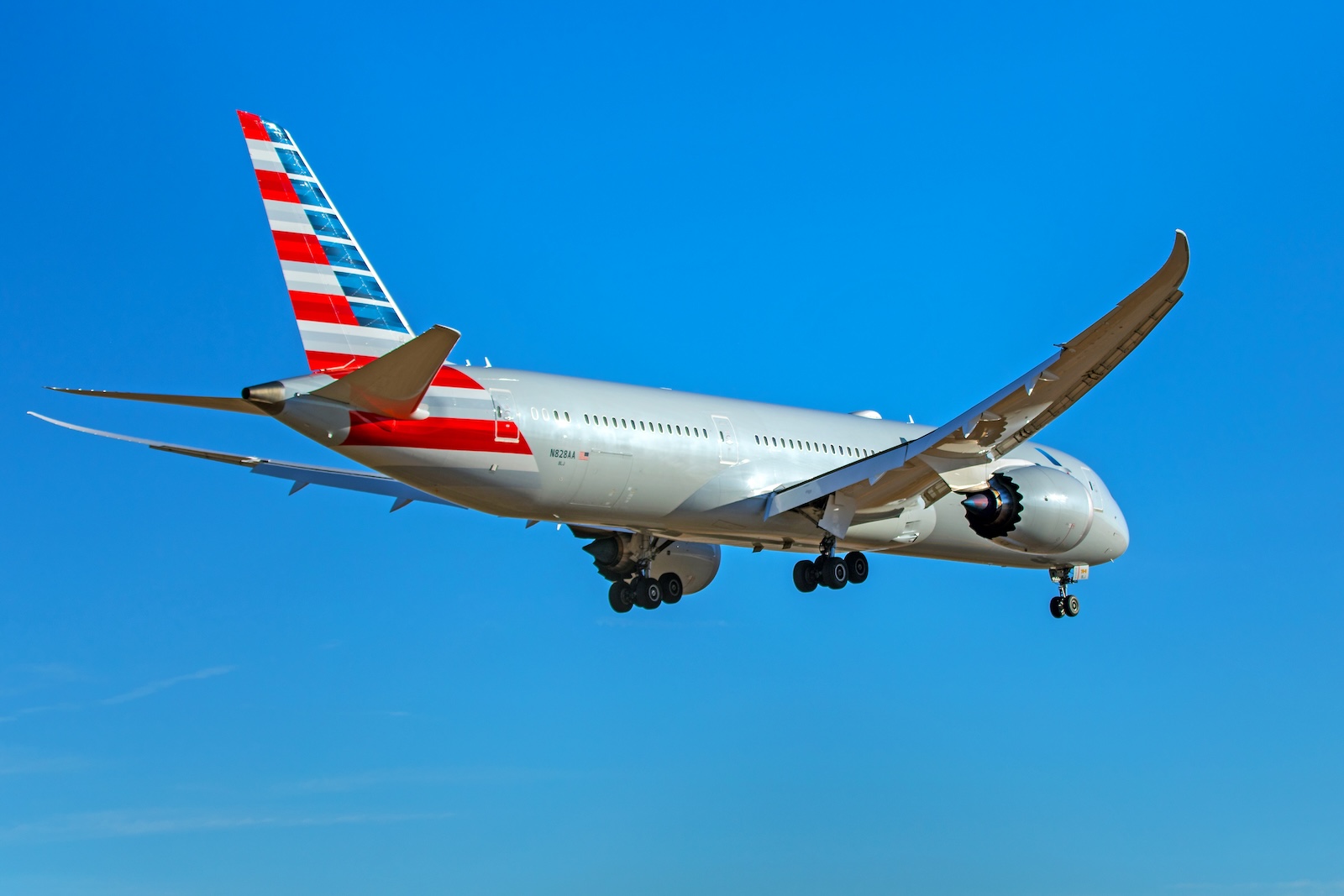


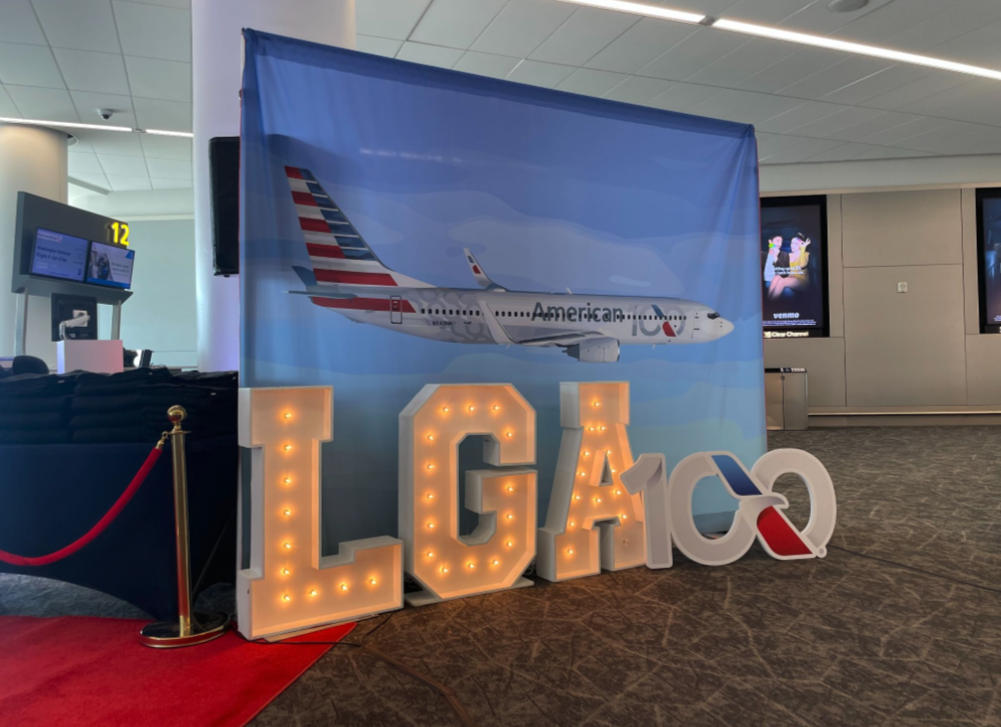
As American Airlines celebrates its centennial – commemorating its first flight back in 1926 – the carrier is equally focused on maintaining its relevance for another 100 years.
Passengers boarding the 100th scheduled flight at 11 American hub airports on April 15 were serenaded with DJ sets, mocktails, and goodie bags stuffed with neck pillows, candy, and other gifts.
Centennial-themed trading cards featuring the airline’s Airbus A321neo and Boeing 737-800, 777-300ER, and 787-9P aircraft – as well as special edition cards paying homage to its Douglas DC-3, Boeing 707-123, and McDonnell MD-80 fleets – were distributed to pilots to hand out to passengers.
A special “Flagship DFW” livery graces one of American’s 777-300ERs. Throughout April, customers can enjoy premium bites and cocktails at the airline’s Admirals Club and higher-end Flagship lounges.
“Not a lot of companies make it to ten years or 50 years, let alone 100 years, and we could not do it without the support of all of the team members and customers,” Heather Garboden, chief customer officer at American, said at LaGuardia Airport last week.
The atmosphere around American has not been entirely celebratory, however.
The airline canceled 2.2% of its flights in 2025, beating only JetBlue and Frontier and topping The Wall Street Journal’s annual scorecard. In January, Winter Storm Fern hit American harder than any U.S. airline, stranding thousands of travelers and forcing some of its pilots and flight attendants to sleep on airport floors.
More recently, the airline’s pilots union, flight attendants union, and four others have united against its leadership, citing profits that trail competitors. Flight attendants in February issued a vote of no confidence in CEO Robert Isom, while pilots in March demanded a meeting with the full board.
Earlier this month, United CEO Scott Kirby’s reported pitch to President Donald Trump – a merger between United and American – sent the carrier’s stock tumbling.
The past few months have been tumultuous for American. But with a new strategy to win over corporate and business customers with premium offerings such as lounges and Flagship seats, the airline is targeting a sixfold increase in revenue for 2026 that could help right the ship.
How American Got Here
American has one of the most storied histories of any airline, not just in the U.S. but worldwide.
The journey began in 1926, when a DH-4 biplane operated under Robinson Aircraft Corporation delivered a bag of mail from Chicago to St. Louis, Missouri. By 1930, Robinson and about 80 other small airlines had consolidated into the Aviation Corporation, which formed American Airlines predecessor American Airways. It officially became known as American Airlines in 1934.
The year before, American began operating the 18-passenger Curtiss Condor, which it billed as the world’s first complete sleeper plane. It also added flight attendants, called stewardesses at the time. Though it was comfortable and fast, the Condor was not cheap to operate.
One of the most critical moments in American’s history came in 1936, when it revolutionized the comfort, safety, and economics of air travel with the Douglas DC-3. C.R. Smith, its first CEO, was a catalyst behind the DC-3, persuading Douglas to develop it as a replacement for the Condor. The 21-seat aircraft flew short-haul routes between New York and Chicago. In 1937, it carried American’s millionth passenger.
The ensuing decades included many more firsts. In 1939, American opened the airline industry’s first airport lounge at LaGuardia. Five years later, it launched the industry’s first scheduled air cargo service out of the New York hub.
The 1940s saw the introduction of transatlantic flights and the fully pressurized DC-6, which opened up cross-country trips between New York and Los Angeles. It added the DC-7 in 1953, pioneering nonstop, transcontinental service.
American in 1957 was the first airline to fly jets coast-to-coast, with scheduled transcontinental service on the Boeing 707 cutting travel times by three hours and ushering in the Jet Age. That year, it also opened the industry’s first dedicated flight attendant training center.
A series of acquisitions in the 1970s – including Trans Caribbean Airways and AirCal – expanded American’s reach. It broke a barrier in 1973 when Bonnie Tiburzi Caputo became the industry’s first female pilot. The carrier in 1974 made its first flight into Dallas/Fort Worth International Airport, which would become its headquarters in 1979.
Dallas/Fort Worth was established as American’s inaugural hub in 1981, the year it launched the first frequent flyer program for a major airline. It expanded operations throughout the 1980s with hubs in Chicago and Miami and the introduction of its American Eagle regional network.
By 1991, American flew its billionth passenger.
Growing for the Future
In the 21st century, American has continued to expand.
In 2001, it acquired the assets of Trans World Airlines, one of the former “Big Four” domestic carriers. A 2013 merger with U.S. Airways created the world’s largest airline at the time and added hubs in Charlotte, North Carolina, and Philadelphia.
Today, American flies 700,000 daily customers to more than 350 global locations out of nine major hubs. Its Dallas/Fort Worth hub sees more than 930 peak daily departures on nonstop routes to more than 240 destinations, employing more than 37,000 personnel.
American customers have access to nearly 50 Admirals Club lounges, most in the U.S., and 120 partner lounges worldwide.
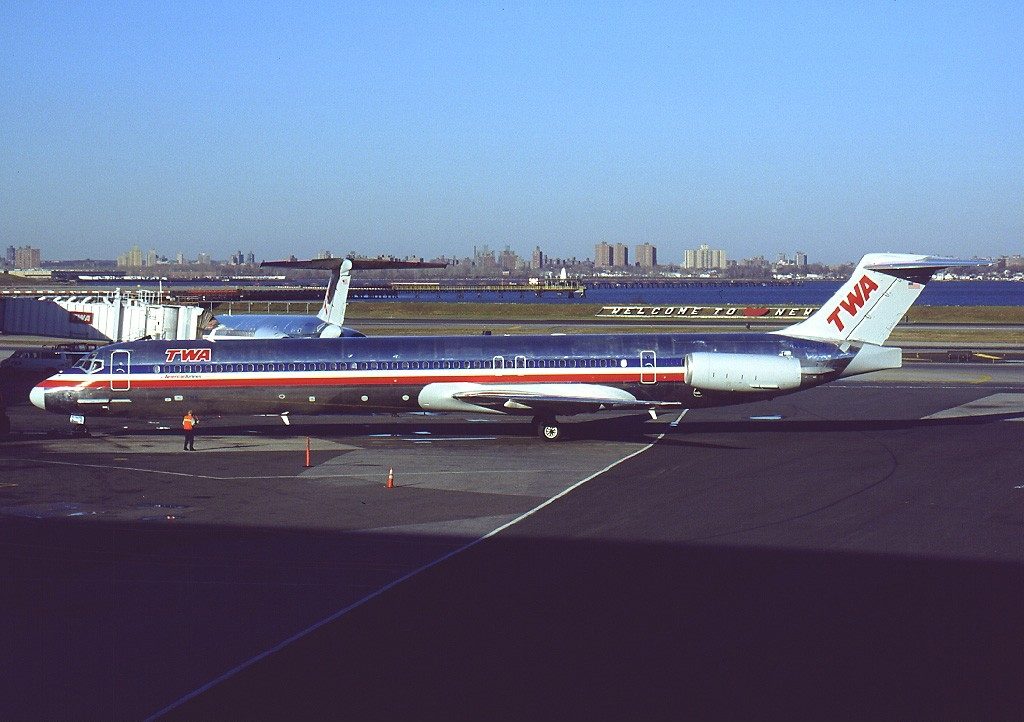
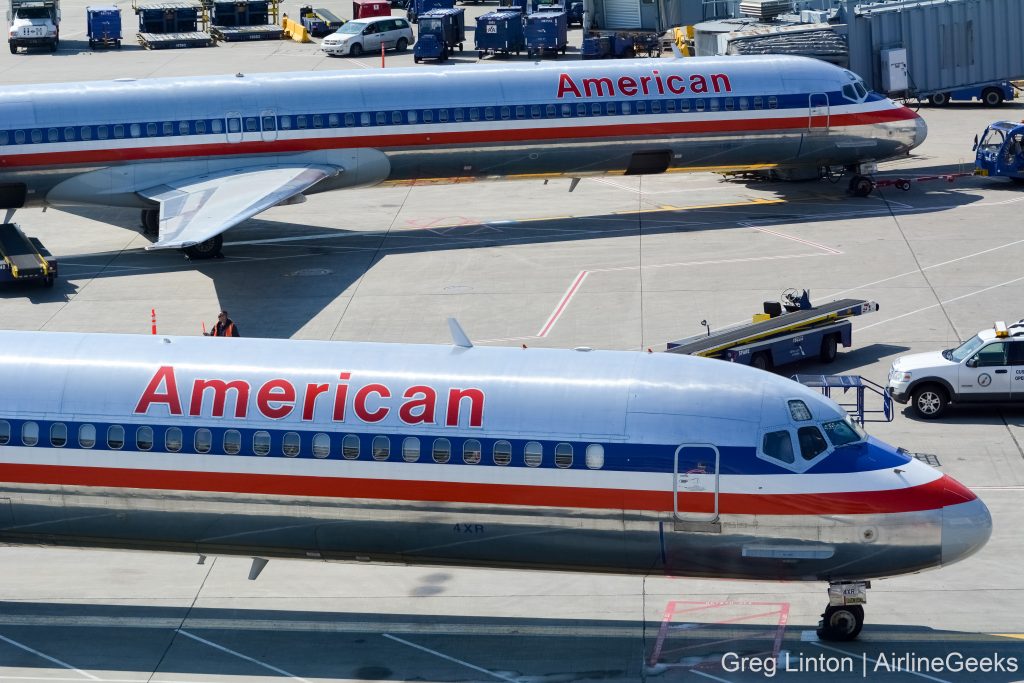
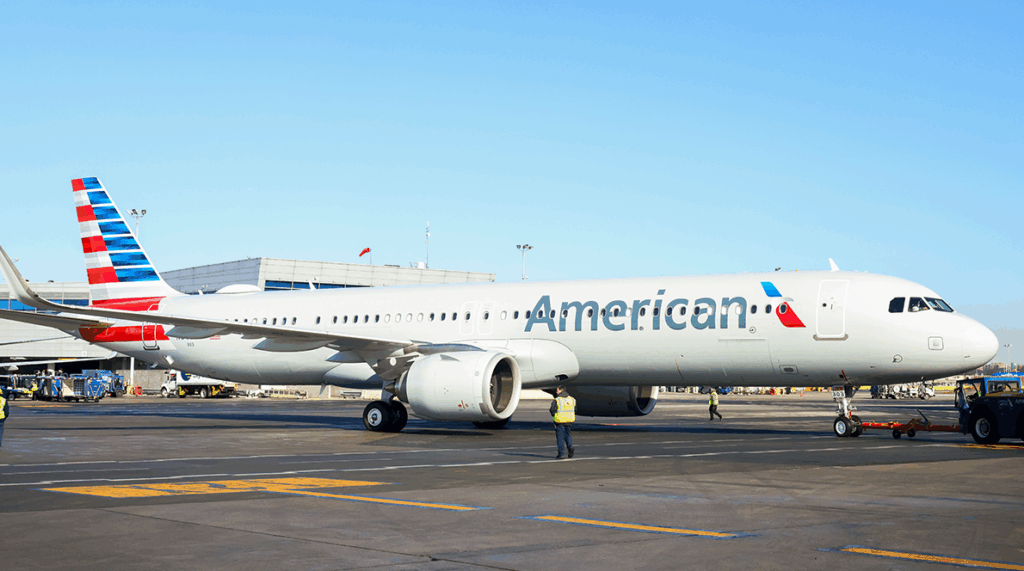
Improved airframes have helped the airline maintain its relevance. It phased out the last of its MD-80s – the workhorse of its fleet for 36 years – in 2019 for modern alternatives. Its 777-300ERs carry more than 300 passengers on routes extending as far as Los Angeles to Sydney, Australia, a far cry from the DC-3 days.
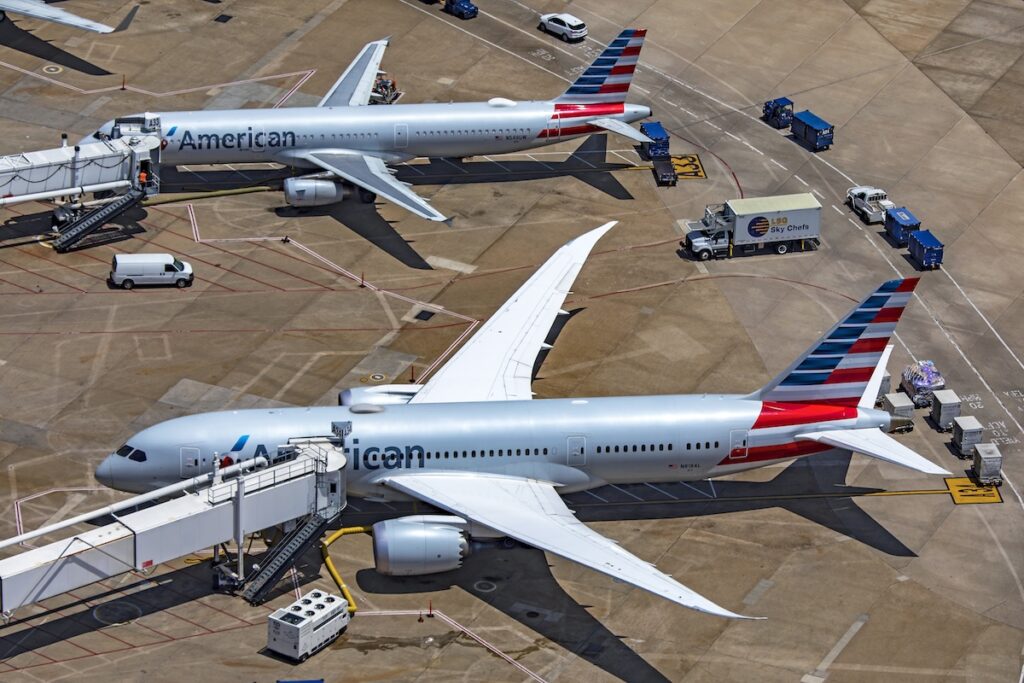
Passengers now have more premium options as well. In 2025, American debuted Flagship seats on its premium-configured 787-9s and A321XLRs, adding privacy doors, extra storage, Bluetooth connectivity, and new food and beverage options. In January, it launched free in-flight WiFi for most of its fleet.
The company also offers streamlined booking through its mobile app and on Wednesday expanded TSA Precheck Touchless ID for AAdvantage members at all of its hub airports.
American’s motto for its centennial is “Forever Forward,” which Garboden said “represents everything that we’ve done over the last 100 years to get here, but also as we think about the next one hundred years in everything that we have to do.” To that end, it plans to continue making upgrades.
In addition to new Boeing and Airbus aircraft with additional business class seats, the airline is seeking to add Vertical Aerospace’s Valo electric air taxi, Boom Supersonic’s quiet supersonic Overture, and other new entrants undergoing certification.
Garboden said the plan is to open several new lounges in the coming years after opening its sixth Flagship lounge in Philadelphia in 2025. Another is being built in Charlotte, while Admirals Clubs in locations such as Washington, D.C. are set for expansions and upgrades.
American is simultaneously undertaking a multiyear, multibillion-dollar modernization project at Dallas/Fort Worth. Earlier this month, it introduced a 13-bank schedule that it said has improved on-time and baggage performance.
The airline’s recent initiatives appear to be paying early dividends. It reported its first-quarter 2026 earnings on Thursday, recording record first-quarter revenue of $13.9 billion – up 11% year-over-year – and its lowest total debt level since 2015 as demand rose. Revenue from its premium units, it said, continued to outperform the main cabin.
“This revenue momentum is the result of focus on our four commercial priorities – elevating the customer experience, growing our global network, driving premium revenue, and leading in loyalty,” Isom said in a statement. “Demand for our product is growing, and our customer satisfaction scores are improving.”