











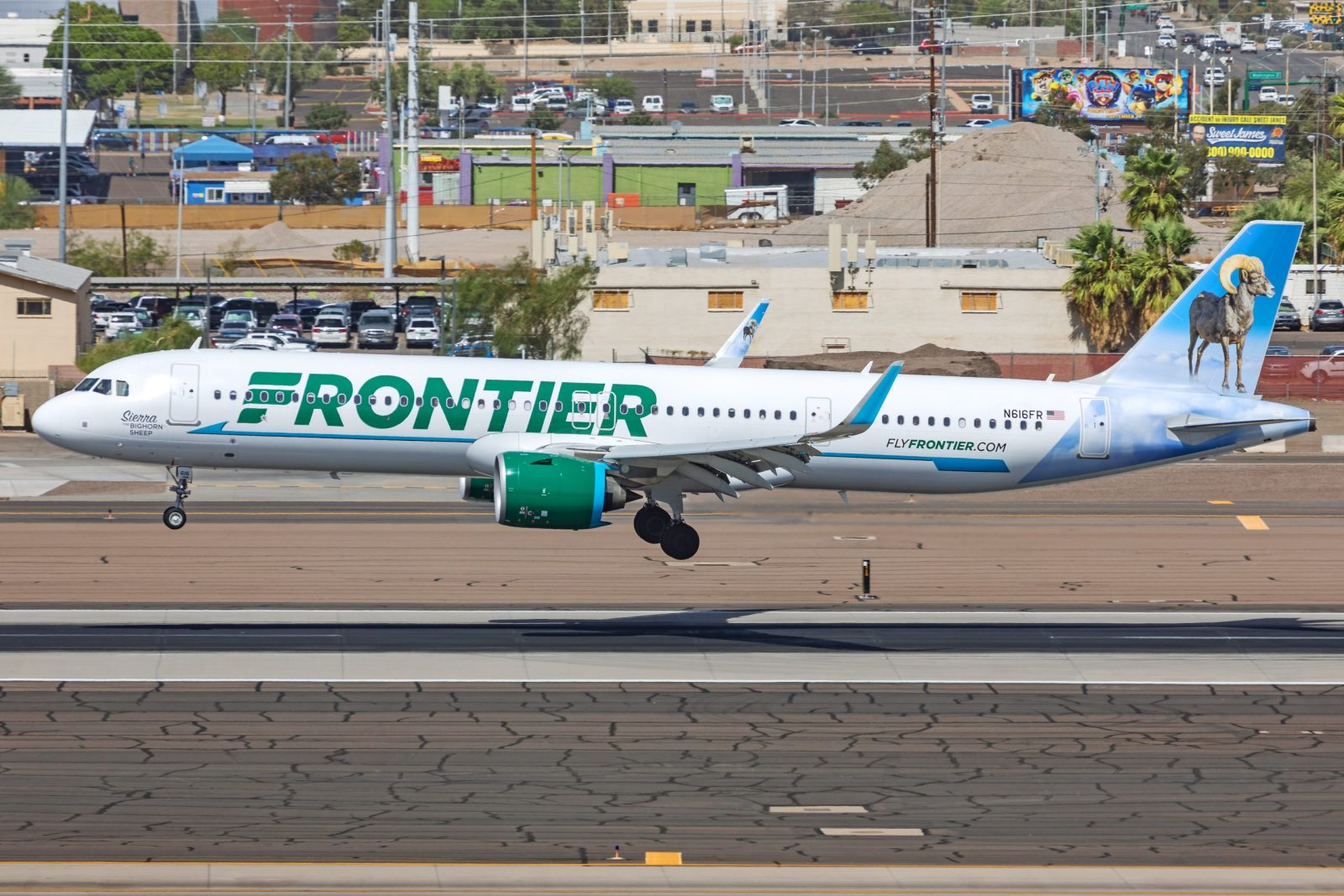

Denver International Airport could and should have done more to prevent a suicidal man from accessing a runway and walking in front of an accelerating Frontier Airlines jet earlier this year, a new lawsuit alleges.
The complaint, filed in Denver District Court on behalf of passengers and some crew members on the Frontier flight, holds the airport and two other businesses responsible for physical and mental injuries stemming from the May 8 incident. The plaintiffs cited exposure to smoke and engine fumes, injuries sustained during the runway strike and subsequent aborted takeoff and aircraft evacuation, and severe anxiety and post-traumatic stress. Some are too traumatized to board an airplane again, and have not flown since, the document states.
The lawsuit was reported by The Denver Post on Tuesday.
Among the 17 specific claims against the airport is one for wrongful death, for the May 16 death of passenger Silva Ermelinda De Cervantes. According to the complaint, De Cervantes died of smoke inhalation and exposure to toxic fumes.
The Post confirmed that De Cervantes died on May 16, but the Weld County Coroner’s Office declined to release her cause of death.
De Cervantes’ estate is represented in the filing, alongside the passengers and crew.
The plaintiffs are seeking “unspecified damages,” and did not provide a total dollar amount.
Michael Mott, 41, scaled an eight-foot fence topped by barbed wire on Denver International Airport’s outer perimeter, then walked to Runway 17L, where he was hit. The Frontier Airbus A321neo was departing for Los Angeles and had 231 people on board – 224 passengers and seven crew.
Twelve people on board the flight reported minor injuries, and five were hospitalized.
Denver’s medical examiner later ruled Mott’s death a suicide.
Attorneys for the plaintiffs argued that Mott would not have been able to enter the airport’s grounds if the perimeter was properly monitored and patrolled. Other people had broken into the property before, they said, and the May 8 incident was the sixth known intrusion since 2023.
DIA’s ground detection sensors did set off an alarm in the general area where Mott is believed to have jumped the fence, but the operator on duty attributed it to a herd of deer moving just outside the barrier.
Also named as defendants in the case are a behavioral health company that ran the facility where Mott was living at the time of his death; Covenant Aviation Security, a security contractor at Denver; and 20 unnamed employees of those companies.
The City of Denver, which owns and operates the airport, told the Post that while it considers the incident terrible and tragic, it is not legally responsible.
The behavioral health company and Covenant did not comment on the matter.
The FAA and NTSB are continuing to investigate the runway strike.