












Transportation Secretary Sean Duffy said Wednesday that he would be open to exploring a new passenger fee to help continually fund Federal Aviation Administration upgrades, pointing to the September 11 Security Fee as one possible model.
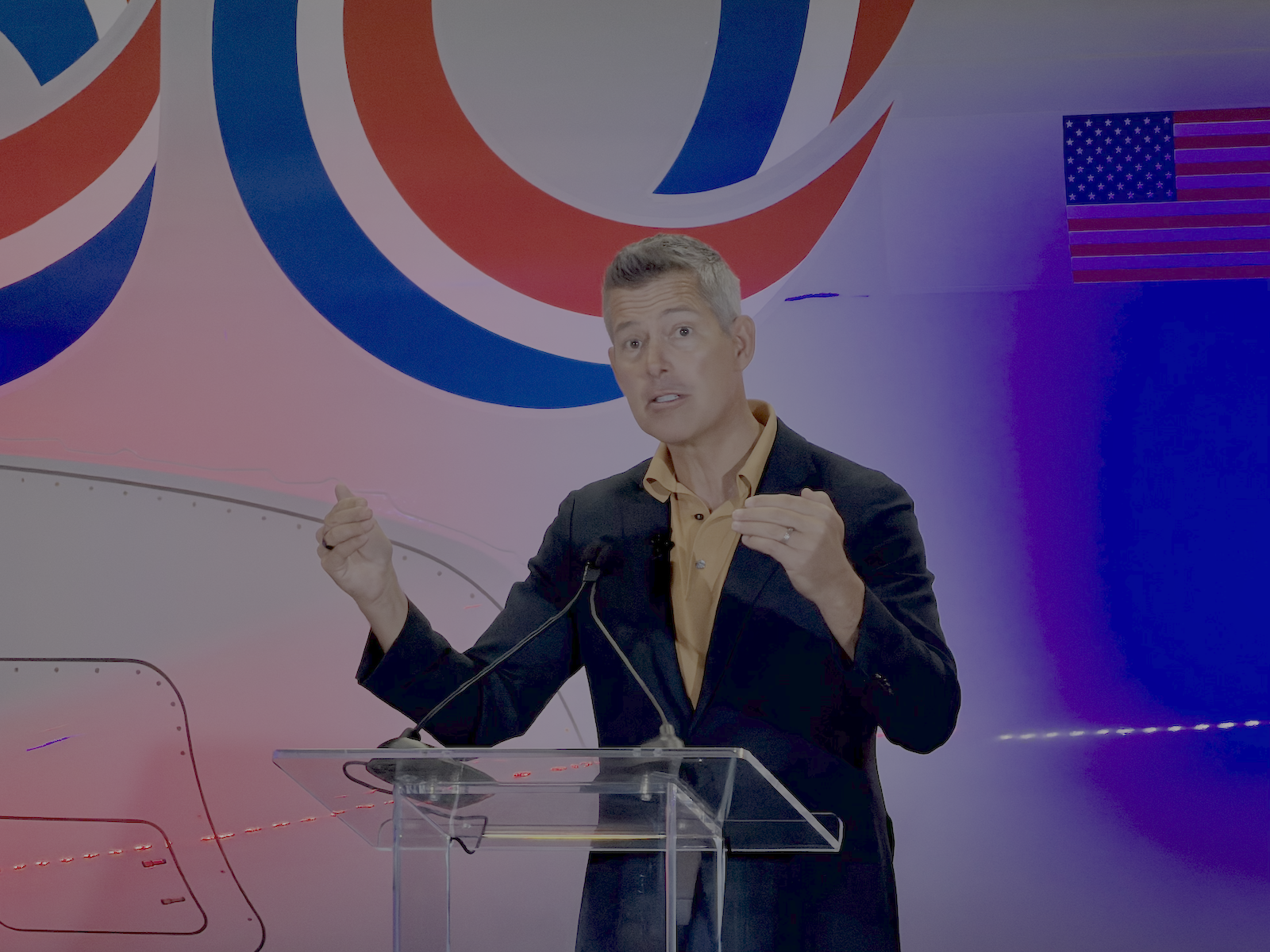
Speaking at a transportation safety conference hosted by American Airlines in Fort Worth, Texas, Duffy said the U.S. aviation system will need a more consistent way to pay for modernization efforts rather than relying solely on periodic congressional funding.
“I would welcome an opportunity to think through how [we could] have a small fee that went into us, and I want us to continually upgrade our systems,” he shared.
Duffy did not outline a formal proposal, a dollar amount, or a timeline for a potential fee. He framed the idea as one option for creating a dedicated revenue stream that could support long-term infrastructure investments.
The transportation chief compared the concept to the existing September 11 Security Fee, which is added to airline tickets and helps fund TSA operations. That fee is currently $5.60 per one-way trip originating at a U.S. airport, according to the agency.
“I’m not sure if Homeland Security has taken that now,” Duffy said, referring to the existing fee. “But maybe we want [it] — and maybe several object to that.”
Looking Beyond Congress
Duffy said a dedicated funding source could give the federal government a different way to finance major aviation projects, including potentially using capital markets and paying back investments over time.
“We go back, then go to the capital markets, and you can pre-fund [it], and then we have a revenue source to pay that back over time,” he said.
He also pointed to the challenges of relying on Congress for long-term aviation infrastructure planning.
“I don’t want to take away from Congress. I spent nine years in Congress. I love the body. I love the people there, but I don’t think you notice this, but sometimes it’s dysfunctional,” Duffy said. “Sometimes it doesn’t work well.”
Duffy said the goal is to avoid allowing the system to fall behind again after the current round of upgrades.
“What we don’t want is to hopefully — hopefully we’ll be successful — but on the backside, we wait another 30 or 40 or 50 years to keep the system up there,” he added.
Any new passenger fee would likely require congressional approval. Duffy did not say whether the administration would seek a new fee, redirect an existing charge, or make changes to the current FAA funding structure.