Some pilots at American are looking to make a change in unions. The airline’s roughly 16,000 pilots are currently represented by the Allied Pilots Association.
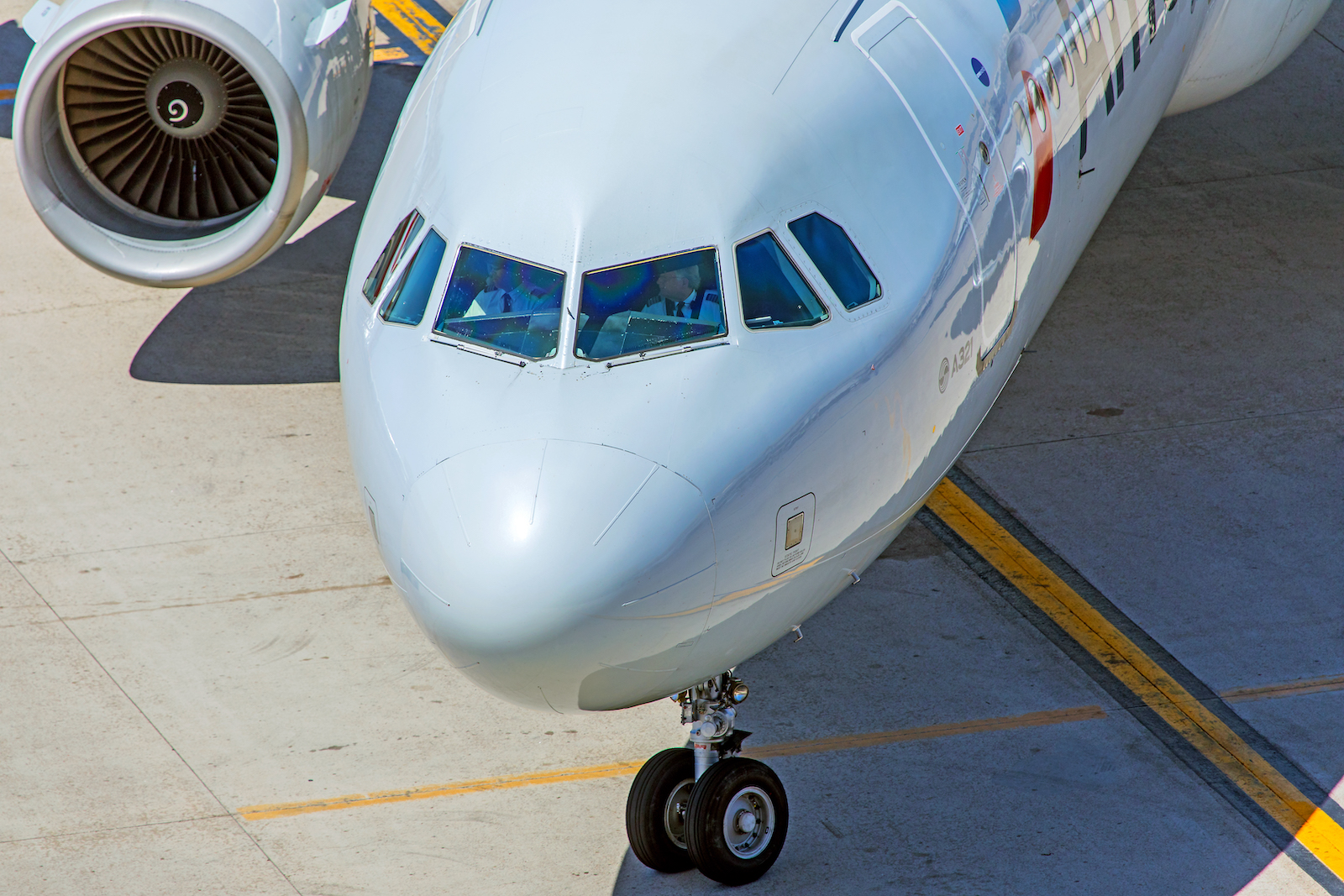
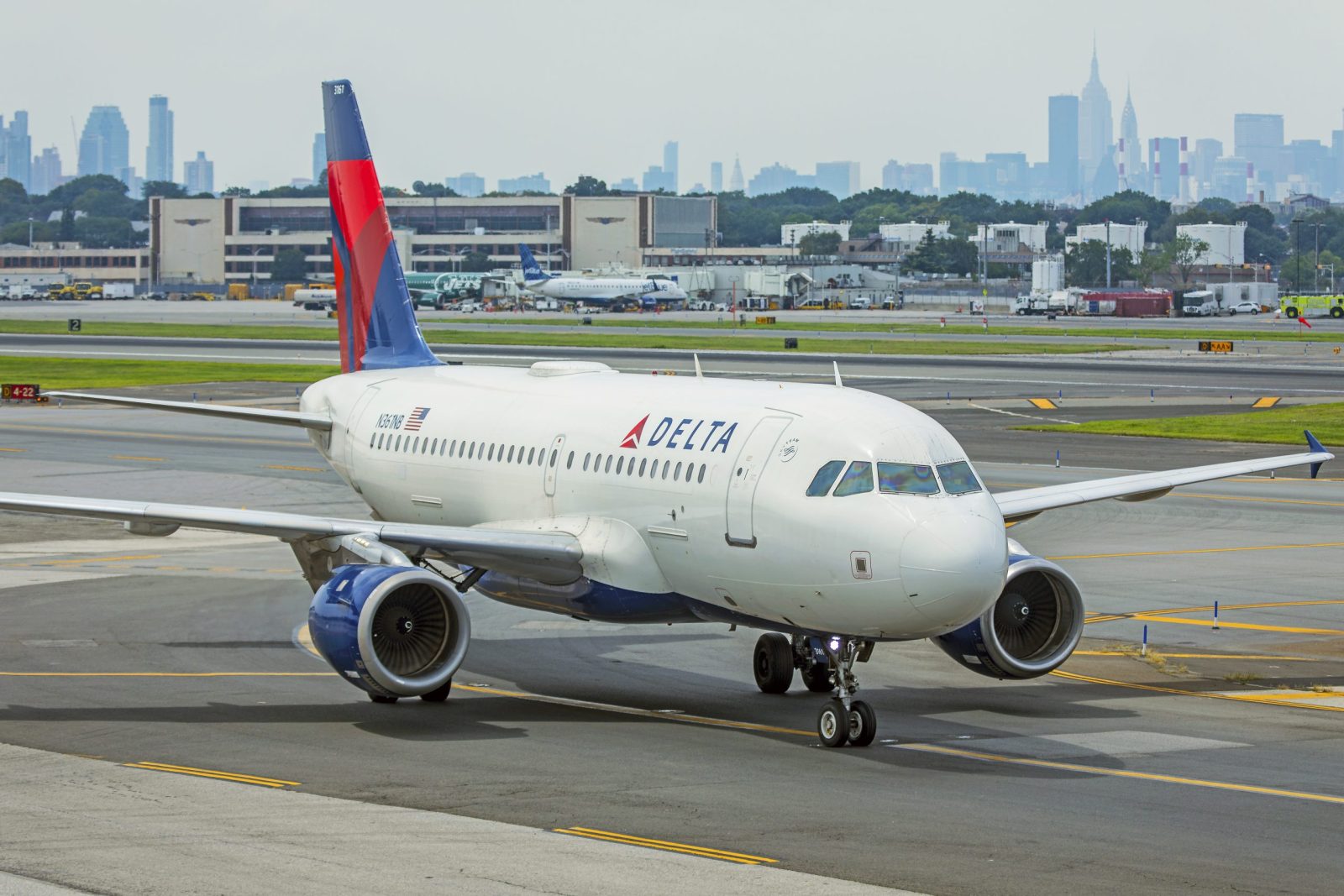
An American A321 in Phoenix (Photo: AirlineGeeks | William Derrickson)
Some pilots at American Airlines are looking to make a change in unions. The airline’s roughly 16,000 pilots are currently represented by the Allied Pilots Association (APA).
But 58% of pilots recently polled at the Fort Worth, Texas-based carrier say they “strongly” or “somewhat favor” a committee to explore a merger with the larger Air Line Pilots Association (ALPA).
ALPA represents pilots at most North American airlines, including Delta and United.
According to a recent APA memo, the University of New Hampshire Survey Center conducted 908 APA pilot interviews from Feb. 3 to Feb. 13. Roughly 25% of polled pilots said they are “firmly opposed to an ALPA merger, don’t want a committee or want to fund a committee, intrinsic opposition.”
The pollster briefed APA directors in late March on these results, adding that there was no “unanimous sentiment on either side of the question” regarding an ALPA merger. “You have a majority who want to go forward,” the memo stated, citing comments from the pollster.
The APA did not reply to AirlineGeeks’ request for comment on these results.
This push for a merger between the two unions is nothing new. Last year, a group called AA Pilots for ALPA told Forbes it collected 8,219 cards in support of the merger, roughly half of the total pilot group.
Ryan founded AirlineGeeks.com in February 2013 and has spent more than a decade covering the airline business. His work has been featured by CNN, WJLA, CNET, and Business Insider. His aviation experience spans airport operations, Part 135 regulatory compliance, and airline crew workforce planning, along with time behind the yoke of a Cessna 172 and interviews with airline executives. Ryan now serves as Group President of Firecrown Media’s Aviation Group. He holds a B.S. in Air Transportation Management and an MBA from Arizona State University and teaches Airline Management at Embry-Riddle Aeronautical University.
But the carrier’s Orlando, Florida, to London Heathrow route will not return next season, a Delta spokesperson told AirlineGeeks on Monday. The route was launched in October 2024 and ended for the winter season in March.
According to Cirium Diio schedule data, the airline initially planned to resume this service in October 2025. Flights operated four times per week on an Airbus A330-900neo.
Delta also links Orlando and Amsterdam with long-haul flights, which are currently slated to resume in October.
“Delta routinely adjusts its network to best meet demand. In Orlando, customers will continue to benefit from nonstop service to LHR through our Joint Venture partner, Virgin Atlantic, this winter,” the spokesperson added. “Delta will contact all impacted customers with new itineraries, and we apologize for any inconvenience that this may cause.”
Virgin Atlantic flies between London Heathrow twice per day. The carrier also connects the Florida city to Manchester, England, as well as Edinburgh, Scotland.
Ryan founded AirlineGeeks.com in February 2013 and has spent more than a decade covering the airline business. His work has been featured by CNN, WJLA, CNET, and Business Insider. His aviation experience spans airport operations, Part 135 regulatory compliance, and airline crew workforce planning, along with time behind the yoke of a Cessna 172 and interviews with airline executives. Ryan now serves as Group President of Firecrown Media’s Aviation Group. He holds a B.S. in Air Transportation Management and an MBA from Arizona State University and teaches Airline Management at Embry-Riddle Aeronautical University.
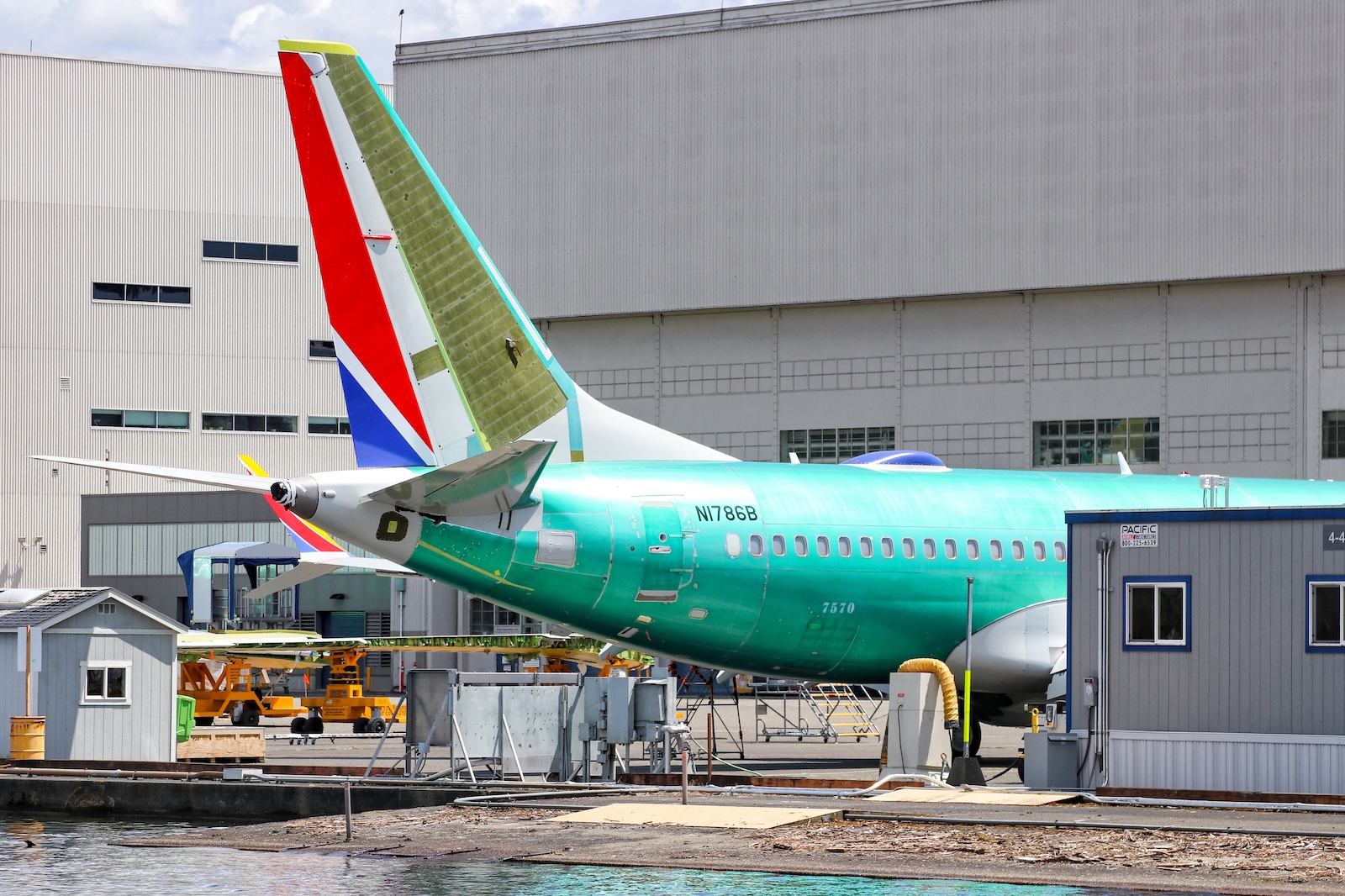
A Boeing 737 MAX tail in Renton (Photo: AirlineGeeks | Katie Zera)
Boeing has disputed a report claiming the company’s factory in Renton, Washington, had slowed 737 MAX production to 31 aircraft per month.
The Air Current report cited “those familiar with [Boeing’s] factory progress” stating the factory had pulled back its March production number down from 38 airplanes per month in February.
Boeing is currently capped at building 38 planes per month due to increased production scrutiny by the Federal Aviation Administration following a plethora of safety concerns last year.
On Tuesday, Boeing reportedly denied changes in production count for its best-selling 737 aircraft, according to Reuters.
A Boeing spokesperson said the program had not yet reached a rate of 38 aircraft per month so far this year, so production was not reduced. Boeing did not elaborate on how many aircraft it was producing per month.
“Our team continues to focus on production stability and quality as we methodically increase 737 production,” the spokesperson added in a statement.
AirlineGeeks.com was founded in February 2013 as a one-person blog in Washington D.C. Since then, we’ve grown to have 25+ active team members scattered across the globe. We are all here for the same reason: we love deep-diving into the fascinating realm of the airline industry.
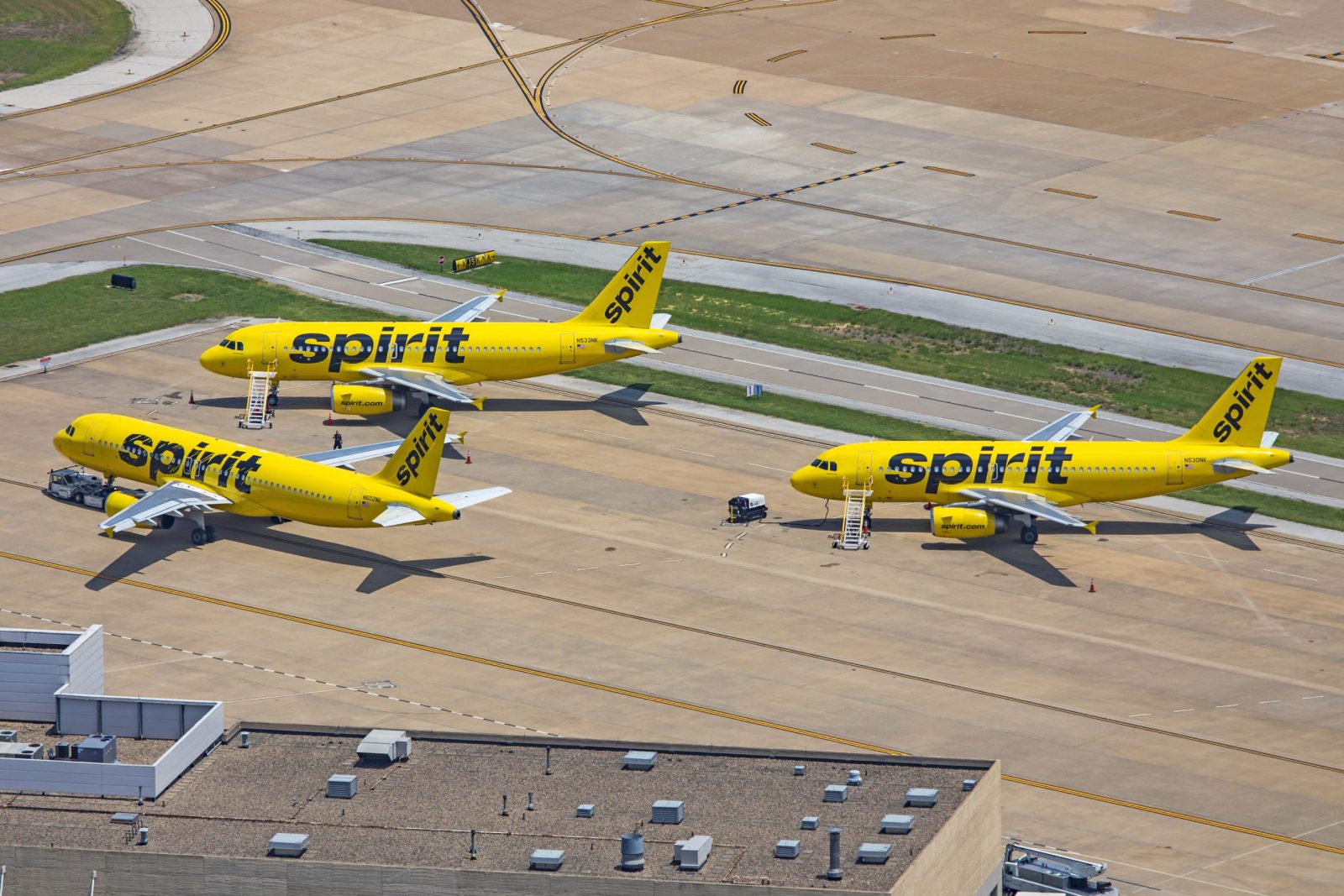
Christie, who has been with Spirit for 13 years and served as president and CEO, is stepping down from his roles and leaving the company’s Board of Directors, effective immediately. The Board is currently searching for a permanent replacement, an SEC filing from the carrier stated.
In the interim, Spirit has established an Office of the President to lead the company. This office consists of three senior executives:
Fred Cromer, Executive Vice President and Chief Financial Officer
John Bendoraitis, Executive Vice President and Chief Operating Officer
Thomas Canfield, Senior Vice President and General Counsel
Robert Milton, Spirit’s chairman, expressed gratitude for Christie’s leadership, adding in a news release: “Ted has seen a lot and done a lot during his tenure here, including navigating the Company through the COVID crisis and multiple strategic junctures, as well as most recently, a corporate restructuring.”
More Leadership Shake-Ups
The leadership changes extend beyond the CEO position. Matt Klein, executive vice president and chief commercial officer, is also leaving the airline. Klein will be succeeded by Rana Ghosh, who has been promoted to the same role.
Ghosh, who joined Spirit in 2015, previously served as senior vice president and chief transformation officer.
Ryan founded AirlineGeeks.com in February 2013 and has spent more than a decade covering the airline business. His work has been featured by CNN, WJLA, CNET, and Business Insider. His aviation experience spans airport operations, Part 135 regulatory compliance, and airline crew workforce planning, along with time behind the yoke of a Cessna 172 and interviews with airline executives. Ryan now serves as Group President of Firecrown Media’s Aviation Group. He holds a B.S. in Air Transportation Management and an MBA from Arizona State University and teaches Airline Management at Embry-Riddle Aeronautical University.
A Republic Airways Embraer jet (Photo: Shutterstock | Wirestock Creators)
Republic Airways and Mesa Airlines have agreed to merge in an all-stock transaction, forming what the companies describe as a leading publicly traded regional airline. The combined company will retain the name Republic Airways Holdings Inc. and is expected to trade on NASDAQ under the new ticker symbol “RJET.”
Currently, Republic operates on behalf of American, Delta, and United. Mesa exclusively flies under the United Express brand.
According to a news release, the new entity will operate approximately 310 aircraft, with more than 1,250 daily departures, and will maintain current operating bases and routes until the companies receive a single Federal Aviation Administration operating certificate.
Republic President and CEO Bryan Bedford will lead the combined company, which will retain Republic’s current executive team. The board of directors will consist of six members from Republic and one independent member from Mesa.
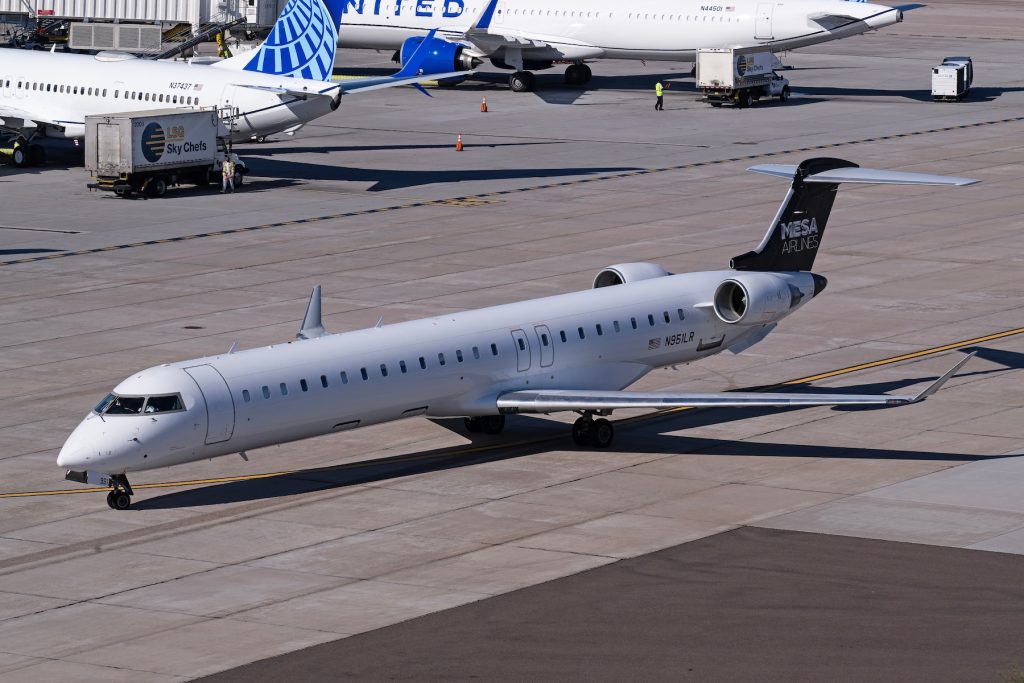
A Mesa Airlines CRJ-900 in Phoenix (Photo: Shutterstock | Robin Guess)
“We’re thrilled to combine the Republic and Mesa teams to create one of the world’s leading Embraer Jet operators,” said Bryan Bedford, Republic’s president and chief executive officer, in Monday’s release. “Republic and Mesa share a common mission to connect communities across America, and we believe that we can better achieve that mission together. With this combination, we are establishing a single, well-capitalized, public company that will benefit from the deep expertise of Republic and Mesa associates, creating value for all stakeholders well into the future.”
Under the terms of the agreement, Republic shareholders will own 88% of the combined company, while Mesa shareholders will receive between 6% and 12%, depending on pre-closing criteria. Mesa will not contribute any debt to the new company, and all outstanding obligations will be extinguished as part of the merger.
The merger has been approved unanimously by the boards of both companies and is expected to close in late Q3 or early Q4 of 2025, subject to regulatory and shareholder approvals.
Financially, the combined airline is projected to generate approximately $1.9 billion in revenue.
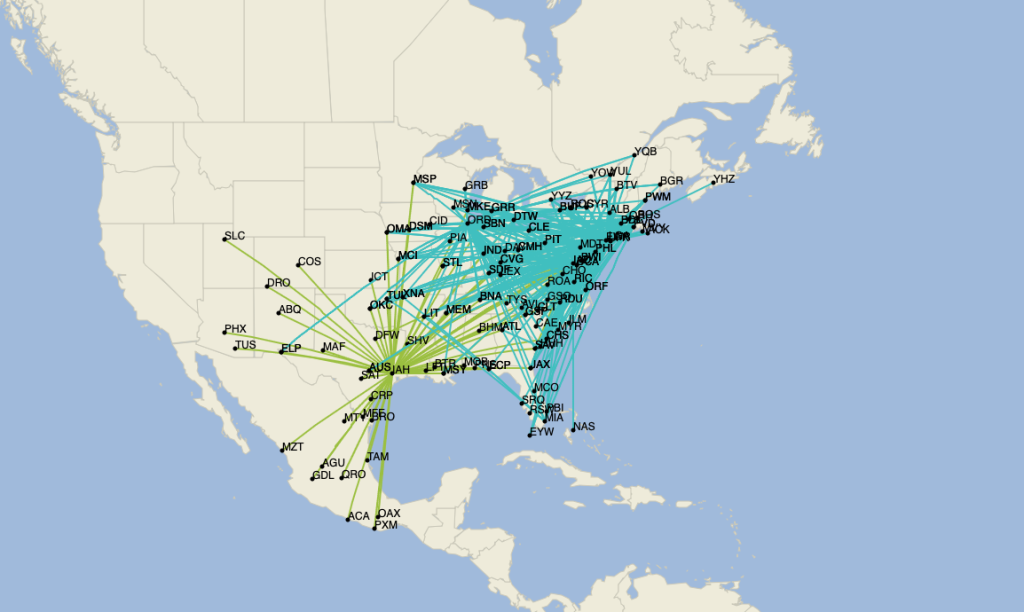
May 2025 scheduled Republic network (blue) and Mesa (green). (Photo: Cirium Diio)
Republic will continue operating under existing long-term capacity purchase agreements with American, Delta, and United. Mesa’s operations will support United under a new 10-year agreement.
The companies have stated that all flight crews, technicians, and other operational staff will be retained. With this new deal, Republic will become the U.S.’s second-largest regional carrier, just behind SkyWest.
Ryan founded AirlineGeeks.com in February 2013 and has spent more than a decade covering the airline business. His work has been featured by CNN, WJLA, CNET, and Business Insider. His aviation experience spans airport operations, Part 135 regulatory compliance, and airline crew workforce planning, along with time behind the yoke of a Cessna 172 and interviews with airline executives. Ryan now serves as Group President of Firecrown Media’s Aviation Group. He holds a B.S. in Air Transportation Management and an MBA from Arizona State University and teaches Airline Management at Embry-Riddle Aeronautical University.
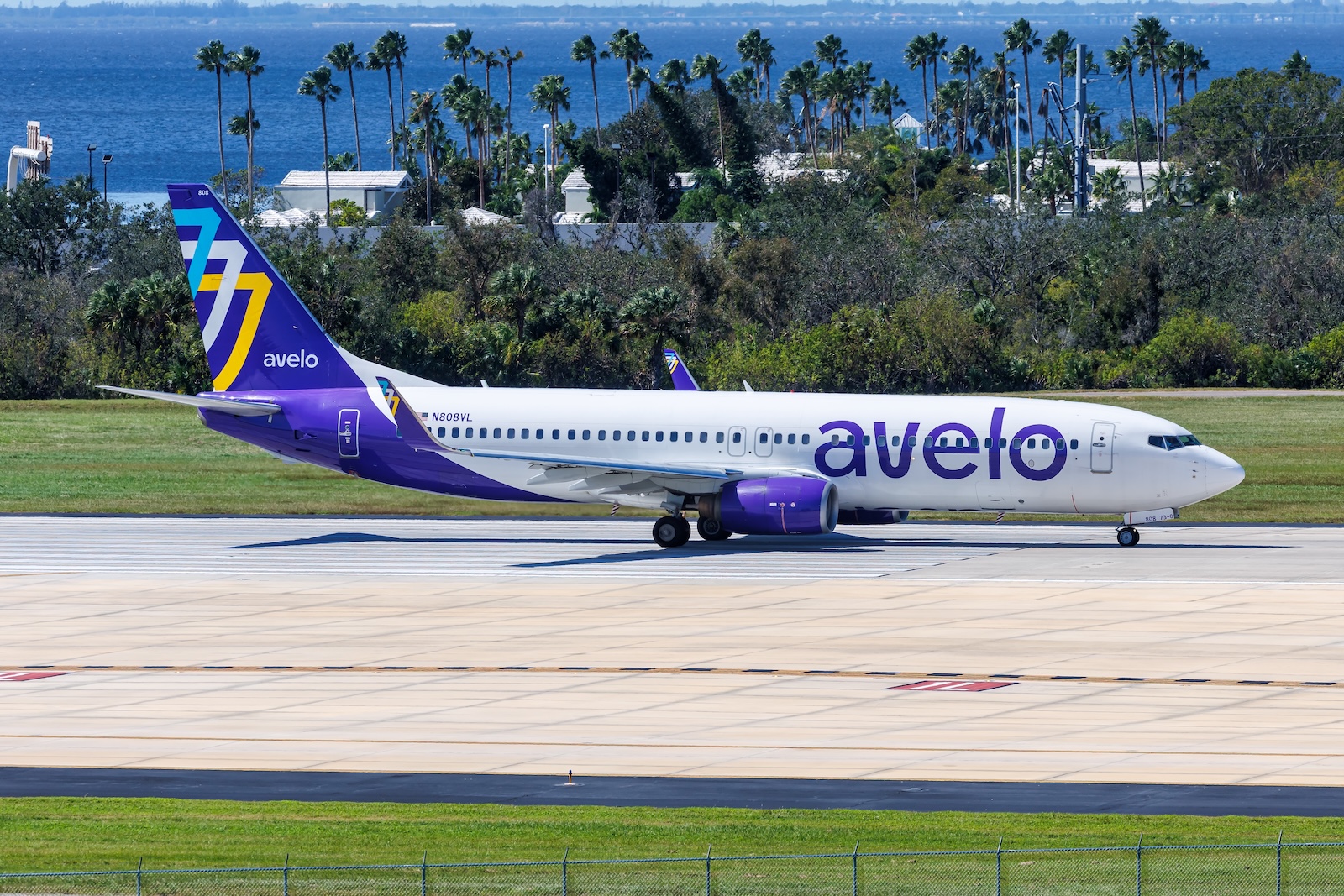
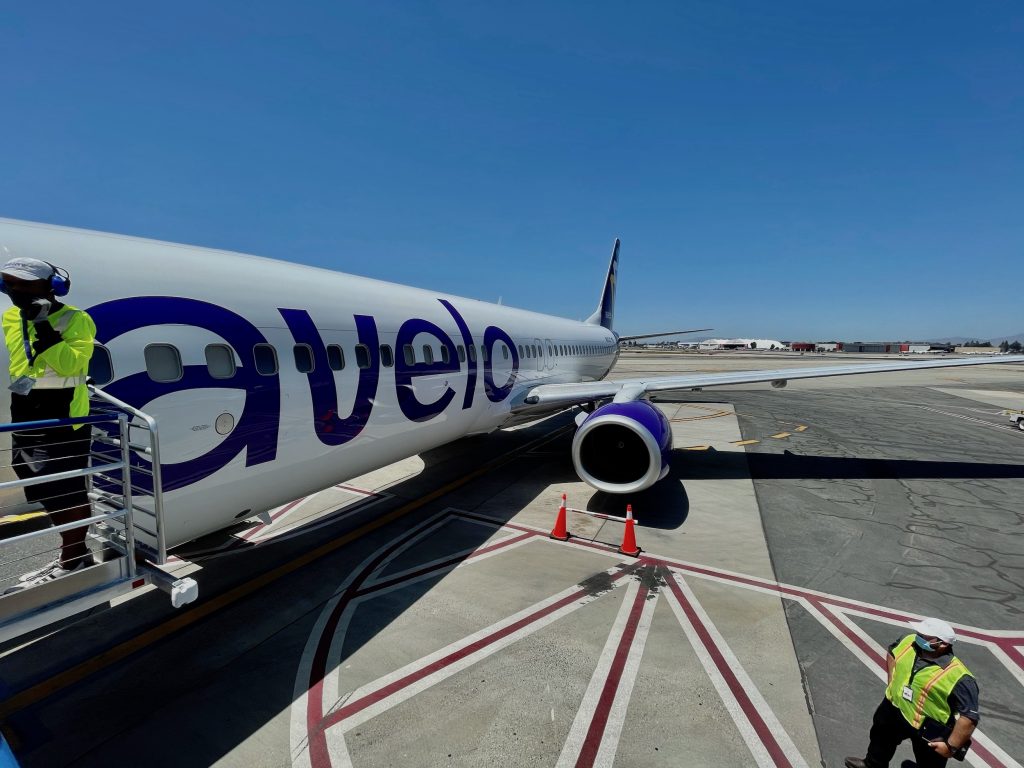
An Avelo Boeing 737-800. (Photo: Shutterstock | Markus Mainka)
Ultra-low-cost carrier Avelo will start operating deportation flights. The airline – which began service in 2021 – says it inked a new contract with Immigration and Customs Enforcement (ICE).
This agreement is for a “long-term charter program,” which will include three Boeing 737-800s based at Phoenix/Mesa Gateway Airport. “Flights will be both domestic and international to support the Department’s deportation efforts,” a company spokesperson told AirlineGeeks in a statement.
Avelo’s new ICE contract operations will launch on May 12. As part of this deal, the airline says it will open a pilot, flight attendant, and aircraft maintenance base at the Arizona airport. Local hiring for these positions will begin “immediately.”
Avelo’s 737-800 aircraft in Burbank (Photo: AirlineGeeks | Ryan Ewing)
“We realize this is a sensitive and complicated topic,” Avelo’s founder and CEO, Andrew Levy, said in a statement. “After significant deliberations, we determined this charter flying will provide us with the stability to continue expanding our core scheduled passenger service and keep our more than 1,100 Crewmembers employed for years to come.”
“ICE Air Operations is capable of facilitating the removal of alien nationals from any location in the continental United States to anywhere in the world via commercial airline or charter aircraft, ensuring their safe and humane return to their countries of origin,” stated Deputy Assistant Director for ICE Air Operations Katrina S. Kane.
Ryan founded AirlineGeeks.com in February 2013 and has spent more than a decade covering the airline business. His work has been featured by CNN, WJLA, CNET, and Business Insider. His aviation experience spans airport operations, Part 135 regulatory compliance, and airline crew workforce planning, along with time behind the yoke of a Cessna 172 and interviews with airline executives. Ryan now serves as Group President of Firecrown Media’s Aviation Group. He holds a B.S. in Air Transportation Management and an MBA from Arizona State University and teaches Airline Management at Embry-Riddle Aeronautical University.
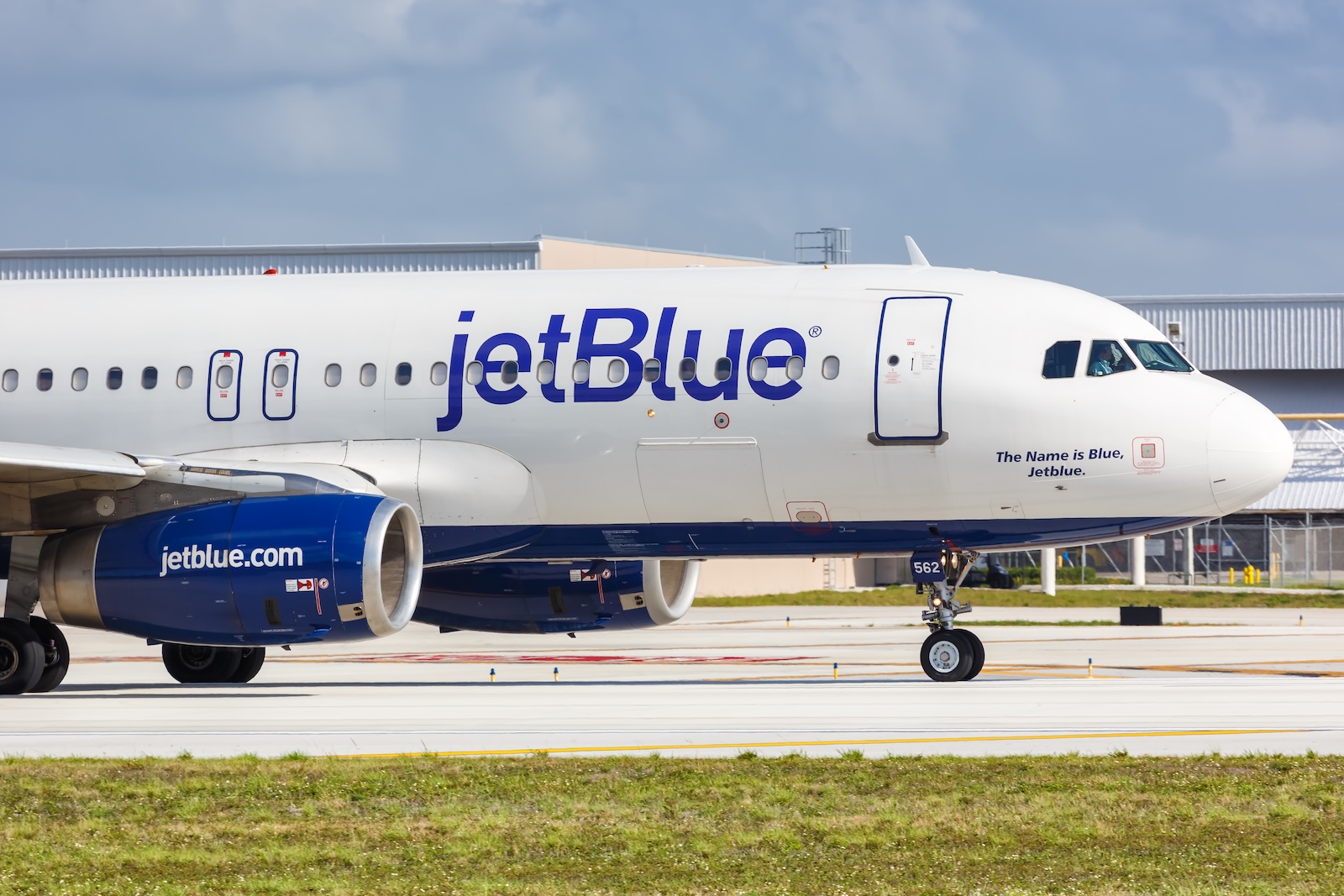
A JetBlue A320 aircraft. (Photo: Shutterstock | Markus Mainka)
Authorities have released the names of two teenagers found dead on a JetBlue aircraft at Fort Lauderdale-Hollywood International Airport earlier this year.
Flightradar24 data showed flight 1801 operated with registration N644JB and arrived from New York-JFK just after 11 p.m. local time on Jan. 6.
According to a Miami Herald report, the Broward County Sheriff’s Office confirmed the identities of both individuals on Thursday after “extensive DNA testing” as 18-year-old Jeik Aniluz Lusi and 16-year-old Elvis Borques Castillo of the Dominican Republic.
The report stated the same aircraft had flown to Puerto Plata, Dominican Republic a day prior to the bodies being found. How or why the two got into the plane’s landing gear remains unknown.
January’s incident came just after another body was found in one of the main wheel wells of a United Boeing 787-10 Dreamliner in December 2024.
AirlineGeeks reached out to the Broward County Sheriff’s Office for comment.
AirlineGeeks.com was founded in February 2013 as a one-person blog in Washington D.C. Since then, we’ve grown to have 25+ active team members scattered across the globe. We are all here for the same reason: we love deep-diving into the fascinating realm of the airline industry.
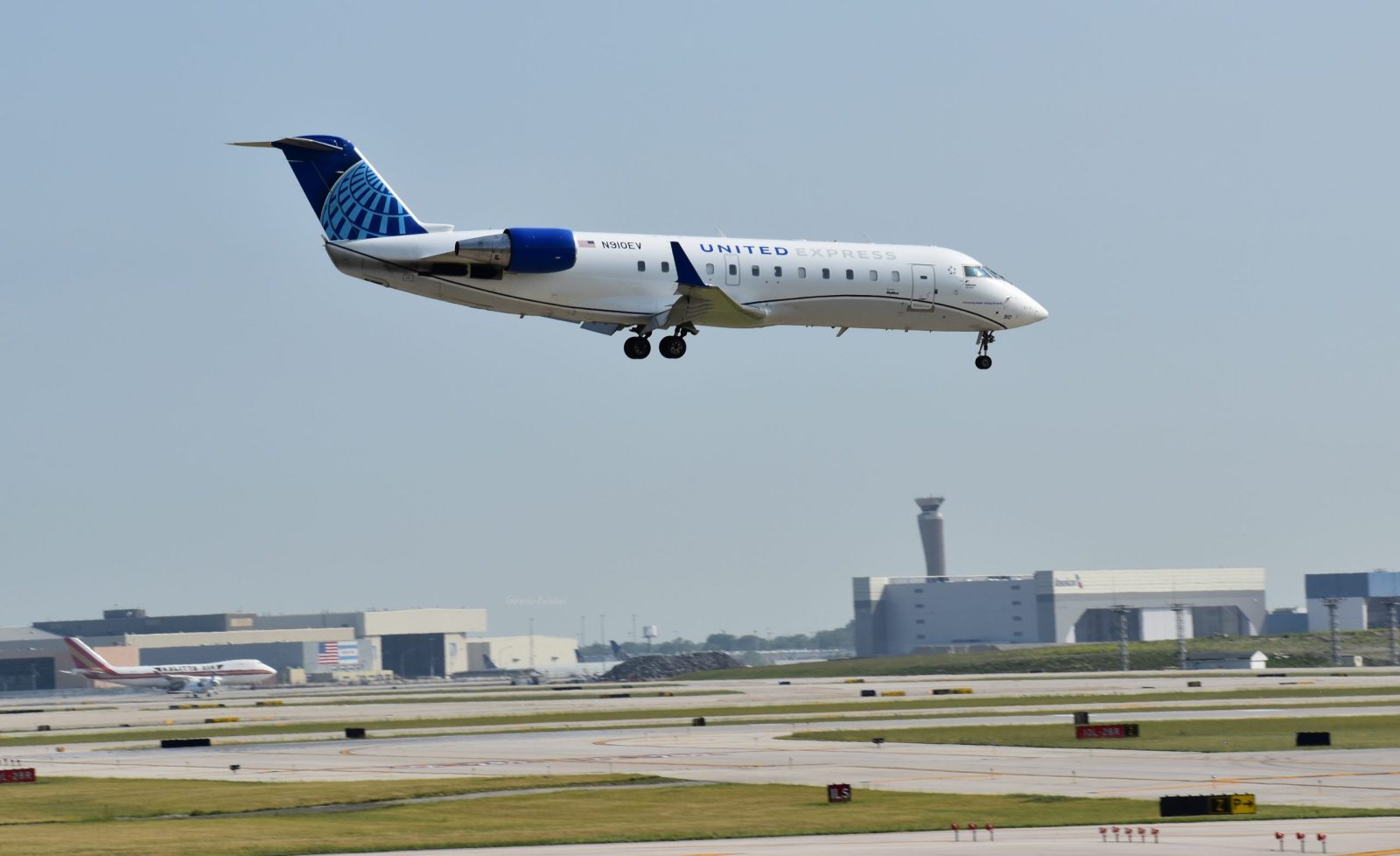
A United Express CRJ-200 arriving into Chicago O'Hare. (Photo: AirlineGeeks | Joey Gerardi)
One Indiana airport will see service from a major U.S. airline for the first time in decades. Purdue University Airport in Lafayette, Indiana, is set for a major upgrade from the Cessna Caravans currently serving it.
Purdue University – which owns the airport – has inked a two-year agreement with SkyWest Airlines to introduce daily United Express flights between Purdue University Airport and Chicago O’Hare, starting on Aug. 5. The service will utilize 50-seat CRJ-200 aircraft.
This development coincides with the opening of the new 9,400-square-foot Amelia Earhart Terminal at Purdue Airport on the same day. The terminal is designed to accommodate increased passenger traffic and support the expanded flight offering.
Cody Thomas, managing director of market development for SkyWest, stated that the new route will provide travelers with improved access to United’s global network. Jessica Robertson, Purdue’s associate vice president for auxiliary services, highlighted that the agreement addresses current operational needs and sets the stage for future growth in flight options and destinations.
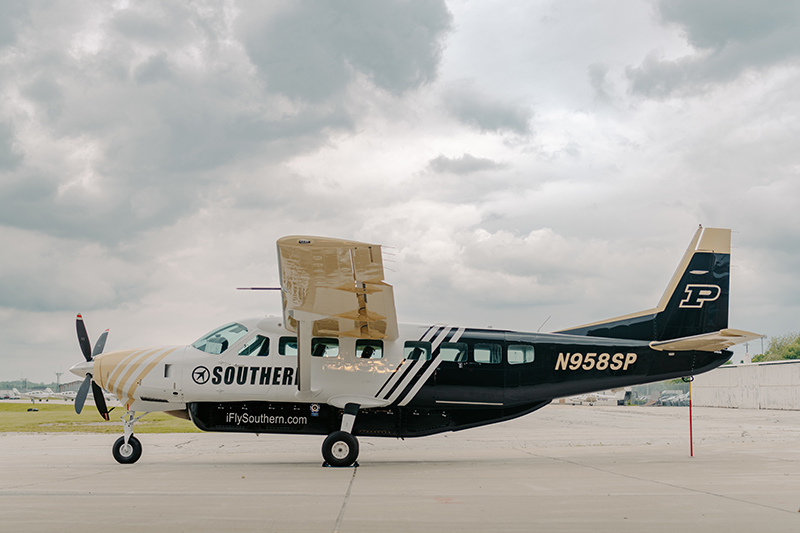
Southern Airways Express’ new Purdue University livery (Photo: Purdue University)
Purdue University Airport has seen a mixed bag of airlines over the years, including regional turboprop flights from American, Delta, and United. Lake Central Airlines was the first carrier to serve the airport in the 1950s.
Ryan founded AirlineGeeks.com in February 2013 and has spent more than a decade covering the airline business. His work has been featured by CNN, WJLA, CNET, and Business Insider. His aviation experience spans airport operations, Part 135 regulatory compliance, and airline crew workforce planning, along with time behind the yoke of a Cessna 172 and interviews with airline executives. Ryan now serves as Group President of Firecrown Media’s Aviation Group. He holds a B.S. in Air Transportation Management and an MBA from Arizona State University and teaches Airline Management at Embry-Riddle Aeronautical University.
A Delta Airbus A319. (Photo: AirlineGeeks | William Derrickson)
Delta has announced its largest-ever winter schedule to Latin America and the Caribbean for the 2025-2026 season, including two new destinations and multiple new routes from cities across the United States.
New Routes
The airline will launch new nonstop service from Atlanta to two Eastern Caribbean destinations: St. Vincent and the Grenadines and Grenada. Both routes will operate daily from Dec. 20, 2025, through April 12, 2026. Boeing 737-800s will service these new markets.
Additionally, from Austin, Texas, the airline is introducing a daily holiday season route to San Jose del Cabo, Mexico, from Dec. 20, 2025, to Jan. 5, 2026.
Other new seasonal Saturday-only routes include service to Cancun, Mexico, from Nashville, Tennessee; Kansas City, Missouri; and Indianapolis, and to San Juan, Puerto Rico, from Raleigh-Durham, North Carolina.
The airline will also add a weekly flight from its Minneapolis hub to Nassau, along with Detroit to Grand Cayman. All of these routes are scheduled to operate from Dec. 20, 2025, to April 12, 2026.
From Dec. 20 to Jan. 5, the carrier plans to add a new daily flight from Boston to St. Thomas. These new routes, an airline spokesperson said, will be operated by a mix of Boeing 737-800 and -900ER, as well as Airbus A321 aircraft.
Additional Frequencies
Delta is increasing capacity on several routes. In Atlanta, daily service to Punta Cana, Dominican Republic, will increase from three to four flights per day from Jan. 6 to April 12, 2026.
From Detroit, flights to Cancun will increase from three to four daily. Nassau will also go from once weekly to daily.
Other increases include an additional daily flight from New York-JFK to Cancun (from two to three daily), from Los Angeles to Cancun (from one to two daily between Dec. 20, 2025, and Jan. 5, 2026), and from Boston to Cancun (from one to two daily during the same holiday period).
Ryan founded AirlineGeeks.com in February 2013 and has spent more than a decade covering the airline business. His work has been featured by CNN, WJLA, CNET, and Business Insider. His aviation experience spans airport operations, Part 135 regulatory compliance, and airline crew workforce planning, along with time behind the yoke of a Cessna 172 and interviews with airline executives. Ryan now serves as Group President of Firecrown Media’s Aviation Group. He holds a B.S. in Air Transportation Management and an MBA from Arizona State University and teaches Airline Management at Embry-Riddle Aeronautical University.
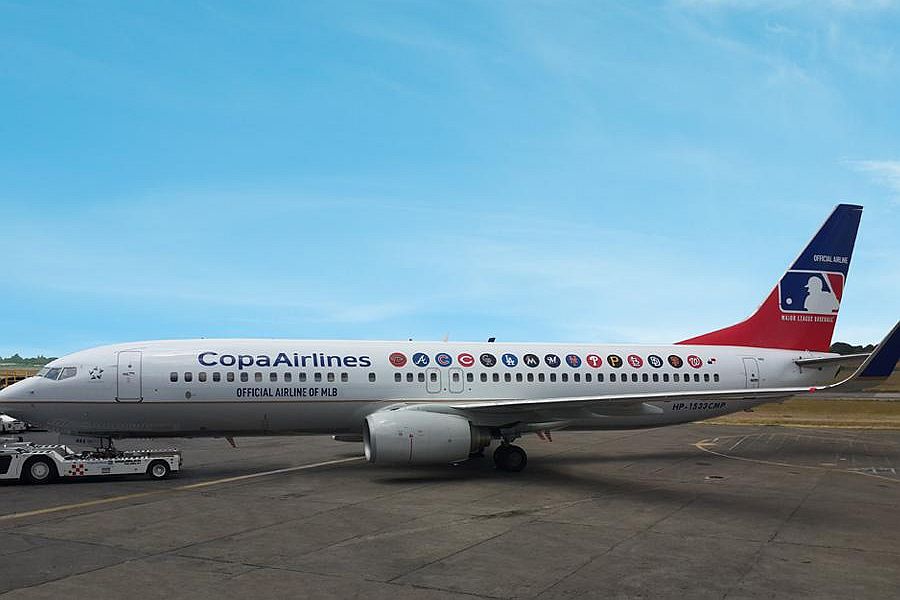
Copa Airlines Boeing 737-800 in a special MLB livery (Photo | X @CopaAirlines)
Editor’s Note: AirlineGeeks is proud to present our ‘Livery of the Week’ series. Every Friday, a team member will share an airline livery, which can be from the past, present, or even a special scheme. Some airline liveries are works of art. The complexity associated with painting around critical flight components and the added weight requires outside-the-box thinking from designers. The average airliner can cost upwards of $200,000 to repaint, creating a separate aircraft repainting industry as a result.
Have an idea for a livery that we should highlight? Drop us a line.
The beginning of April in the U.S. is also the beginning of the baseball season: the Major League Baseball regular season traditionally runs from the start of April to the end of September, with the subsequent month of October dedicated to playoffs.
With 30 teams scattered across the United States (and Canada, with one team based in Toronto) scheduled to play 162 games each in less than six months, aviation is a key component of the world’s most famous baseball league as all teams criss-cross the North American continent, usually in chartered aircraft, to earn a spot in the playoffs.
Tail of Copa Airlines Boeing 737-800 aircraft in special MLB livery (Photo | X @CopaAirlines)
But the popularity of MLB is not limited to the U.S. and Canada. In 2015, Panama-based Copa reached an agreement to be considered the “official airline of Major League Baseball.”
To celebrate the event, the carrier from Central America painted one of its Boeing 737-800 aircraft in a special livery with all the logos of MLB Teams lined up on the fuselage.
Fifteen logos on one side of the fuselage, fifteen on the other, with the tailfin displaying the official MLB logo, the Boeing 737-800 aircraft with registration HP-1533CMP showcased all the teams playing in the league and proudly displayed the sentence “Official airline of the MLB” on the front section of the plane, both in English and Spanish.
Looking for a new airplane model? Head over to our friends at the Midwest Model Store for a wide selection of airlines and liveries.
Vanni fell in love with commercial aviation during his undergraduate studies in Statistics at the University of Bologna, when he prepared his thesis on the effects of deregulation on the U.S. and European aviation markets. Then he pursued his passion further by obtaining a Master’s Degree in Air Transport Management at Cranfield University in the U.K. followed by holding several management positions at various start-up carriers in Europe (Jet2, SkyEurope, Silverjet). After moving to Canada, he was Business Development Manager for IATA for nine years before turning to his other passion: sports writing.
Sign-up for newsletters & special offers!
Get the latest stories & special offers delivered directly to your inbox