










Stories

Condor Shakes Up North America Network

Condor released its summer schedule for North America, which includes 12 destinations throughout the U.S. and Canada this year.

Condor A330
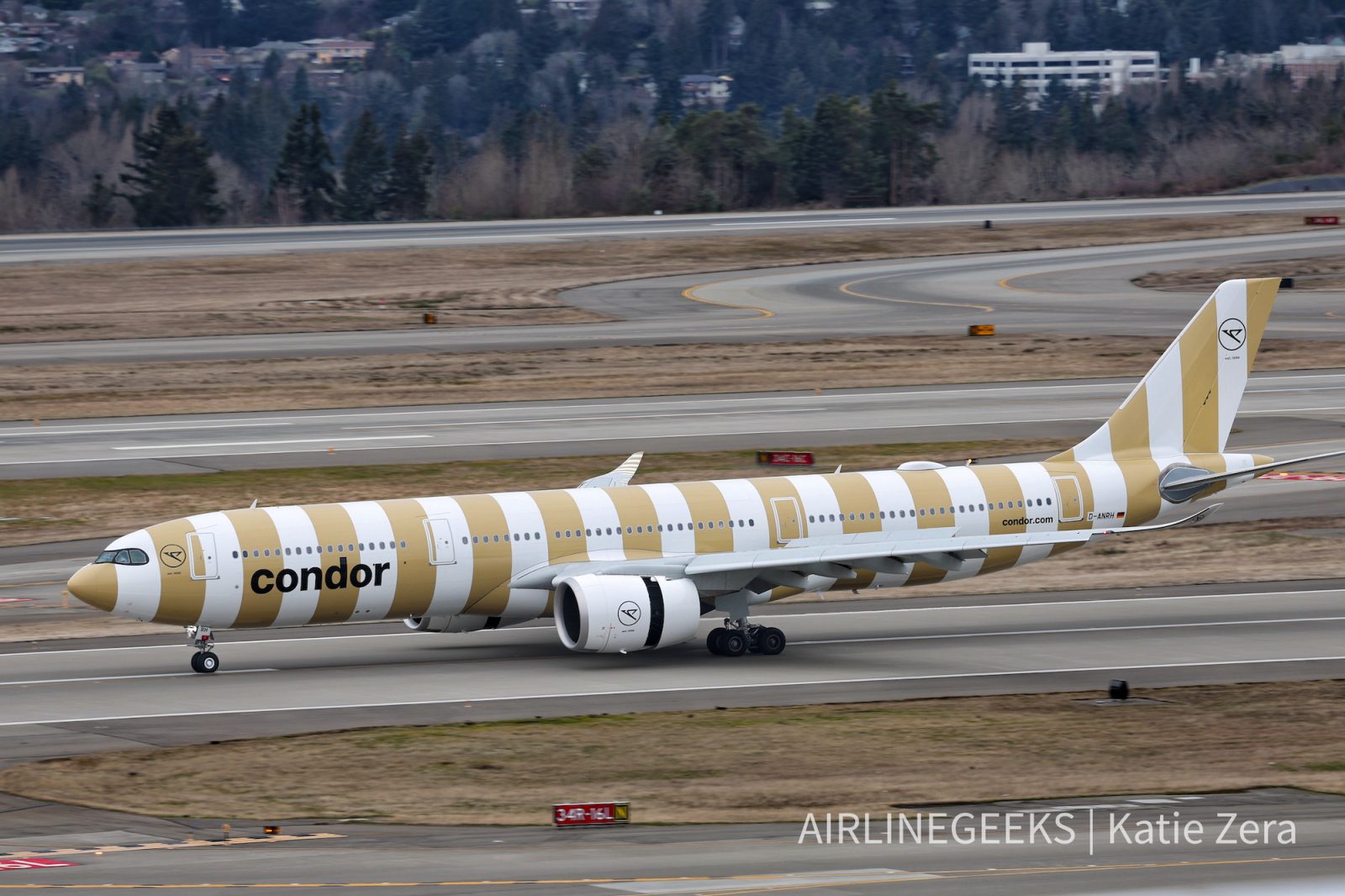
A Condor A330neo in Seattle. (Photo: AirlineGeeks | Katie Zera)

Condor released its summer schedule for North America, which includes 12 destinations throughout the U.S. and Canada. 

The German leisure airline is known for operating to a wide variety of destinations and routes, including two unique markets in North America, however, one of them will not operate in this year’s schedule.

Condor’s Unique Northern Cities

The first one, which will indeed operate for this season, is Anchorage in Alaska. Condor operates one of the state’s only nonstop flights to Europe with service three times a week on board the Airbus A330-900neo aircraft.

Anchorage and Frankfurt are nine time zones apart from each other, and with the westbound flight being roughly nine hours in scheduled length, there is a good chance it will land before taking off in each city’s local time. 

The other unique flight the carrier operated in the past won’t be happening this season; Whitehorse in Canada’s Yukon Territory. Condor used to fly here with its Boeing 767-300 but they have since retired the aircraft type from its fleet as of March 2024.

The airline used to operate this route from Frankfurt, but currently, Whitehorse’s main runway is being repaved and is expected to be completed sometime in 2026.

The airport’s secondary runway is too short to accommodate the airline’s Airbus A330. However, according to an email from the Yukon government to CBC, “even once the runway is repaved, the airport may not be able to accommodate the Airbuses that Condor will be flying.”

Condor passengers wishing to go to Whitehorse can still go, but will now have to connect through Condor’s other western gateways in Canada, like Vancouver and Calgary.

Summer Schedule Additions

In addition to Vancouver and Calgary in Canada’s west, Condor also flies daily to Toronto, which is a year-round destination. Along with Toronto, other year-round destinations for Condor in North America include New York-JFK, as well as Miami and Seattle.
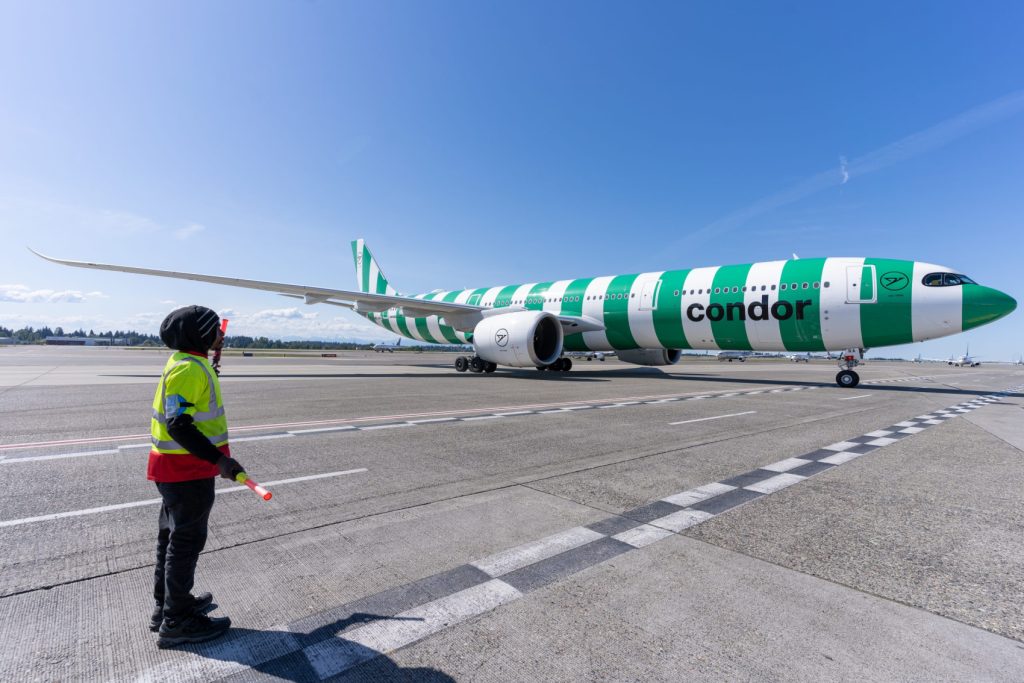
A Condor Airlines Airbus A330-900 arriving at the gate at Seattle-Tacoma International Airport. (Photo: AirlineGeeks | Fangzhong Guo)

Other than those four year-round destinations, this summer the carrier will also offer eight seasonal destinations; along with previously mentioned Vancouver and Calgary in Canada and Anchorage in the United States, These include Los Angeles, Boston, San Francisco, Las Vegas, and Portland, Oregon.
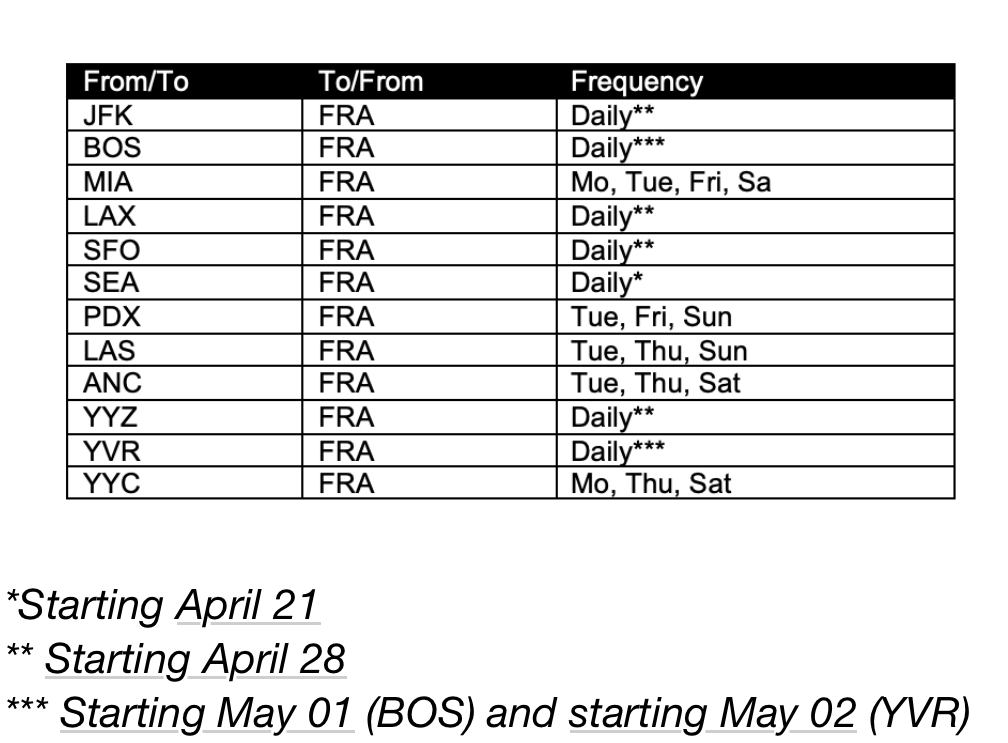
Condor’s North American summer schedule (Photo: Condor)

All destinations listed will be served by the airline’s Airbus A330-900neo, which offers 310 passenger seats; 26 in business, 64 in premium economy, and 216 in economy. All of the seasonal destinations for Condor in North America will be restarting around the end of April into the beginning of May.
Joey Gerardi

Joey has always been interested in planes for as long as he can remember. He grew up in Central New York during the early 2000s when US Airways Express turboprops ruled the skies. Being from a non-aviation family made it harder for him to be around planes and would only spend about three hours a month at the airport. He was so excited when he could drive by himself, the first thing he did with his driver's license was get ice cream and go plane spotting for the entire day. He graduated from Western Michigan University in 2022 with a B.S. in Aviation Management & Operations and a Minor in Business, and currently works for a major airline in his hometown.

Boeing Sued by Family of Deceased Whistleblower

The family of deceased Boeing whistleblower John “Mitch” Barnett has filed a lawsuit blaming the company for his suicide.

Boeing 787-10
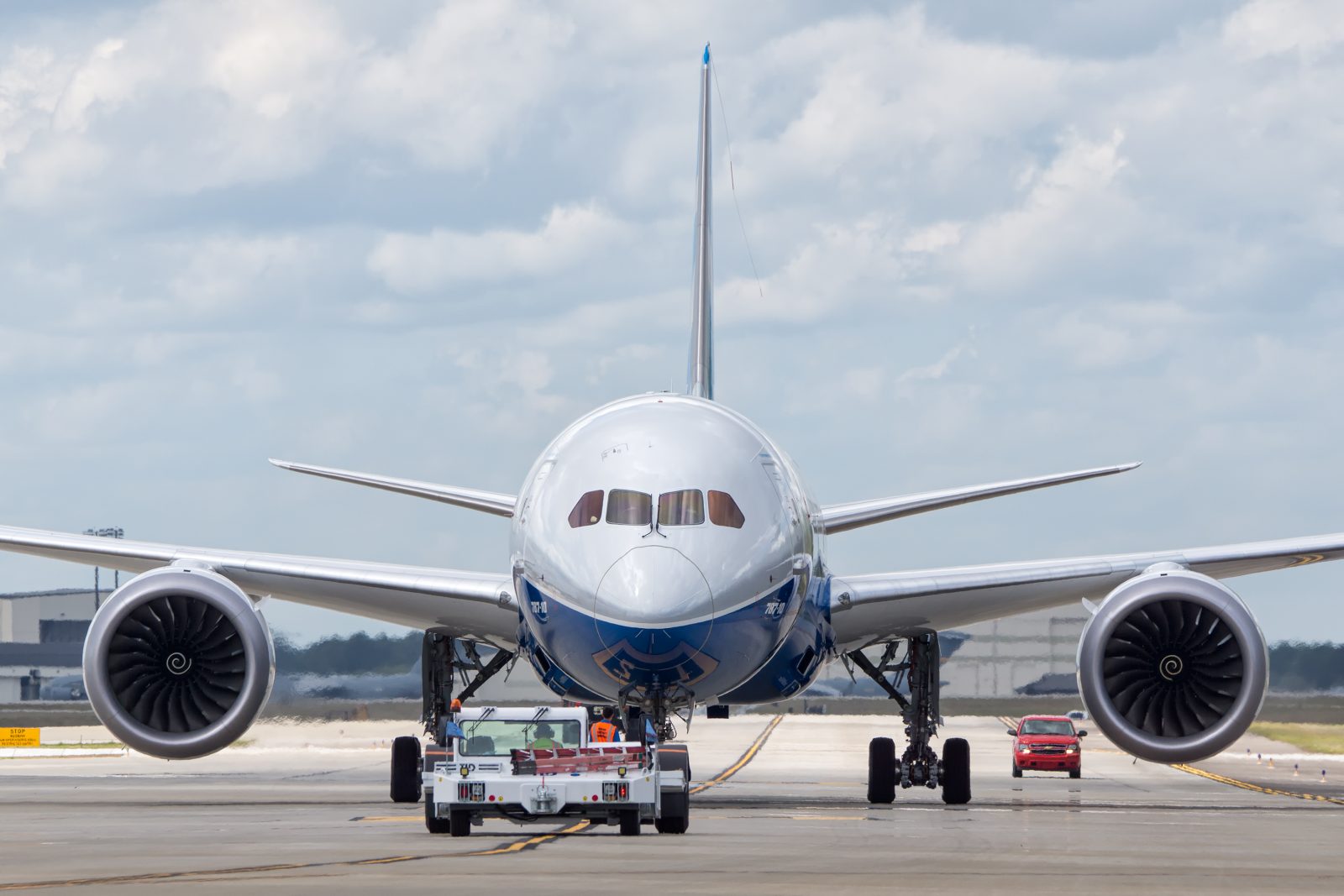
A Boeing 787-10 is towed in North Charleston. (Photo: AirlineGeeks | Chuyi Chuang)

The family of deceased Boeing whistleblower John “Mitch” Barnett has filed a lawsuit blaming the company for his suicide.

The wrongful death lawsuit filed Wednesday in the U.S. District Court for the District of South Carolina alleges that Boeing’s conduct towards Barnett “was the clear cause, and the clear foreseeable cause, of [his] death.”

Barnett, a 62-year-old Boeing quality manager, was found dead in his truck in Charleston, South Carolina, in March 2024. The cause of death was later determined to be suicide.

He had worked for Boeing for 32 years, including 17 years as a quality manager – approximately seven of which were at Boeing South Carolina.

He was suing Boeing under the provisions of the AIR21 Whistleblower Protection Program for alleged retaliation after he raised concerns about quality control issues for Boeing’s 787 Dreamliner program.

John Barnett in a Netflix documentary (Photo: Netflix)

This was around the time Boeing production practices began undergoing increased scrutiny due to two fatal 737 MAX airplane crashes in 2018 and 2019.

The Federal Aviation Administration started investigations into the manufacturer’s quality control processes after a door plug flew off an Alaska 737 MAX 9 in February 2024, a month before Barnett committed suicide.

Prior to his death, Barnett had been scheduled to take a follow-up deposition regarding his 2020 whistleblower lawsuit against Boeing.

Barnett’s Family Blames Boeing

Wednesday’s 146-page legal complaint stated that Barnett had been diagnosed with post-traumatic stress disorder by a mental health counselor he was seeing in February 2017.

“[Barnett] reported feelings of sadness, hopelessness, sleep disturbances with nightmares, and an overwhelming sense that something bad was going to happen,” the complaint stated. “He feared further retaliation for reporting his complaints to OSHA and the FAA. He continued to fear that people would die due to improper work on the assembly line at Boeing.

“His fears were heightened as a result of the plane crashes and accidents that he already witnessed related to the same quality issues he had identified,” the complaint continued. “He expressed feelings of survivor guilt for being unable to convince Boeing to prevent these tragedies.”

In March 2017, Barnett took an early retirement from Boeing. The complaint stated that this was “due to his employment-related stress, as a result of being subjected to a retaliatory hostile work environment.”

The complaint includes a photo of a note Barnett wrote before his death. The note included several messages including:

  • “I pray those motherf*** that destroyed my life pay! I pray Boeing pays!”
  • “To my family and friends, I found my purpose! I’m at peace!”
  • “P.S. The entire system for whistleblowers protection is f*** up too!!”

The complaint stated that Barnett’s note “demonstrates the retaliation, harassment, and maltreatment he experienced at the hands of Boeing [that] caused his PTSD, which, in turn, caused his suicide and untimely death.”

“Boeing had threatened to break John and break him it did,” the Barnett family’s attorneys also wrote.

It further alleged there were other instances of Boeing Whistleblowers suffering retaliation. One individual named in the complaint was a product quality manager who resigned in 2016 due to a hostile work environment when insisting FAA regulations be followed.

Barnett’s family is represented by attorneys Robert Turkewitz, Brian Knowles, David Boies, and Sigrid McCawley.

Boies is a prominent U.S. attorney known for leading the federal government’s successful prosecution of Microsoft for antitrust law violations in 2001. He has more recently represented victims in cases against Jeffrey Epstein and Harvey Weinstein.

McCawley is a veteran attorney who has also represented victims against Epstein.

Barnett’s family is suing Boeing for an unspecified dollar amount in damages as well as funeral and burial expenses and legal costs.

AirlineGeeks.com Staff

AirlineGeeks.com was founded in February 2013 as a one-person blog in Washington D.C. Since then, we’ve grown to have 25+ active team members scattered across the globe. We are all here for the same reason: we love deep-diving into the fascinating realm of the airline industry.

Southwest Flight Nearly Departs From Taxiway

The Boeing 737-800 – operating flight 3278 from Orlando, Florida to Albany, New York – “began its takeoff roll on a taxiway."

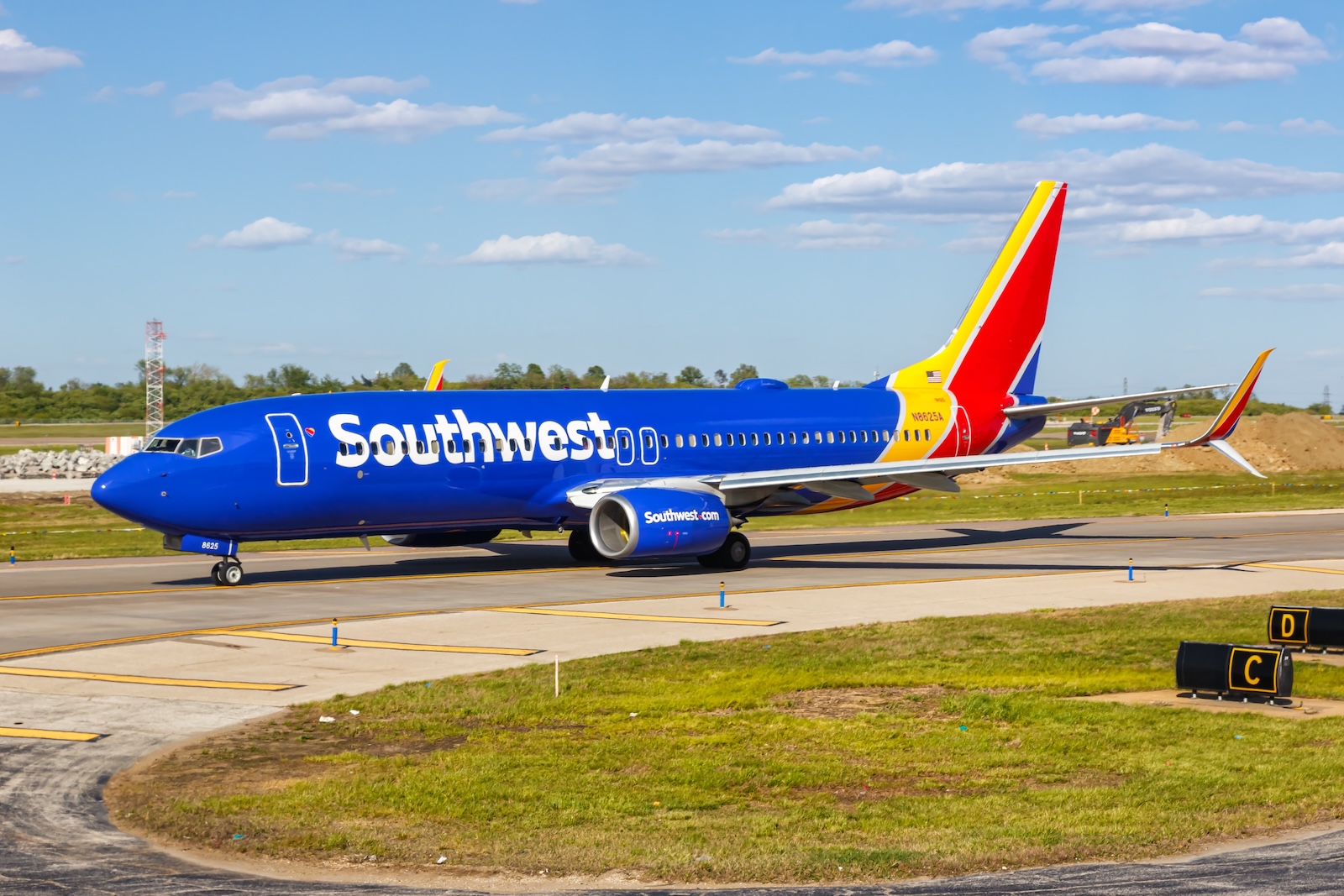
Southwest 737-800
A Southwest Boeing 737-800. (Photo: Shutterstock | Markus Mainka)

A Southwest flight nearly took off from a taxiway on Thursday. The Boeing 737-800 – operating flight 3278 from Orlando, Florida to Albany, New York – “began its takeoff roll on a taxiway,” a Federal Aviation Administration spokesperson said.

According to the FAA, an air traffic controller halted the attempted takeoff. No other aircraft were involved.

Southwest told NBC News the crew “mistook the surface for the nearby runway.” The flight returned to the gate and departed roughly three hours later with a new aircraft and crew.

ADS-B data from Flightradar24 shows the aircraft reached a top ground speed of nearly 70 knots on the taxiway. The flight departed around 9:30 a.m. local time, and visibility was clear.

The FAA spokesperson noted that the taxiway runs parallel to a runway. Thursday’s incident appears to have occurred on Taxiway H, which is adjacent to Runway 17R.

No injuries were reported. The FAA said it will investigate, and Southwest says it is “engaged with the NTSB and FAA to understand the circumstances of the event.”

Ryan Ewing

Ryan founded AirlineGeeks.com in February 2013 and has spent more than a decade covering the airline business. His work has been featured by CNN, WJLA, CNET, and Business Insider. His aviation experience spans airport operations, Part 135 regulatory compliance, and airline crew workforce planning, along with time behind the yoke of a Cessna 172 and interviews with airline executives. Ryan now serves as Group President of Firecrown Media’s Aviation Group. He holds a B.S. in Air Transportation Management and an MBA from Arizona State University and teaches Airline Management at Embry-Riddle Aeronautical University.

Southwest to Cut More Jobs

Citing overstaffing at four of its stations, Southwest is eliminating a total of 120 positions. This move comes on the heels of its first-ever mass layoffs.

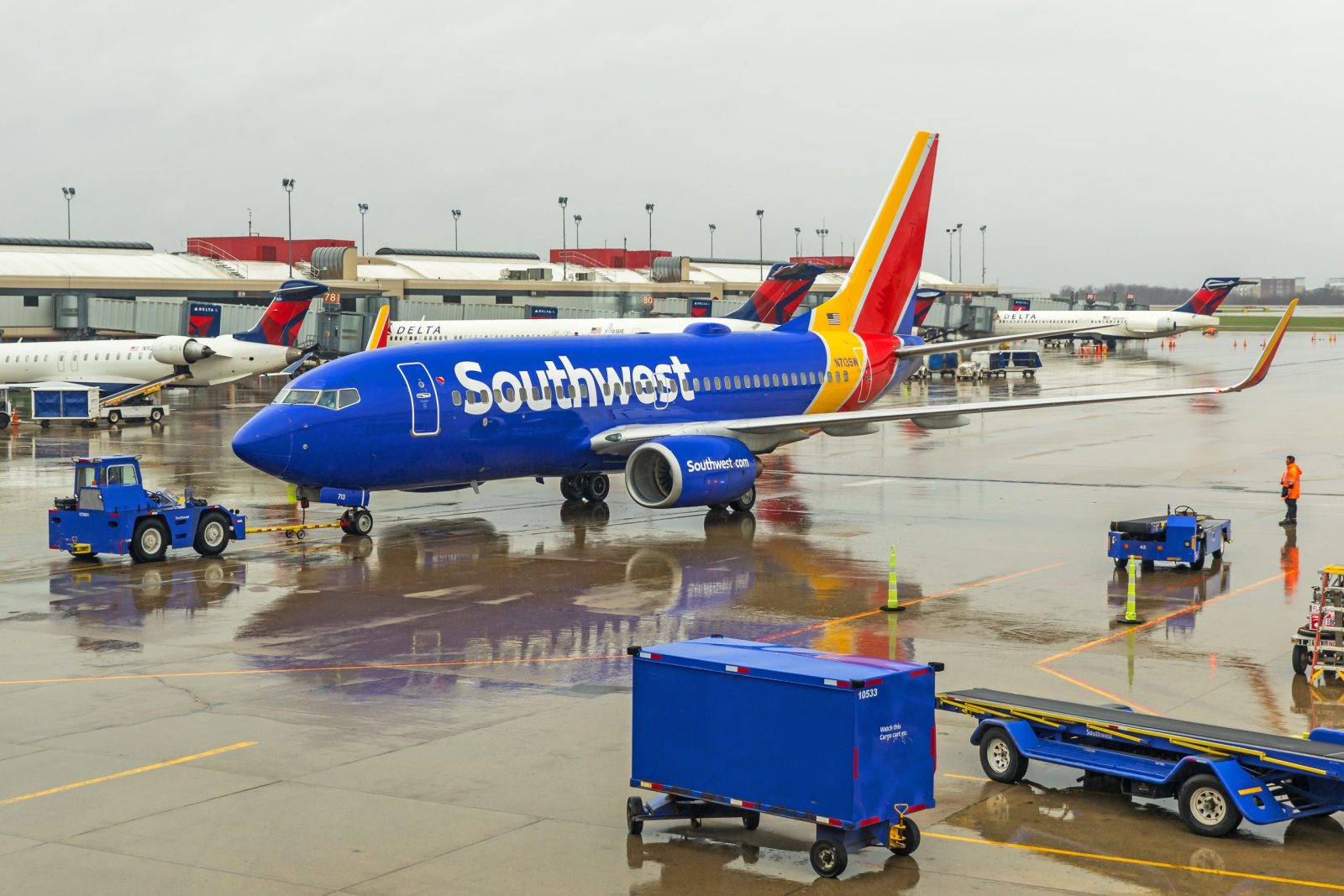
Southwest 737
A Southwest Airlines 737-700 pushing back in Pittsburgh. (Photo: AirlineGeeks | William Derrickson)

Citing overstaffing at four of its stations, Southwest is eliminating a total of 120 positions. This move comes on the heels of its first-ever mass layoffs last month.

These job cuts will impact workers in Baltimore, along with Los Angeles, San Jose, and Burbank, California. Last year, the Dallas-based airline offered early buyouts to some workgroups at these airports.

Impacted employees – who include ground crew and catering staff – can move to other positions within the company or take a severance package. These changes are slated to take effect in June, per WBALTV.

“Our current flight schedule and modest growth plan for 2025 require alignments to our workforce at four airports where we operate,” a Southwest spokesperson told AirlineGeeks in a statement. “We always try to minimize the impact to our Employees and all will have an opportunity to remain with Southwest.”

In February, the airline cut 1,750 corporate jobs. It has also offered early buyouts at several airports.


Ryan Ewing

Ryan founded AirlineGeeks.com in February 2013 and has spent more than a decade covering the airline business. His work has been featured by CNN, WJLA, CNET, and Business Insider. His aviation experience spans airport operations, Part 135 regulatory compliance, and airline crew workforce planning, along with time behind the yoke of a Cessna 172 and interviews with airline executives. Ryan now serves as Group President of Firecrown Media’s Aviation Group. He holds a B.S. in Air Transportation Management and an MBA from Arizona State University and teaches Airline Management at Embry-Riddle Aeronautical University.

Arajet Eyes Four More U.S. Markets

Currently, Arajet serves 22 international destinations in 18 countries. The airline operates a fleet of Boeing 737 MAX aircraft.

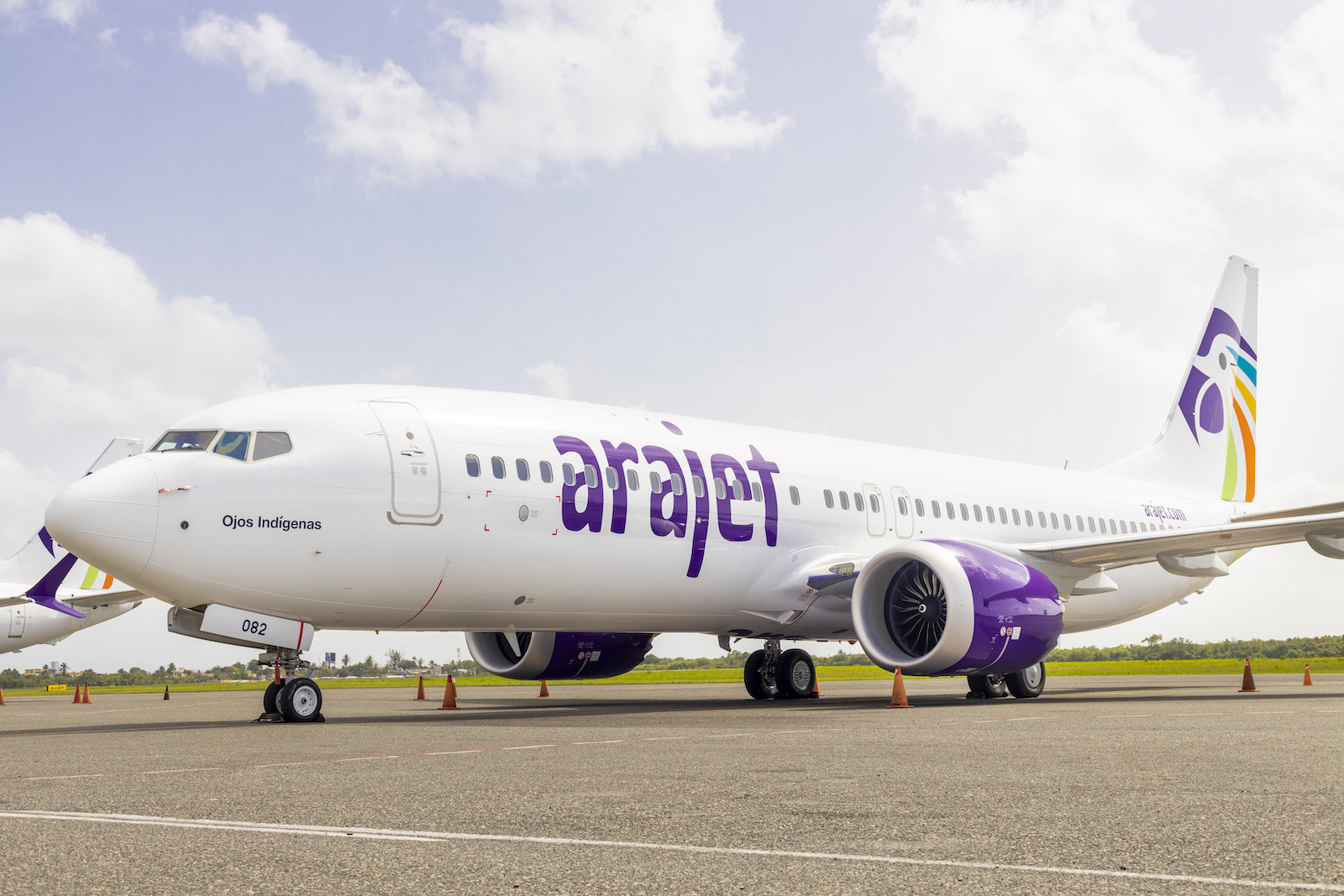
Arajet 737 MAX
An Arajet 737 MAX (Photo: Arajet)

Arajet is planning another round of U.S. expansion. On Wednesday, the Dominican airline petitioned the Department of Transportation to add more service.

As part of a December agreement between the U.S. and the Dominican Republic, Arajet was permitted to add three destinations: Miami, New York, and San Juan, Puerto Rico.

Flights from Santo Domingo to Miami are slated to begin on April 11. The carrier will start service to San Juan on June 4 and Newark, New Jersey, on June 16.

More Destinations

In its DOT filing, Arajet said it plans to add Chicago, Washington, Boston, and Orlando, Florida, to its route map. The airline hopes to begin selling tickets for these routes no later than March 31.

Currently, Arajet serves 22 international destinations in 18 countries. It operates a fleet of Boeing 737 MAX aircraft.

Ryan Ewing

Ryan founded AirlineGeeks.com in February 2013 and has spent more than a decade covering the airline business. His work has been featured by CNN, WJLA, CNET, and Business Insider. His aviation experience spans airport operations, Part 135 regulatory compliance, and airline crew workforce planning, along with time behind the yoke of a Cessna 172 and interviews with airline executives. Ryan now serves as Group President of Firecrown Media’s Aviation Group. He holds a B.S. in Air Transportation Management and an MBA from Arizona State University and teaches Airline Management at Embry-Riddle Aeronautical University.

‘High Rate of Descent’ Noted Before Delta Crash

At 50 feet above ground level, the aircraft’s rate of descent had increased to 1,114 feet per minute, triggering a “sink rate” warning.

Investigators inspecting the wreckage in a hangar. (Photo: TSB of Canada)

The Transportation Safety Board of Canada (TSB) released a preliminary report on the Feb. 17 crash of Endeavor Air flight 4819 at Toronto Pearson International Airport. The CRJ-900 aircraft, operating as a Delta Connection flight from Minneapolis, crashed on landing, resulting in the right wing detaching and the aircraft overturning.

According to the Thursday report, the aircraft was on approach to Runway 23 in gusty wind conditions. At 50 feet above ground level, the aircraft’s rate of descent had increased to 1,114 feet per minute, triggering a “sink rate” warning.

This audible call-out, investigators stated, indicated a “high rate of descent.”

Just before touchdown, the aircraft had a 7.1-degree right bank angle and was descending at 1,110 feet per minute.

Interior of CRJ-900 after Delta crash
Interior of CRJ-900 after Toronto crash (Photo: TSB of Canada)

The right main landing gear made initial contact with the runway at a 7.5-degree right bank angle. This caused the landing gear side-stay to fracture, allowing the gear to collapse. The wing root then fractured and the wing separated, releasing fuel that ignited.

The aircraft slid inverted down the runway, losing its tail section before coming to rest near an intersecting runway. All 80 occupants evacuated, with 21 sustaining injuries, including two serious injuries.

Investigators stated that the flight crew had to evacuate through an overhead hatch, and some passengers experienced difficulties releasing their seatbelts while suspended upside down.

During the evacuation, some passengers were sprayed with foam from the airport firefighting (ARFF) vehicles. An off-duty pilot and flight attendant also assisted in the evacuation.

Endeavor Air CRJ-900 wreckage
Endeavor Air CRJ-900 wreckage (Photo: TSB of Canada)

After airport firefighters entered the aircraft, an explosion occurred near the left wing root. Investigators said the cause of this explosion remains unknown.

Crew Qualifications

The TSB’s report confirms Delta’s news release disputing “disinformation” regarding the crew’s qualifications. The captain, who had been with Endeavor Air since October 2007, had logged approximately 3,570 flight hours. Of these, 764 hours were on the CRJ.

The first officer, employed by Endeavor Air since January 2024, had accumulated a total of 1,422.3 flight hours, including 418.7 hours on the CRJ. She was the pilot flying at the time of the accident.

Both pilots were in compliance with company rest guidelines, with the captain having flown just three-and-a-half hours in the preceding 30 days and the first officer having flown 56.3 hours in the same period.


Ryan Ewing

Ryan founded AirlineGeeks.com in February 2013 and has spent more than a decade covering the airline business. His work has been featured by CNN, WJLA, CNET, and Business Insider. His aviation experience spans airport operations, Part 135 regulatory compliance, and airline crew workforce planning, along with time behind the yoke of a Cessna 172 and interviews with airline executives. Ryan now serves as Group President of Firecrown Media’s Aviation Group. He holds a B.S. in Air Transportation Management and an MBA from Arizona State University and teaches Airline Management at Embry-Riddle Aeronautical University.

Allegiant Exits Five Airports

These market exits come just weeks after the ultra-low-cost airline announced plans to close its Los Angeles base after 16 years.

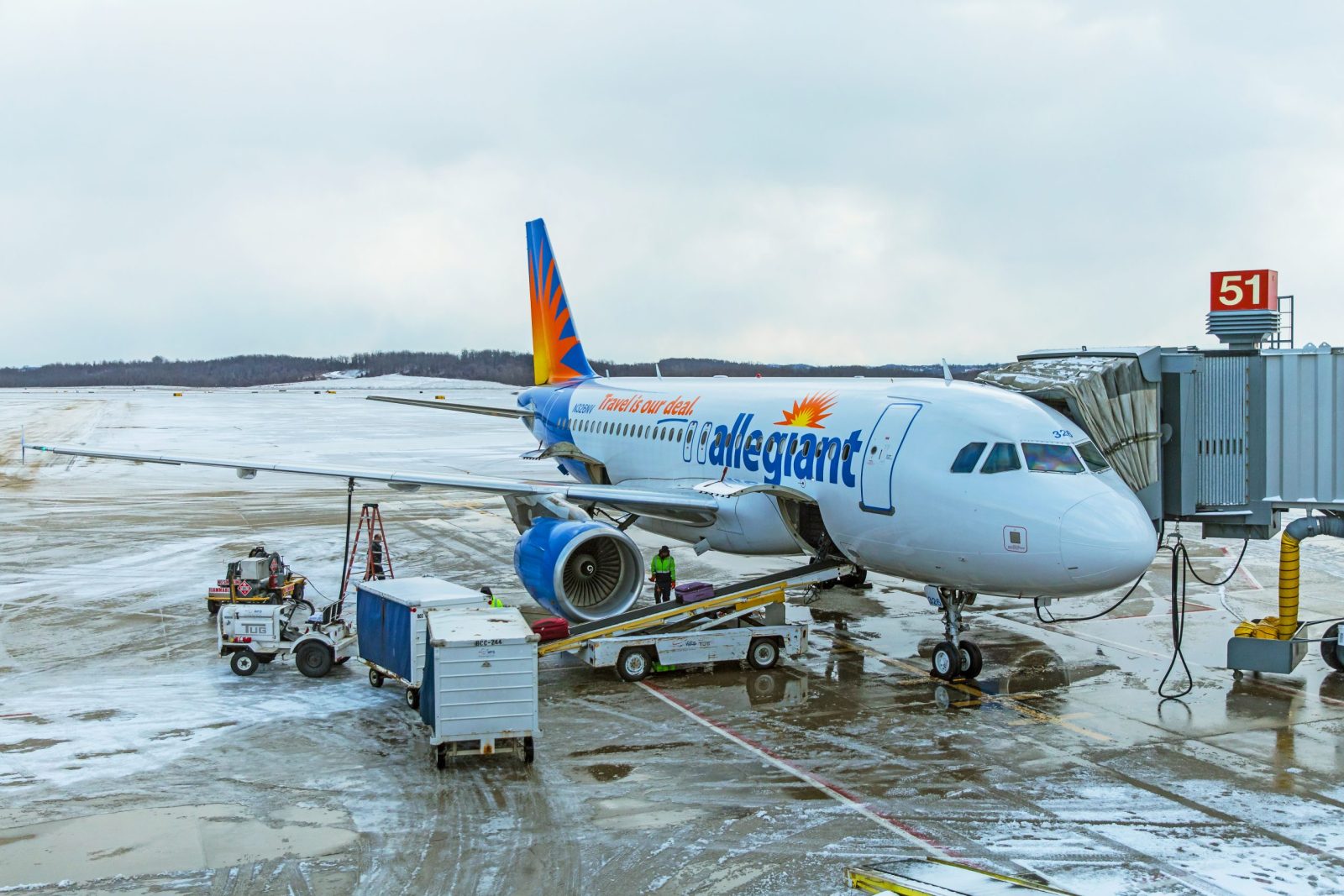
Allegiant A319
An Allegiant A319 in Pittsburgh. (Photo: AirlineGeeks | William Derrickson)

Allegiant will halt flights to five airports. The ultra-low-cost carrier already suspended service to these markets, where flights are no longer for sale.

According to Ishrion Aviation, the airports include Baltimore; San Antonio and El Paso, Texas; Grand Junction, Colorado; and Gulfport, Mississippi.

Baltimore

The airline first began serving Baltimore in 2016, and its last flight to the city was in December 2024, per Cirium Diio schedule data.

During its eight years at the airport, Allegiant served a handful of destinations, including Asheville, North Carolina; Cincinnati; Lexington, Kentucky; and Tulsa, Oklahoma.

In late 2021, the carrier began serving Washington Dulles International Airport. It also serves Hagerstown, Maryland.

El Paso

Allegiant started serving El Paso in 2016 with just a handful of routes. The airline connected the West Texas city with Orlando Sanford in Florida; Las Vegas; and Oakland and San Diego, California.

Its last regularly scheduled service to the airport was in January.

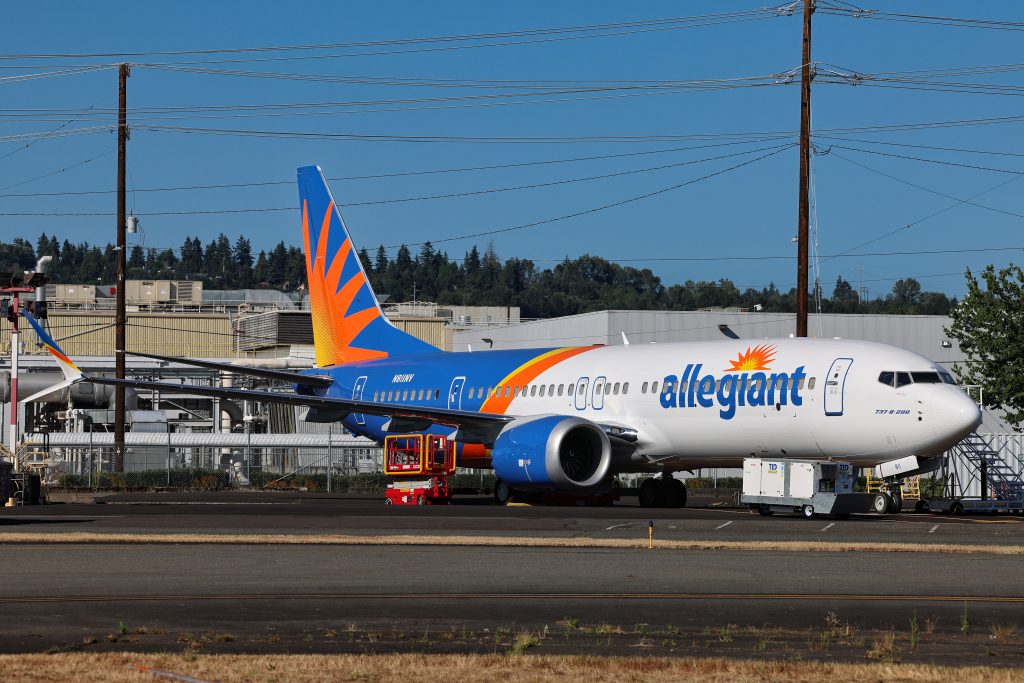
An Allegiant 737 MAX at Boeing Field (Photo: AirlineGeeks | Katie Zera)

Grand Junction

The airline had served Grand Junction for over 13 years with flights to Phoenix/Mesa, Las Vegas, Los Angeles, and Santa Ana, California.

Allegiant’s last two flights to the Colorado city were scheduled in January.

Gulfport

The carrier briefly served Gulfport from 2017 to 2024 with its last flight in August of last year.

Year-round service was offered to Orlando Sanford. In April 2020, Allegiant also scheduled a handful of flights from Gulfport to Nashville, Tennessee.

San Antonio

Finally, Allegiant does not plan to return to Texas’ second-largest city. The carrier began regular service to San Antonio in 2015.

Flights were offered to Fort Lauderdale, Florida; Las Vegas; and Orlando/Sanford. Allegiant’s last scheduled flight to San Antonio was in August.

An airline spokesperson could not be reached for comment on the network shake-up. These market exits come just weeks after the airline announced plans to close its Los Angeles base after 16 years.


Ryan Ewing

Ryan founded AirlineGeeks.com in February 2013 and has spent more than a decade covering the airline business. His work has been featured by CNN, WJLA, CNET, and Business Insider. His aviation experience spans airport operations, Part 135 regulatory compliance, and airline crew workforce planning, along with time behind the yoke of a Cessna 172 and interviews with airline executives. Ryan now serves as Group President of Firecrown Media’s Aviation Group. He holds a B.S. in Air Transportation Management and an MBA from Arizona State University and teaches Airline Management at Embry-Riddle Aeronautical University.

Airlines Lose Jobs Amid Bleak Spending Report

Airlines are reportedly feeling the brunt of recent economic dips, and recent jobs have been lost amid financial uncertainty.

New York LaGuardia Airport
Aircraft movements at New York LaGuardia Airport. (Photo: AirlineGeeks | William Derrickson)

Airlines are reportedly feeling the brunt of recent economic dips, and over 5,000 jobs have been lost amid financial uncertainty.

According to a recent Wall Street Journal report, Bank of America said customer spending on airlines fell by 7.1% in the week ending March 8.

The drop coincided with recent comments from airline leaders at the J.P. Morgan 2025 Industrials Conference. Notably, CEOs at both United and Delta talked about future capacity cuts.

Several carriers have cut their financial outlooks for the beginning of 2025 due to poor weather, recent aircraft accidents, and less consumer spending affecting revenue.

That reduction in spending also coincides with a drop in the number of airline jobs this quarter.

According to a Tuesday report by the U.S. Department of Transportation’s Bureau of Transportation Statistics, passenger airlines lost 411 employees in January 2025. Combined with cargo airlines, the U.S. airline industry as a whole lost 5,188 workers for the month.

1,159 total jobs were lost during the same period last year.

Despite United recently losing 50% of its government travel, the carrier still led scheduled passenger carriers by adding 791 employees in January. It was followed by Southwest with 194 and Envoy Air with 98 new workers.

AirlineGeeks.com Staff

AirlineGeeks.com was founded in February 2013 as a one-person blog in Washington D.C. Since then, we’ve grown to have 25+ active team members scattered across the globe. We are all here for the same reason: we love deep-diving into the fascinating realm of the airline industry.

Caravan Overweight Before Deadly Crash

The Bering Air flight that crashed last month in remote Alaska was more than 1,000 pounds overweight for the conditions, investigators said Wednesday.

February 2025 Bering Air crash site
Bering Air accident site (Photo: U.S. Coast Guard)

The Bering Air flight that crashed last month in remote Alaska was more than 1,000 pounds overweight for the conditions, investigators said Wednesday. The National Transportation Safety Board released its preliminary findings into the Feb. 6 crash.

According to the report, the flight departed Unalakleet Airport at 2:37 p.m. local time, bound for Nome Airport. As the aircraft neared Nome, air traffic control informed the single pilot that the runway was temporarily closed for deicing, with an expected 10-to-15-minute delay. The controller suggested the pilot could slow down to avoid arriving before the runway reopened.

Data shows the plane’s airspeed began decreasing around this time, dropping from about 160 knots to 110 knots. The aircraft leveled off at 6,000 feet before being cleared to descend to 4,000 feet.

Minutes later, with the Cessna Caravan’s airspeed at 99 knots, the autopilot disengaged. Over the next 19 seconds, the plane’s airspeed fell to about 70 knots and its altitude dropped to 3,100 feet as it turned from a westerly to a southerly heading.

Bering Air accident site (Photo: NTSB)

The final recorded data point showed the aircraft at just 200 feet above sea level, about 32 miles east of Nome and 12 miles offshore over Norton Sound. Attempts by air traffic control to contact the pilot after this were unsuccessful.

Overweight Aircraft

The NTSB’s preliminary calculations indicate the aircraft was significantly overweight at takeoff. The estimated gross weight of 9,865 pounds exceeded the maximum takeoff weight for known icing conditions by about 1,058 pounds. It also surpassed the absolute maximum takeoff weight by approximately 803 pounds.

Weather conditions at the time included light snow, broken cloud ceilings between 2,500-3,500 feet, and well-below-freezing temperatures. An airmen’s meteorological information advisory had been issued earlier, forecasting occasional moderate icing between 2,000 and 8,000 feet.

The wreckage was located on a large, moving ice pack in Norton Sound. Investigators observed minor ice accumulation on some of the aircraft’s leading edges and more significant icing on the vertical stabilizer’s beacon light base.

Nine passengers and the pilot were killed as a result of the accident. The NTSB’s investigation is ongoing.

Ryan Ewing

Ryan founded AirlineGeeks.com in February 2013 and has spent more than a decade covering the airline business. His work has been featured by CNN, WJLA, CNET, and Business Insider. His aviation experience spans airport operations, Part 135 regulatory compliance, and airline crew workforce planning, along with time behind the yoke of a Cessna 172 and interviews with airline executives. Ryan now serves as Group President of Firecrown Media’s Aviation Group. He holds a B.S. in Air Transportation Management and an MBA from Arizona State University and teaches Airline Management at Embry-Riddle Aeronautical University.

FAA Deploys Runway Safety Devices at U.S. Airports

The deployment of the Runway Incursion Device at airports marks the third and final fast-tracked initiative from 2023’s Safety Call to Action.

ATC tower
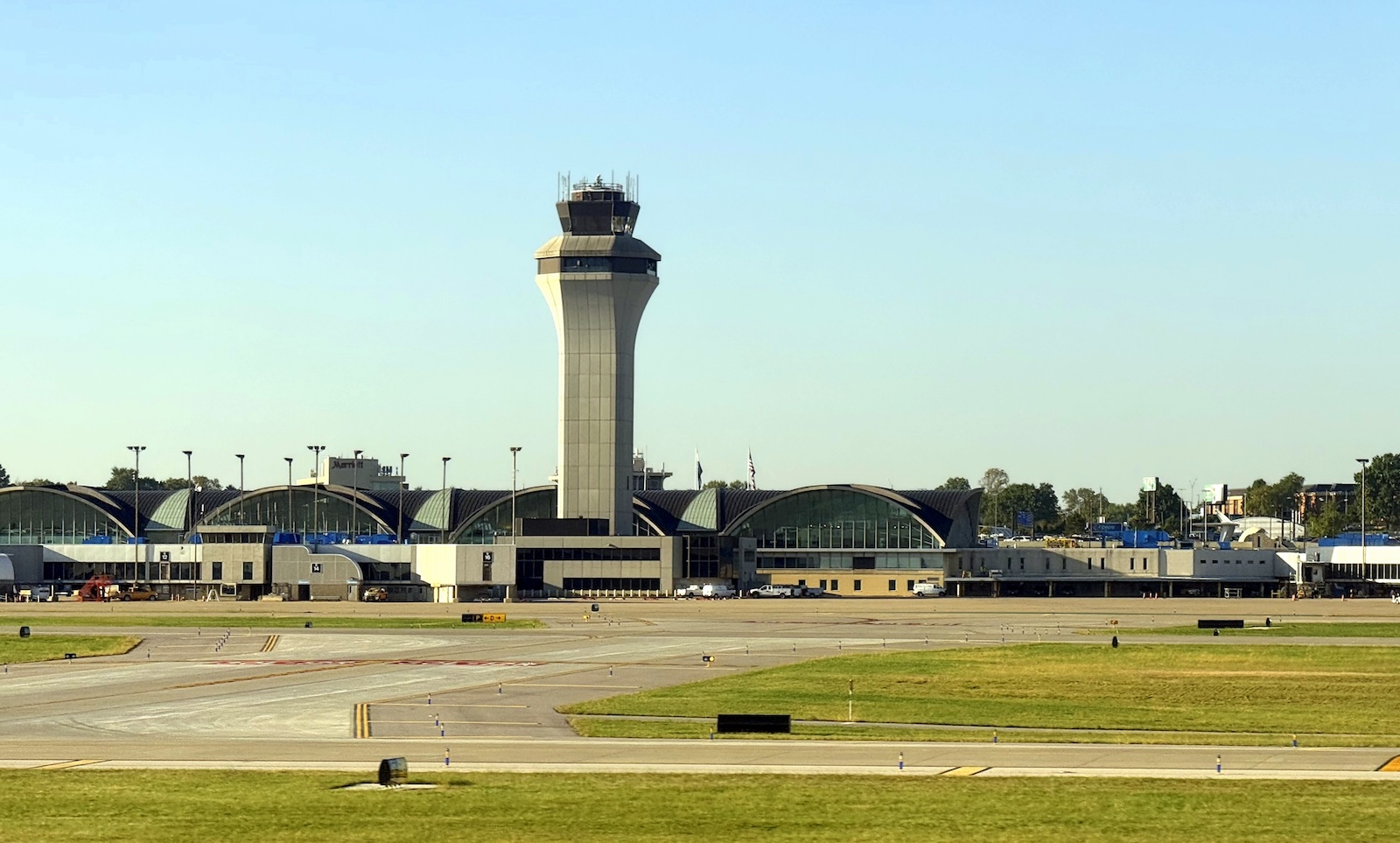
Air traffic control tower in St. Louis. (Photo: Shutterstock | ArtByArthur)

The Federal Aviation Administration is rolling out runway safety technology upgrades at 74 air traffic control towers in the U.S.

According to an FAA news release published Wednesday, The Runway Incursion Device (RID) is the last of three fast-tracked initiatives launched from the February 2023 Safety Call to Action aimed at improving runway safety and reducing incursions.

The RID assists air traffic controllers by indicating when a runway is occupied or closed, and can identify up to eight runways. The memory aid replaces a variety of devices at control towers and is now designated by the FAA as “a standard technology.”

“The Runway Incursion Device is another vital tool to keep the flying public safe,” said Acting FAA Administrator Chris Rocheleau, in the release. “These initiatives will continue to address the needs of our controllers by cutting through the red tape and bringing the most up-to-date technologies to their fingertips.”

According to the release, the RID is operational in four locations: Centennial Airport in Colorado, Austin-Bergstrom International Airport in Texas, Charles B. Wheeler Downtown Airport in Missouri, and Portland International Airport in Oregon.

The FAA aims to deploy the device at Fort Lauderdale-Hollywood International Airport in Florida, Hollywood Burbank Airport in California, and Boise Airport in Idaho in the next month. It will also be deployed at 69 other airports throughout the country by the end of 2026.

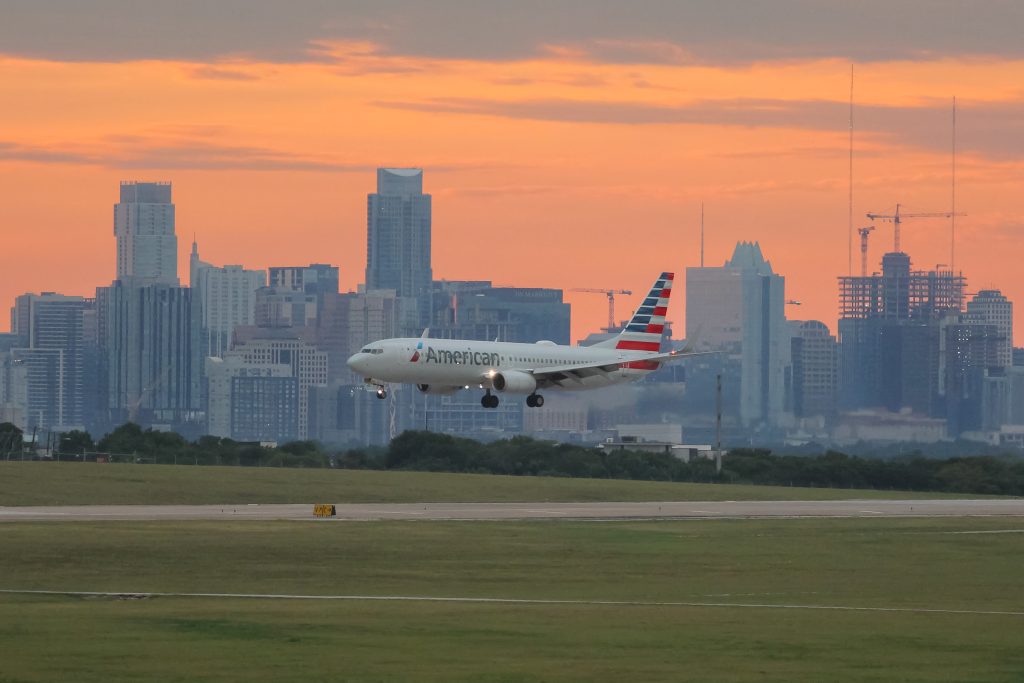
An American Airlines jet landing on runway 18R with the Austin skyline in the background. (Photo: AirlineGeeks | Mateen Kontoravdis)

Finalizing Safety Upgrades

The RID joins the Surface Awareness Initiative system (SAI) and the Approach Runway Verification system (ARV) as the final of three situational awareness solutions commissioned by the FAA.

The FAA release stated that SAI is operational at 18 airports, and there are plans to install it at 32 more by the end of 2025. ARV is in 85 control towers and will continue to be implemented at other airport facilities.

SAI uses Automatic Dependent Surveillance-Broadcast data to show surface traffic to controllers at airports without a surface surveillance tool. ARV gives controllers visual and sound alerts if an approaching aircraft is positioned to land on the wrong airport surface.

AirlineGeeks.com Staff

AirlineGeeks.com was founded in February 2013 as a one-person blog in Washington D.C. Since then, we’ve grown to have 25+ active team members scattered across the globe. We are all here for the same reason: we love deep-diving into the fascinating realm of the airline industry.
Sign-up for newsletters & special offers!

Get the latest stories & special offers delivered directly to your inbox

SUBSCRIBE

Uh-oh! It looks like you're using an ad blocker.

Our website relies on ads to provide free content and sustain our operations. By turning off your ad blocker, you help support us and ensure we can continue offering valuable content without any cost to you.

We truly appreciate your understanding and support. Thank you for considering disabling your ad blocker for this website