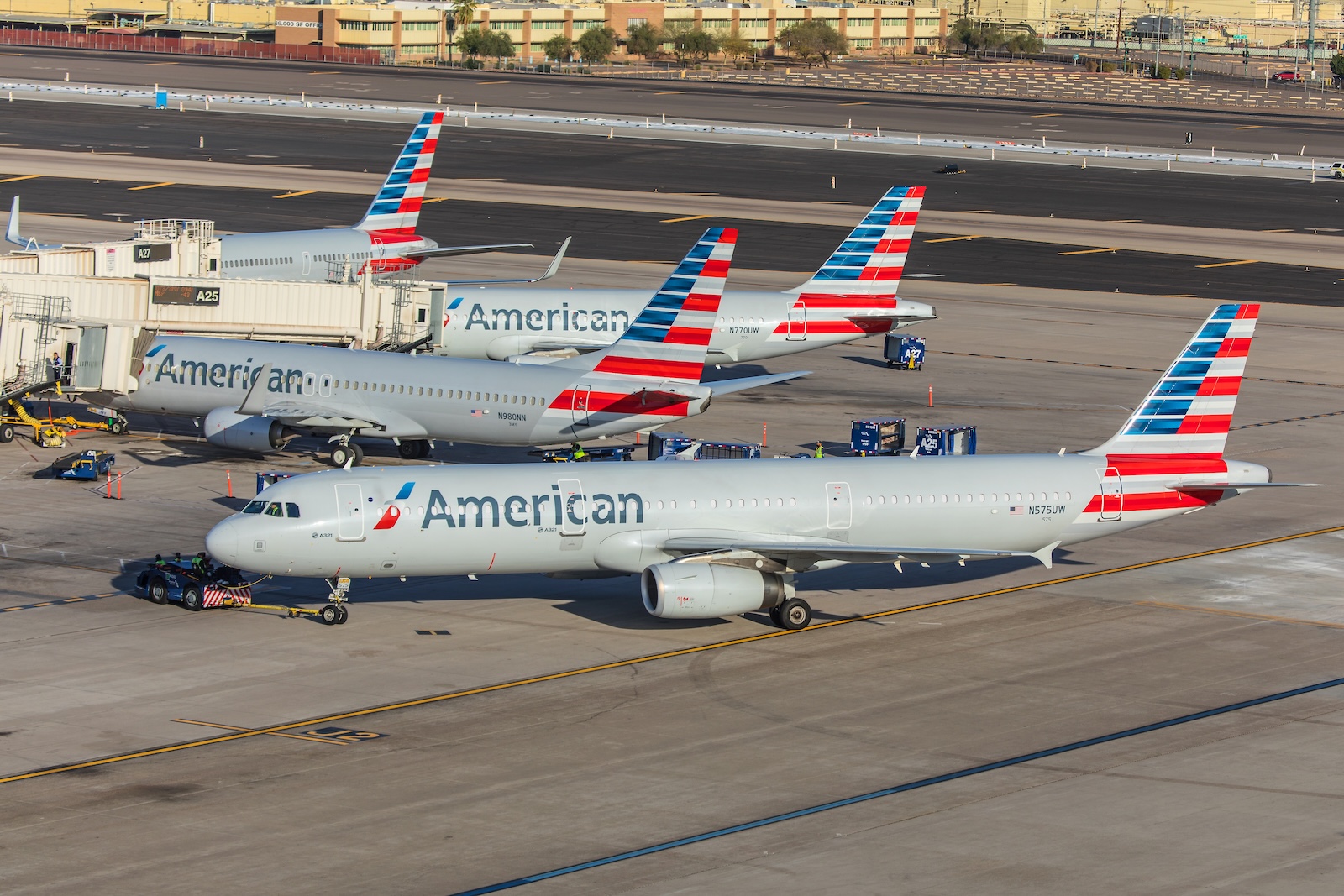
Internet access has always come at a cost. But next month, American plans to trial free Wi-FI on three routes.
Per an internal memo from the Fort Worth, Texas-based airline, these routes include Charlotte, North Carolina, to Jacksonville, Florida; Charlotte to Raleigh/Durham, North Carolina; and Miami to Chicago O’Hare.
“Through this test, we’ll be assessing customer take rates for inflight Wi-Fi, evaluating our provider and aircraft capacity, and – perhaps most important – measuring the impact to customer satisfaction via NPS scores,” said Chief Customer Officer Heather Garboden in the memo.
The economy cabin on American’s A321neo (Photo: AirlineGeeks | Ryan Ewing)
“With the creation of our new Customer Experience organization led by Chief Customer Officer Heather Garboden, American Airlines is more committed than ever to enhancing every aspect of our customers’ travel journey,” an airline spokesperson told AirlineGeeks in a statement. “Staying connected in the skies is critical to today’s passengers and through this limited-time complimentary Wi-Fi test, we are exploring opportunities to build upon our high-speed Wi-Fi offerings to stay competitive in the industry and give our customers what we know they want.”
American’s free Wi-Fi trials are scheduled to begin next week, the carrier said.
Ryan founded AirlineGeeks.com in February 2013 and has spent more than a decade covering the airline business. His work has been featured by CNN, WJLA, CNET, and Business Insider. His aviation experience spans airport operations, Part 135 regulatory compliance, and airline crew workforce planning, along with time behind the yoke of a Cessna 172 and interviews with airline executives. Ryan now serves as Group President of Firecrown Media’s Aviation Group. He holds a B.S. in Air Transportation Management and an MBA from Arizona State University and teaches Airline Management at Embry-Riddle Aeronautical University.
The Flight Deck Pro bag has 30 pockets and a five-year warranty. (Photo: Flight Outfitters)
We all know that an airline pilot’s on-the-go lifestyle is fast-paced and at the mercy of the airline’s schedule. Whether your workday is progressing as planned or missed connections and crowded airports are affecting your daily workflow, a well-organized flight bag with quick access to essential items can be lifesaving in either situation.
Likewise, the flight bag is an essential organizational tool for performing your duties while flying. Therefore, when shopping for a flight bag, look for functional features to ensure easy access and organization of your most critical flight-related things.
Please note that each airline may have its own specifications regarding airline uniform standards. Therefore, you should always check with your base administrative offices for approval before purchasing uniform items, including crew baggage.
Let’s explore the top flight bags for airline pilots available on the market and consider adding one to your virtual cart.
The AirClassics Crew Trip Bag by Aviation Supplies & Academics (ASA) is a briefcase-style flight bag thoughtfully designed to be durable and practical. Constructed from high-quality materials, it is made to withstand the rigors of frequent travel. The sleek and professional appearance of the flight bag enhances its functional design. This bag can be easily stowed under airline seats, in overhead bins, or in the cockpit, providing convenient access during flights.
Key features and specifications:
Size: 14 inches (width) by 11.5 inches (height) by 7.5 inches (depth)
Weight: 2.45 pounds
Materials: Durable, weather-resistant ballistic outer material and tear-resistant ripstop nylon interior
Additional features: YKK heavy-duty, high-quality zippers; two outer metal D-rings to attach to roller bag; adjustable, nonslip, padded shoulder strap; sizable water bottle pocket; padded magnetic handles; inner and outer padded electronics pouches hold up to 13 inches devices; front organizer pocket with key lanyard, pen slot, and organization pockets; large main compartment; multiple small inner and outer pockets; durable plastic bottom; bottom grips; magnetic luggage pass-through
Warranty: Five-year limited warranty, including repairs or replacements for defects in material or workmanship only
Disadvantages:
The AirClassics Crew Trip Bag is on the pricier side of flight bags.
The PRO EFB + Cooler II by Aerocoast is a comprehensive flight bag that combines a cooler with an electronic flight bag (EFB) compartment and additional storage options. This flight bag is specifically designed for pilots tired of lugging around more bags than they must while eating healthy and saving money on the road and in the skies. The Pro EFB + Cooler II features a rigid case construction for enhanced durability and conveniently fits under airline seats, in overhead bins, or the cockpit for easy storage during travel.
Key features and specifications:
Size: 15 inches (width) by 12 inches (height) by 9 inches (depth)
Weight: 2.50 pounds
Materials: Durable, water-resistant polyester and nylon outer fabric and leak-resistant, insulated interior
Additional features: Ergonomic interlocking snap handle; quick access sunglass compartment; upper organizational accessory compartment; main leak-resistant, insulated compartment; expandable bottom storage compartment; durable and water resistant material construction; two front storage compartments with organizer sleeves; two side storage compartments; rear EFB compartment; crew card holder; detachable shoulder strap; roller bag attachment; YKK zippers
Warranty: One-year limited warranty, including repairs or replacements for defects in material or workmanship only
Some pilots have reported issues with the compact size of the PRO EFB + Cooler II flight bag and not being able to fit all their personal items.
Price: $150.00
B7 Flight Bag
Best of: Versatile flight bag
The B7 Flight Bag by BrightLine has a modular design, allowing pilots to add or remove sections of the flight bag to fit their specific needs. The bag is made from durable materials that can withstand demanding conditions. The color-coded compartments help pilots quickly access their gear, while the numerous pockets are ideal for efficient organization.
Key features and specifications:
Size: 13 inches (width) by 14 inches (height) by 10.5 inches (depth)
Additional features: Pocket cap front acts like the hub for the entire flight bag; side pocket echo is an insulated adjustable water bottle pocket; side pocket foxtrot is a large fully zipper-enclosed pocket that can hold even large handheld radios; the main handle is included; shoulder strap is included; center section four (CS4) offers a generous amount of storage in a compact space with top and full front access; center section three (CS3) provides room for iPads, logbooks, kneeboards, and even a change of clothing; can fit two full-sized aviation headsets; can store a 13 inches laptop and many smaller personal items like cables, a digital camera, snacks, etc.
Warranty: Three-year manufacturing warranty, including repairs or replacements for defects in material or workmanship only
Disadvantages:
At 6 pounds, the B7 Flight Bag is on the heavier end and can become even heavier, especially when fully loaded.
The B7 Flight Bag is on the pricier side of flight bags.
Price: $287
Stealth Premier Multi-Purpose Cube
Best of: All-in-one flight bag
TheStealth Premier Multi-Purpose Cube by LuggageWorks is an all-in-one flight bag designed with compartments for headsets, food/drinks, laptops, and iPads/tablets. Many pilots appreciate the flight bag’s high-quality materials and reinforced padding, which enhance its durability. The bag fits well in the storage compartments of smaller regional aircraft like the CRJ, making it a convenient option for airline pilots operating various aircraft.
Key features and specifications:
Size: 16 inches (width) by 12 inches (height) by 9 inches (depth)
Additional features: Headset, cooler, laptop, and iPad/tablet padded compartments; reinforced padding on all pockets and seatbelt webbing handles; all-metal zipper pullers and metal snap-on handles; removable tension hooks on shoulder strap; LuggageWorks flashlight included
Warranty: Three-year manufacturing warranty, including repairs or replacements for defects in material or workmanship only
Disadvantages:
Some pilots find the cooler compartment of the Stealth Premier Multi-Purpose Cube a bit small for extended trips.
The Flight Deck Pro by Flight Outfitters is a well-designed duffel-style flight bag featuring 30 essential pockets. It easily accommodates necessary flight essentials (e.g., iPad, headset) while maintaining a professional look. The padded handle and shoulder strap make it easy to transport the bag through the airport without sacrificing comfort.
Key features and specifications:
Size: 21 inches (width) by 15 inches (height) by 5.5 inches (depth)
Price: $129.95, plus $8 for up to 11 characters of personalized text
FlightCrew 5 Flight Tote
Best of: Affordable flight bag
The FlightCrew 5 Flight Tote by TravelPro is an affordable flight bag with room for every pilot’s travel needs. It features two main sections: one has a packing compartment with a large zippered wet pocket, and the other has a packing compartment with a padded laptop sleeve and multiple smaller pockets. The legendary TravelPro FlightCrew collection is a tried-and-true staple in flight bags for aviation professionals.
Key features and specifications:
Size: 15 inches (width) by 11.5 inches (height) by 10 inches (depth)
Additional features: Padded laptop interior slot; adjustable, padded and removable neoprene shock-absorbing shoulder strap; large accessory organizer front pocket, which includes key attachment clip and multiple slots for accessories; multiple interior mesh and zippered sections, which includes two main compartments; legal size paper slot; quick loop on back attaches to rollaboard; large interior wet pocket; large interlocking zippers for added security; protective corner guards; skid guard bottom feet
Warranty: Three-year manufacturing warranty, including repairs or replacements for defects in material or workmanship only
Disadvantages:
Some users have reported the water bottle holder on the FlightCrew 5 Flight Tote is too small to accommodate a reusable water bottle.
Some users have reported being disappointed with the placement of the interior pockets and the lack of quick-access compartments in the FlightCrew 5 Flight Tote.
Price: $95
FL390S Flight Bag
Best of: APA-approved flight bag
TheFL390S Flight Bag by Contrail is the Allied Pilots Association (APA) flight bag of choice. It is designed for the aviator who travels with more than the required gear, carries a large headset (e.g., Bose A-20, Clarity Aloft, David Clark), and enjoys space for extra items. Blending quality and purpose-driven design for the modern professional, pilots can be sure their Contrail flight bag is built to withstand life on the road.
Key features and specifications:
Size: 14.25 inches (width) by 11 inches (height) by 8 inches (depth)
Additional features: Rare Earth Magnetic closure; Molle attachment system; YKK zippers; 6.5-inch wide main storage area; durable handles; extra thick padding protects valuable electronics; holds 13 inches laptops; iPad pocket counts as secure stowage for EFBs
Warranty: Three-year manufacturing warranty, including repairs or replacements for defects in material or workmanship only
Disadvantages:
The FL390S Flight Bag does not have a designated water bottle holder.
For pilots seeking a bigger flight bag, theFL410P Flight Bag ($259.95) is an excellent alternative solution.
Price: $129.95
Flight Bag PLC Commuter
Best of: Universal flight bag
The Flight Bag PLC Commuter by MyGoFlight is designed to accommodate the lifestyles of aviators who appreciate both style and durability. This ultimate grab-and-go bag is built to hold all flight essentials securely. The bag’s versatile design enables it to function as a pilot bag, an everyday bag, and a carry-on.
Key features and specifications:
Size: 14 inches (width) by 11 inches (height) x 6 inches (depth)
Additional features: YKK zippers; free-standing shell with upgraded padding; soft leather top handle; quick grab exterior pockets for water bottle; main compartment holds one headset; laptop and iPad storage in a separate compartment; interior mesh pockets; water-resistant
Warranty: Three-year manufacturing warranty, including repairs or replacements for defects in material or workmanship only
Disadvantages:
Some users have reported that the Flight Bag PLC Commuter flight bag’s nontraditional design may not be suitable forairline operations.
For pilots seeking more space, the Flight Bag PLC Pro ($299) is an excellent backpack-style alternative solution.
Price: $99
Key Features to Consider When Selecting a Flight Bag
As you explorethe ideal flight bag for your needs, make sure to consider the following key features:
Durability
Flight bags should be made of high-quality, water-resistant materials like ballistic nylon. They should also feature reinforced stitching and heavy-duty zippers.
Capacity and organization
Flight bags should be spacious enough to accommodate every pilot’s essential and personal items. They should also have specialized gear pockets for headsets, iPads, food/drinks, etc.
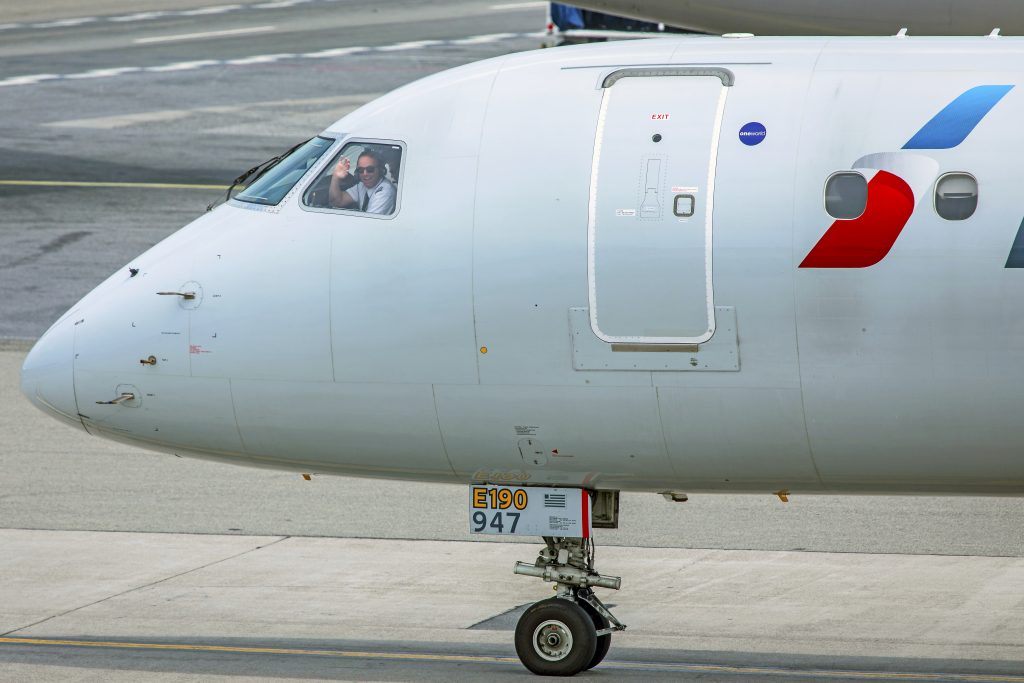
A pilot waves from an American E190 at LaGuardia. (Photo: AirlineGeeks | William Derrickson)
Comfort
Flight bags should be ergonomically designed with features such as well-padded and contoured shoulder straps and handles.
Professional appearance
Flight bags should reflect the individual pilot’s persona while meeting the overall uniform standards required by airlines. Each airline may have its own specifications regarding airline uniform standards. Therefore, pilots should always check with their base administrative offices for approval before purchasing uniform items, including crew baggage.
Price
Flight bags should be priced based on their features. While affordable options like the FlightCrew 5 Flight Tote offer essential features at a lower price, high-end models such as the B7 Flight Bag provide additional versatility and superior materials, albeit at a greater cost.
Choose the Right Flight Bag for Your Needs
Choosing the right flight bag for your unique needs ensures you get the most out of your purchase. Whether you prioritize durability, organization, comfort, or price, flight bag manufacturers like MyGoFlight, Aviation Supplies & Academics, and Flight Outfitters have you covered. We hope you enjoyed our comprehensive guide to airline pilot flight bags and that you add one to your virtual cart.
AirlineGeeks selects products independently. If you purchase something from our articles, we may earn a small commission.
AirlineGeeks.com was founded in February 2013 as a one-person blog in Washington D.C. Since then, we’ve grown to have 25+ active team members scattered across the globe. We are all here for the same reason: we love deep-diving into the fascinating realm of the airline industry.
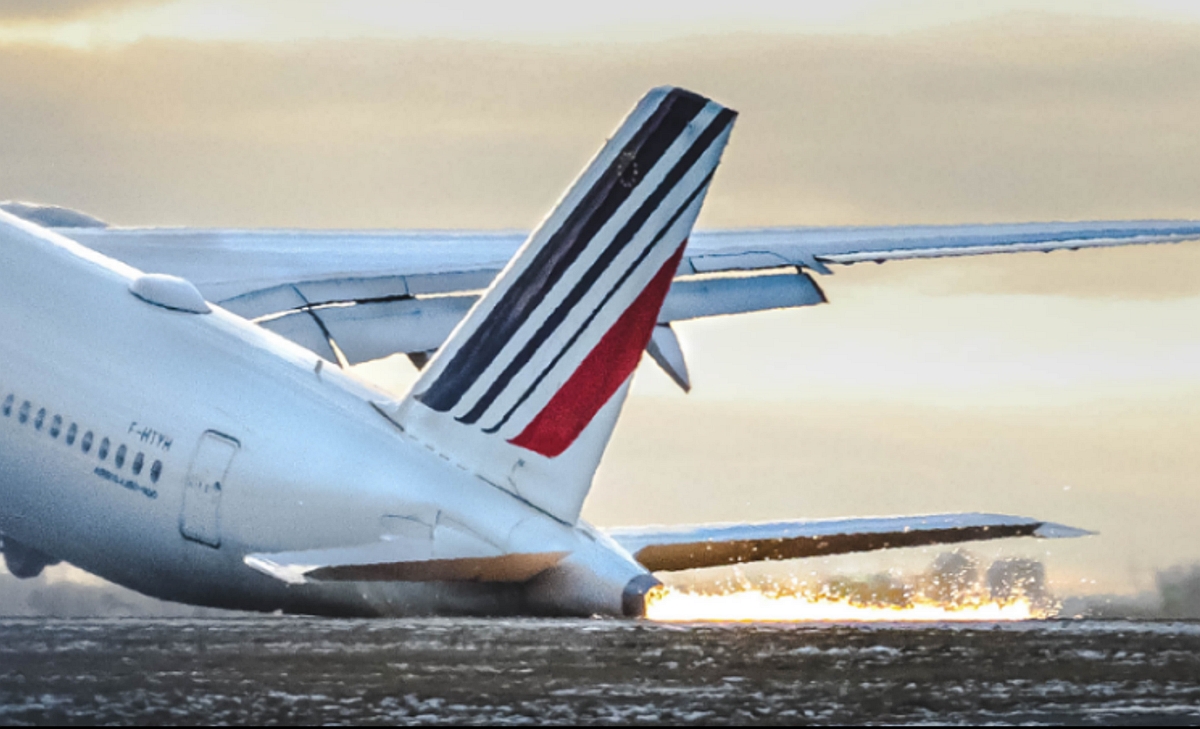
Air France A350 tail strike (Photo: TSB of Canada)
The Transportation Safety Board of Canada (TSB) has released an update on its ongoing investigation into a tail strike incident involving an Air France Airbus A350-900 at Toronto Pearson International Airport on Jan. 21, 2024. The incident occurred during a go-around maneuver.
Flight AFR 356, operating from Paris Charles de Gaulle to Toronto Pearson with 304 passengers and 12 crew members on board, was conducting a training flight for the first officer. As the aircraft touched down on Runway 24L, the captain, who was the pilot monitoring, called for a go-around.
The first officer complied, initiating the maneuver, which resulted in a tail strike as the aircraft became airborne at a low speed, investigators stated.
Just two pilots were operating the over eight-hour flight. The descent into Toronto occurred in visual meteorological conditions with a setting sun, and the runway was bare and dry.
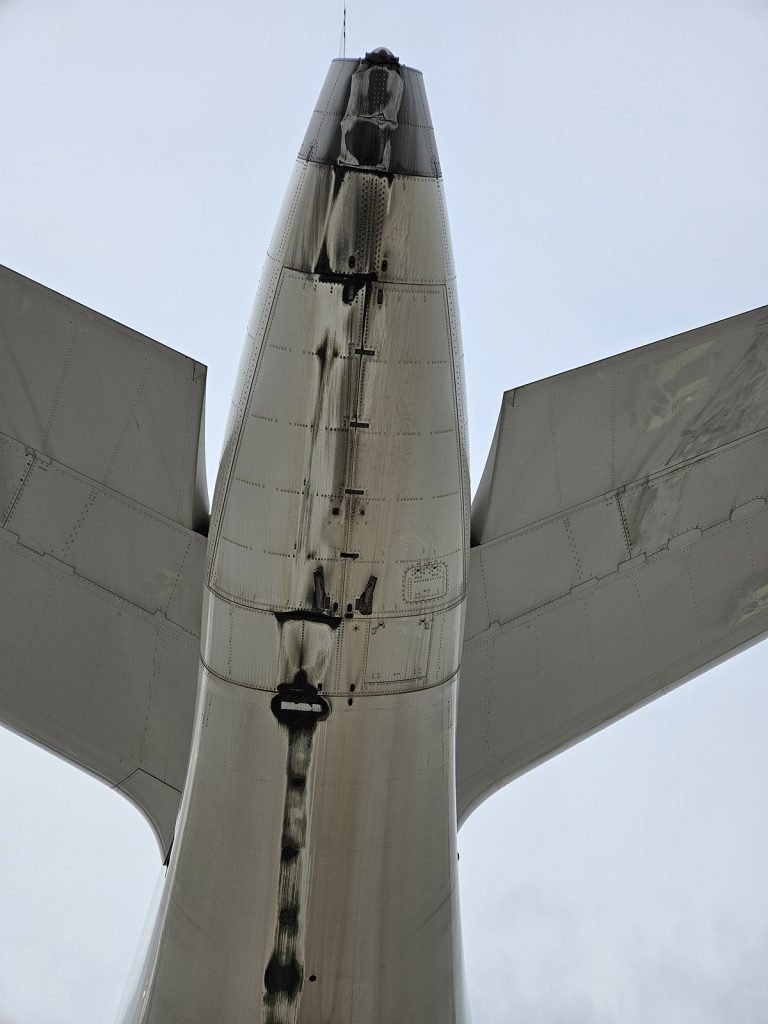
After the incident, an inspection revealed structural damage in the fuselage and tail section, including skin delamination, punctures, damaged fasteners, and a severely damaged tail cone. According to the TSB report, the two pilots did not notice the tail strike.
The incident has prompted both Airbus and Air France to change procedures and add more training.
Reinforced Training
Airbus has amended the A350 Flight Crew Training Manual and proposed recurrent training dedicated to conducting go-arounds near the ground. Additionally, the aircraft manufacturer has modified cockpit warnings and alerts to better accommodate go-around situations initiated close to the ground.
Air France has responded by incorporating “balked-landing” exercises during line-oriented and recurrent training for pilots across multiple aircraft types, including the A330, A220, A320, A350, Boeing 777, and 787. The airline has also added educational resources, including a video demonstrating a balked landing on the A350 aircraft for annual e-learning training.
Ryan founded AirlineGeeks.com in February 2013 and has spent more than a decade covering the airline business. His work has been featured by CNN, WJLA, CNET, and Business Insider. His aviation experience spans airport operations, Part 135 regulatory compliance, and airline crew workforce planning, along with time behind the yoke of a Cessna 172 and interviews with airline executives. Ryan now serves as Group President of Firecrown Media’s Aviation Group. He holds a B.S. in Air Transportation Management and an MBA from Arizona State University and teaches Airline Management at Embry-Riddle Aeronautical University.
Service between Austin and Cancun, Mexico, will begin on Dec. 20, operating once daily on an Airbus A320 aircraft. The airline will go head-to-head with American and Southwest, which serve the market multiple times per day.
“Delta is the leading global network carrier at Austin-Bergstrom, operating nearly 60 peak day departures this winter,” said Paul Baldoni, Delta’s senior vice president of network planning, in a news release. “This new service to Cancun adds yet another popular leisure destination for our Austin customers.”
The Austin-to-Cancun route will be seasonal, running through mid-April 2026. In addition, Delta plans to add more seasonal offerings from Austin, including a second daily Orlando, Florida, service.
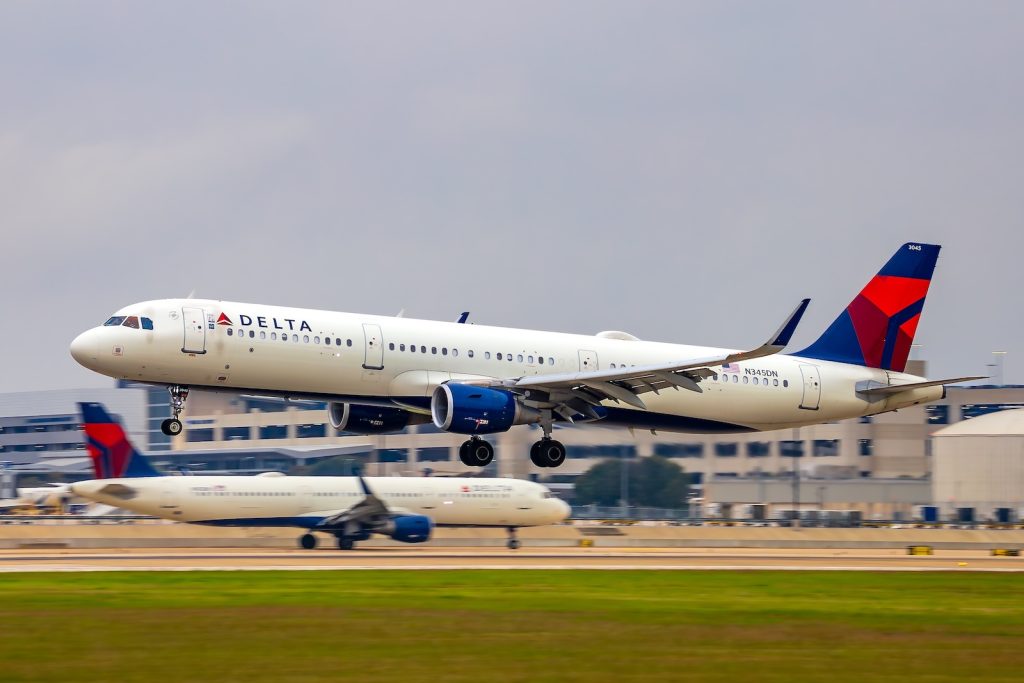
Delta A321s in Austin (Photo: Shutterstock | lorenzatx)
Growing in Central Texas
After American slashed its Austin network in 2024, Delta has doubled down, quickly positioning itself as the city’s No. 2 carrier. The airline’s departures from the airport have grown by 35% year over year, it said.
Delta has recently launched a slew of new routes from the Texas capital, with more starting in the coming months. These include Memphis, Tennessee; Tampa and Jacksonville, Florida; New Orleans; Indianapolis; and San Francisco.
Ryan founded AirlineGeeks.com in February 2013 and has spent more than a decade covering the airline business. His work has been featured by CNN, WJLA, CNET, and Business Insider. His aviation experience spans airport operations, Part 135 regulatory compliance, and airline crew workforce planning, along with time behind the yoke of a Cessna 172 and interviews with airline executives. Ryan now serves as Group President of Firecrown Media’s Aviation Group. He holds a B.S. in Air Transportation Management and an MBA from Arizona State University and teaches Airline Management at Embry-Riddle Aeronautical University.
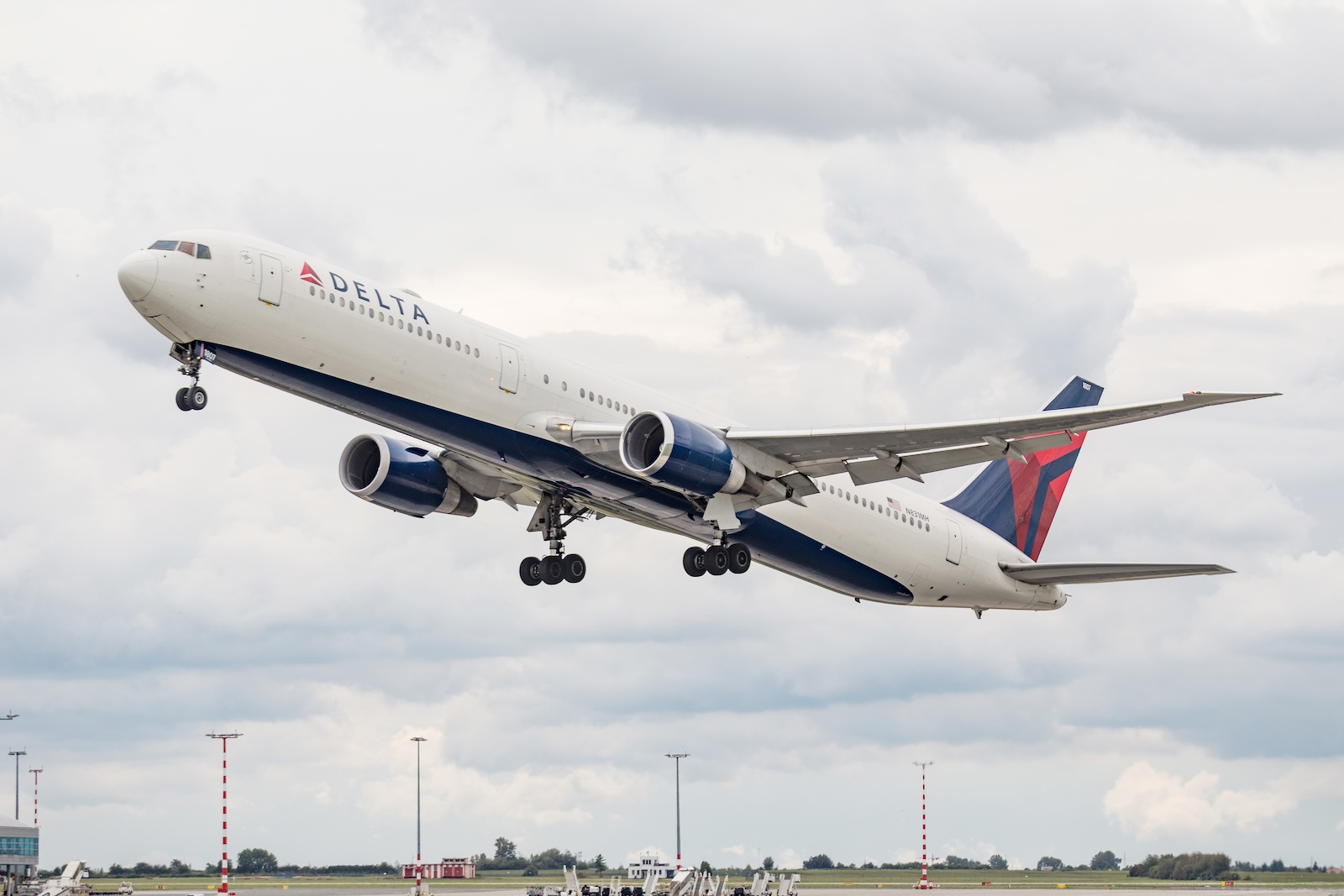
A Delta Boeing 767-400 aircraft. (Photo: Shutterstock | Nadezda Murmakova)
Delta is slated to expand its reach into North Africa later this year. The carrier announced a new route from its Atlanta hub on Friday.
Beginning on Oct. 25, the airline will serve Marrakech, Morocco. Delta joins United as the only two U.S. airlines serving the city.
The new service will operate three times per week on a Boeing 767-400ER aircraft.
“Delta’s new service to Marrakech and added flights to Accra strengthen our presence in Africa, offering more opportunities for customers to enjoy our award-winning service and premium onboard experience,” said Paul Baldoni, senior vice president of network planning at Delta, in a news release. “Whether discovering Morocco or reconnecting with loved ones in Ghana, these routes enhance our network while reinforcing Atlanta’s role as the world’s largest global hub.”
New Accra Route
Delta currently serves a handful of destinations in Africa, including Cape Town and Johannesburg, South Africa; Accra, Ghana; Dakar, Senegal; and Lagos, Nigeria. The carrier began serving the continent in 2006.
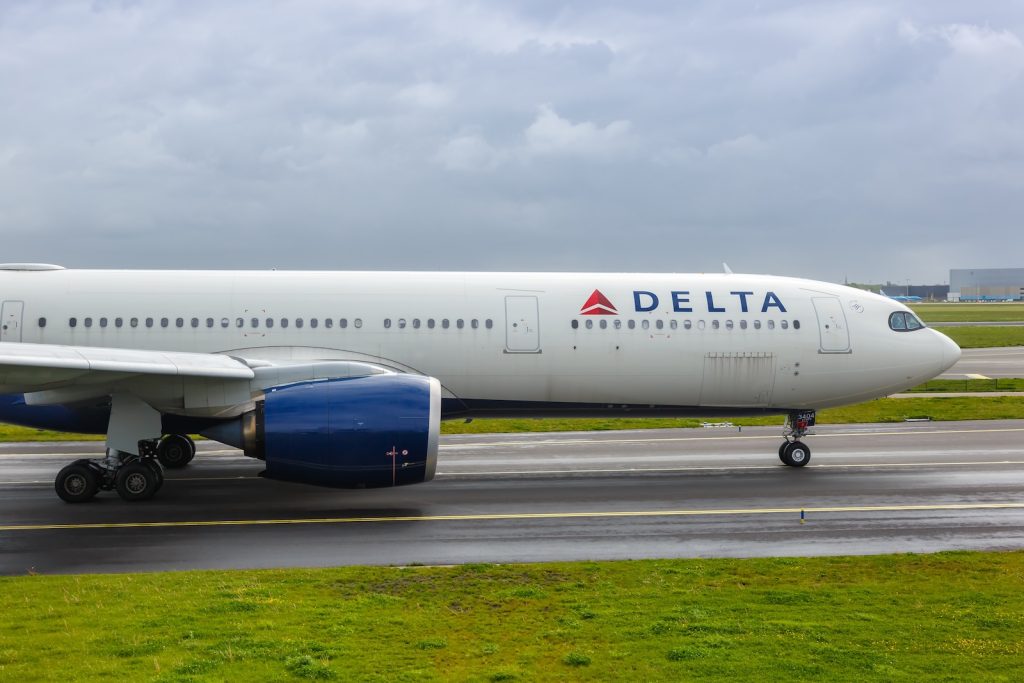
A Delta A330neo (Photo: Shutterstock | Markus Mainka)
In addition to the new service to Marrakech, Delta plans to link its Atlanta hub and Accra starting on Dec. 1, complementing existing service from New York-JFK. These seasonal flights will operate daily with an Airbus A330-900neo. The airline last connected Atlanta and Accra in 2012.
Ryan founded AirlineGeeks.com in February 2013 and has spent more than a decade covering the airline business. His work has been featured by CNN, WJLA, CNET, and Business Insider. His aviation experience spans airport operations, Part 135 regulatory compliance, and airline crew workforce planning, along with time behind the yoke of a Cessna 172 and interviews with airline executives. Ryan now serves as Group President of Firecrown Media’s Aviation Group. He holds a B.S. in Air Transportation Management and an MBA from Arizona State University and teaches Airline Management at Embry-Riddle Aeronautical University.
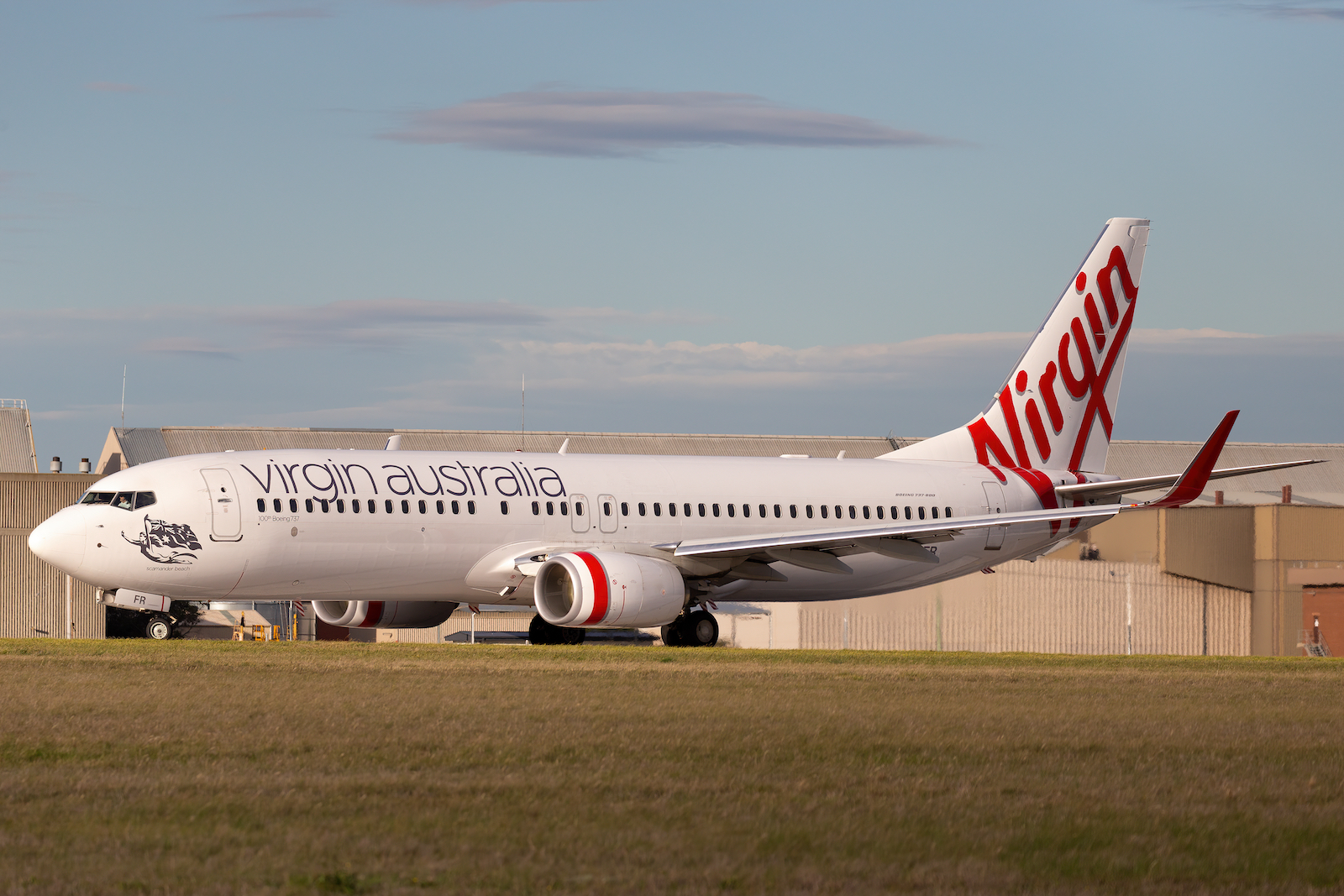
A Virgin Australia Boeing 737-800 (Photo: Shutterstock | Ryan Fletcher)
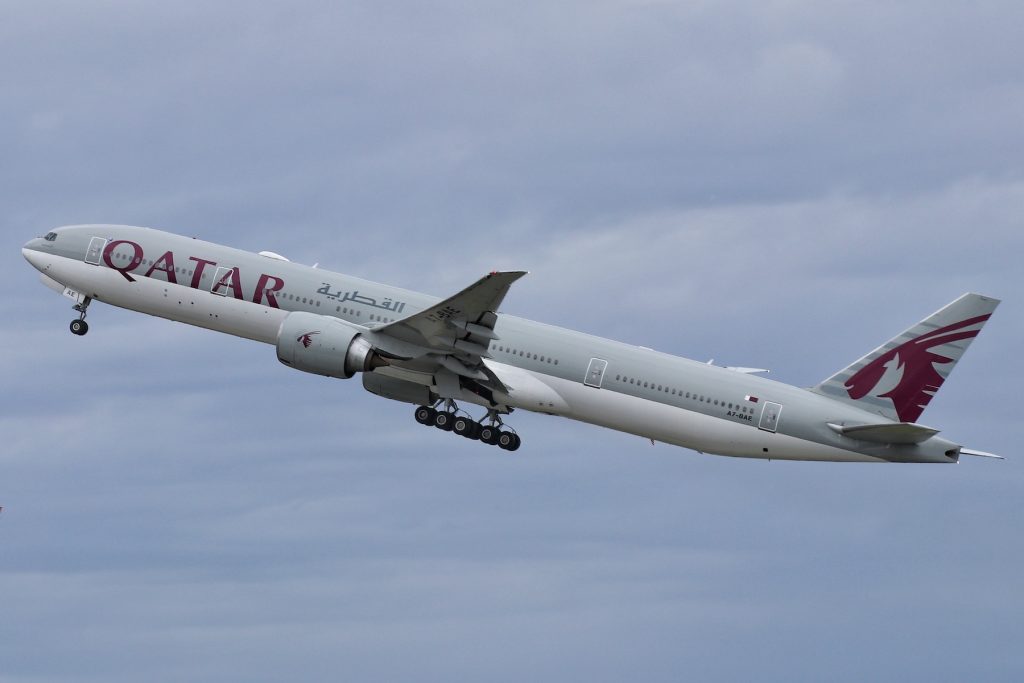
The Australian government has approved Qatar Airways Group’s acquisition of a 25% stake in Virgin Australia, paving the way for a deeper partnership between the two airlines and a major expansion of long-haul services. Bain Capital, which took control of Virgin Australia after its 2020 restructuring, will remain the majority shareholder alongside Virgin Group and the Queensland Investment Corporation.
Regulatory Approval and Competition Impact
The deal, which received clearance from the Foreign Investment Review Board, is expected to boost competition in the Australian aviation market and provide travelers with more options to Europe, the Middle East, and Africa. The Australian Competition and Consumer Commission (ACCC) had previously signaled support for the alliance, with final regulatory approvals anticipated by mid-2025.
Virgin Australia plans to reintroduce long-haul flights from Sydney, Brisbane, and Perth to Doha in June, pending approval from the International Air Services Commission. Melbourne flights are scheduled to launch in December. The airline will operate these routes using Qatar Airways aircraft under a wet-lease arrangement.
A Qatar Airways Boeing 777-300ER (Photo: AirlineGeeks | Katie Zera)
The partnership is projected to generate an estimated AU$3 billion in economic value over the next five years, primarily through tourism and increased connectivity. Strong interest has also been reported among Virgin Australia pilots and cabin crew for secondment opportunities with Qatar Airways.
“This latest development is a significant step towards solidifying the strong and enduring relationship between Qatar Airways Group and Virgin Australia,” said Qatar Airways Group CEO Engr. Badr Mohammed Al-Meer in a news release. “It is also a huge boost to our shared ambition to create even greater choice and value for all Australian passengers.”
Tolga is a dedicated aviation enthusiast with years of experience in the industry. From an early age, his fascination with aviation went beyond a mere passion for travel, evolving into a deliberate exploration of the complex mechanics and engineering behind aircraft. As a writer, he aims to share insights , providing readers with a view into the complex inner workings of the aviation industry.
Frontier Plans New International Routes
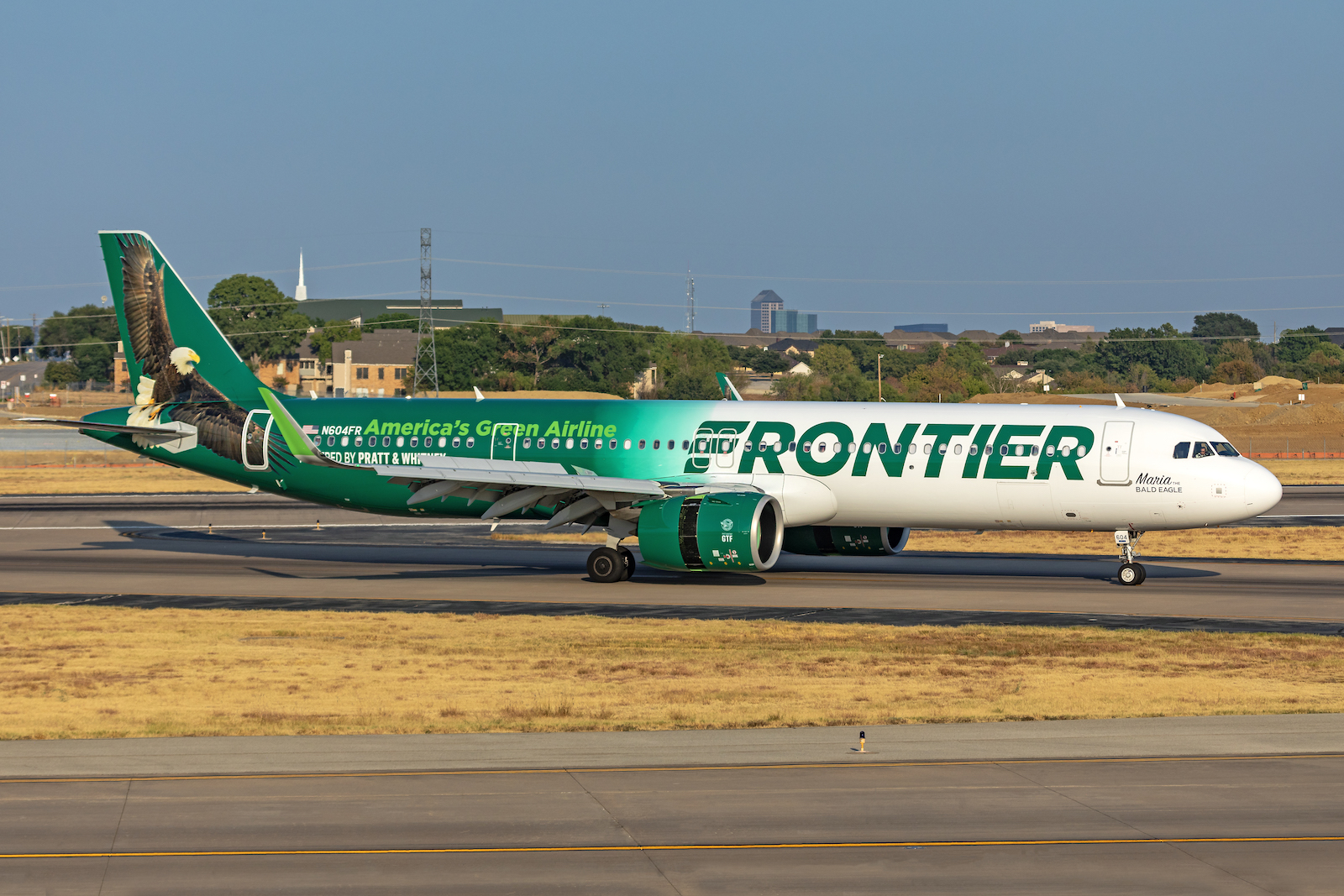
Frontier is set to add two new international markets to its route map this summer. The routes will be served from Atlanta.
A Frontier Airbus A321neo (Photo: AirlineGeeks | William Derrickson)
Frontier is set to add two new international markets to its route map this summer. The routes will be served from Atlanta.
Weekly service to Oranjestad, Aruba, will begin on May 24. Additionally, three-times-weekly service between Atlanta and San Pedro Sula, Honduras, will start on June 12.
In 2021 and 2022, Frontier linked Miami and Oranjestad. However, its service to Atlanta will be new.
The ultra-low-cost carrier will go head-to-head with Delta on both routes.
“We are thrilled to partner with the leadership at Hartsfield-Jackson Atlanta International Airport to significantly grow our operations and bring more low-cost flight options to Atlanta consumers. Our fares are 60 percent lower, on average, than other carriers operating from ATL,” said James Dempsey, president of Frontier Airlines, in a news release.
Along with the new international routes, the airline is adding flights to seven domestic destinations, including Oklahoma City; Kansas City, Missouri; Fort Myers, Jacksonville and Palm Beach, Florida; St. Louis; and Columbus, Ohio.
Ryan founded AirlineGeeks.com in February 2013 and has spent more than a decade covering the airline business. His work has been featured by CNN, WJLA, CNET, and Business Insider. His aviation experience spans airport operations, Part 135 regulatory compliance, and airline crew workforce planning, along with time behind the yoke of a Cessna 172 and interviews with airline executives. Ryan now serves as Group President of Firecrown Media’s Aviation Group. He holds a B.S. in Air Transportation Management and an MBA from Arizona State University and teaches Airline Management at Embry-Riddle Aeronautical University.
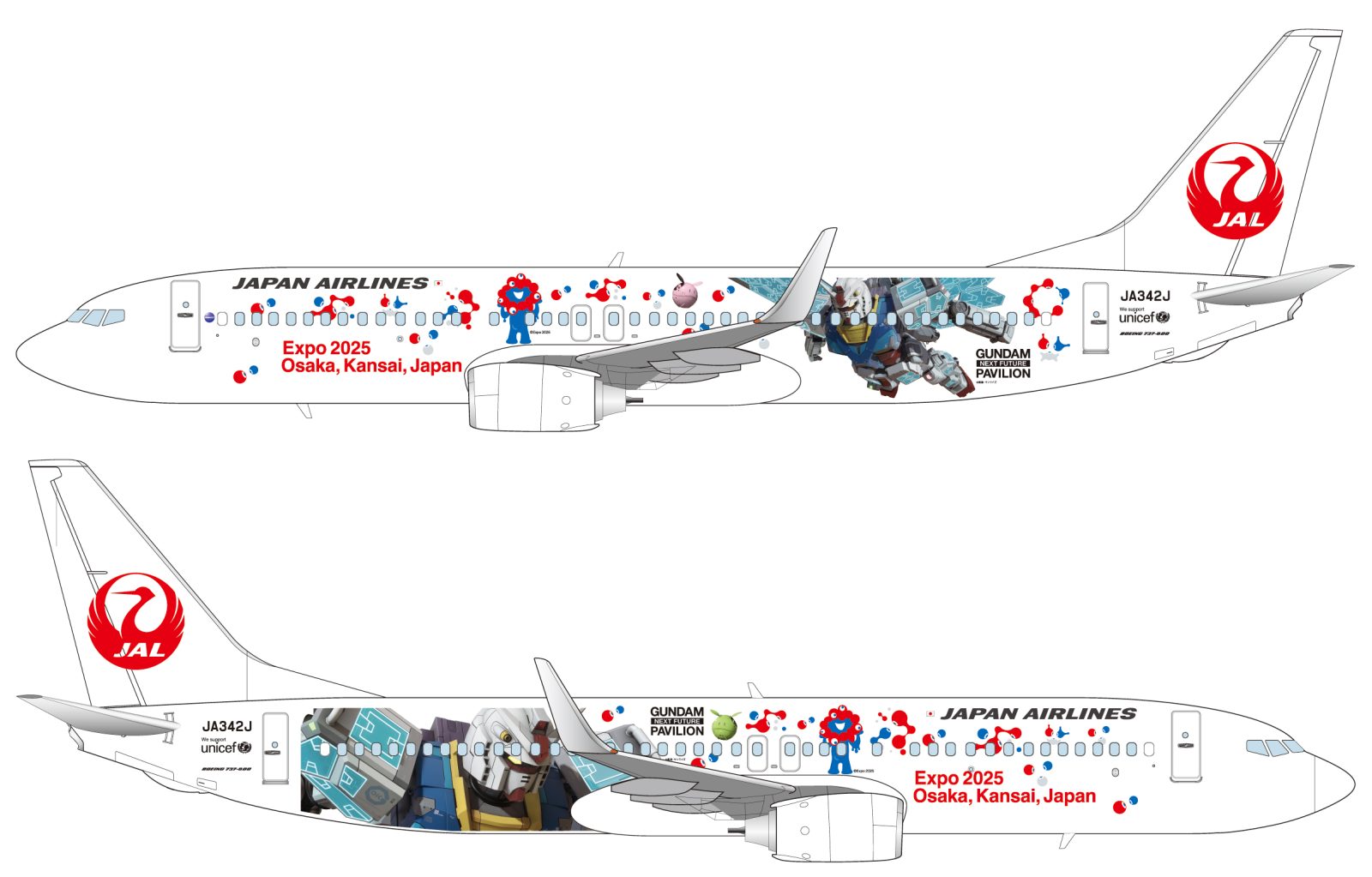
Japan Airlines Boeing 737-846 in a "Gundam Next Future Pavilion" livery for the 2025 Expo in Osaka, Japan (Photo: Japan Airlines)
Editor’s Note: AirlineGeeks is proud to present our ‘Livery of the Week’ series. Every Friday, a team member will share an airline livery, which can be from the past, present, or even a special scheme. Some airline liveries are works of art. The complexity associated with painting around critical flight components and the added weight requires outside-the-box thinking from designers. The average airliner can cost upwards of $200,000 to repaint, creating a separate aircraft repainting industry as a result.
Have an idea for a livery that we should highlight? Drop us a line.
Anime and science fiction series are an important part of Japanese culture and their most popular characters have been regularly featured on the fuselage of the most important Japanese carriers.
In celebration of the World Expo scheduled to take place between April and October in Kansai, the location just outside Osaka that is also home to the Osaka International Airport, Japan Airlines has decided to paint one of its Boeing 737-800 aircraft in a livery depicting Gundam, the famous robot starring in a military science fiction media franchise. In fact, one of the pavilions at the Expo 2025 is named “Gundam Next Future Pavilion: Life Spreading into the Future” and celebrates a hypothetical world where Gundam robots exist with the help of an 18-meter (59 feet) life-sized moving Gundam created in Yokohama in 2020.
Japan Airlines Boeing 737-846 in a “Gundam Next Future Pavilion” livery for the 2025 Expo in Osaka, Japan (Photo | X Japan Airlines Boeing 737-846 in a “Gundam Next Future Pavilion” livery for the 2025 Expo in Osaka, Japan (Photo: @JAL_Official_jp)
The aircraft chosen to sport this new livery is a Boeing 737-846 with registration JA342J in a 165-seat configuration mainly operating domestic flights within Japan. It is powered by two CFM56 engines and it performed its first flight on Apr. 6, 2012 as a JAL Express aircraft, being later “promoted” to the mainline fleet in October 2014.
Looking for a new airplane model? Head over to our friends at the Midwest Model Store for a wide selection of airlines and liveries.
Vanni fell in love with commercial aviation during his undergraduate studies in Statistics at the University of Bologna, when he prepared his thesis on the effects of deregulation on the U.S. and European aviation markets. Then he pursued his passion further by obtaining a Master’s Degree in Air Transport Management at Cranfield University in the U.K. followed by holding several management positions at various start-up carriers in Europe (Jet2, SkyEurope, Silverjet). After moving to Canada, he was Business Development Manager for IATA for nine years before turning to his other passion: sports writing.
Qantas to Fully Redeploy A380s
On Thursday, the airline said it plans to restore its last two A380s to active service in 2025. Previously, the last A380 was set to reenter service in 2026.
A Qantas A380 in long-term storage (Photo: AirlineGeeks | William Derrickson)
Qantas says it will fully deploy its Airbus A380 fleet this year. During the COVID-19 pandemic, the Australian carrier opted to ground its superjumbo fleet but has gradually returned the jets to service.
Ryan founded AirlineGeeks.com in February 2013 and has spent more than a decade covering the airline business. His work has been featured by CNN, WJLA, CNET, and Business Insider. His aviation experience spans airport operations, Part 135 regulatory compliance, and airline crew workforce planning, along with time behind the yoke of a Cessna 172 and interviews with airline executives. Ryan now serves as Group President of Firecrown Media’s Aviation Group. He holds a B.S. in Air Transportation Management and an MBA from Arizona State University and teaches Airline Management at Embry-Riddle Aeronautical University.
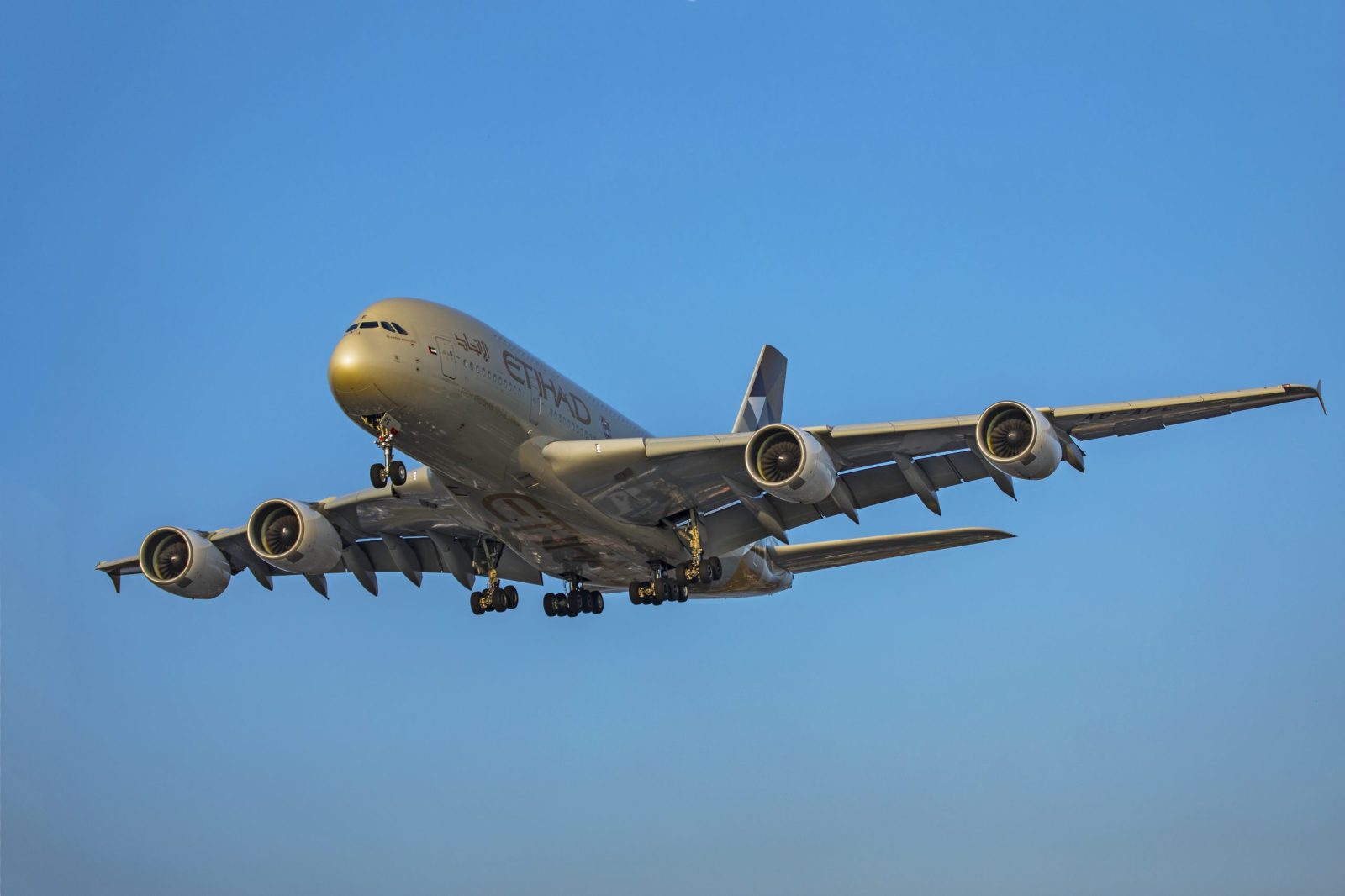
An Etihad Airways Airbus A380 (Photo: AirlineGeeks | William Derrickson)
Etihad Airways has announced that it will be deploying the Airbus A380 on its Abu Dhabi – Toronto route. The double-decker aircraft will replace the Airbus A350-1000 on the route as of June 24, 2025.
The Abu Dhabi-based carrier has a fleet of six Airbus A380s, all of which are currently in use. As flagged by One Mile at a Time, the airline will be pulling the A380 from its Abu Dhabi – New York-JFK route and swapping it with the A350-1000.
The change marks a significant increase in capacity for the carrier’s service to Toronto Pearson International Airport. Its A350-1000s have 371 seats in a two-class configuration, while its A380s can carry 486 passengers in three classes. Etihad’s A380s also feature the carrier’s three-room first class suite, known as “The Residence.”
“Deploying the A380 on the popular Toronto route is a strategic move to meet customer demand for increased capacity while expanding our network,” Etihad chief revenue and commercial officer Arik De said in a press release. “This will strengthen connections to the broader GCC and Indian subcontinent and attract more visitors to experience the vibrant city of Abu Dhabi.”
Etihad currently flies its A380 aircraft to three other destinations from Abu Dhabi: London-Heathrow, Paris, and Singapore.
Andrew is a lifelong lover of aviation and travel. He has flown all over the world and is fascinated by the workings of the air travel industry. As a private pilot and glider pilot who has worked with airlines, airports and other industry stakeholders, he is always excited to share his passion for aviation with others. In addition to being a writer, he also hosts Flying Smarter, an educational travel podcast that explores the complex world of air travel to help listeners become better-informed and savvier travelers.