










Stories

Two Airports Move to Privatize Security

A third is exploring participation but has not reached a final decision.

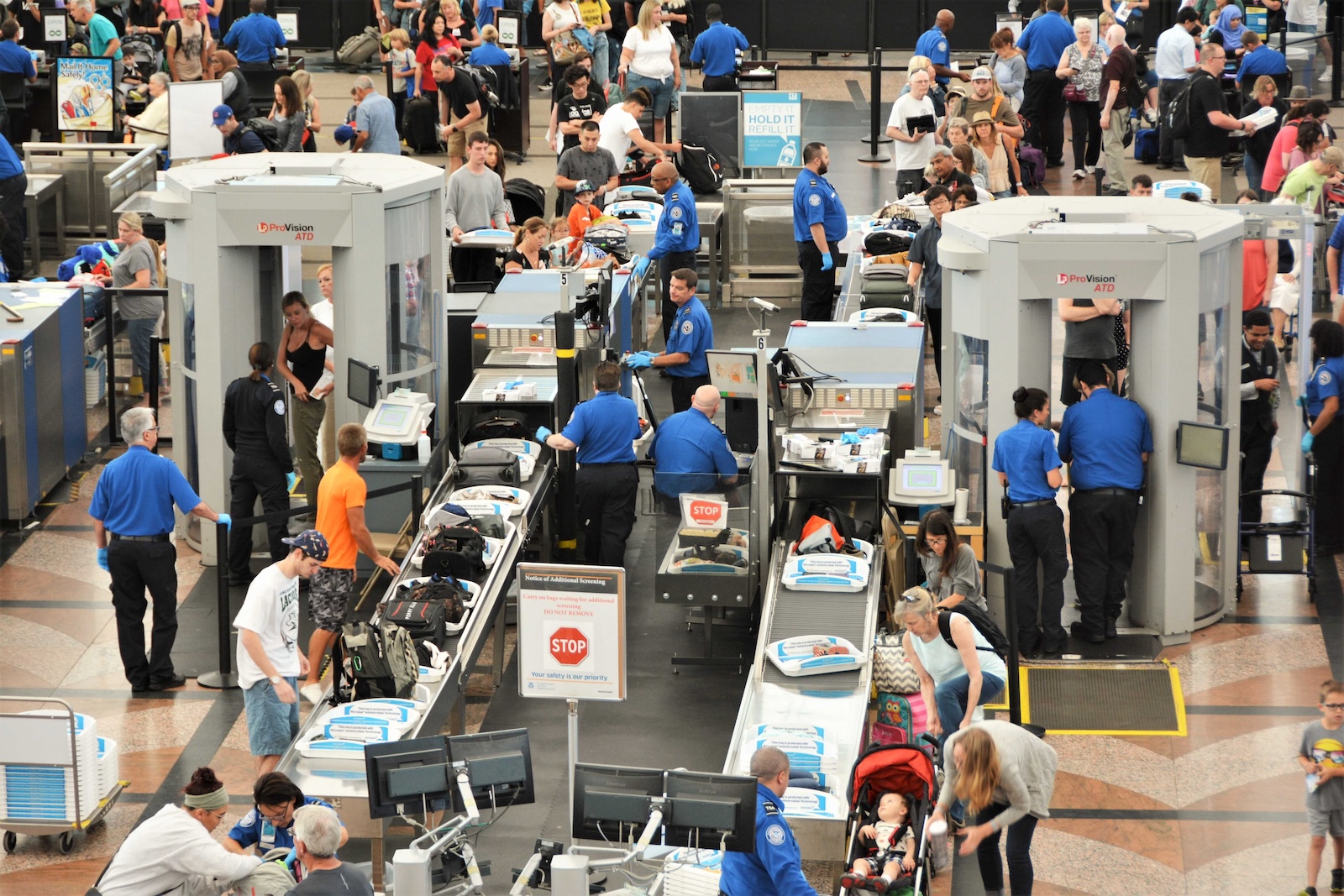
TSA checkpoint
A TSA checkpoint. (Photo: Shutterstock | Jim Lambert)

At least two U.S. airports are moving to privatize security and passenger screening operations under a new TSA program, and a third is exploring the same option.

TSA Gold+, an expansion of the existing Screening Partnership Program, allows airports to partner with private screening contractors, whose employees would perform the security functions normally carried out by TSA officers. Federal oversight remains in place, and security staff must meet TSA standards and use approved equipment.

The program was launched in May, shortly after the resolution of a partial government shutdown that cut off paychecks for TSA workers, along with other Department of Homeland Security employees. The funding deadlock caused some TSA officers to call out sick, quit, or take on a second job, which reduced staffing at checkpoints and increased security wait times. At some large airports, waits of three or four hours became common on busy travel days.

The TSA is still in the process of establishing requirements for Gold+.

Tampa International Airport in Florida confirmed to AirlineGeeks on Thursday that it “has opted in” to the program.

“TPA’s decision to join TSA Gold+ reflects the airport’s strong commitment to modernization, innovation, and operational resilience in aviation security,” the airport said in a statement. “The change to privatization not only reduces disruption risks caused by lapses in federal appropriations or government shutdowns but also allows greater flexibility in exploring new screening checkpoint infrastructure and technology to enhance the customer experience.”

Similarly, Charleston International Airport in South Carolina told AirlineGeeks that it is “formally pursuing” a transition to Gold+.

The airport said that every current TSA officer at Charleston who wishes to remain will have the opportunity to transition to the screening contractor at equivalent pay and benefits. The new system will eliminate the uncertainty caused by past government shutdowns, it added, while also providing workers with next-generation screening technology.

“Our TSA officers are among the very best in the nation,” Elliott Summey, president and CEO of Charleston International Airport, said in a news release. “This decision is about investing in the people who protect our travelers every day by providing them with better tools, greater workplace stability, and the support they deserve while continuing to deliver the highest level of aviation security.”

Des Moines International Airport in Iowa said Thursday that it is “exploring participation” in Gold+ as it prepares to open its new terminal in 2027.

“Our first priority is always the safety and security of our passengers,” Des Moines Airport Authority CEO Brian Mulcahy said in a statement. “This is a TSA program that offers the opportunity to pair TSA’s security oversight with some of the newest checkpoint technology available. As we prepare to open our new terminal, we’re excited for this leap forward in technology that would improve the passenger experience.”

Like his counterpart in Charleston, Mulcahy emphasized that TSA officers at Des Moines would have the option of joining a future contractor.

“TSA officers have done an outstanding job serving Central Iowa, and we recognize there is uncertainty whenever a new program is discussed,” he added. “One of the important aspects of TSA Gold+ is that our current TSOs have the first opportunity to continue serving at DSM after TSA selects a screening contractor. Federal law also requires that contractors provide compensation and benefits commensurate with today’s federal workforce.”

The airport said it will continue to work with TSA as Gold+ is developed. Any decision on participation will be made after additional evaluation and coordination with the agency, it said.

Union Response

The American Federation of Government Employees (AFGE), which represents around 47,000 TSA officers, denounced Gold+ on Tuesday after being notified by the TSA about the potential entry of Tampa, Charleston, and Des Moines into the program.

Privatization risks undoing many of the positive advancements in airport security and screening made over the last several decades, the union argued.

“Make no mistake, this is a major departure and step backwards from the aviation screening security system that Congress created in the wake of the Sept. 11 terrorist attacks in 2001 and the deadly bombing of Pan Am Flight 103 over Scotland in 1988,” AFGE National President Everett Kelley said in a statement. “Changes of this magnitude should not be made behind closed doors without the input of Congress, the flying public, the local airport authorities, and TSA employees themselves.”

AFGE also framed Gold+ as one part of a broader effort by the Trump administration to dismantle the TSA in its current form. The organization cited a proposal in the White House’s 2027 budget that would eliminated 8,400 TSA positions and replace about 4,500 of them with private contractors.

“The Trump administration’s clear objective is to ultimately privatize all aviation security screening functions, and we don’t have to theorize about what that may look like because we have been through this before and witnessed the devastating and deadly consequences,” Kelley said. “The administration’s actions should concern all Americans, and AFGE will continue to speak out against any proposal that threatens our members’ jobs and jeopardizes the safety of the flying public.”

The TSA was created in November 2001, shortly after the 9/11 attacks. Prior to that, airport screening was handled by a large number of private companies.

Zach Vasile

Zach Vasile is a writer and editor covering news in all aspects of commercial aviation. He has reported for and contributed to the Manchester Journal Inquirer, the Hartford Business Journal, the Charlotte Observer, and the Washington Examiner, with his area of focus being the intersection of business and government policy.

Detroit Metro Airport to Acquire Spirit Hangar

The court overseeing Spirit's liquidation will rule on the sale next month.

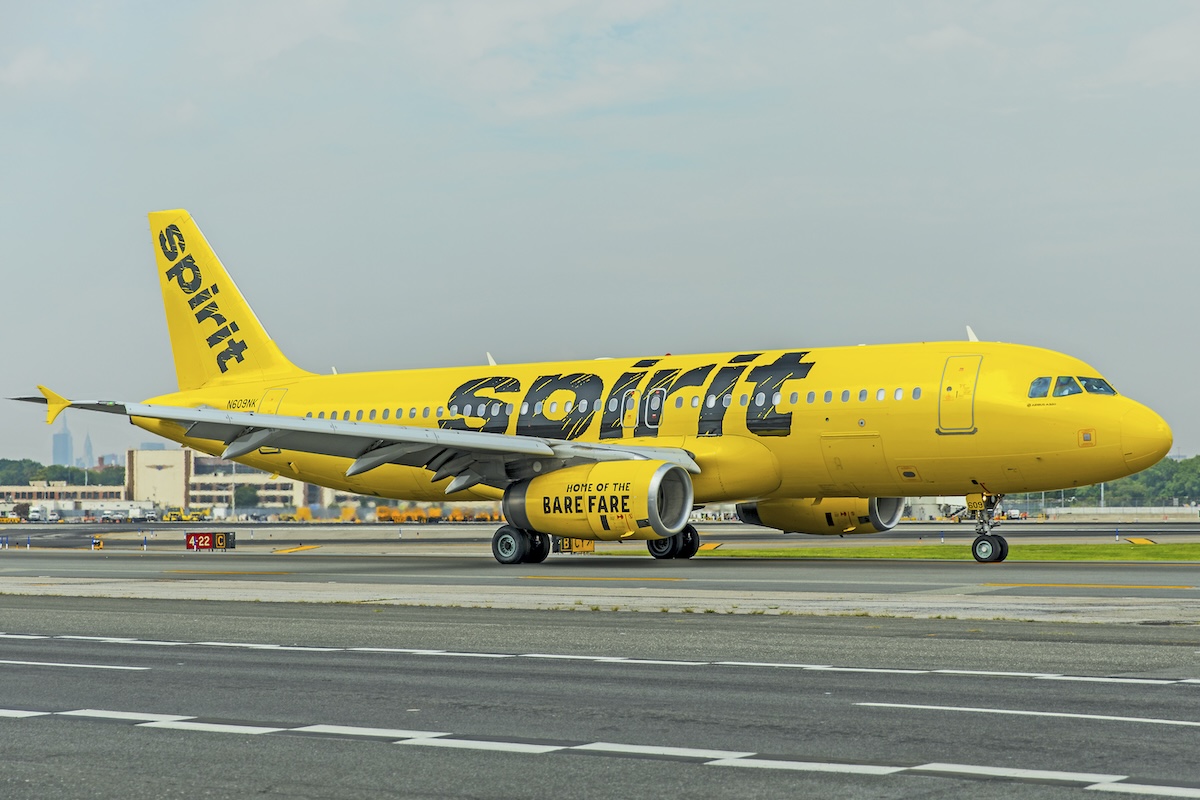
Spirit Airbus A320
A Spirit A320. (Photo: AirlineGeeks | William Derrickson)

Detroit Metropolitan Wayne County Airport has submitted the top bid for a former Spirit Airlines hangar on the airport’s grounds.

Citing court records, CBS News reported Wednesday that the Wayne County Airport Authority, which owns and operates the airport, agreed to pay $18 million to take over the lease for the hangar. The agency’s offer was deemed the “highest and best,” the documents show.

“We were informed by the bankruptcy court that we submitted the winning bid, but the court will make a final determination after August 4th,” the WCAA said in a statement to CBS News. “We continue to explore all options for the hangar, but it would be premature to make any plans until after the court’s decision.”

According to The Detroit News, the 126,000-square-foot hangar was the largest aircraft maintenance facility in Spirit’s network. Up to 100 technicians worked there until early May, when Spirit ceased operations.

A small core of Spirit employees is overseeing the sale of the carrier’s remaining assets, including hangars, aircraft, equipment, and other infrastructure. The money raised will be used to pay back the company’s creditors.

Zach Vasile

Zach Vasile is a writer and editor covering news in all aspects of commercial aviation. He has reported for and contributed to the Manchester Journal Inquirer, the Hartford Business Journal, the Charlotte Observer, and the Washington Examiner, with his area of focus being the intersection of business and government policy.

BermudAir Orders 10 A220s

The carrier said the aircraft will support new connections across North America and the Caribbean.

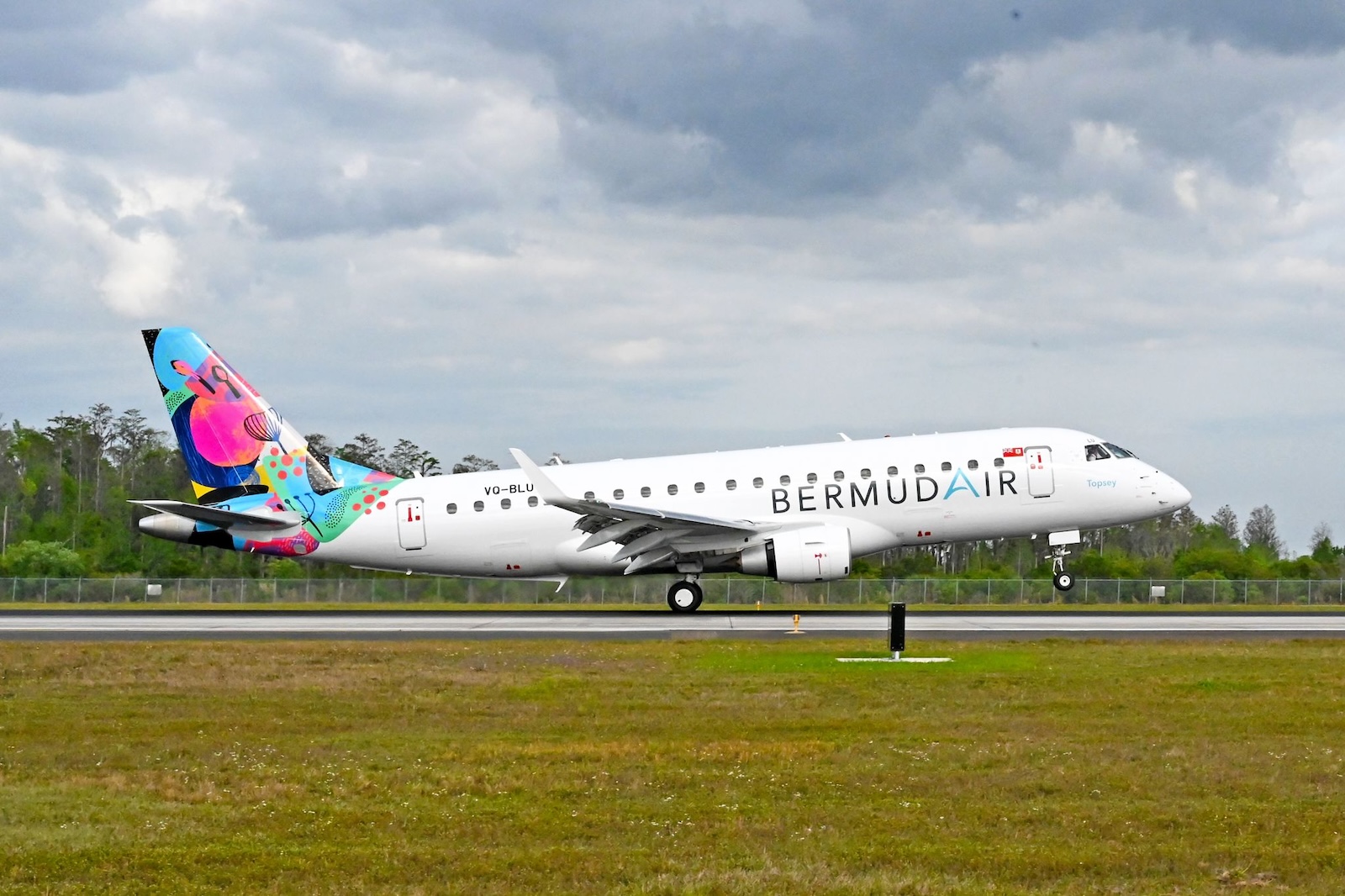
BermudAir E175
A BermudAir E175 aircraft. (Photo: Orlando International Airport)

BermudAir is significantly enlarging its fleet with its first ever order from Airbus.

The manufacturer revealed Wednesday that BermudAir has agreed to purchase 10 A200-300s – a notable buy for a small airline that currently uses only Embraer jets. The order was placed in March and marked as “undisclosed” in Airbus’ order book; details were released this week during the Farnborough International Airshow in England.

Airbus said the A220s will come with 135 seats in a three-class layout. The aircraft will offer “new possibilities for route development and new destinations,” the company added.

“The A220 is the ideal aircraft to support the next phase of BermudAir’s growth,” Adam Scott, BermudAir’s founder and CEO, said in a news release. “Its exceptional range, operating economics, and performance at constrained airports will allow us to connect more communities across Bermuda, the Caribbean, and North America with direct, reliable, and convenient air service.”

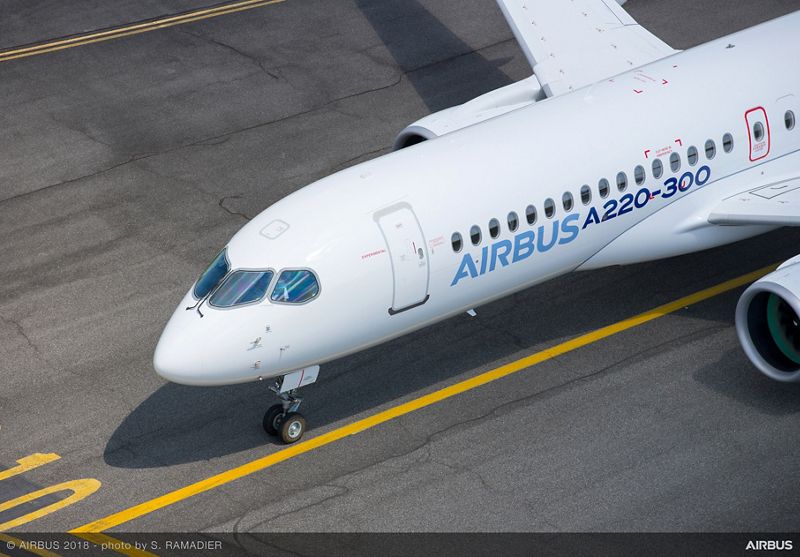
An Airbus A220 taxiing in Toulouse. (Photo: Airbus)

BermudAir currently uses a mix of Embraer E175 and E190 aircraft. It connects Bermuda with destinations in the eastern U.S. and Canada and is launching new connections to the Caribbean and Central America later this year.

Zach Vasile

Zach Vasile is a writer and editor covering news in all aspects of commercial aviation. He has reported for and contributed to the Manchester Journal Inquirer, the Hartford Business Journal, the Charlotte Observer, and the Washington Examiner, with his area of focus being the intersection of business and government policy.

Contour Adds New Caribbean Routes

Service will start in October.

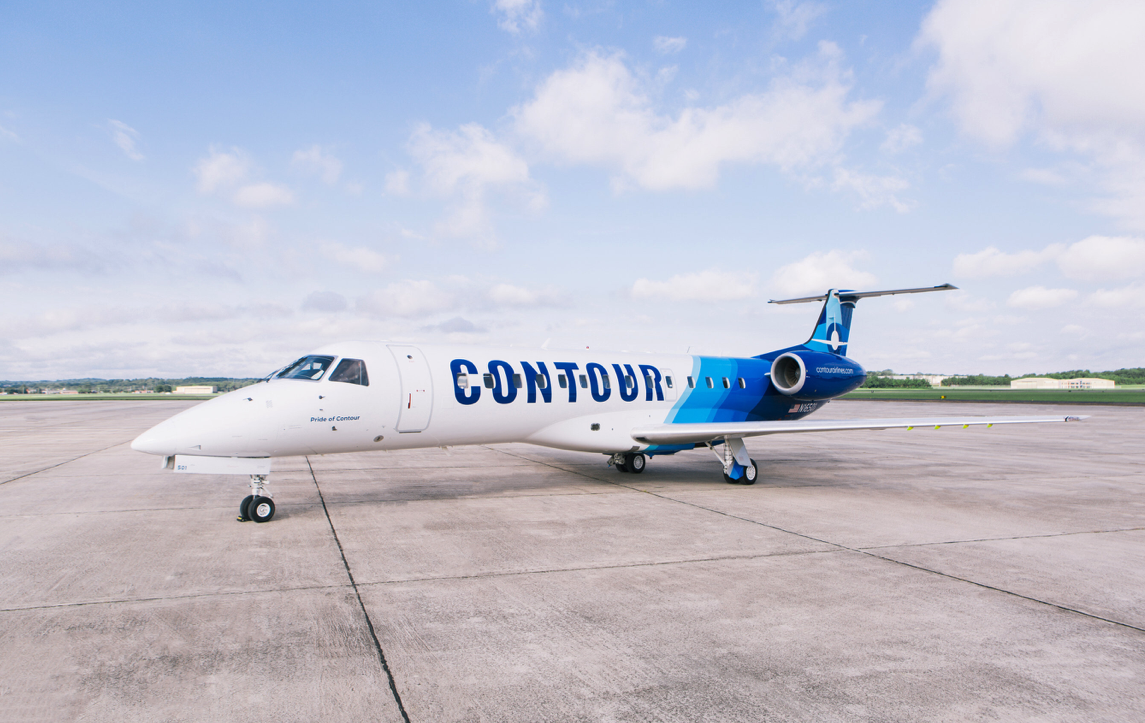
A Contour Airlines ERJ-135. (Photo: Contour Airlines)

Contour Airlines will expand its presence in the eastern Caribbean this fall.

The independent regional carrier announced Wednesday that it will connect St. Thomas in the U.S. Virgin Islands with St. Maarten, and Dominica with Trinidad and Tobago.

Flights between St. Thomas and St. Maarten will start on Oct. 5 and operate twice per week, on Mondays and Fridays. Contour will use Cyril E. King Airport in St. Thomas and Princess Juliana International Airport in St. Maarten.

Service between Dominica’s Douglas-Charles Airport and Piarco International Airport in Port of Spain will also commence Oct. 5. Flights from Dominica to Trinidad will operate on Mondays and Thursdays, and return service from Trinidad to Dominica will run on Tuesdays and Fridays.

Contour will also launch one-stop connections between San Juan, Puerto Rico, and Trinidad, and between Trinidad and St. Thomas. Flights from Trinidad to San Juan will operate on Tuesdays, with return service on Thursdays. Flights from Trinidad to St. Thomas will operate on Fridays, with return service on Mondays.

Contour said the new routes will help improve connectivity in the eastern Caribbean, expand access for tourists, and build capacity for business travel.

Zach Vasile

Zach Vasile is a writer and editor covering news in all aspects of commercial aviation. He has reported for and contributed to the Manchester Journal Inquirer, the Hartford Business Journal, the Charlotte Observer, and the Washington Examiner, with his area of focus being the intersection of business and government policy.

Fuel Hit Sets Alaska Back in Q2

Still, the company said it is heading in the right direction, with consumer demand remaining strong and its unit cost trajectory improving.

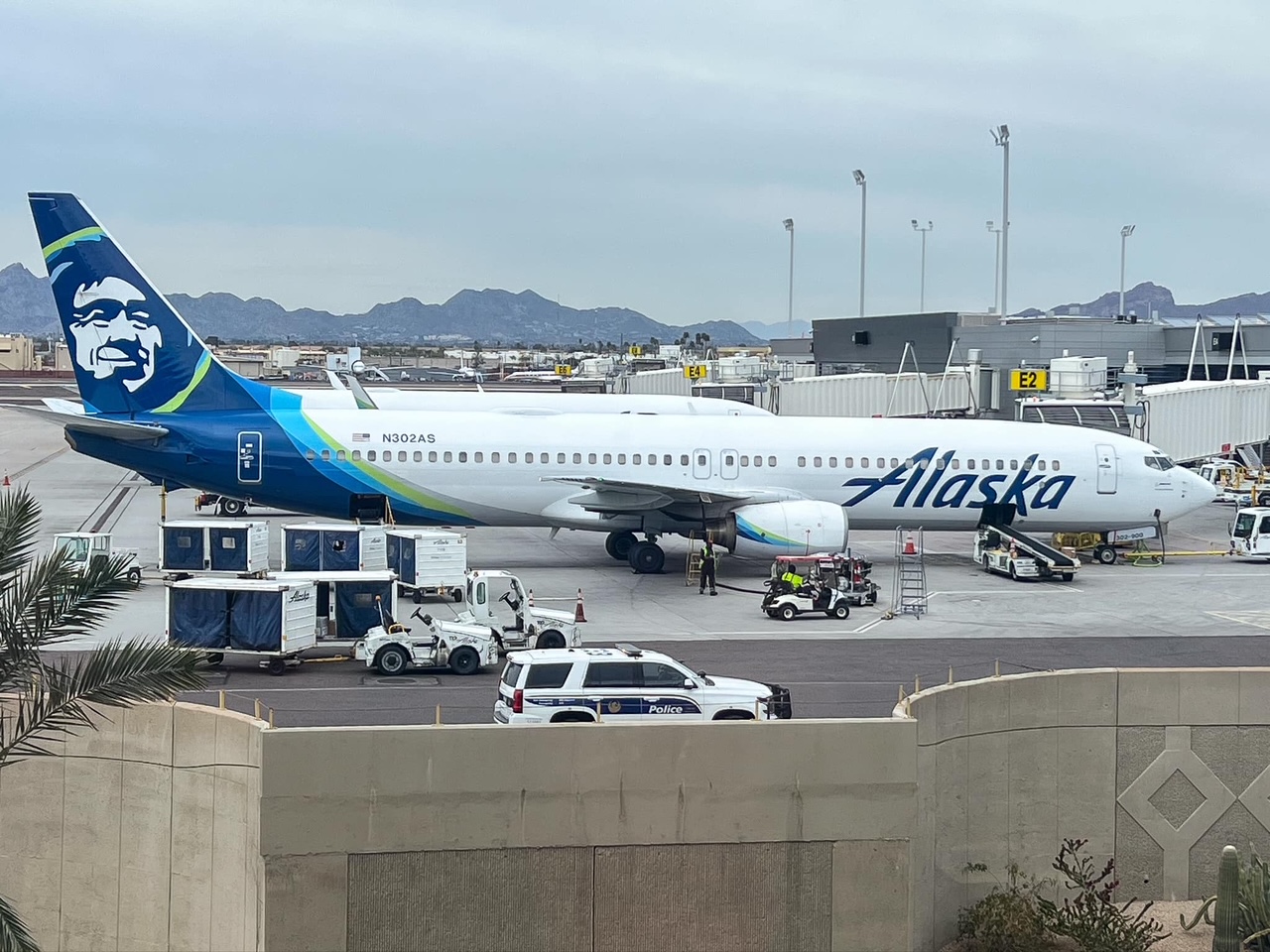
Alaska 737-900
An Alaska 737-900 in Phoenix. (Photo: AirlineGeeks | Katie Zera)

Alaska Air Group saw profits slide in the second quarter of 2026, but underneath those numbers, the company is continuing to gather strength, officials said Tuesday.

The corporate parent of Alaska Airlines, Hawaiian Airlines, and Horizon Air saw operating revenue shoot up from $3.7 billion to $4 billion on a year-to-year basis, but an 85% spike in fuel costs during the spring reversed that progress. Hawaiian also faced costly flight disruptions from severe storms in Hawaii in March.

Alaska Air Group finished the quarter with a net loss of $76 million, or 68 cents per share, down from a net gain of $172 million in the second quarter of 2025.

Still, the company found plenty of reasons for optimism. Demand was resilient through the second quarter, it said, and loyalty performance was robust. Premium revenue increased by 15%, while cargo revenue climbed by 21%.

On the operations side, Alaska Airlines and Hawaiian transitioned to a single passenger service system, and Alaska launched new routes to Rome, London, and Reykjavík, Iceland.

“Our second quarter results were defined by a fuel spike outside our control, but underneath it, this company is executing better than ever,” CEO Ben Minicucci said in a statement. “We led the industry in on-time performance for the first half of the year, completed the last major technical milestone of our Hawaiian integration, launched service to Europe, and returned to profitability in June.”

“Absent the fuel headwind, we would have delivered a solidly profitable quarter,” he continued. “I have never been more confident in our people, our plan, and the long-term earnings power of Alaska Air Group.”

Airlines around the world have been grappling with higher jet fuel costs as a result of the war in Iran. Prices moderated somewhat in June when a peace agreement was signed but are climbing once again now that fighting in the Persian Gulf region has resumed.

Alaska Air Group said its economic fuel cost was $4.43 per gallon, resulting in $600 million of incremental fuel cost for the quarter. In response, the company raised $1 billion in financing to bolster liquidity to the top end of its target range of 15% to 25% of trailing-12-month revenue.

“As the fuel environment stabilizes and our earnings profile improves, we expect to put excess liquidity towards paying down debt and bringing liquidity back to the midpoint of our target range,” the group said.

Alaska leaders predicted that the third quarter will bring on a “meaningful inflection in financial performance,” with unit revenue expected to improve. Fuel costs should also come down as refining margins moderate, they said.

Zach Vasile

Zach Vasile is a writer and editor covering news in all aspects of commercial aviation. He has reported for and contributed to the Manchester Journal Inquirer, the Hartford Business Journal, the Charlotte Observer, and the Washington Examiner, with his area of focus being the intersection of business and government policy.

Air Astana Applies to Start U.S. Flights

The carrier floated one possible destination.

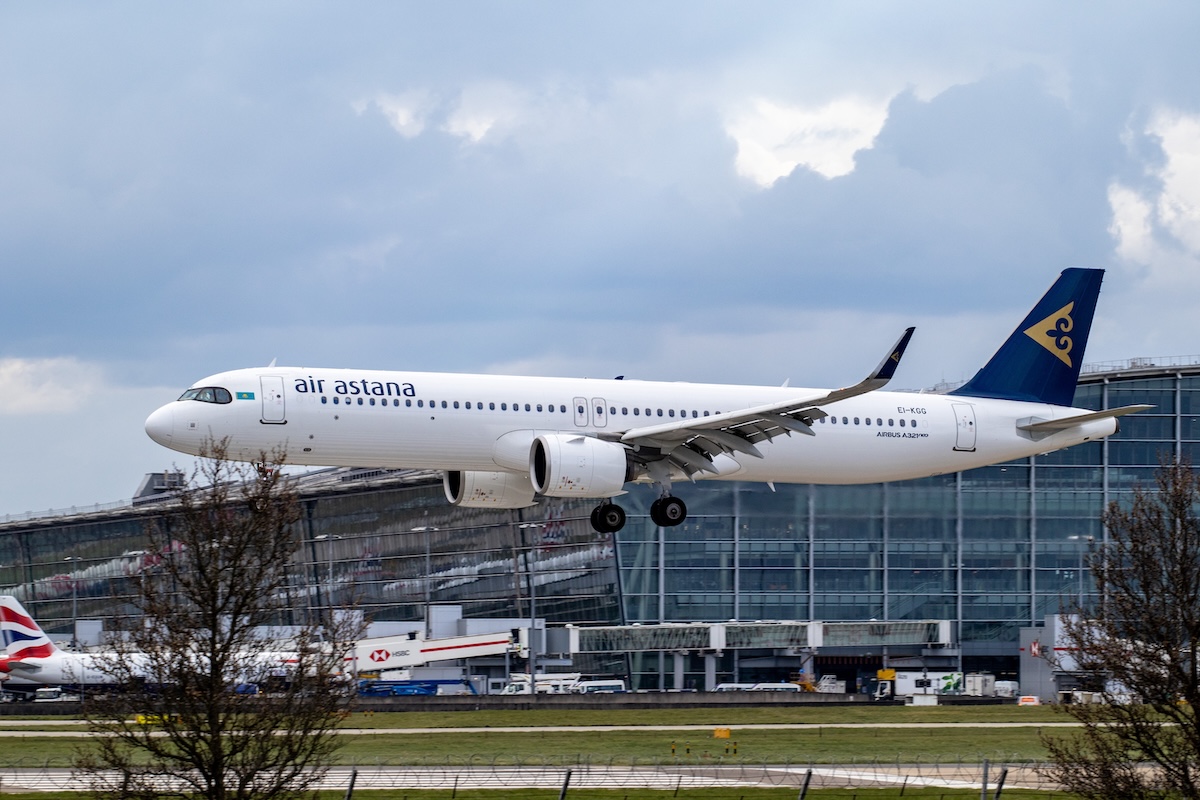
An Air Astana A321neo
An Air Astana A321neo (Photo: Shutterstock | Airlinephoto)

Air Astana, the flag carrier of Kazakhstan, is seeking permission from the Department of Transportation to add flights to and from the U.S.

In an application for exemption authority filed on Tuesday, the airline proposed launching connections from the cities of Almaty and Astana to New York. The document did not specify which New York airport Air Astana would serve.

The carrier is looking to start service in 2027, using a 303-seat Boeing 787 Dreamliner.

Air Astana’s representatives said the carrier’s maintenance, insurance, and safety practices meet U.S. standards. They also made the case that an air link between the two countries would serve the public interest.

There are currently no nonstop commercial flights between the U.S. and Kazakhstan.

Air Astana is headquartered in Almaty and serves destinations across the Middle East, Asia, and Europe. Its fleet consists mostly of Airbus aircraft, though it has ordered up to 15 787s.

Zach Vasile

Zach Vasile is a writer and editor covering news in all aspects of commercial aviation. He has reported for and contributed to the Manchester Journal Inquirer, the Hartford Business Journal, the Charlotte Observer, and the Washington Examiner, with his area of focus being the intersection of business and government policy.

Hawaiian to Replace Retiring 717s With Alaska’s 737s

The -800s will be used for inter-island flying.

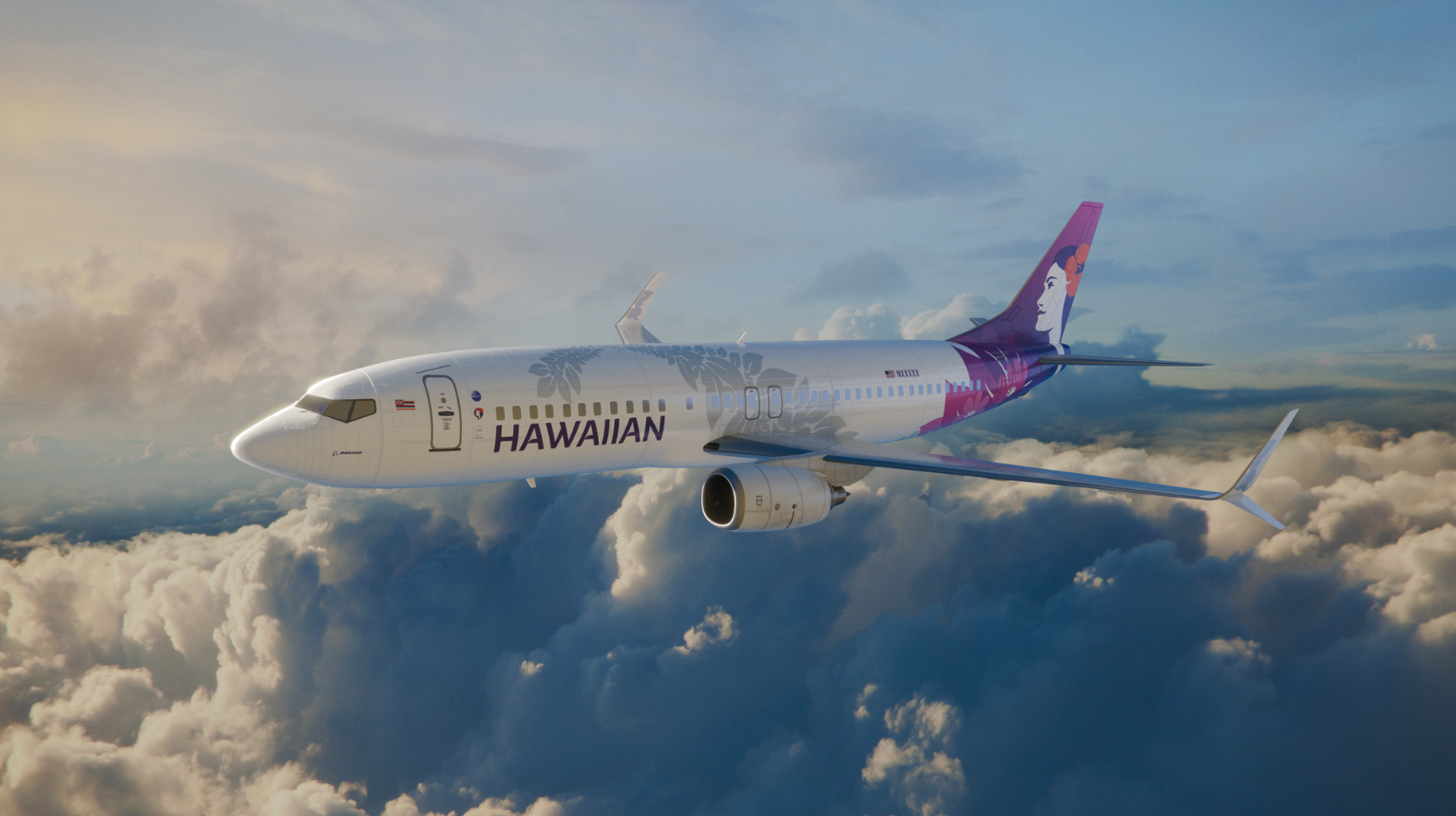
A rendering of a Hawaiian 737-800. (Credit: Alaska Air Group)

Alaska Air Group will use Boeing 737-800s to replace the retiring 717s currently operating Hawaiian Airlines’ short-haul inter-island flights.

The company – which owns Hawaiian, Alaska Airlines, and Horizon Air – said the -800s will significantly improve the customer experience and boost reliability. It did not say exactly how many of the aircraft will be committed to inter-island flying.

Hawaiian – and, by extension, Alaska – operates one of the largest 717 fleets in the world. The narrowbody jet ceased production in 2006, and many large airlines have retired the model in the years since.

Hawaiian appeared set on keeping the 717 in service, but late last year officials acknowledged that they were weighing options for a replacement.

The fleet transition is expected to begin in 2028.

Alaska Air Group said the 737s will have Hawaiian branding and be based in Honolulu. The aircraft will be flown and crewed by Hawaii-based pilots and flight attendants.

“Neighbor Island service is part of the fabric of life in Hawaii, and we know how deeply our guests, employees, and communities care about its future,” Hawaiian CEO Diana Birkett Rakow said in a news release. “This decision reflects our commitment to invest in Hawaii for the long term, to strengthen Hawaiian Airlines, and to honor the local expertise, culture, and care that have made Hawaiian the airline of Hawaii for nearly a century.”

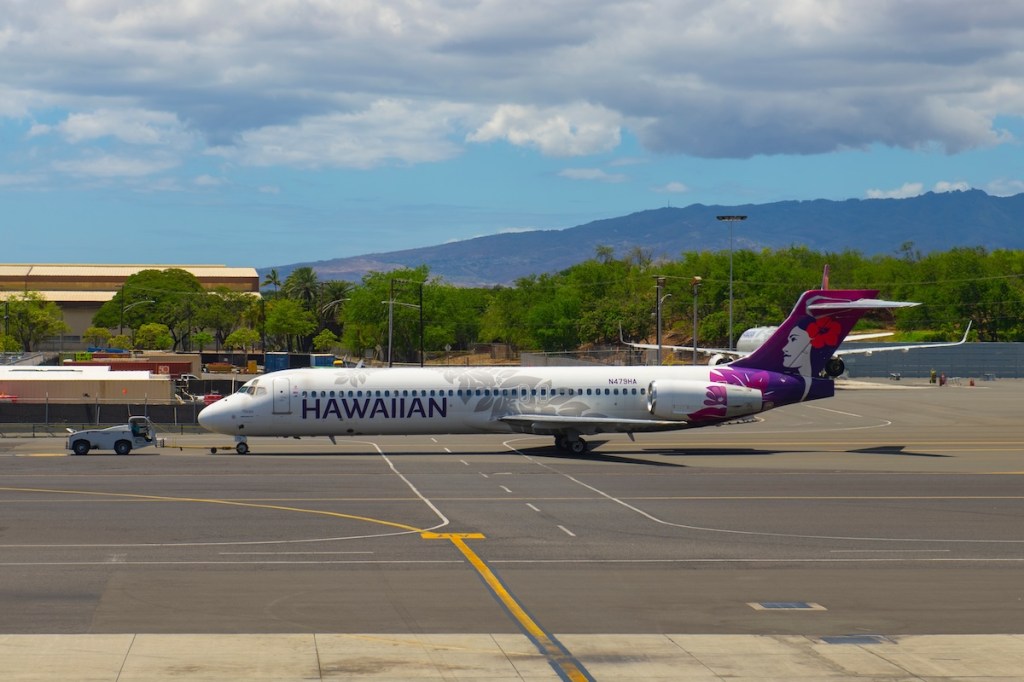
A Hawaiian Boeing 717
A Hawaiian Boeing 717 (Photo: Shutterstock | Wangkun Jia)

Alaska officials said the 737 has the durability required for inter-island service, which involves frequent daily cycles in a salt-air environment. They also highlighted new amenities on board, including twice as many first-class seats, free Starlink wireless internet service, and reclining leather seats in all cabins.

While the fleet transition is more than a year away, Alaska Air Group said it will assign an Alaska-branded 737 to supplement the inter-island fleet this fall. Starting in October, the aircraft will fly three round-trip flights per day between Honolulu and Kahului. The 737 will operate out of Terminal 1 at Daniel K. Inouye International Airport.

Zach Vasile

Zach Vasile is a writer and editor covering news in all aspects of commercial aviation. He has reported for and contributed to the Manchester Journal Inquirer, the Hartford Business Journal, the Charlotte Observer, and the Washington Examiner, with his area of focus being the intersection of business and government policy.

JetBlue Wins Auction for Spirit’s Slots at LaGuardia

The carrier agreed to pay $58.5 million for 12 daily departure slots and 10 arrival slots.

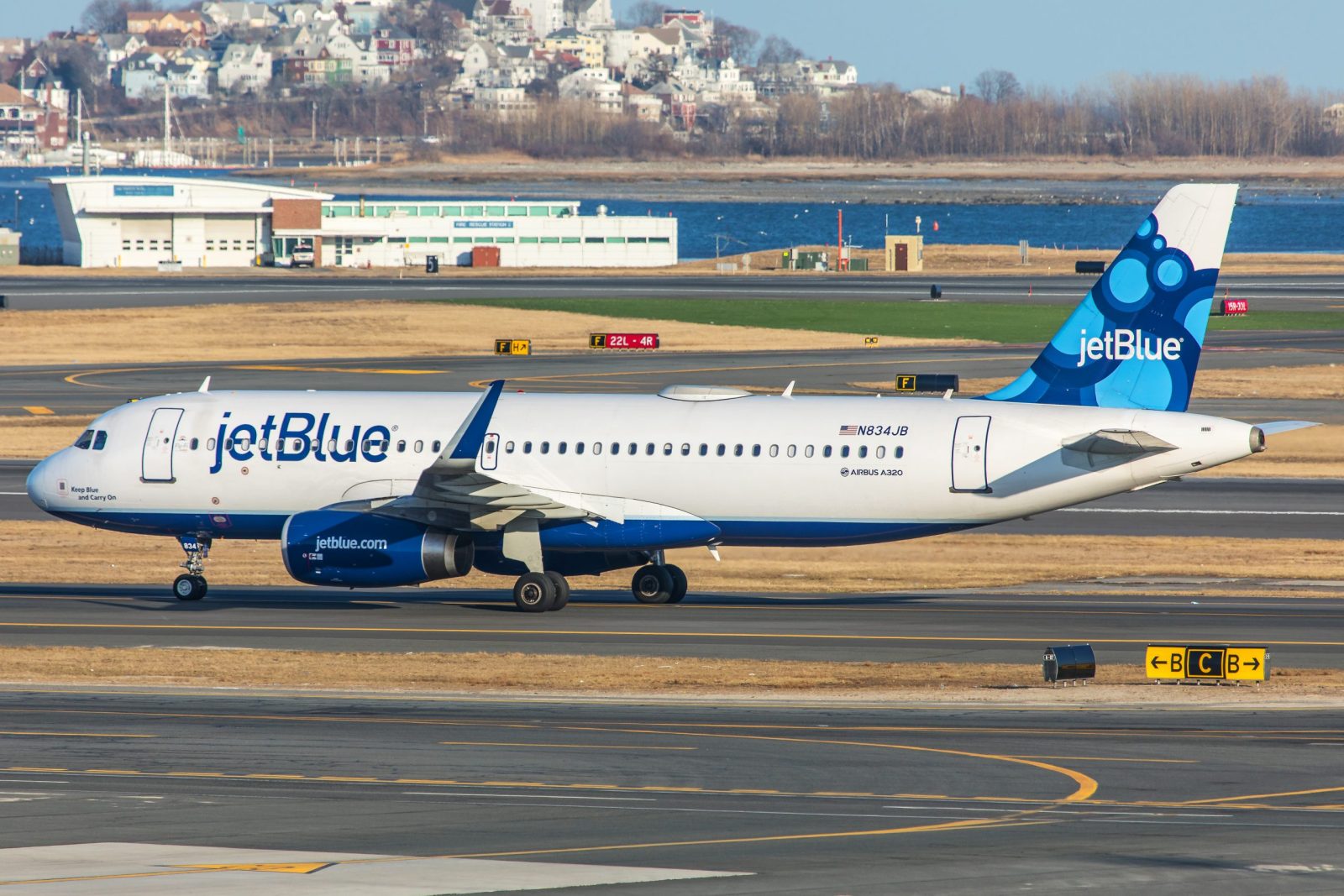
JetBlue A320
A JetBlue A320 in Boston. (Photo: AirlineGeeks | William Derrickson)

JetBlue has won the auction for Spirit Airlines’ former slots at LaGuardia Airport, Reuters reported Monday.

Citing court documents, the outlet said JetBlue bid $58.5 million for 12 daily departure slots and 10 ​arrival slots at LaGuardia, which is one of three U.S. airports that use a slot system due to high demand.

Spirit formerly connected LaGuardia to destinations such as Dallas/Fort Worth, Chicago O’Hare, Detroit, Houston, and Fort Lauderdale, Florida. The carrier folded on May 2, and all flights were immediately canceled.

A small core of Spirit employees is overseeing the liquidation of the airline’s assets, including airport gates and slots.

Reuters reported that JetBlue beat out a rival bid from Frontier, which offered $57.5 million for the LaGuardia slots. JetBlue already has 31 slots at the airport.

Spirit will seek final approval for the sale at a bankruptcy hearing in New York on Wednesday.

Zach Vasile

Zach Vasile is a writer and editor covering news in all aspects of commercial aviation. He has reported for and contributed to the Manchester Journal Inquirer, the Hartford Business Journal, the Charlotte Observer, and the Washington Examiner, with his area of focus being the intersection of business and government policy.

Boeing Lands New 787, 737 Orders at Farnborough

The company signed deals with AerCap, Uganda Airlines, and Luxair.

Inside the 787 Dreamliner Final Assembly Building at Boeing South Carolina. (Photo: Hisham Qadri)

Boeing announced a slew of new commercial aircraft orders as the Farnborough International Airshow in England entered its second full day.

The Washington-based manufacturer booked large orders from SMBC and Philippine Airlines on Monday, and appeared to be keeping up the momentum on Tuesday.

AerCap

Aircraft leasing firm AerCap placed a new order for 15 Boeing 787-9 Dreamliners on Tuesday.

AerCap, which is headquartered in Dublin, is already the biggest Dreamliner customer in the leasing industry. This week’s order brings the company’s 787 portfolio to approximately 140 airplanes, Boeing leaders said.

“As demand for modern, fuel-efficient widebody airplanes continues to grow, this transaction enables us to provide our customers with greater access to one of the industry’s most versatile and sought-after airplane families,” AerCap CEO Aengus Kelly said in a news release. “The 787 has consistently demonstrated strong operating economics and exceptional performance across a wide range of route networks.”

Uganda Airlines

Uganda Airlines placed its first-ever order with Boeing this week with an agreement to purchase four 787-9s and four 737 MAX 8s.

According to a joint statement from the two companies, the order will support Uganda Airlines’ ongoing fleet modernization efforts. The carrier expects to reduce fuel use by 20-25% with the more efficient aircraft.

Uganda Airlines is the flag carrier of Uganda and has its headquarters and main hub at Entebbe International Airport.

The 737 MAX is well-suited for the carrier’s network within Africa, Boeing said, while the 787 will support new and existing routes to the Middle East, East Asia, and Europe.

Luxair

Luxair, the flag carrier of Luxembourg, converted two options for the 737-10 into firm orders and secured options for two additional 737-10 aircraft.

Boeing said the two converted options stem from a 2024 firm order for two -10s.

Once all firm orders have been delivered, Luxair’s 737 fleet will consist of 12 aircraft – eight 737-8s and four 737-10s.

“This agreement represents another important milestone in the execution of our long-term fleet strategy,” Luxair CEO Gilles Feith said in a news release. “As we continue to grow, delivering an outstanding passenger experience remains at the heart of every fleet decision we make. The Boeing 737-10 provides the additional capacity, operational efficiency, and flexibility we need to support future demand while maintaining the high standards of quality, comfort, and service our customers expect from Luxair.”

Luxair operates from Luxembourg Airport and serves destinations across Europe, North Africa, and the Middle East.

Zach Vasile

Zach Vasile is a writer and editor covering news in all aspects of commercial aviation. He has reported for and contributed to the Manchester Journal Inquirer, the Hartford Business Journal, the Charlotte Observer, and the Washington Examiner, with his area of focus being the intersection of business and government policy.

United Flight Lands at Air Force Base Amid Severe Storms

A ground stop was put in place at Phoenix Sky Harbor International Airport.

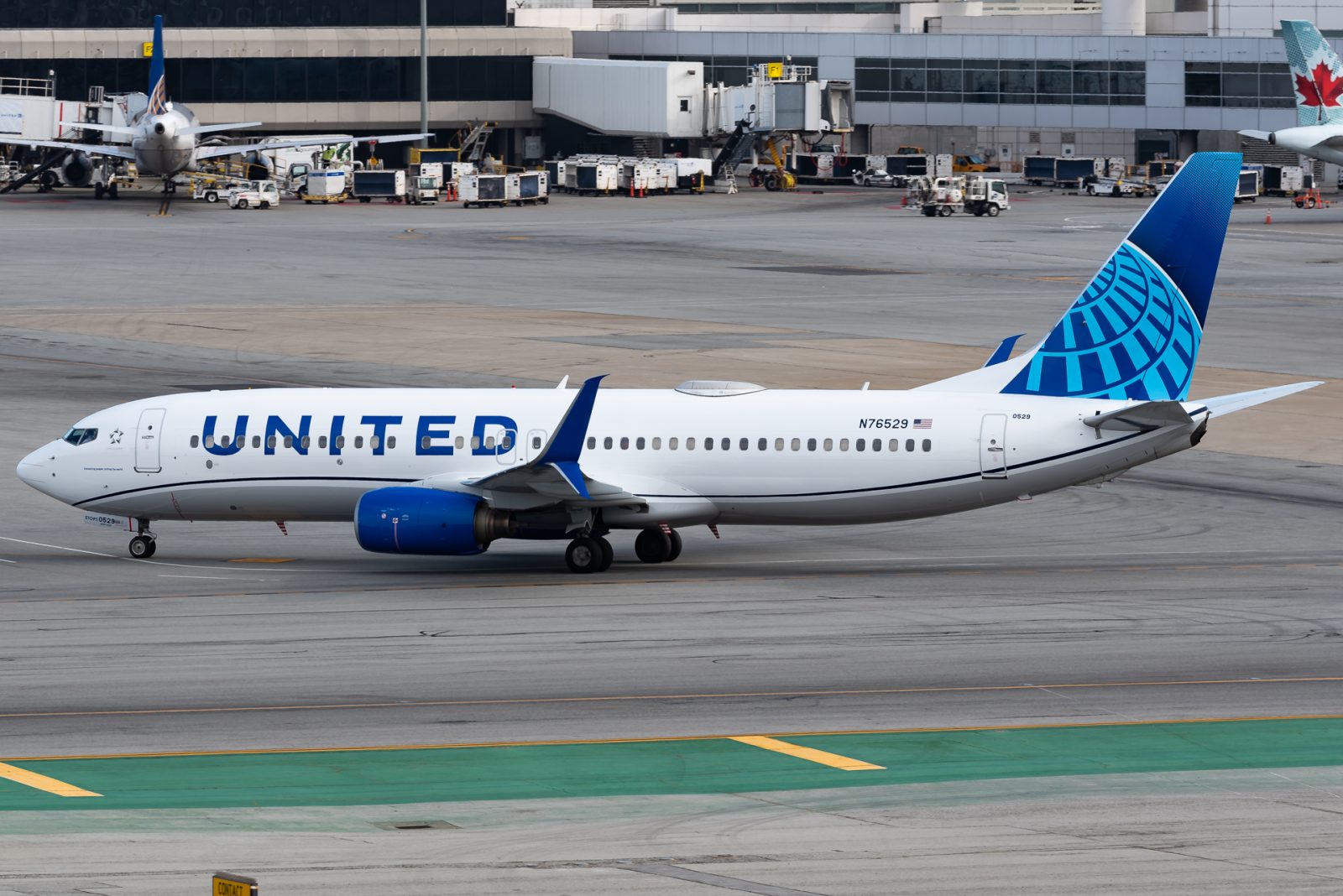
United 737-800 aircraft
A United 737-800 in San Francisco. (Photo: AirlineGeeks | Ben Suskind)

A United flight bound for Phoenix diverted to a U.S. Air Force base on Monday as strong thunderstorms engulfed the Phoenix metro area.

KNXV-TV reported that the flight, which originated in Houston, had to land at Luke Air Force Base in Glendale when a ground stop came into effect for Phoenix Sky Harbor. In a statement, the airline said diverting to the base was the “safest course of action.”

The passengers and crew were taken by bus from Luke Air Force Base to Phoenix. No injuries were reported.

“We’re grateful for the support from the Air Force and our teams at Phoenix Sky Harbor for finding a solution for our customers on this flight,” United said.

FlightAware shows United Flight 2078 landed at Luke Air Force Base after about three hours in the air. The aircraft involved is a Boeing 737-900.

According to local media outlets, storms brought heavy rain, wind gusts, and small hail to the Phoenix area Monday evening. Thousands of people lost power, and flash flooding was reported in some neighborhoods.

Zach Vasile

Zach Vasile is a writer and editor covering news in all aspects of commercial aviation. He has reported for and contributed to the Manchester Journal Inquirer, the Hartford Business Journal, the Charlotte Observer, and the Washington Examiner, with his area of focus being the intersection of business and government policy.
Sign-up for newsletters & special offers!

Get the latest stories & special offers delivered directly to your inbox

SUBSCRIBE

Uh-oh! It looks like you're using an ad blocker.

Our website relies on ads to provide free content and sustain our operations. By turning off your ad blocker, you help support us and ensure we can continue offering valuable content without any cost to you.

We truly appreciate your understanding and support. Thank you for considering disabling your ad blocker for this website