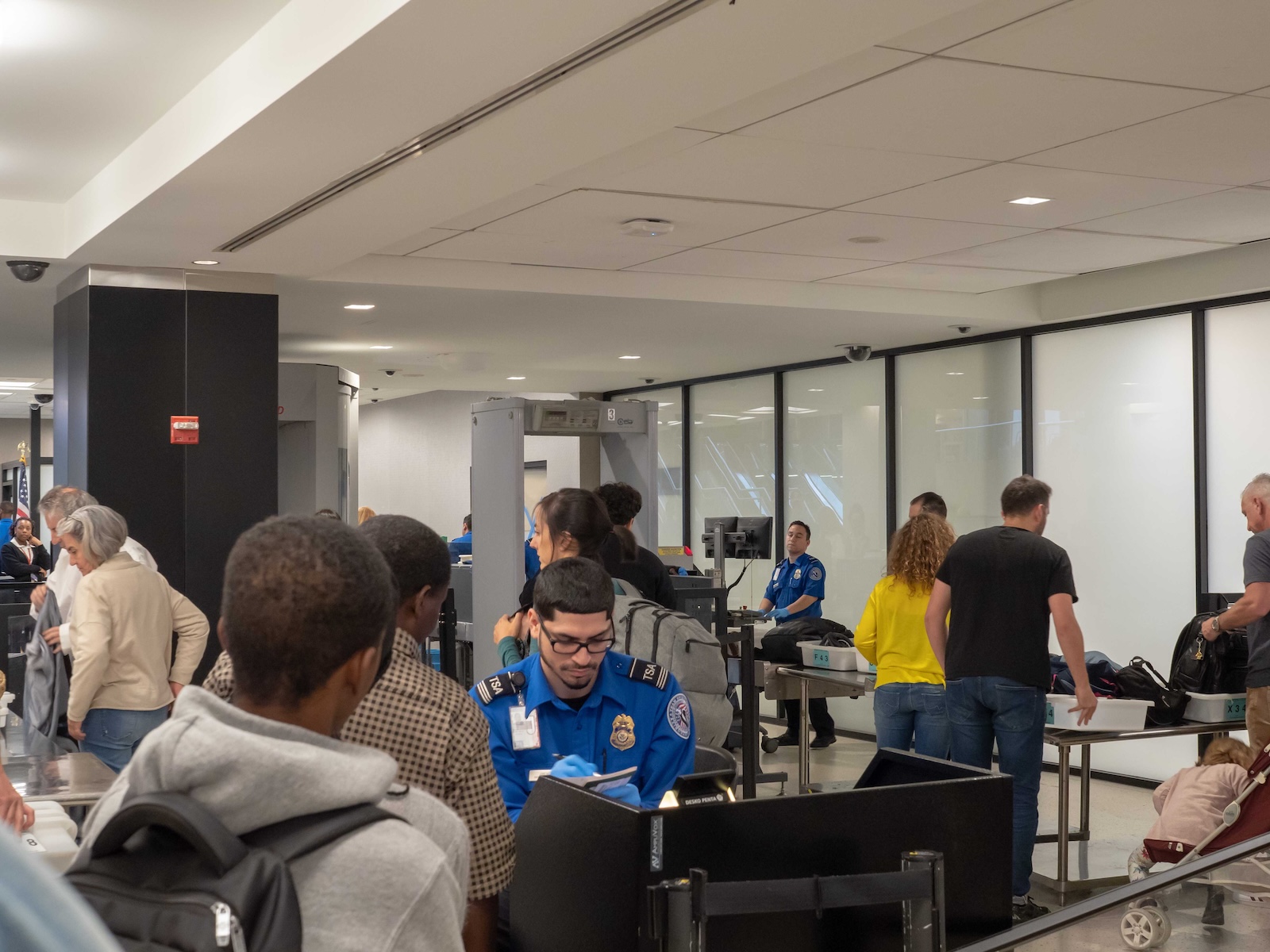
A TSA checkpoint. (Photo: Shutterstock | David Tran Photo)
Workers at the Transportation Security Administration are not allowed to participate in early buyouts offered to the federal workforce. According to a Bloomberg report, agency leadership told employees they were exempt two days after the Jan. 28 “Fork in the Road” email.
It’s been reported that around 20,000 federal workers have opted in to the buyouts, representing 1% of the federal workforce – excluding the military, the U.S. Postal Service, and a few other categories. Employees who do not accept the buyouts could be terminated.
“Today, DHS Acting Under Secretary for Management provided updated guidance that TSA employees are not allowed to participate in deferred resignation,” the TSA administrator’s office stated in an email to agency employees that was viewed by Bloomberg.
The agency also said it would work with employees who already accepted the offer. TSA workers are exempt because they are part of national security, one official added.
This move comes as buyouts and a federal hiring freeze have created uncertainty within aviation-related agencies. Transportation Secretary Sean Duffy recently clarified that air traffic controllers and other safety-related positions at the Federal Aviation Administration are exempt, even after workers received buyout offers.
Ryan founded AirlineGeeks.com in February 2013 and has spent more than a decade covering the airline business. His work has been featured by CNN, WJLA, CNET, and Business Insider. His aviation experience spans airport operations, Part 135 regulatory compliance, and airline crew workforce planning, along with time behind the yoke of a Cessna 172 and interviews with airline executives. Ryan now serves as Group President of Firecrown Media’s Aviation Group. He holds a B.S. in Air Transportation Management and an MBA from Arizona State University and teaches Airline Management at Embry-Riddle Aeronautical University.
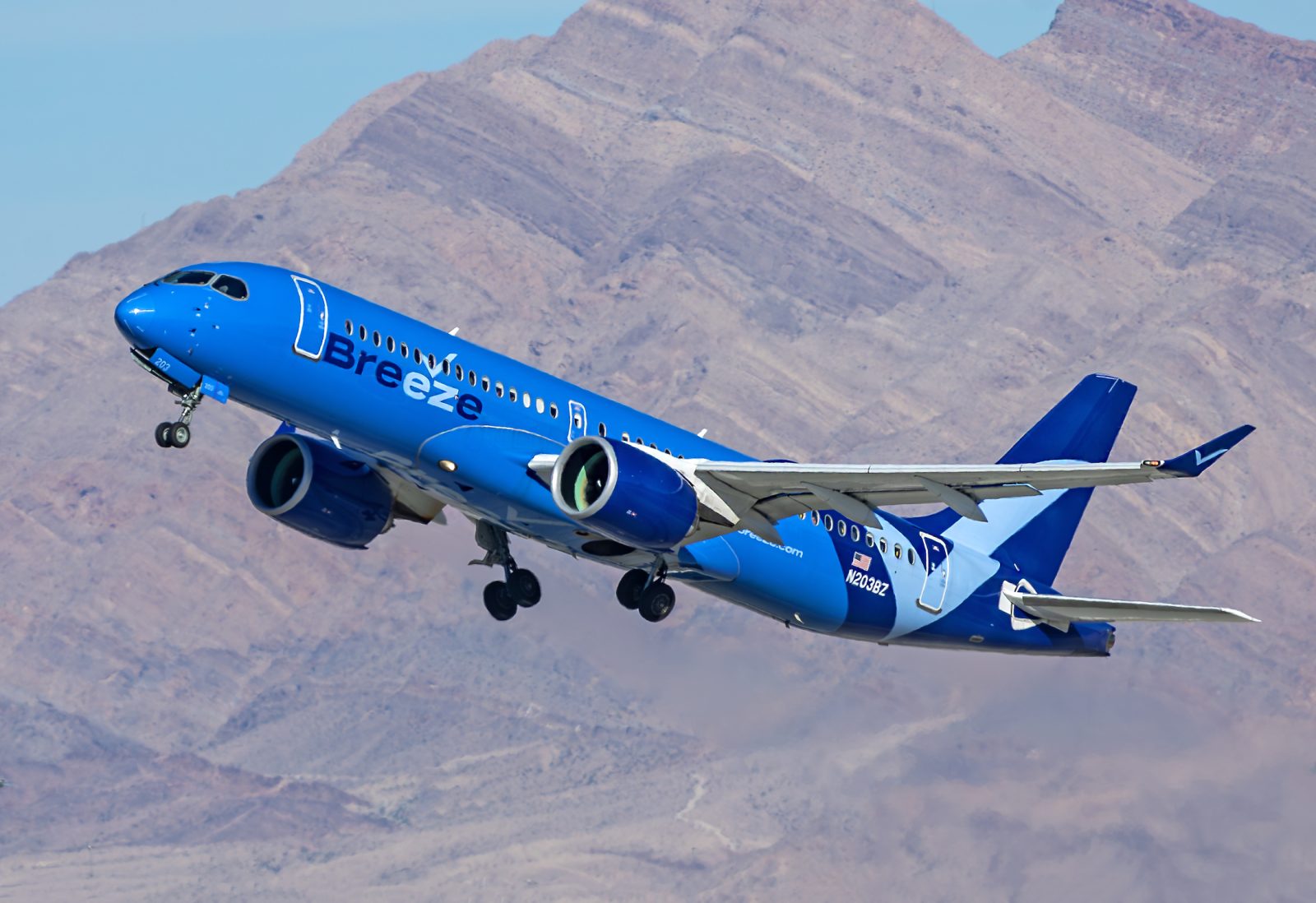
A Breeze A220 aircraft. (Photo: AirlineGeeks | William Derrickson)
Breeze Airways has announced it is offering service in three new cities along with 19 new routes to its network.
According to a news release from the Utah-based low-cost carrier, Breeze will add service to Rochester, New York; Albany, New York; and Memphis, Tennessee, beginning this spring.
Additionally, the carrier added 19 new routes. 13 of these are nonstops and six are BreezeThru routes with one-stop and no plane change.
“We experienced incredible growth in 2024 thanks to our amazing partners in the cities we serve and the hard work and dedication of our Team Members across the U.S. and we look forward to continuing that momentum this year,” said Breeze Airways CEO David Neeleman, in the release. “We see great demand and opportunity for our premium product offering in secondary markets across the country and are excited to add Rochester, Albany and Memphis to our network.”
New Routes
The airline’s new routes include:
Akron-Canton, Ohio, to Los Angeles (starting May 22).
Albany, New York, to Charleston, South Carolina (starting June 13); Raleigh-Durham, North Carolina (June 5); and Fort Myers, Florida (June 5).
Burlington, Vermont, to Charleston, South Carolina (starting May 30).
Fort Myers, Florida, to Greenville-Spartanburg, South Carolina (starting May 1); and Albany, New York (June 5).
Los Angeles to Akron-Canton, Ohio (starting May 22).
Memphis, Tennessee, to Raleigh-Durham, North Carolina (starting May 9); Tampa, Florida (May 7); and Providence, Rhode Island (May 9).
Orlando, Florida, to Raleigh-Durham, North Carolina (starting May 9); and Rochester, New York (May 9).
Pensacola, Florida, to Raleigh-Durham, North Carolina (starting April 30); and Providence, Rhode Island (April 30).
Pittsburgh, Pennsylvania, to Greenville-Spartanburg, South Carolina (starting May 1).
Portland, Maine, to Columbus Ohio (starting May 2); and Greenville-Spartanburg, South Carolina (May 1).
Raleigh-Durham, North Carolina, to Albany, New York (starting June 5); Memphis, Tennessee (May 9); Orlando, Florida (May 9); Pensacola, Florida (April 30); and Rochester, New York (May 9).
Rochester, New York, to Charleston, South Carolina (starting May 8); Raleigh-Durham, North Carolina (May 9); New Orleans, Louisiana (May 8); and Orlando, Florida (May 9).
Westchester County, New York, to Greenville-Spartanburg, South Carolina (starting May 2).
AirlineGeeks.com was founded in February 2013 as a one-person blog in Washington D.C. Since then, we’ve grown to have 25+ active team members scattered across the globe. We are all here for the same reason: we love deep-diving into the fascinating realm of the airline industry.
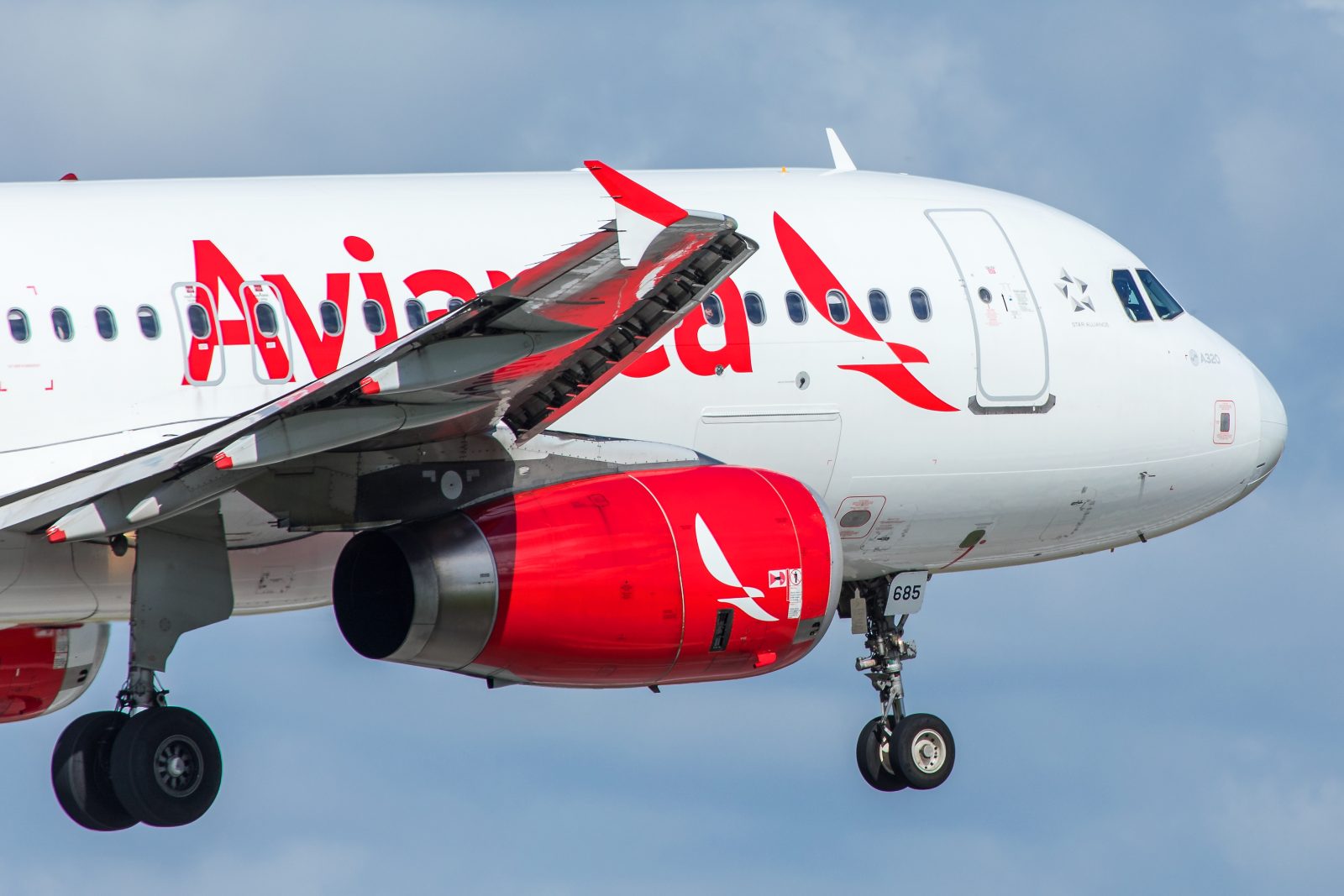
An Avianca A320 in Miami (Photo: AirlineGeeks | William Derrickson)
Avianca is set to resume a seasonal route to the U.S. this summer. With this new service, the Latin American carrier will add over 1,000 seats per week between the U.S. and El Salvador.
Beginning on June 3, the airline plans to add flights from El Salvador International Airport to Chicago O’Hare. Flights will operate three times per week on a 180-seat Airbus A320 aircraft during the summer months.
“We are excited to strengthen connectivity between Chicago and San Salvador, a vibrant destination rich in culture, history, and natural beauty,” said Rolando Damas, Avianca’s sales director for North America, Central America, Europe, and the Caribbean, in a news release. “This route will not only benefit Salvadorans traveling to the U.S. but also open new opportunities for visitors from Chicago and beyond to explore everything El Salvador has to offer.”
The Chicago-to-San Salvador route will operate on Tuesdays, Thursdays, and Saturdays. Avianca also flies from O’Hare to Bogota, Colombia; Guatemala City; and San Jose, Costa Rica.
Avianca last served the San Salvador-to-Chicago market in 2018, per Cirium Diio schedule data.
Ryan founded AirlineGeeks.com in February 2013 and has spent more than a decade covering the airline business. His work has been featured by CNN, WJLA, CNET, and Business Insider. His aviation experience spans airport operations, Part 135 regulatory compliance, and airline crew workforce planning, along with time behind the yoke of a Cessna 172 and interviews with airline executives. Ryan now serves as Group President of Firecrown Media’s Aviation Group. He holds a B.S. in Air Transportation Management and an MBA from Arizona State University and teaches Airline Management at Embry-Riddle Aeronautical University.
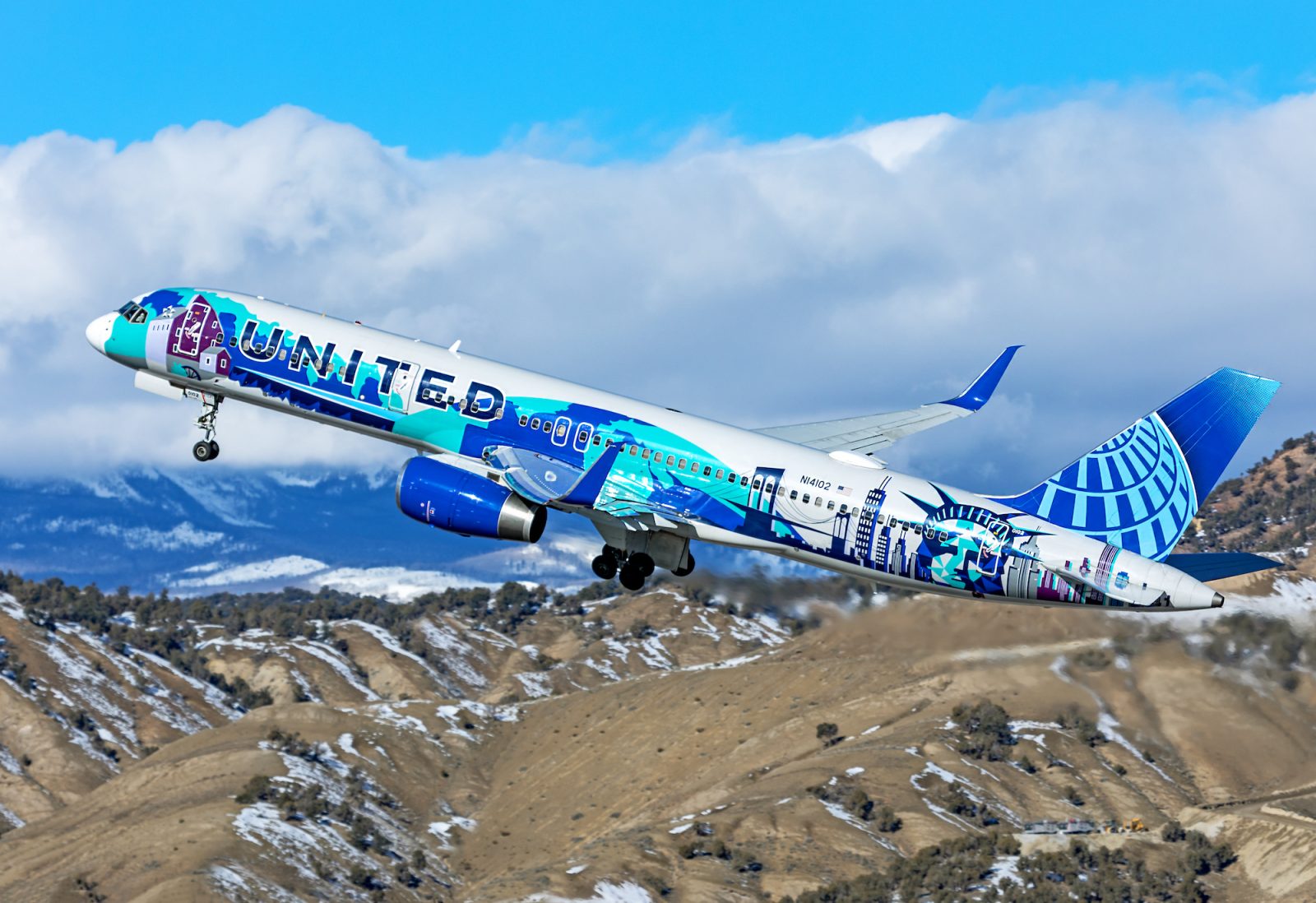
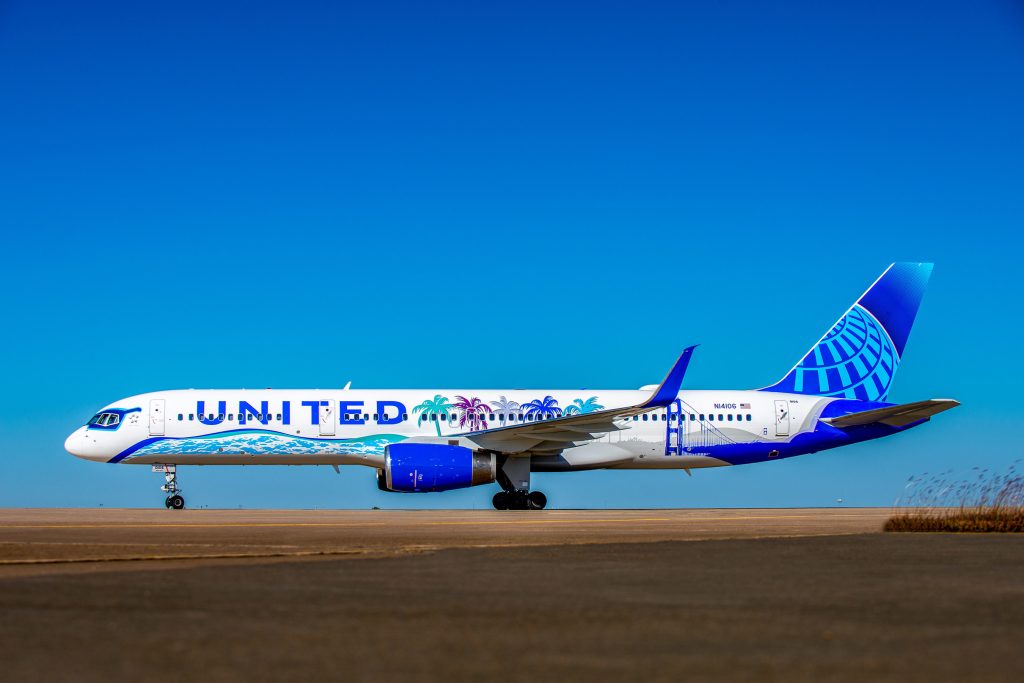
After around five years, United is set to phase out the “Her Art Here” liveries on two Boeing 757-200 aircraft. The special liveries were unveiled in 2019.
A United 757-200 adorned with a 'Her Art Here' special livery. (Photo: AirlineGeeks | William Derrickson)
After around five years, United is set to phase out the “Her Art Here” liveries on two Boeing 757-200 aircraft. The special liveries were unveiled in 2019.
The initiative invited female artists based in the U.S. to design a special paint scheme for the aircraft. Two winning designs were later chosen and displayed on the aircraft.
The winners, Corinne Antonelli and Tsungwei Moo, were selected to design the liveries. Antonelli, a New Jersey native, used her design to showcase the New York region’s iconic landmarks, including the Manhattan skyline and Statue of Liberty.
United’s ‘Her Art Here’ 757 aircraft (Photo: United)
Moo, based in California, brought the Golden State’s vibrancy to life with her artwork. The New York/New Jersey design adorns N14102 and the California design is on N14106.
According to the United Fleet Website, the airline has ferried both 757s to Amarillo, Texas, for repainting into the standard “Evo Blue” design. N14102 left the paint shop on Wednesday, while N14106 remains in Amarillo.
Ryan founded AirlineGeeks.com in February 2013 and has spent more than a decade covering the airline business. His work has been featured by CNN, WJLA, CNET, and Business Insider. His aviation experience spans airport operations, Part 135 regulatory compliance, and airline crew workforce planning, along with time behind the yoke of a Cessna 172 and interviews with airline executives. Ryan now serves as Group President of Firecrown Media’s Aviation Group. He holds a B.S. in Air Transportation Management and an MBA from Arizona State University and teaches Airline Management at Embry-Riddle Aeronautical University.
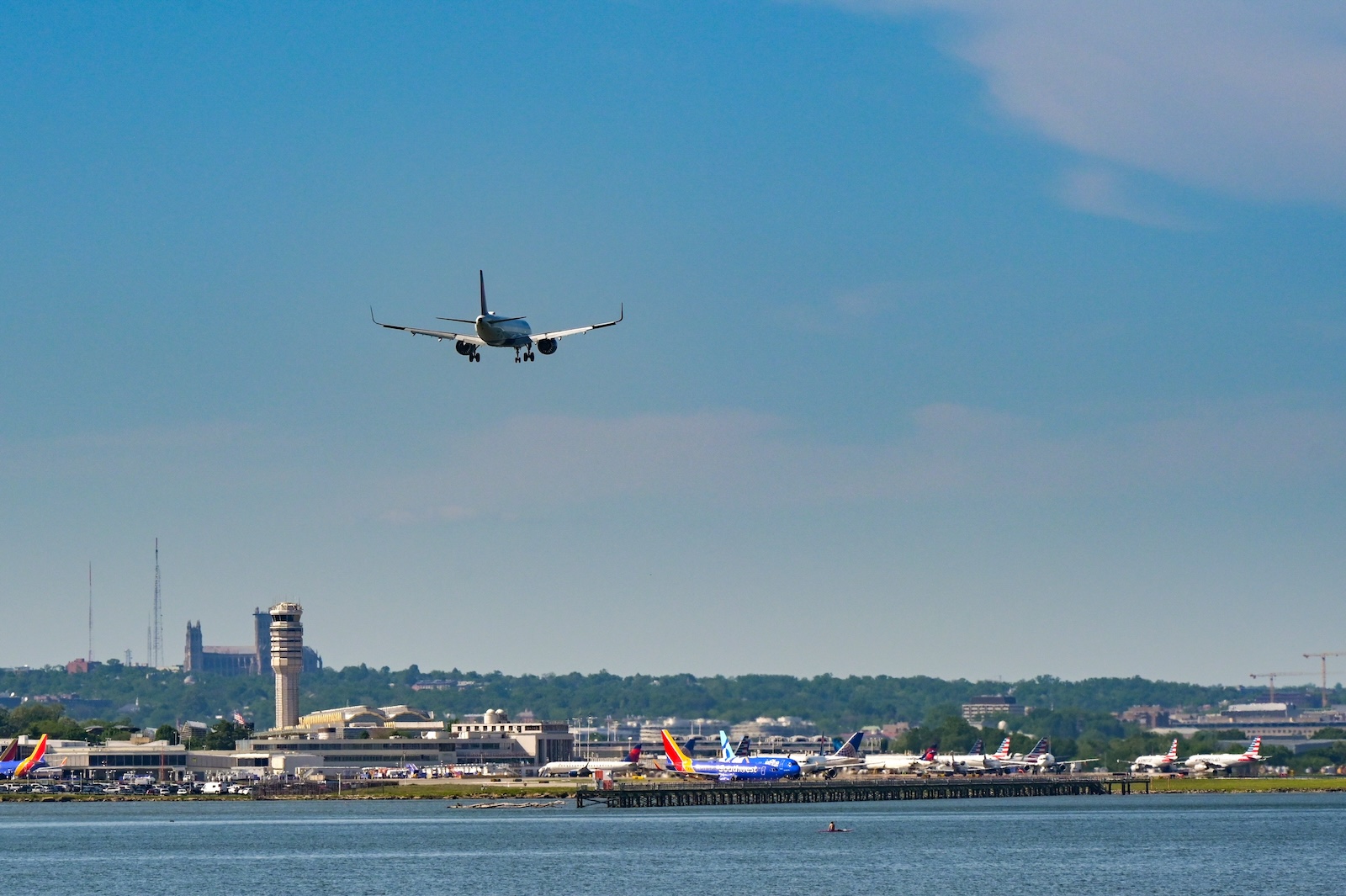
Aircraft landing at Reagan National Airport (Photo: Shutterstock | Ceri Breeze)
The Federal Aviation Administration is further reducing flight arrivals at the Ronald Reagan Washington National Airport in Washington, D.C.
In an email sent to AirlineGeeks on Thursday, the FAA stated it is slowing traffic into and out of the airport due to weather conditions and recovery efforts in the area following last week’s deadly aircraft collision over the Potomac River.
Two of the airport’s three runways have been closed while recovery crews operate in the river, impeding hourly flight arrivals.
According to a Bloomberg report, the FAA is further reducing the number of hourly arrivals from 28 to 26 to help ease the strain on air traffic controllers at the airport. The changes are expected to increase average flight delays from 40 minutes to 50, according to an email sent by the regulator and reviewed by Bloomberg.
Reagan National is typically limited to 60 slots for arrival and departure per hour – 37 of which are designated to air carriers and 11 for commuter and regional carriers. Others are for general aviation traffic, which are rarely used.
AirlineGeeks.com was founded in February 2013 as a one-person blog in Washington D.C. Since then, we’ve grown to have 25+ active team members scattered across the globe. We are all here for the same reason: we love deep-diving into the fascinating realm of the airline industry.
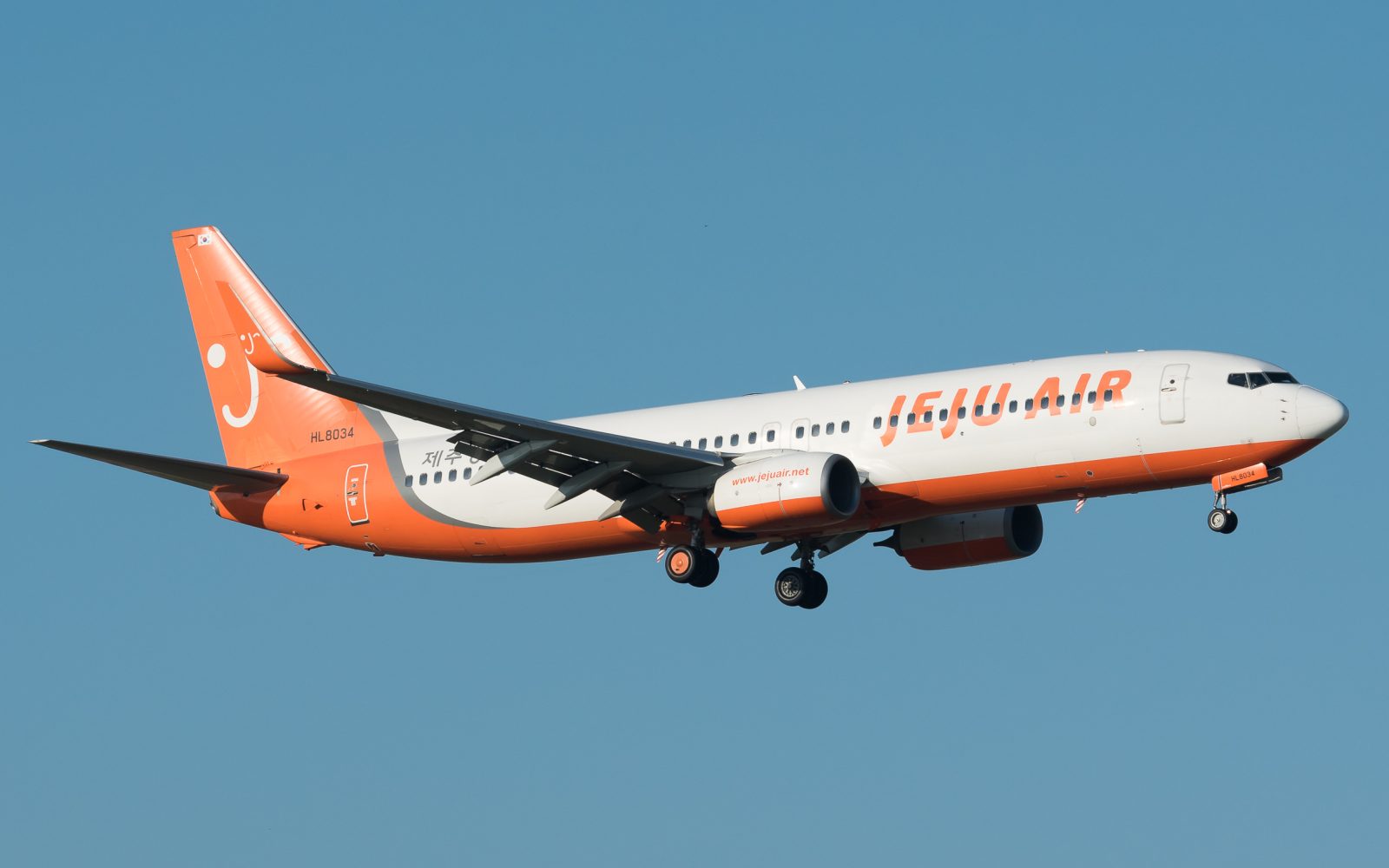
A Jeju Air 737-800 in Seoul. (Photo: AirlineGeeks | Ben Suskind)
In the aftermath of the devastating Jeju Air accident on December 29, 2024, which claimed 179 lives, South Korean officials have unveiled a plan to bolster aviation safety nationwide. The Ministry of Land, Infrastructure, and Transport announced Thursday that all airports will be mandated to install advanced bird detection systems, including thermal imaging cameras and radars, to prevent future bird strike incidents.
The accident involved a Boeing 737-800 en route from Bangkok to Muan, South Korea. The aircraft, carrying 181 passengers and crew, attempted an emergency landing at Muan International Airport after reportedly encountering a bird strike. During the landing, the plane’s landing gear failed to deploy, resulting in a belly landing. Subsequently, the aircraft overran the runway and collided with a concrete embankment that supported navigation equipment.
Investigations into the crash revealed that both of the plane’s engines contained bird remains, specifically feathers and blood identified as belonging to the Baikal teal, a species of migratory duck. This finding strongly suggests that a bird strike was a significant factor contributing to the accident. However, the investigation faced challenges as the flight data and cockpit voice recorders ceased functioning approximately four minutes before the crash, leaving a critical gap in the data needed to determine the exact sequence of events leading to the disaster.
Government Mandates Advanced Bird Detection Technology at Airports
In response to these findings, the ministry stated, “All airports will be equipped with at least one thermal imaging camera,” aiming to begin the rollout next year. Additionally, bird detection radars will be installed to enhance early detection of distant birds and improve response capabilities for aircraft.
To further mitigate risks, mobile sonic devices will be deployed to deter medium and large-sized birds. The government also plans to establish a legal basis to relocate facilities that attract birds, such as food waste treatment centers and orchards, away from airport vicinities. New distance restrictions will be imposed on future developments of such facilities.
Deputy Minister for Civil Aviation Joo Jong-wan emphasized, “The top priority is to establish comprehensive reform measures across aviation safety to prevent the recurrence of aircraft accidents.” This initiative is part of a nationwide special safety inspection of airports, coupled with a comprehensive survey of facilities that particularly attract birds.
South Korean and U.S. investigators continue to probe the exact cause of the crash.
Tolga is a dedicated aviation enthusiast with years of experience in the industry. From an early age, his fascination with aviation went beyond a mere passion for travel, evolving into a deliberate exploration of the complex mechanics and engineering behind aircraft. As a writer, he aims to share insights , providing readers with a view into the complex inner workings of the aviation industry.
JetBlue Axes Key Northeast Route
In its latest network shake-up, JetBlue plans to discontinue service in a highly competitive Northeast market this spring.
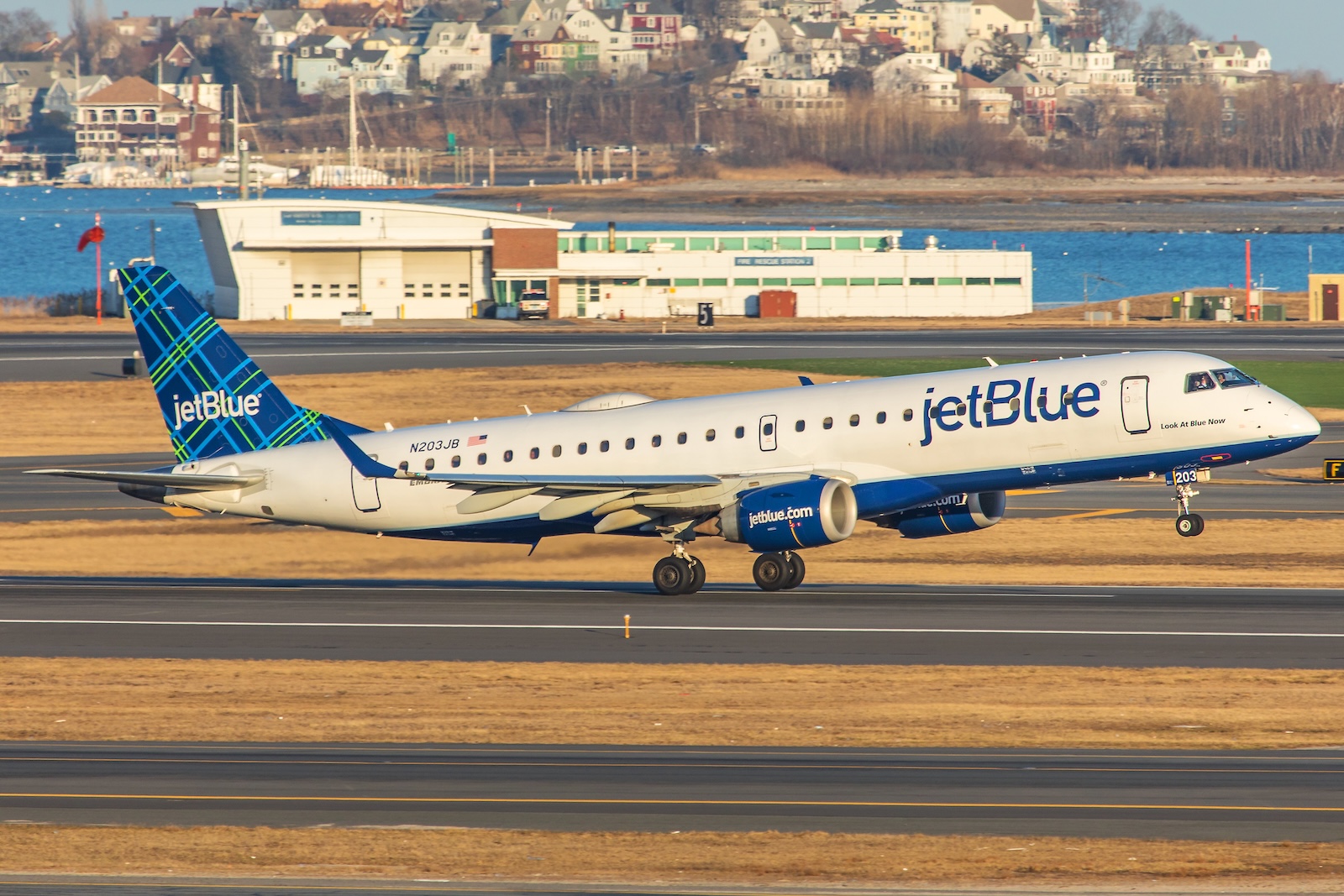
A JetBlue Embraer E190. (Photo: AirlineGeeks | William Derrickson)
In its latest network shake-up, JetBlue plans to discontinue service in a highly competitive Northeast market. The carrier says the change is part of its JetForward strategy “to build the best East Coast leisure network.”
The airline will end flights between New York LaGuardia and Boston, a spokesperson confirmed to AirlineGeeks on Thursday. This route has operated since 2016 and will end on April 29.
Currently, the carrier flies between the two airports up to six times per day in each direction, per Cirium Diio schedule data.
JetBlue appears to be ending its Boston (BOS) to New York LaGuardia (LGA) route with flights removed from sale after April 29.
JetBlue planned to operate BOS-LGA 6x daily.
Presumably 3x of these slots will move to Porter for their new LGA flights on May 1. pic.twitter.com/Rz2COXUB3D
JetBlue is citing rising costs for the route cut. “The airport fees charged to JetBlue at LGA have risen sharply—now about $50 per traveler—which make it impossible for us to offer the low fares customers expect while maintaining profitability on this route,” the spokesperson said.
Following the LaGuardia-to-Boston cut, the carrier will offer 13 peak-day departures from the New York airport. JetBlue says it is shifting three takeoff and landing slots at LaGuardia to leisure markets while leasing the remaining three to another airline.
Both American and Delta connect LaGuardia and Boston multiple times per day. JetBlue also serves Boston from its New York-JFK hub.
Ryan founded AirlineGeeks.com in February 2013 and has spent more than a decade covering the airline business. His work has been featured by CNN, WJLA, CNET, and Business Insider. His aviation experience spans airport operations, Part 135 regulatory compliance, and airline crew workforce planning, along with time behind the yoke of a Cessna 172 and interviews with airline executives. Ryan now serves as Group President of Firecrown Media’s Aviation Group. He holds a B.S. in Air Transportation Management and an MBA from Arizona State University and teaches Airline Management at Embry-Riddle Aeronautical University.
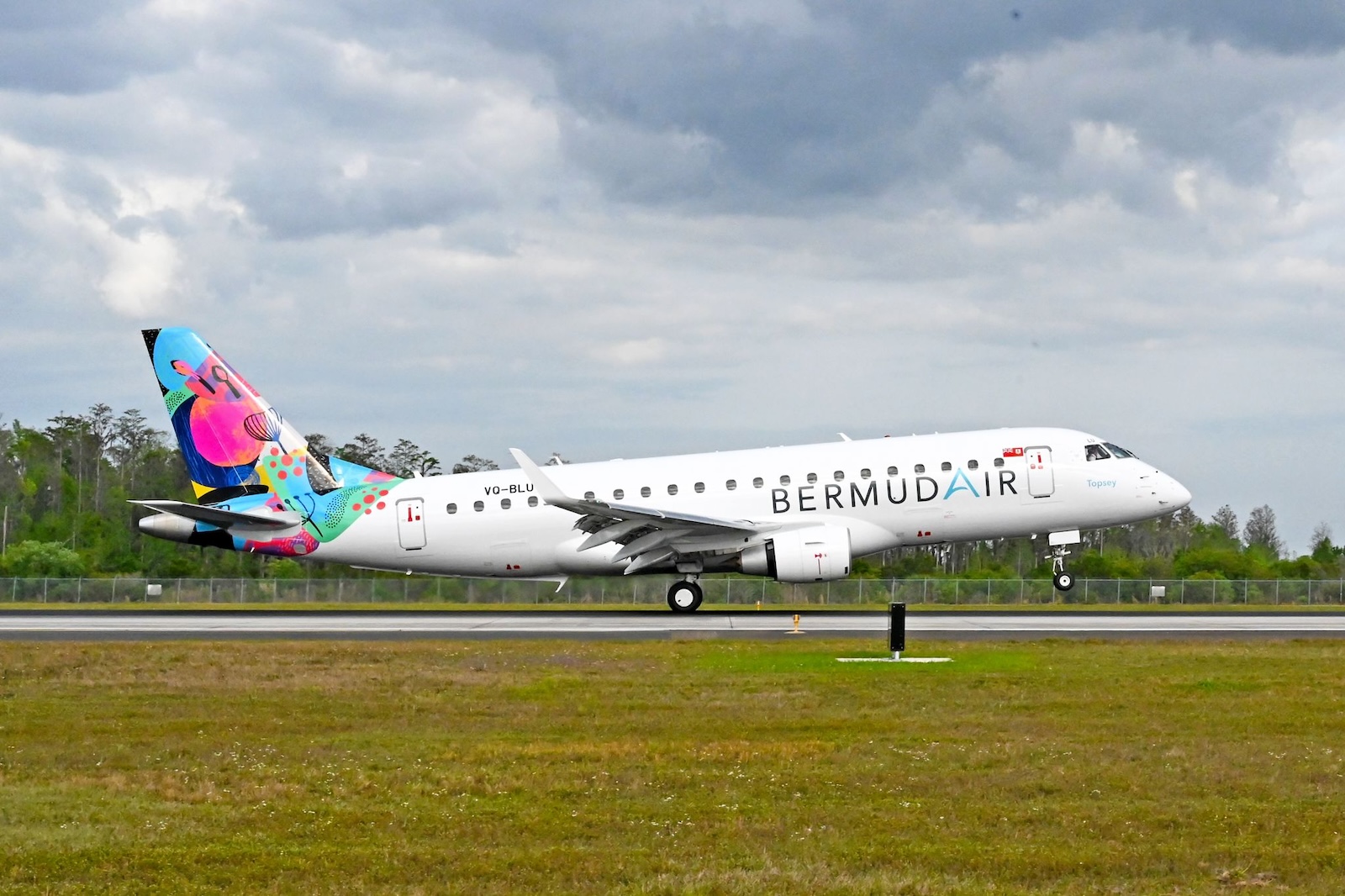
A BermudAir E175 aircraft. (Photo: Orlando International Airport)
BermudAir will add three new destinations to its route map later this year. On Thursday, the carrier announced new service to Richmond, Virginia; Providence, Rhode Island; and Montreal, Quebec.
The Bermuda-based airline will offer the only regularly scheduled international service to Richmond and Providence. All routes will be served twice per week.
Providence service begins on May 22, while flights to Richmond start on June 7, and Montreal on June 12. Embraer E175 and E190 aircraft will operate these flights.
“Expanding our network with these new routes underscores our commitment to strengthening Bermuda’s global connectivity,” said Adam Scott, founder and CEO at BermudAir, in a news release. “By adding direct service to these key cities, we’re not only making travel more accessible and convenient, but we’re also positioning BermudAir to serve our customers with even greater convenience, reliability and flexibility.”
Not only will these new aircraft serve as spares in the fleet, but they will also help bolster the network. This includes additional services to Orlando, Toronto, and Halifax, Nova Scotia later this year.
Ryan founded AirlineGeeks.com in February 2013 and has spent more than a decade covering the airline business. His work has been featured by CNN, WJLA, CNET, and Business Insider. His aviation experience spans airport operations, Part 135 regulatory compliance, and airline crew workforce planning, along with time behind the yoke of a Cessna 172 and interviews with airline executives. Ryan now serves as Group President of Firecrown Media’s Aviation Group. He holds a B.S. in Air Transportation Management and an MBA from Arizona State University and teaches Airline Management at Embry-Riddle Aeronautical University.
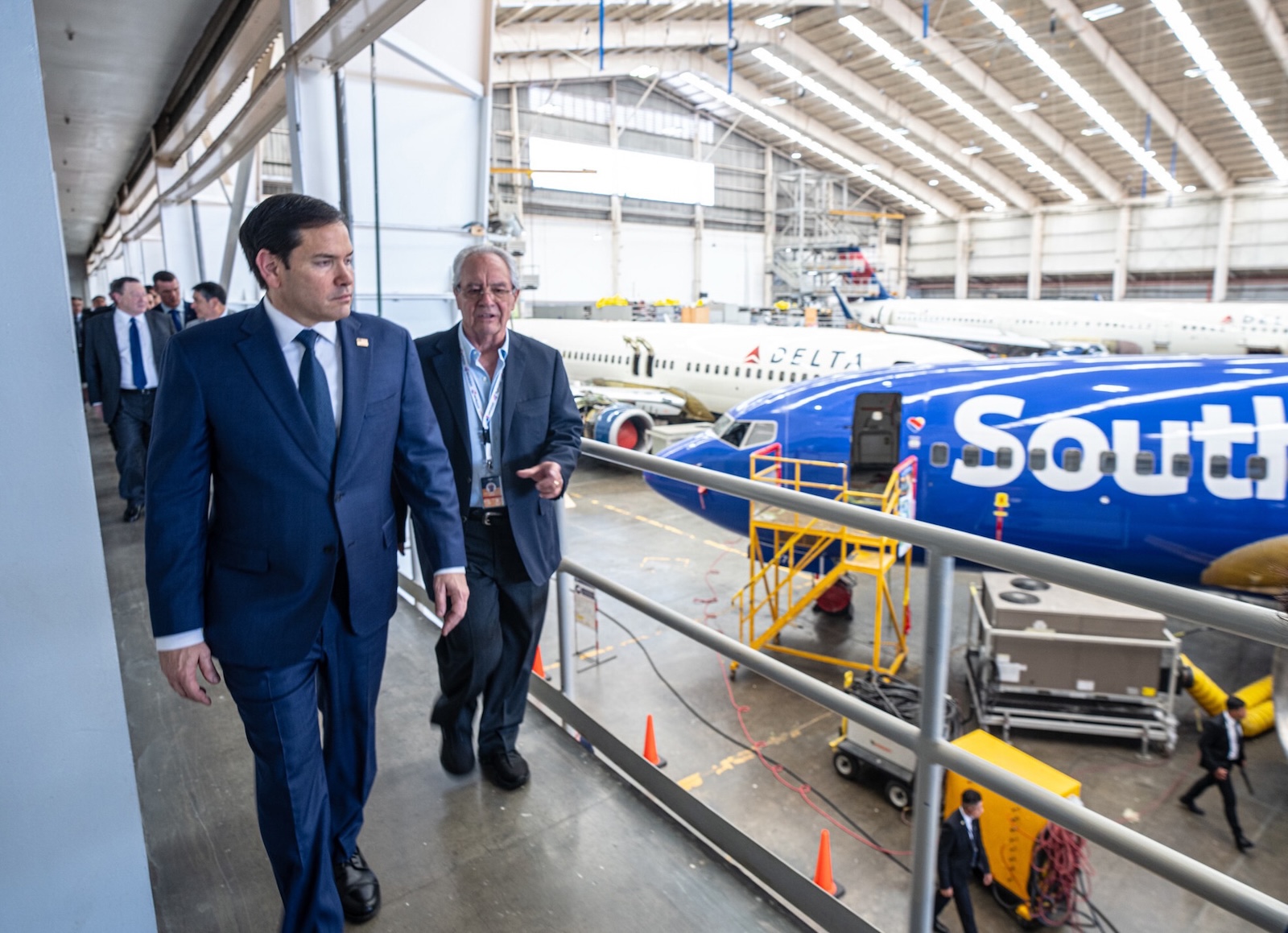
Rubio visits Aeroman in El Salvador (Photo: Department of State)
U.S. Secretary of State Marco Rubio toured Salvadoran aircraft maintenance company Aeroman this week in a bid to increase cooperation between Central American countries and the U.S. amid growing Chinese influence in the region.
Before Monday’s visit, Rubio authored a Wall Street Journal op-ed on Thursday stating that countries in Central America can benefit from “greater cooperation with the U.S.”
“El Salvador, Guatemala, Costa Rica, Panama and the Dominican Republic—the countries I will visit on this trip—all stand to benefit tremendously from greater cooperation with the U.S,” he wrote. “These nations were neglected by past administrations that prioritized the global over the local and pursued policies that accelerated China’s economic development, often at our neighbors’ expense.”
During Rubio’s tour of Aeroman’s maintenance facility – located next to the El Salvador International Airport – he said companies like Aeroman demonstrate how private investment can transform economies, generate well-paying jobs and offer stability to Salvadoran families, according to reporting by El Salvador in English.
Rubio Talks USAID
While at Aeroman, Rubio answered several questions from reporters regarding the Trump administration’s efforts to close the United States Agency for International Development (USAID).
“… [M]y frustration with USAID goes back to my time in Congress,” Rubio said. “It’s a completely unresponsive agency. It’s supposed to respond to policy directives at the State Department and it refuses to do so. So the functions of USAID – there are a lot of functions of USAID that are going to continue, that are going to be part of American foreign policy, but it has to be aligned with American foreign policy.”
AirlineGeeks.com was founded in February 2013 as a one-person blog in Washington D.C. Since then, we’ve grown to have 25+ active team members scattered across the globe. We are all here for the same reason: we love deep-diving into the fascinating realm of the airline industry.
Accidents like these typically fade out of the news cycle after a week or so, but the feelings will remain strong for the industry and the victims’ loved ones.
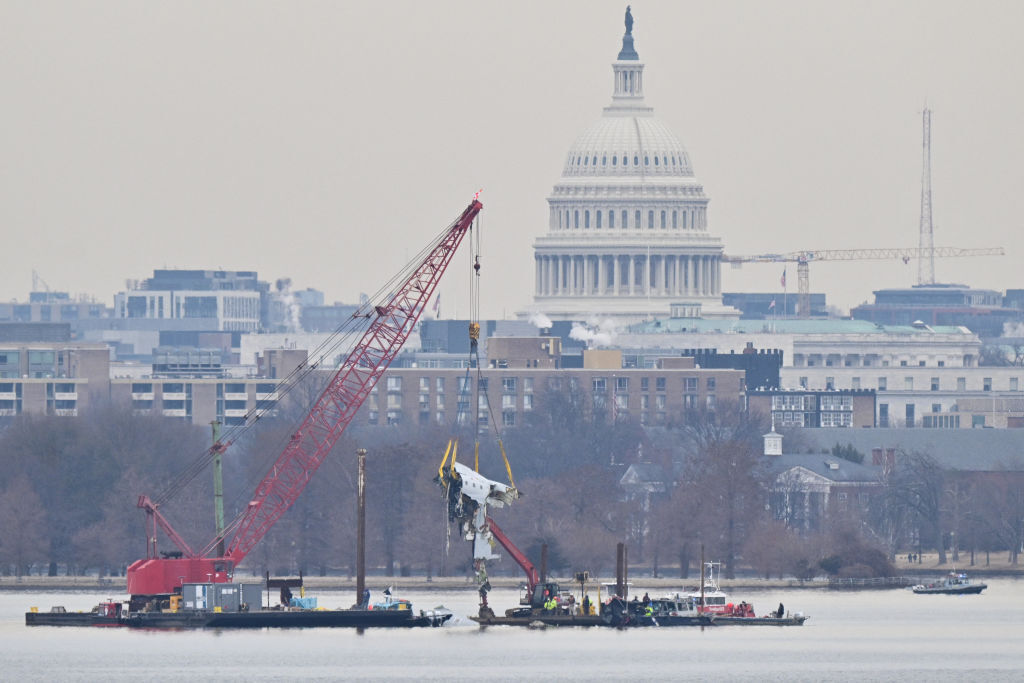
A crane removes airplane wreckage from the Potomac River (Photo: ROBERTO SCHMIDT/AFP via Getty Images)
Thanks to the nature of my day job, I’ve covered quite a few commercial aviation accidents during the past decade. It’s easy to get caught up in the fast-paced news cycle and in some ways unintentionally neglect the human element of these tragedies.
The effort of producing content on these disasters, along with post-accident investigations, can stave off thoughts – at least temporarily – about how people are impacted, both in terms of the victims and their loved ones.
I grew up on the Maryland side of the Washington, D.C., area and started my aviation career at Reagan National. The so-called “little airport by the river,” as one former airport manager called it, was almost my second home.
Over the years, I’ve taken hundreds of flights to and from DCA, including several landings on Runway 33. During high school, I spent my weekends volunteering at the airport’s information desks, racking up somewhere near 1,000 hours.
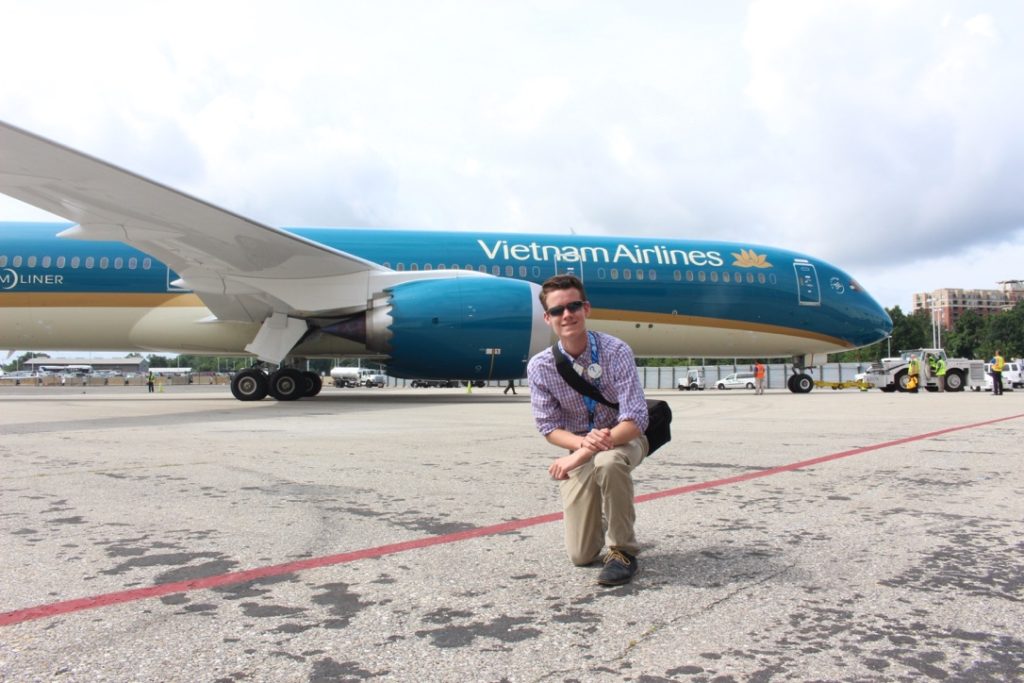
Your author posing with a Boeing 787-9 that landed at DCA in 2015 for a demo. (Photo: AirlineGeeks | Ryan Ewing)
During that time, I met some of my closest friends and mentors, and even participated in the airport’s emergency exercises.
To this day, that always-abrupt landing on any of DCA’s runways and the unique design of the terminals feel like home to me, even if I don’t live in D.C. anymore. Never could I have imagined a major tragedy occurring there, at least in this day and age.
Until it did.
I first found out about the accident soon after it occurred, thanks to some early reports in a local Facebook group. My mind didn’t go to the worst possible scenario initially, not until the night went on and more details were released.
Maybe I didn’t want to believe it. But after very little sleep, Thursday’s early morning press conference solidified my worst fear: Crews were switching from a rescue to a recovery operation with all 67 presumed casualties.
It took me quite awhile to put all my thoughts on paper, while also trying to inform our readers of the latest developments in the accident investigation. So many friends have reached out and shared their connections to either those on board or the crash itself, some of which hit eerily close to home.
With all that said, I wanted to share some reflections post-accident that should be top of mind to anyone following this investigation even remotely closely:
The Human Toll
Again, with any accident like this, it is easy to be immersed in the news cycle and subsequently theorize about what happened. Let’s not forget that lives have forever been changed.
For me, the personal proximity of the D.C. accident changed my thought process. I’ve lost sleep, not from working through the night, but from wondering how the family and friends of victims must feel.
Of course, this also isn’t easy for the scores of first responders and airport employees on the scene. To them, including many close friends who were on-site that night, thank you.
First responders along with airline and airport employees train for these types of accidents regularly. I can only imagine what it feels like to have one happen right in your backyard.
Investigation Is Critical, Speculation Is Certainly Not
The post-accident investigation will take a long time to complete, and that is a very good thing – though the wait won’t be easy for those affected. Investigators at the National Transportation Safety Board are extremely meticulous and will continue to work day and night to extract every possible detail.
In today’s world of fast-paced social media reporting and the desire for instant gratification, it is important to remember that 67 lives were lost here. The NTSB isn’t going to half-heartedly release information without a thorough vetting process.
Speculation and the early assignment of blame here – and this extends from the top down – do nothing except erode the hard work of investigators. Let’s be patient while keeping an open mind to the NTSB’s findings.
Politics
Like it or not, politics will undoubtedly play a role in this investigation and after the fact, no matter what the NTSB finds. After all, Reagan National is Congress’ main gateway from Washington to members’ districts.
So strap in: Politicians often have a rather cumbersome way of responding to commercial aviation accidents. We saw this after the Colgan Air crash in 2009.
I like to consider myself an aviation guy first, which lets me be an even better content creator second. Years working at different air carriers and airports have made me better at telling the industry’s stories, even if they aren’t always rosy.
A safety streak was broken last week: the first deadly accident involving a U.S. airline since 2009 and the deadliest in nearly a quarter of a century. Accidents like these typically fade out of the news cycle after a week or so, but the feelings will remain strong for members of the tight-knit aviation communities and, of course, the victims’ loved ones.
Ryan founded AirlineGeeks.com in February 2013 and has spent more than a decade covering the airline business. His work has been featured by CNN, WJLA, CNET, and Business Insider. His aviation experience spans airport operations, Part 135 regulatory compliance, and airline crew workforce planning, along with time behind the yoke of a Cessna 172 and interviews with airline executives. Ryan now serves as Group President of Firecrown Media’s Aviation Group. He holds a B.S. in Air Transportation Management and an MBA from Arizona State University and teaches Airline Management at Embry-Riddle Aeronautical University.