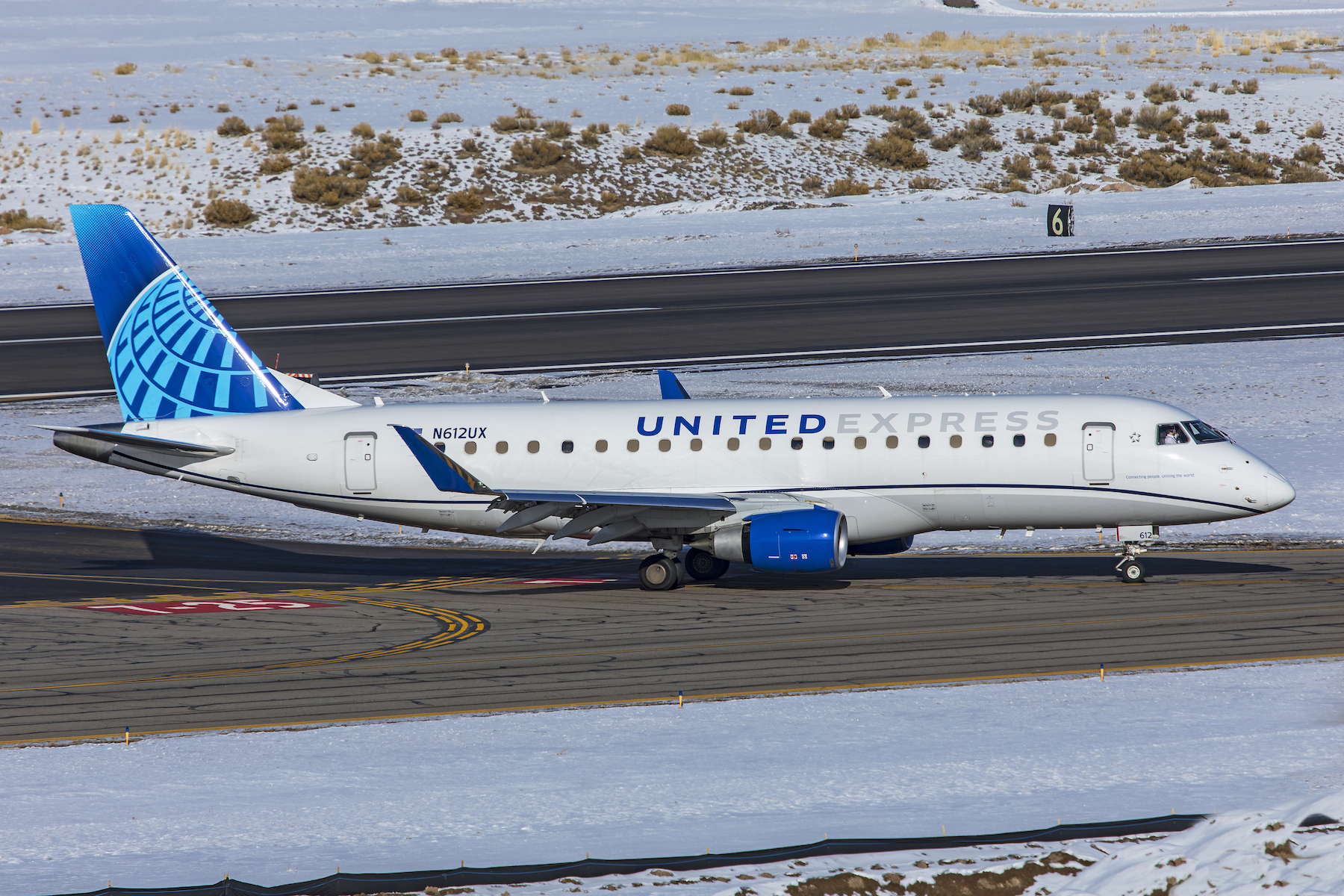
By the end of 2025, United says it will equip its two-cabin regional fleet with Starlink. The first aircraft ‒ an Embraer E175 ‒ will now feature upgraded internet service by the spring.
Initially, United planned to roll out Starlink in late 2025. Its first Starlink-enabled mainline aircraft will begin offering the service by the end of this year.
The carrier plans to equip its entire fleet with Starlink internet, which will be free for MileagePlus members. “This gate-to-gate connectivity will enable experiences in the sky at scale that no other major U.S. airline provides, on seatback screens and personal devices simultaneously,” United said in a news release.
United will become the first major U.S. carrier to utilize Starlink. JSX uses the technology on its fleet of Embraer jets. Air France also plans to equip its fleet with Starlink.
Ryan founded AirlineGeeks.com in February 2013 and has spent more than a decade covering the airline business. His work has been featured by CNN, WJLA, CNET, and Business Insider. His aviation experience spans airport operations, Part 135 regulatory compliance, and airline crew workforce planning, along with time behind the yoke of a Cessna 172 and interviews with airline executives. Ryan now serves as Group President of Firecrown Media’s Aviation Group. He holds a B.S. in Air Transportation Management and an MBA from Arizona State University and teaches Airline Management at Embry-Riddle Aeronautical University.
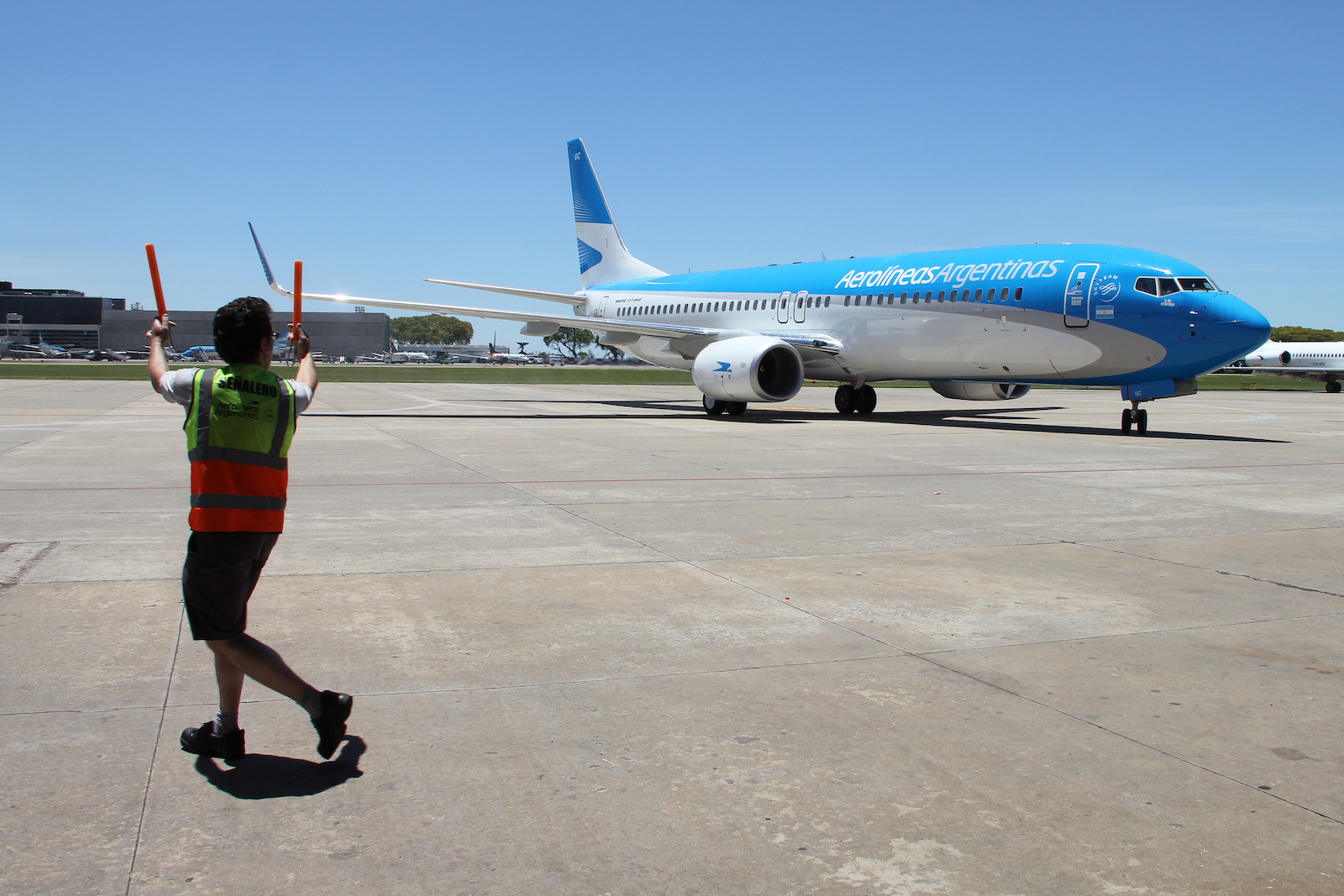
An Aerolineas Argentinas Boeing 737 (Photo: Shutterstock | claudio santisteban)
Aerolineas Argentinas could be preparing for a sale after it reduced 13% of its staff and cut domestic routes.
According to a Reuters report, the carrier’s cost cuts are part of an effort to bring private investment to the state-run airline and relieve government spending. The airline recorded its first profits for 2023 since it was nationalized in 2008, and it has cost the Argentinian government over $8 billion to cover its other years of operating losses.
In addition to reducing its workforce and route network, the carrier has also thinned its in-flight snack options, according to Reuters. The report stated that this move alone saved the carrier more than $500,000 a year.
A spokesperson for the carrier told Reuters that private investment delivered big operating results for Aerolineas Argentinas in 2024 – which also benefited from the staff reduction. The airline plans to release its financial results from 2024 next week.
In November 2024, Colombian airline Avianca – under its holding company Abra Group – expressed some interest in buying the ailing carrier.
Aba Group’s commercial chief, Joe Mohan, said in November that while the company is “interested” in a possible Aerolineas purchase, Abra is in “due diligence” to determine the next steps over a potential deal.
“So Aerolineas Argentinas has been bought and sold many times over a few decades,” Mohan said at Skift’s Aviation Forum in Dallas. “In fact, I did due diligence on that [at] one of my first jobs at Continental Airlines 25 years ago.”
“What is there to sell? We don’t really know,” he continued.
AirlineGeeks.com was founded in February 2013 as a one-person blog in Washington D.C. Since then, we’ve grown to have 25+ active team members scattered across the globe. We are all here for the same reason: we love deep-diving into the fascinating realm of the airline industry.
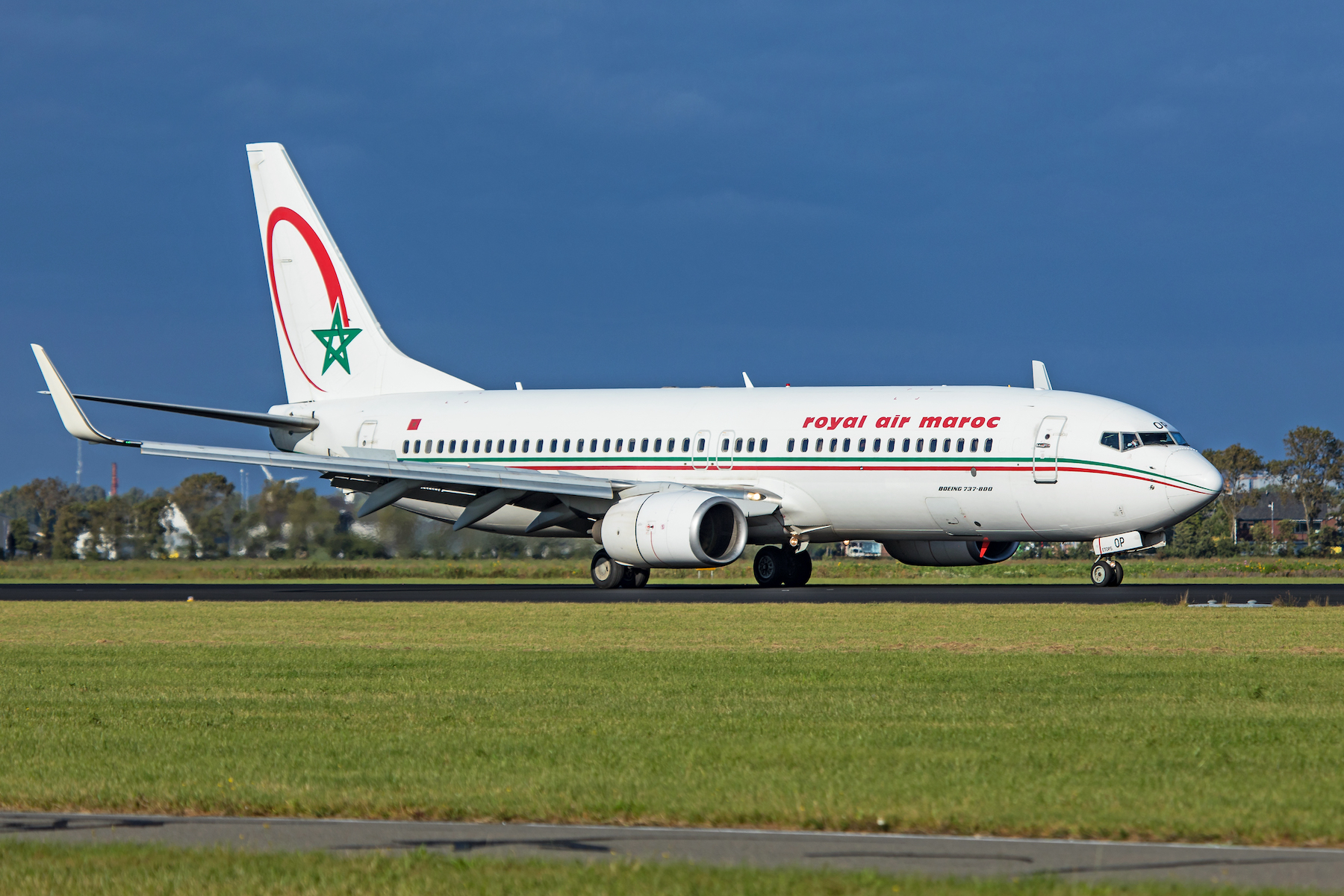
A Royal Air Maroc Boeing 737-800. (Photo: AirlineGeeks | William Derrickson)
After nearly a decade of suspension due to security concerns, Morocco and Libya plan to resume direct air and sea links in 2025. On December 25, 2024, Morocco’s Minister of Transport and Logistics, Abdel Samad Qaiouh, met with Libya’s Minister of Communications, Salem Al-Shahoubi, in Rabat. The meeting was held on the sidelines of the 29th Extraordinary Session of the General Assembly of the Arab Civil Aviation Organization.
The ministers emphasized the strong ties of fraternity and collaboration between the Kingdom of Morocco and the State of Libya. Both parties reaffirmed their commitment to enhancing bilateral cooperation in transportation and related sectors. Air traffic between the two countries has been suspended since February 16, 2015, following security restrictions imposed by Moroccan authorities, which included barring Libyan planes from entering Moroccan airspace.
During the meeting, Libya reiterated its keen interest in reinstating air connections between the two nations. Minister Al-Shahoubi highlighted that reestablishing these routes would not only improve connectivity but also stimulate economic exchanges and strengthen bilateral relations across various fields.
A significant step toward resuming air connections came on February 14, 2024, when a Royal Air Maroc (RAM) delegation visited Mitiga International Airport near Tripoli, Libya, to assess security conditions and operational measures.
Minister Qaiouh expressed Morocco’s readiness to advance this shared transportation agenda. Both sides agreed to intensify meetings of technical committees to explore practical measures for strengthening collaboration and to facilitate the exchange of expertise in the transport sector.
Despite progress, Morocco, like several other countries, remains cautious about fully restoring air traffic with Libya. Security concerns persist despite Libya’s peace agreement signed in October 2020 and improvements to its airport infrastructure. Since the fall of Libyan leader Muammar Gaddafi in 2011, Libyan travelers have often had to transit through Tunis, Istanbul, or Cairo to access flights to Europe.
A decisive milestone was reached on October 28, 2024, as Libyan Express successfully conducted a test flight with its Beech 200 King Air aircraft, landing and taking off from Tripoli International Airport’s secondary runway.
This event, the first of its kind in a decade, marks a crucial step forward as Libya prepares to restore full operational capacity at Tripoli International Airport. Once the primary gateway into Libya, the airport had been largely dormant for nearly ten years due to extensive damage sustained during the 2014 civil war.
Victor Shalton's love for aviation can be traced to when he was 11-years-old. As a seasoned aviation writer, he takes pride in providing the best aviation coverage around the globe and is passionate about advancing his skills in the aviation space. In addition, he loves travelling, writing, arts and while his speaking engagements have taken him around the world, he is proud to call Nairobi home.
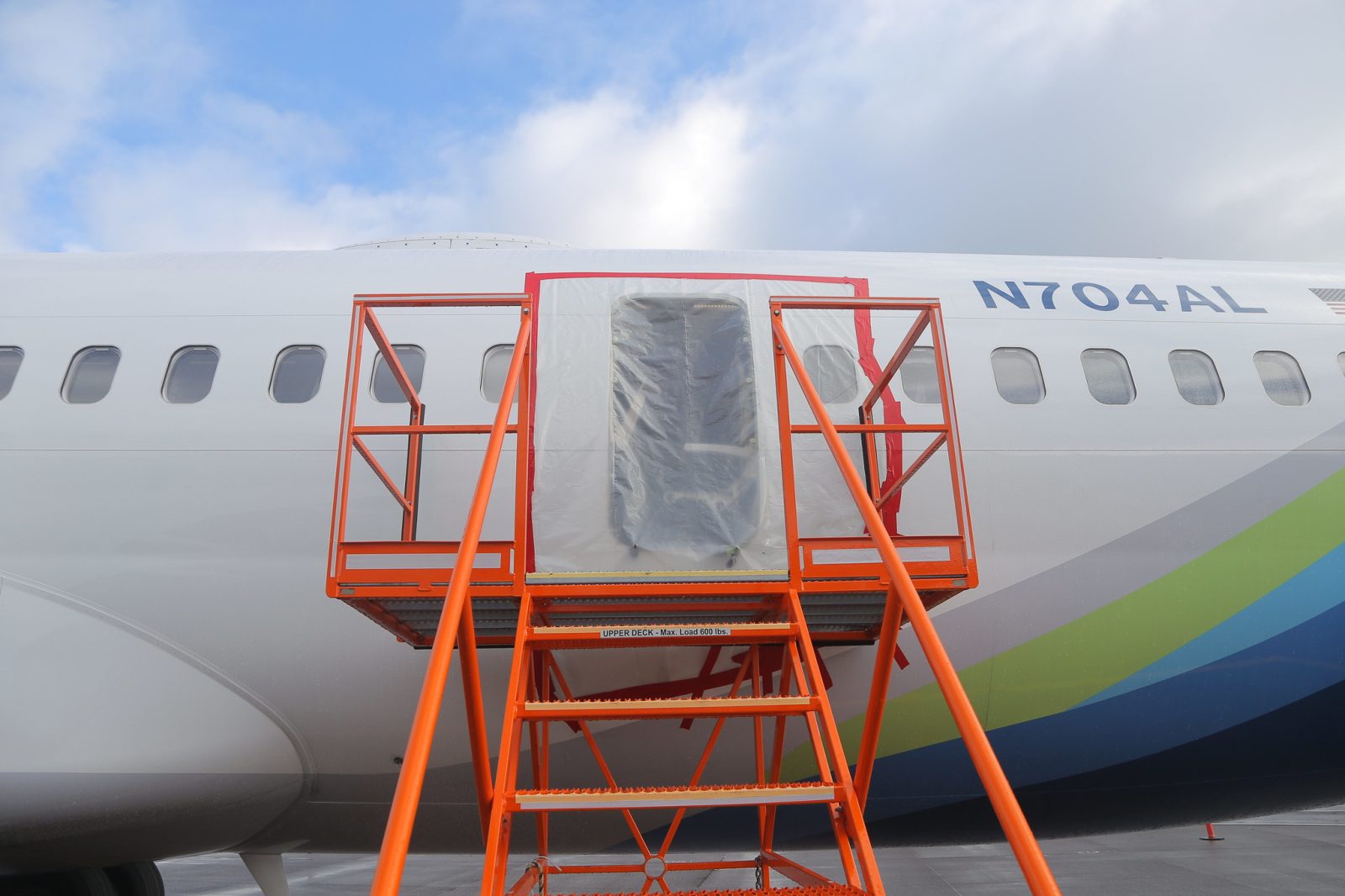
The FAA is investigating an incident in which an Alaska Airlines Boeing 737 MAX 9 lost a door plug in flight. (Photo: NTSB)
Nearly one year ago, a Boeing 737 MAX 9 operating Alaska Airlines flight 1282 out of Portland, Oregon, lost a door plug midflight. The event created shock waves across the aviation industry and raised questions about the aerospace titan’s safety culture.
On Friday, FAA Administrator Mike Whitaker, who contended with the fallout from the incident just a few weeks into his tenure, said the agency’s work is far from over.
“Our enhanced oversight is here to stay,” Whitaker said in a blog post. “But this is not a one-year project.”
The FAA has been investigating Boeing alongside the National Transportation Safety Board (NTSB), which in February revealed the lost door plug was missing several critical bolts.
NTSB Chair Jennifer Homendy in March testified that the company was stonewalling the investigation, while a Department of Transportation audit described FAA oversight of Boeing’s 737 and 787 production lines as “not effective.”
During an unprecedented two-dayhearing in August, NTSB officials grilled Boeing representatives about the firm’s shoddy oversight and its “you mess up, you get moved” mentality against workers who report safety concerns.
“I spoke with our safety experts and Transportation Secretary Pete Buttigieg to get all the facts and inputs before making the decision to issue an emergency airworthiness directive grounding all MAX aircraft built with this type of plug door,” Whitaker said Friday. “That soon led to a series of unprecedented steps that dramatically transformed how we oversee Boeing.”
The FAA chief said the agency has added inspectors on Boeing factory floors, conducted an “unprecedented number” of audits, capped 737 MAX production, and required the manufacturer to create an action plan “to fix its systemic production quality problems.”
After meeting with both leadership and employees about the firm’s safety culture, the FAA in the past year received a “surge” of safety reports.
“And that’s encouraging,” Whitaker said. “An increase in reports—whether at a manufacturer, an airline, or at the FAA—can be one sign of a healthy safety culture.”
Toward the end of the 53-day Boeing machinists’ strike earlier this year, Whitaker said he hammered home the importance of safety to CEO Kelly Ortberg.
“It’s clear that message hit home, as Boeing spent a full month post-strike making sure the necessary safety steps were taken before restarting production,” he said.
Whitaker added that the FAA is keeping a close eye on how Boeing executes its plan to improve safety, quality, and employee training. But it’s not a simple fix.
“What’s needed is a fundamental cultural shift at Boeing that’s oriented around safety and quality above profits,” Whitaker said. “That will require sustained effort and commitment from Boeing, and unwavering scrutiny on our part.”
Off-loading other units could help Boeing streamline its efforts to improve the culture of its core business.
In October, for example, it was reported that Ortberg is weighing the sale of its space business, which developed the beleaguered Starliner spacecraft. A few months prior, reports emerged that Boeing and Lockheed Martin could sell United Launch Alliance, a space launch joint venture they created in 2006.
Editor’s Note: This story first appeared on FlyingMag.com.
AirlineGeeks.com was founded in February 2013 as a one-person blog in Washington D.C. Since then, we’ve grown to have 25+ active team members scattered across the globe. We are all here for the same reason: we love deep-diving into the fascinating realm of the airline industry.
After over two decades with the carrier, Anthony Viaux said in a post on LinkedIn that he planned to resign from his position as captain due to “eco-anxiety.”
An Air France Airbus A319 (Photo: AirlineGeeks | William Derrickson)
A veteran Air France pilot has gone viral on social media after quitting due to “eco-anxiety” regarding the pollution caused by operating aircraft.
After over two decades flying for the carrier, Anthony Viaux said in a post on LinkedIn that he planned to resign from his position as captain. In the post – translated from French to English – he said his decision came after taking two years of sabbatical leave.
“… [T]he only solution I had found [was] to take stock and try to lighten a little the weight of the eco-anxiety that was eating me,” Viaux said.
While he acknowledged other industries were “much more polluting than aviation,” Viaux said aeronautics shouldn’t ignore its contributions to global warming.
“Airbus predicts nothing less than a doubling of the number of aircraft in the world by 2041,” he said. “But where was the ‘world after’ COVID, supposed to be more lucid and sober, lost? Because I am increasingly realizing that the ecological emergency is now! You just have to turn on the TV to see it.”
Viaux said that while he loved his job connecting with people around the world, every flight is paid at a high price by burning oil.
“Of course, I am aware that my resignation will not save the planet of course, but burning thousands of liters of kerosene every time I went to work, I could no longer do it,” Viaux said.
The post garnered over 7,000 reactions on LinkedIn and rallied nearly 900 comments. Several commenters shared in Viaux’s excitement for his new work in naturopathy and music. Others criticized the notion that aircraft were as responsible for global warming as other transportation pollutants.
During his two-decade tenure at the airline, he piloted a variety of aircraft, including Airbus A320-series jets and the A340.
According to the United Nations Civil Aviation Organization (ICAO), CO2 emissions from aviation account for approximately 2% of greenhouse emissions around the world. This amount of aviation emissions is expected to grow around 3-4% per year, though improvements in fuel efficiency are expected to partially offset this growth.
AirlineGeeks.com was founded in February 2013 as a one-person blog in Washington D.C. Since then, we’ve grown to have 25+ active team members scattered across the globe. We are all here for the same reason: we love deep-diving into the fascinating realm of the airline industry.
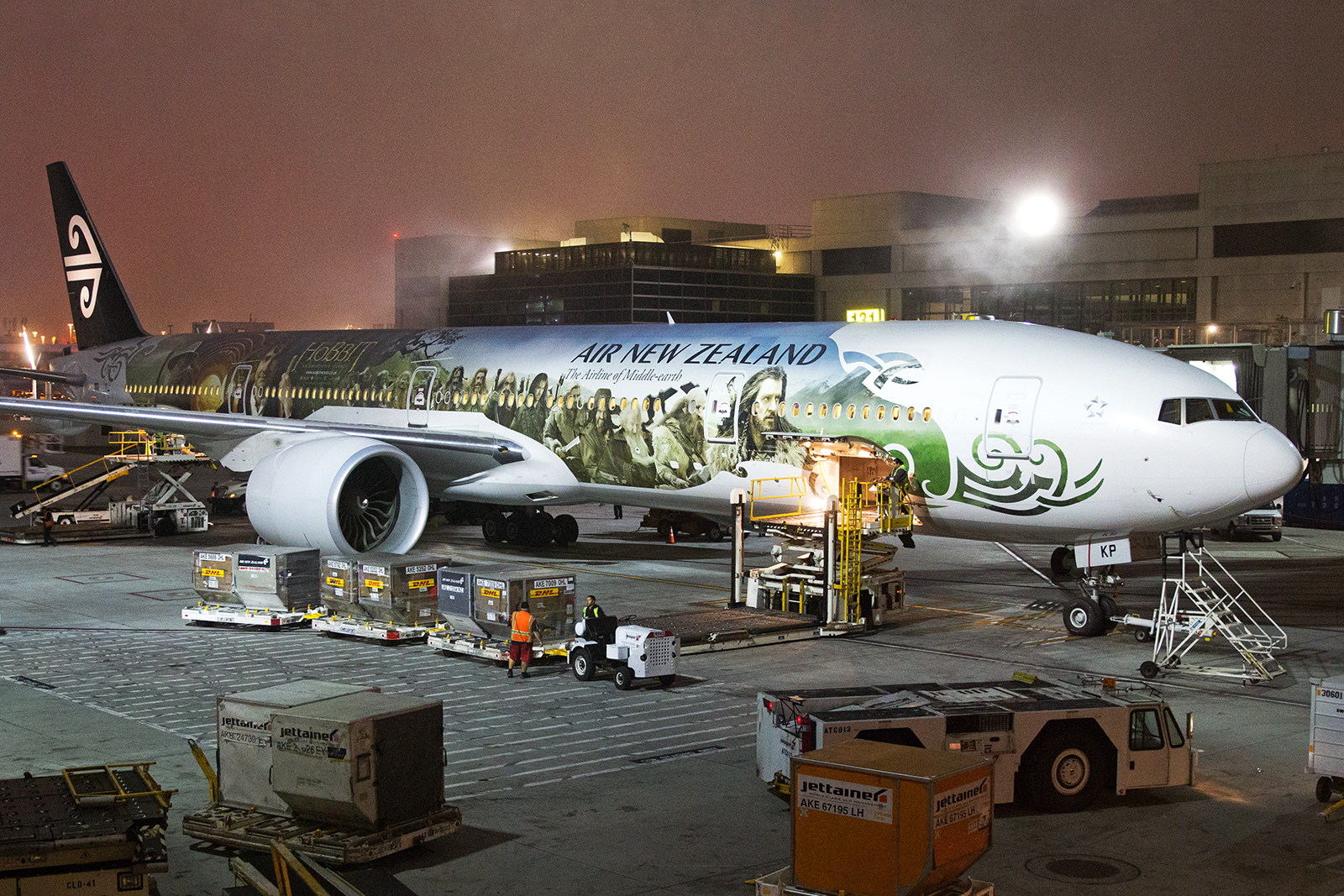
An Air New Zealand 777-300ER in a special livery (Photo: AirlineGeeks | William Derrickson)
Editor’s Note: AirlineGeeks is proud to present our ‘Livery of the Week’ series. Every Friday, a team member will share an airline livery, which can be from the past, present, or even a special scheme. Some airline liveries are works of art. The complexity associated with painting around critical flight components and the added weight requires outside-the-box thinking from designers. The average airliner can cost upwards of $200,000 to repaint, creating a separate aircraft repainting industry as a result.
Have an idea for a livery that we should highlight? Drop us a line.
Air New Zealand, the flag carrier airline of New Zealand, has a history of creating eye-catching aircraft liveries. Among the most memorable are those inspired by “The Hobbit” film series, which was filmed in New Zealand.
The airline’s first foray into Middle-earth-themed aircraft was in 2002 with a Lord of the Rings livery. However, it was the Hobbit-themed liveries that gained widespread attention.
Later, to coincide with the release of “The Hobbit: An Unexpected Journey,” Air New Zealand unveiled a Boeing 777-300ER featuring a large image of the dragon Smaug on its fuselage. This design also included other characters and scenes from the film.
Another Boeing 777-300ER was adorned with a new Hobbit livery, this time showcasing characters such as Bilbo Baggins and Gandalf the Grey. This design was created to celebrate the release of “The Hobbit: The Desolation of Smaug.”
Looking for a new airplane model? Head over to our friends at the Midwest Model Store for a wide selection of airlines and liveries.
Ryan founded AirlineGeeks.com in February 2013 and has spent more than a decade covering the airline business. His work has been featured by CNN, WJLA, CNET, and Business Insider. His aviation experience spans airport operations, Part 135 regulatory compliance, and airline crew workforce planning, along with time behind the yoke of a Cessna 172 and interviews with airline executives. Ryan now serves as Group President of Firecrown Media’s Aviation Group. He holds a B.S. in Air Transportation Management and an MBA from Arizona State University and teaches Airline Management at Embry-Riddle Aeronautical University.
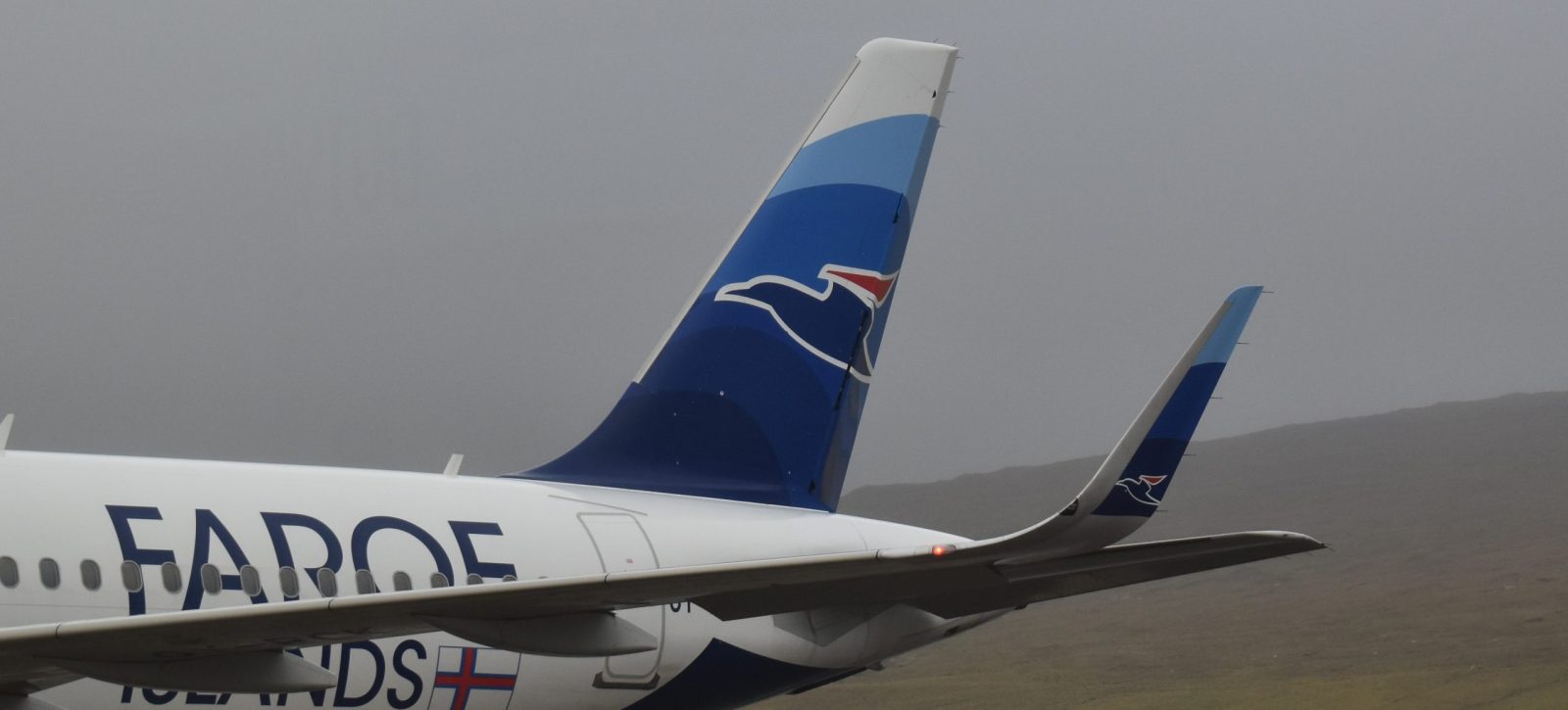
The tail of Atlantic Airways (Photo: AirlineGeeks | Joey Gerardi)
Atlantic Airways, an airline based in the small island nation of the Faroe Islands, is located partway between Ireland and Iceland. It sits in an unusual spot, and with runway and terrain restrictions, the company CEO has a unique approach and outlook on how to not only make the company sustainable but one that also puts the needs and of the country in mind.
AirlineGeeks had a chance to interview Jóhanna á Bergi, the CEO of the company, at its headquarters located at the Vágar Airport in the Faroe Islands.
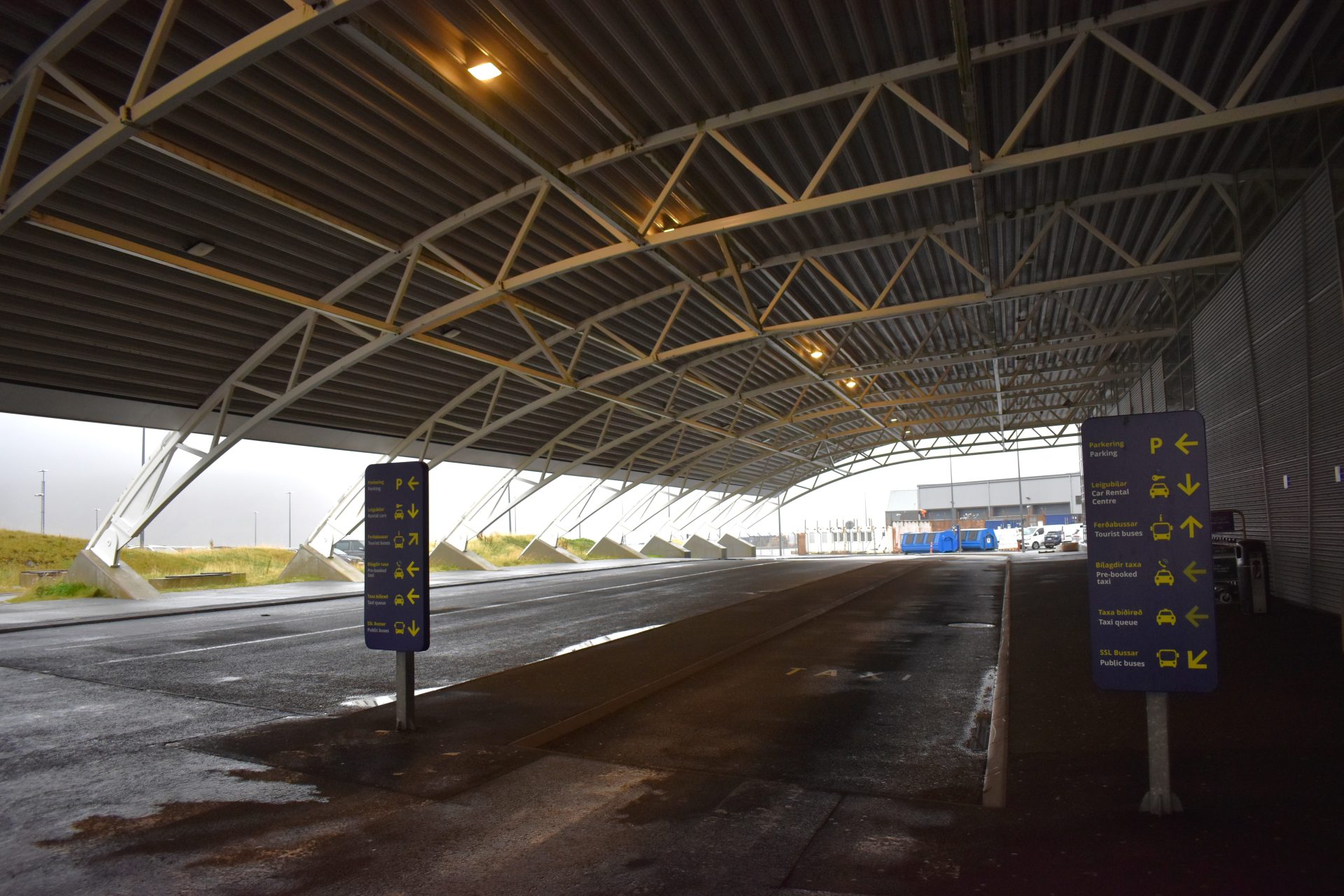
The curbside of Vágar Airport in the Faroe Islands (Photo: AirlineGeeks | Joey Gerardi)
AirlineGeeks (AG): What challenges have you faced being based in a small country like the Faroe Islands?
Jóhanna á Bergi (JB): I will say there are a lot of challenges and also a lot of opportunities. The challenges of course is the weather which can be challenging, but fortunately, we have good equipment. I would say that the A320neos and the A320ceos also are good aircraft for the Faroe Islands, and it’s also fitted for the runway and so on. I will also emphasize on the special navigation equipment. We have the RNP (Required Navigation Performance) AR01, which makes it easier especially when we have challenges with the visibility that we can have a lower minimum.
Landing in the Faroe Islands with reduced visibility (Photo: AirlineGeeks | Joey Gerardi)
(AG): What does the airline do to promote tourism here in the islands?
(JB): I will say we are very active both internally in Atlantic Airways, but we are also in the cooperation and co-creation with other people in the industry, I would say in the Faroe Islands. Mrs. Faroe Islands is doing a great job, and we are attending different exhibitions and fairs and doing promotions together. Of course, we have limited amounts of money or resources, but we are really trying to do our best.
(AG): How do you fit in and interact with the communities around the country?
(JB): Atlantic Airways is owned by the government and arranged in a limited company with a professional board, but we are really trying to do good efforts. Our mission is to connect the Faroe Island and to fly for the Faroe Islands, so we are always prioritizing every step we do, according to the local community and the wish for the community, but also to be a part of the tourism industry. So, I will say that we are trying to be very active, we support different kinds of activities in the Faroe Islands.
(AG): How are you integrating the culture and the values of the Faroe Islands into your brand, whether that’s on the planes or elsewhere?
(JB): There’s a lot of different things you can see. If we start with the logo of Atlantic Airways, which is a logo of the Gannet and is a bird that is living in the westernmost islands in the Faroe Islands; Mykines and Tindhólmur. Then the color of the logo is the same as our national flag; red, blue, and white. Also, the people who are working for Atlantic Airways are mainly local people or people living in the Faroe Islands. We also do have some bases in Denmark, Copenhagen, and Billund. then we are, the culture is all the way through that, of course, we are speaking Faroese, which is our native language, and then we also have, English as our second language in the company. so in different ways we are doing things and promoting the company we are, using our, culture, I would say.
(AG): So as you said, you have four Airbus aircraft and you have two helicopters. How difficult is that with your operating certificate, having helicopters and the fixed-wing airplanes?
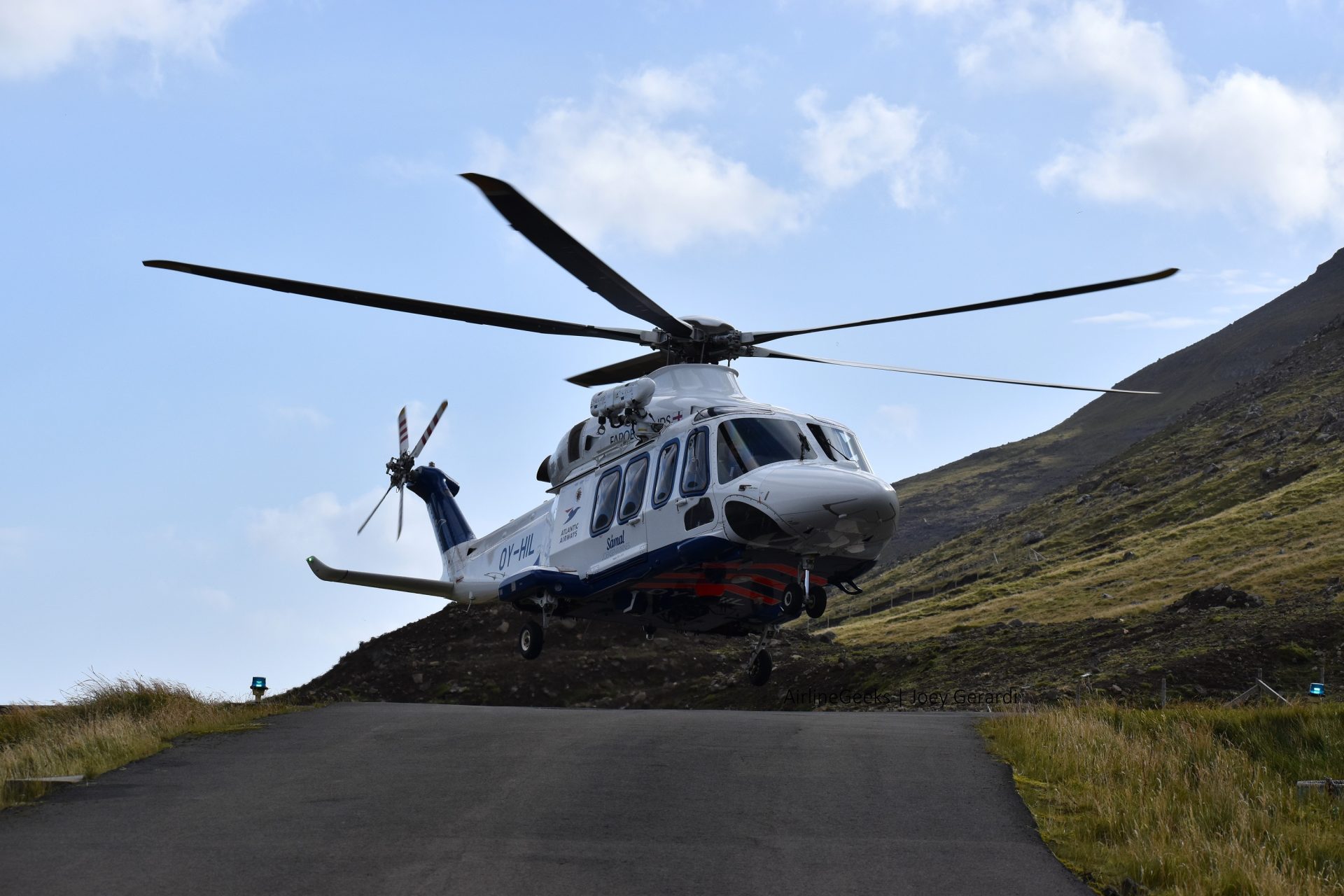
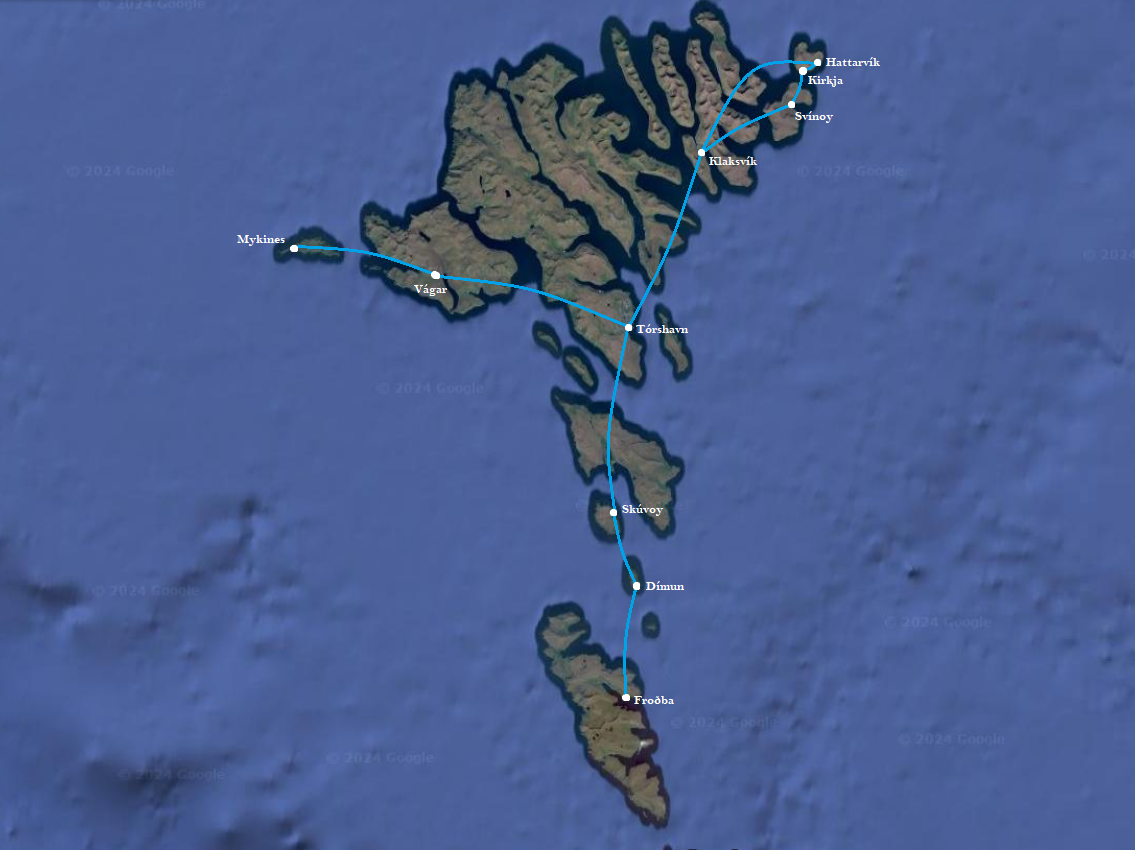
(JB): I’m the director and CEO of the company, but I’m also the accountable manager for the airline and the competent authority is in Denmark, but It’s a challenge to be a small airline with two types. So we are doing the aircraft and we do the rotor wing with the helicopter. And two different kinds of operation, because with the helicopters we are doing this island jumping. We have 18 islands and we are doing island jumping to some of the islands four times a week, like a scheduled service, and then we also do the HEMS, (Helicopter Emergency Medical Service), and also SAR flights (Search And Rescue). So that’s a totally different operation than with the aircraft where we are connecting the Faroe Islands, at the moment we have like 30 different destinations, some are seasonal and some are full year. Copenhagen represents maybe 50 to 60 percent of our business and then we have other routes also.
(AG): With the four passenger airplanes and the two helicopters, what challenges do you face operating at a smaller scale?
(JB): The challenge is economy of scale, because we are paying the same for the aircraft. We are paying the same for all the manuals and being in compliance and safe and secure and so on. So, the biggest challenge is the economy of scale, to be competitive, because we don’t have the economy of scale we have, to manage resources and the competencies of the people because we are in a small nation or a big ocean nation, I would say. But there is a population is like 55,000 people [in the Faroe Islands], so sometimes it could be challenging to find people with competencies in all different areas which are required
(AG): I know you’re opening the simulator building soon that’s right across the road here. What impact is that going to have on the pilots, the training, and the recurrence training now that it is so close to your airport?
(JB): That’s a really, really exciting project I would say, and we expect to be open beginning next year, end of this year. And there we will have two simulators, one for the Augusta Westland 139 and one for the A320. We are also planning ahead, that we will have some mock-ups for the training, for the cabin training, and so on. This is really giving us an opportunity for our own people, first to train in our environment, and we can fit it totally to our company. But, the business case is also based on that we will invite the whole world to come and train in the Faroe Islands. Especially if we look at the Augusta Westland 139, the simulator is very unique and it is a Thales product. What is unique about it is it’s a CAT D simulator. Even more unique is the integration between the SAR, and the simulator. So you can be training, the SAR part together with when the pilots are doing the simulator sessions and we expect, really people from the whole world and we have had a lot of visitors, and we expect people to come and train and is a unique opportunity I would say.
The new Atlantic Airways Simulators at Vágar Airport (Photo: AirlineGeeks | Joey Gerardi)
(AG): So the route to North America, what would you say are some of the challenges that led to the cancellation of this route?
(JB): I will first say that we were planning to start it in 2020, just when COVID hit, so first we were postponing it. When we started last year and we were very happy to do this direct route from the Faroe Islands to Stewart because it’s the first time you can connect the Faroe Islands actually with America, so that was quite amazing. There’s always a question about momentum, and we probably don’t have the momentum at the moment. So that’s why this is the last season this year, but we will most likely start again in some years, probably. But I think it’s a mix of problems, you have a lot of opportunities to go from the Faroe Islands to Iceland and then there to different destinations in the U. S. or you can also go to Denmark first, and we also have the Paris route now. Also maybe the A320 is not the totally preferred aircraft for a long-haul between the Faroe Islands and the U.S., but due to the runway in the Faroe Islands, we are not able to put in a bigger aircraft at the moment.
(AG): I know you mentioned briefly that you could start at some point again, years into the future. What would you do differently that you haven’t done the time or that you would like to try in a different fashion if you end up starting it at some point?
(JB): Yeah, there are a lot of elements that make routes a success or a failure, I would say. But for us, this is a success operational-wise. But what we could do better is definitely to have a better market representation and marketing that we could have some better sales channels and so on and that we will work on definitely.
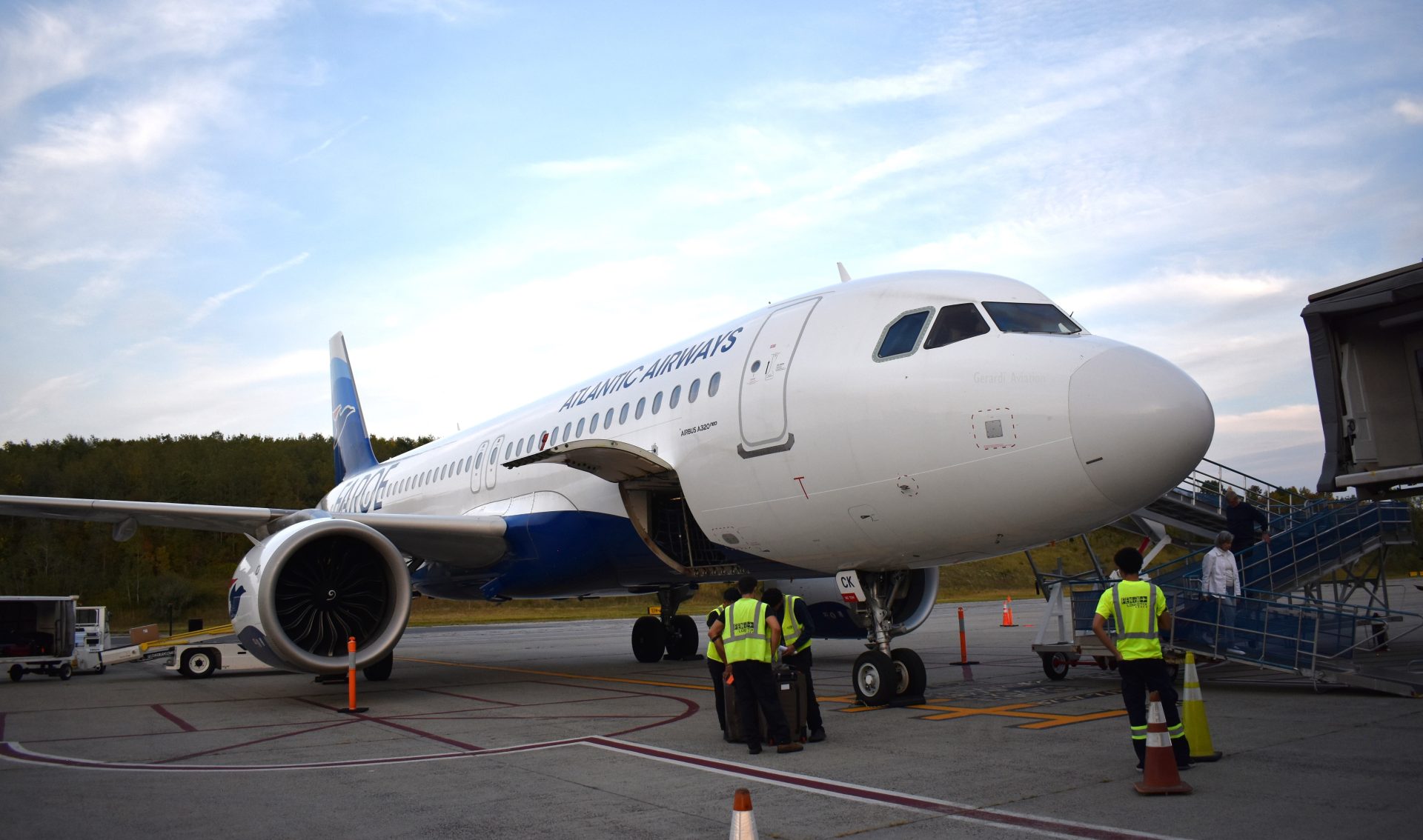
Atlantic Airways’ final sunset on North American soil (Photo: AirlineGeeks | Joey Gerardi)
(AG): I know you mentioned Paris briefly a couple of minutes ago and that London is also a new route for you. How are those two new routes doing performance-wise?
(JB): They are doing actually very good. We started Paris some years ago and there we managed to get the codeshare with KLM and Air France and have had very good cooperation with them and they are also feeding into the system. So, we are doing three times a week [to Paris] and sometimes two times a week, that’s a very good route for us and also we are seeing people coming from all over into Paris and then back to the Faroe Islands. London we started this year and that’s a route we were doing some years ago and where we stopped, but now we have started again and we are very pleased with the route and we will continue also next year.
(AG): Countries like the United States and Canada have programs to fund service to, smaller communities. Do you have anything like that here in the Faroe Islands for your helicopter flights?
(JB): Yeah, actually the helicopter flights for island jumping and the search and rescue (SAR) operation, is subsidized by the government. And then you are paying a very small amount for the actual ride I would say, but it’s very clear that the helicopter is mainly for two purposes, to serve the people living on the different islands, and also to always be 24/7 ready for search and rescue. So, when we have some tourists take a ride on the helicopter it’s because there is enough space on the helicopter, but the people living on the different islands, they will always have first priority in booking a ticket.
An Atlantic Airways Augusta Westland 139 Helicopter (Photo: AirlineGeeks | Joey Gerardi)
(AG): So you mentioned the locals have that priority on the helicopter. It’s not really geared toward tourists, but they can go on those as well?
(JB): Yeah, they are very welcome but it’s really geared towards the local people, and that means that they [locals] can go into the system, and book I think 30 days in advance while other people [tourists] can only book it one week in advance.
(AG): So for the locals or even the tourists to some degree if there are seats, are they able to connect onwards to the passenger flights if they fly into here [Vagar Airport] with the helicopters?
(JB): It’s not totally programmed for that, but for some of the flights it’s possible, but it’s like living two different lives. But, for some routes, it’s possible.
A description of Atlantic Airways currently scheduled helicopter, based off of the airline’s timetables (Photo: AirlineGeeks | Joey Gerardi)
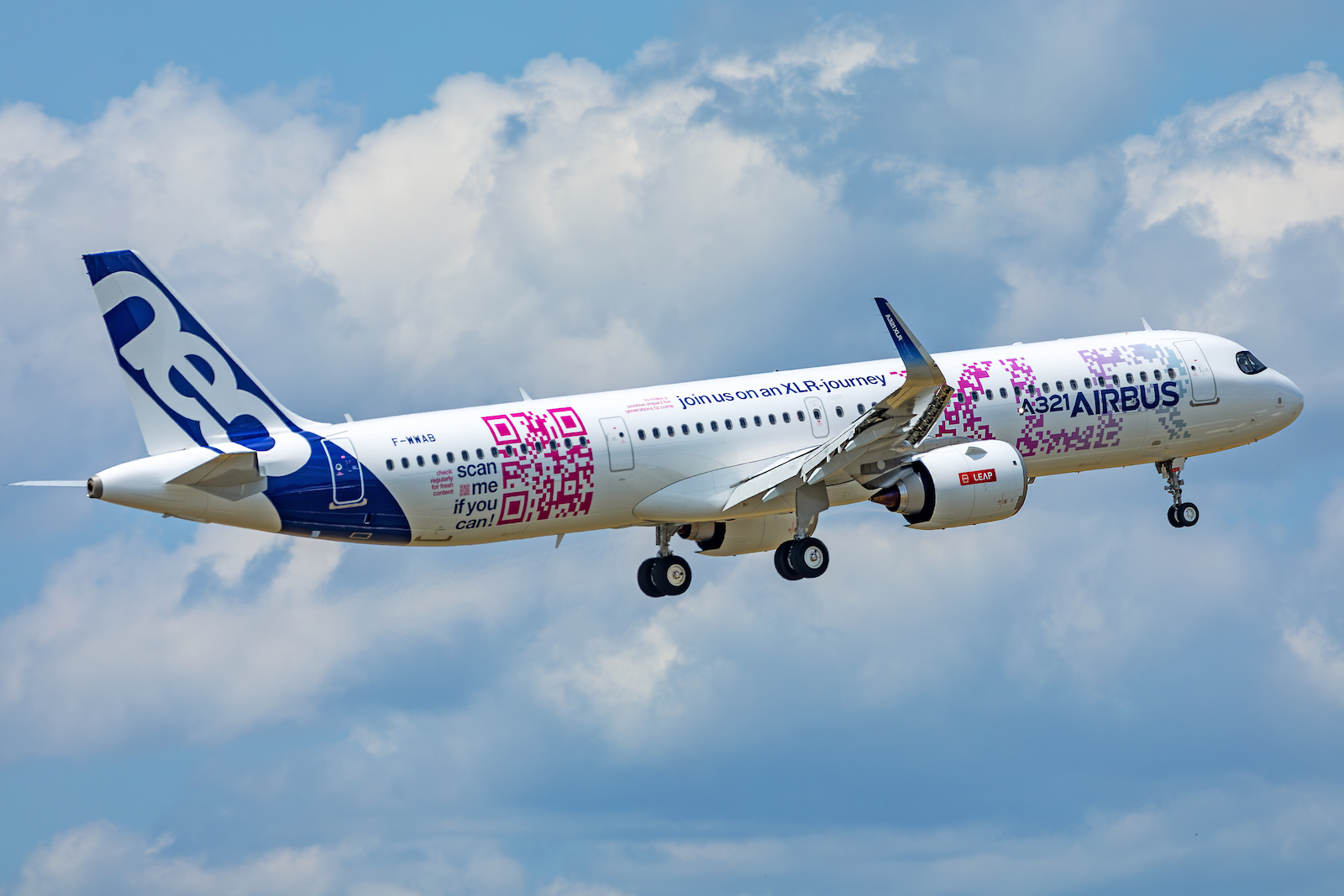
(AG): So I know you mentioned the runway space and the runway length. With its longer reach capacity do you think the A321NEO or the XLR have at some point a future in this airline?
(JB): I wish I could say a straight yes, but A321 is possible. The challenge is that we cannot have the full max payload with the takeoff. So we have to select carefully, if we introduce an A321, then you have to know exactly which routes you are going to fly, because if you’re flying a long-distance route, like a Barcelona or down to Gran Canaria and so on, you can not have a max payload, meaning you are paying a lot for an aircraft which you can not fully utilize. We are sitting and doing that calculation at the moment because we have signed, an agreement with Airbus for two new aircraft in 2027 and 2028, so we have some years still to go, but we are doing an examination of exactly this, the difference between the A321 and the A320.
An Airbus A321XLR (Photo: AirlineGeeks | William Derrickson)
(AG): So you said you have an agreement for two new aircraft with Airbus. Those don’t have to be the A320 necessarily, and you could opt to do the A321 if you decided to, correct?
(JB): Yes, but for us it’s very important that we can mix and match with only four aircraft or five maybe, it’s important that we can do the optimal solution for the aircraft we select. Again, thinking of the economy of scale, we are a small company, and we have to choose the right aircraft.
(AG): I know it’s a completely different aircraft family and it’s not yours, but there’s a 757 sitting out there on the Vagar ramp for cargo and their performance is a little bit better than the A321. Have you thought about going in that direction or would you prefer to stay with the Airbus family?
(JB): Yeah, I don’t know all the technical specifications, but I only know that at the moment, if you don’t have this RNP AR01 technology, which is a satellite navigation system, then we will not go for that option. And as far as I know, this [the Boeing 757] is an aircraft which is 20 plus years old and don’t have this navigation system.
(AG): Do you see expansion further into Europe or Northern Africa in the future coming up?
(JB) I will say that we have a lot of destinations in Europe which we would like to serve, and we have been trying to get slots in Amsterdam for a long time. So that [Amsterdam] will be our preferred new destination.
(AG): So I know you said the two aircraft you have from Airbus in 2027 and 2028, is that when they get delivered or is that when you have to decide what type of aircraft you want them to be?
(JB): That’s when they are getting delivered, so we will decide which type of aircraft later this year or beginning next year.
(AG): I know you mentioned COVID briefly. How did that affect your operations here given every single flight out of this airport is international?
(JB): It affected us heavily. Fortunately, we had a good [Covid] testing capacity in the Faroe Islands, and we were very much in control of the situation so that we always knew how to behave because of this testing. Everybody who came to the Faroe Islands were tested immediately, and got an answer quite quick afterwards. But like all other companies all over the industry we were affected, heavily affected. We had done a reduction, like 50 percent in our operation, but although we have a lot of people in the Faroe Islands, we have young people studying abroad, we have people that are offshore in the maritime sector working abroad, we have people who are leaving the Faroe Islands to Denmark for medical reasons and so on. So, we were serving the community and doing I would say, as good as we could do with all the limitations we had. But it was a huge effect on our company for two years.
(AG): What would you say other than the aircraft in 2027 and 2028 which we’ve talked about a couple of times, what is the future like for this airline short term as well as long term?
(JB): I will say that we are a company who is owned by the government and having a range and limited company with a professional board and our ambition is to serve our community foremost, and that means also that we are growing with the demand in the Faroe Islands organically. Our challenge, I would say is to balance the high season and the low season. Because low season is very low, and the high season is very high at the moment. We are also very much involved in this MICE segment also, which stands for meeting incentives, conferences, and events and so we try to balance. That’s also a part of being a part of the local community, so we can grow together. Because if you only have some jobs in the sector for a certain period, it’s challenging because where are those people gonna work in the low season? That’s a big challenge for us where we would like to cooperate, with the industry. But we are also doing some business outside the Faroe Islands at the moment, in the low season especially, and one third of our business is outside the Faroe Islands, where we are working for Danish tour operators. I would say that we will be ready, and we will be growing with the Faroe Islands and the demand in the Faroe Islands for the local community.
A video account of this interview can be found below, and a trip report of our journey on the airline’s last flight to North America can be found here.
Joey has always been interested in planes for as long as he can remember. He grew up in Central New York during the early 2000s when US Airways Express turboprops ruled the skies. Being from a non-aviation family made it harder for him to be around planes and would only spend about three hours a month at the airport. He was so excited when he could drive by himself, the first thing he did with his driver's license was get ice cream and go plane spotting for the entire day. He graduated from Western Michigan University in 2022 with a B.S. in Aviation Management & Operations and a Minor in Business, and currently works for a major airline in his hometown.
JetBlue Fined for ‘Chronic’ Flight Delays
For the first time ever, the Department of Transportation is penalizing a U.S. carrier for so-called “chronic” flight delays.
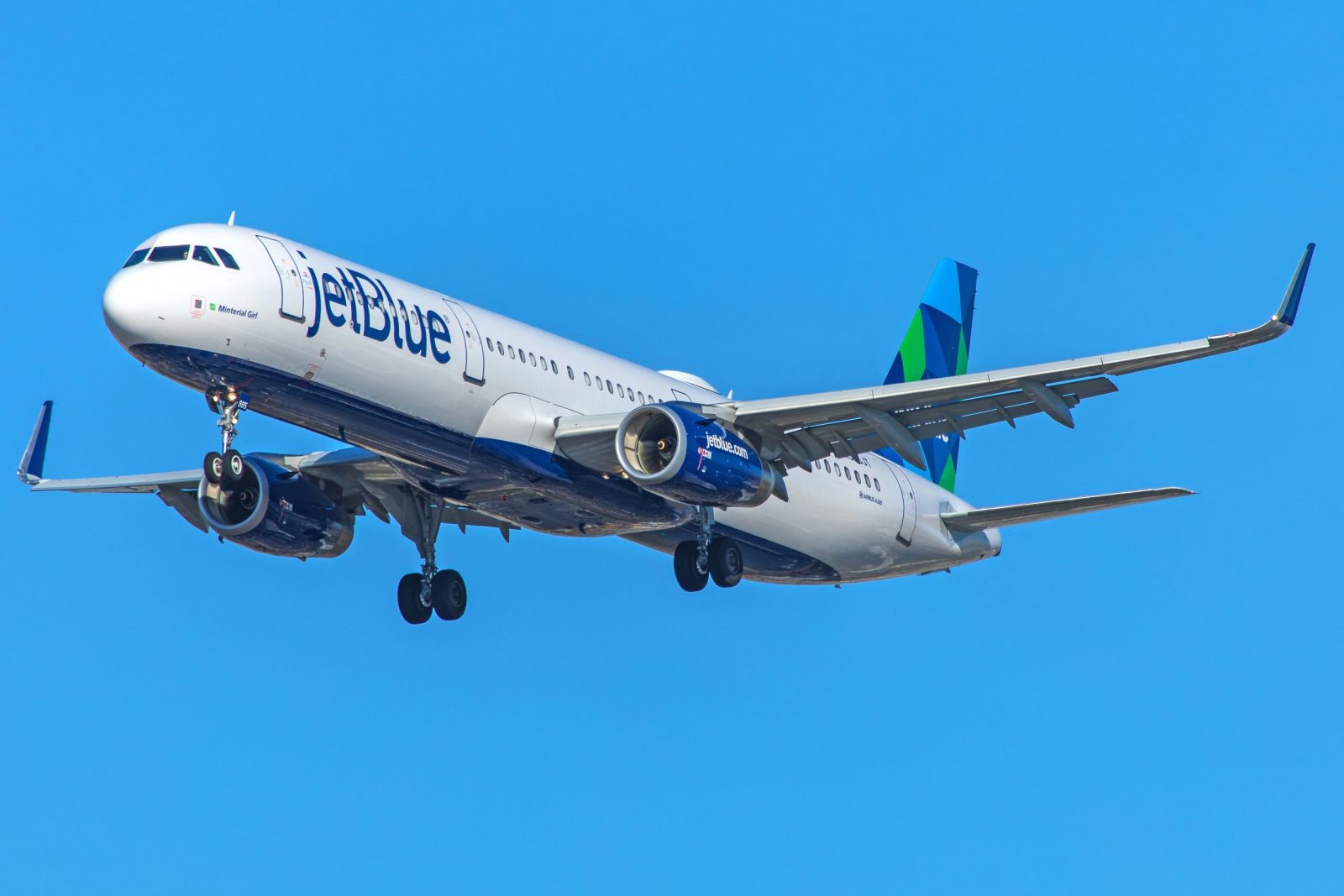
A JetBlue Airbus A321. (Photo: AirlineGeeks | William Derrickson)
JetBlue is facing a $2 million fine over its operational disruptions. For the first time, the Department of Transportation is penalizing a U.S. carrier for “chronic” flight delays.
The agency announced the fine in a news release on Friday. JetBlue operated “multiple chronically delayed flights,” the release said.
Four frequently delayed flights were noted by the DOT. These flights operated 145 times from June 2022 to November 2023.
According to the agency, the four flights in question were between New York-JFK and Raleigh-Durham, North Carolina; Fort Lauderdale and Orlando, Florida, along with New York-JFK; and from Fort Lauderdale to Windsor Locks, Connecticut.
DOT estimates that JetBlue was responsible for 70% of the delays on these four flights. Notably, though, the Federal Aviation Administration faced air traffic control staffing constraints in both New York and Florida during the same period.
A JetBlue spokesperson told AirlineGeeks that the carrier believes “accountability for reliable air travel equally lies with the U.S. government, which operates our nation’s air traffic control system.”
“JetBlue has invested tens of millions of dollars to reduce flight delays, particularly related to ongoing air traffic control (ATC) challenges in our largest markets in the Northeast and Florida,” the airline said in a statement. “Through these efforts, we have seen significant operational improvements in 2024 including better on-time performance during this year’s peak summer travel season.”
Passenger Compensation
While JetBlue will pay $1 million to the U.S. Treasury, the other half “will be credited to JetBlue for costs … incurred or [that it] will incur for: (1) goodwill compensation already paid to affected passengers during the timeframe covered by this investigation; (2) goodwill compensation payable within one year of the date of this order to passengers who are affected by future controllable cancellations or delays of three hours or more, provided that any vouchers payable to passengers are valued at a minimum of $75,” the agency said in its order.
The carrier will pay the first $500,000 within 60 days of the agency’s order, and the other $500,000 is due within one year.
JetBlue will also have to “cease and desist” its “chronic flight delays.”
Ryan founded AirlineGeeks.com in February 2013 and has spent more than a decade covering the airline business. His work has been featured by CNN, WJLA, CNET, and Business Insider. His aviation experience spans airport operations, Part 135 regulatory compliance, and airline crew workforce planning, along with time behind the yoke of a Cessna 172 and interviews with airline executives. Ryan now serves as Group President of Firecrown Media’s Aviation Group. He holds a B.S. in Air Transportation Management and an MBA from Arizona State University and teaches Airline Management at Embry-Riddle Aeronautical University.
One Alabama airport will lose all of its scheduled flights in a matter of weeks. Low-cost carrier Breeze will end service to Mobile by the end of January.
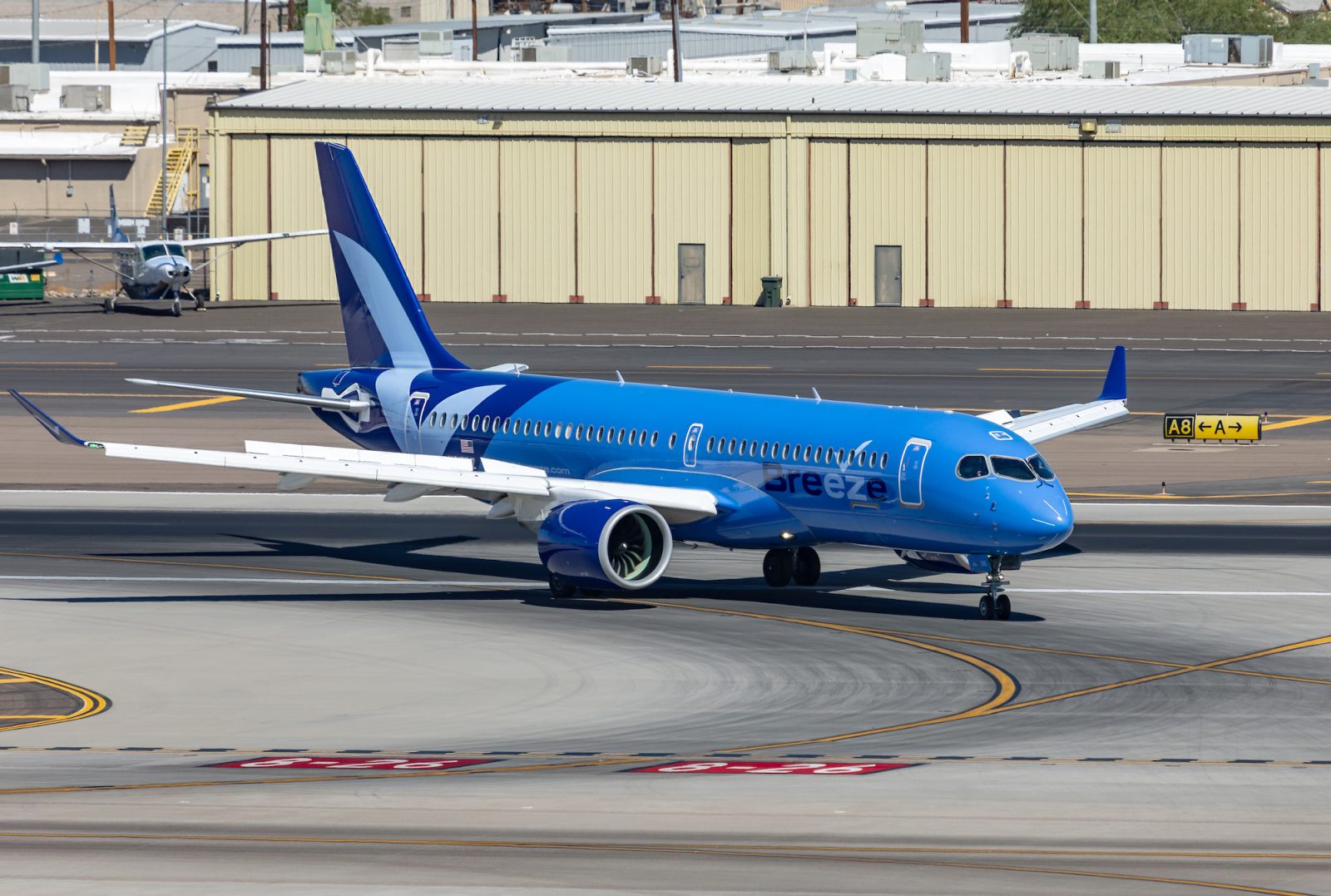
A Breeze A220 in Phoenix. (AirlineGeeks - William Derrickson)
One Alabama airport will lose all of its scheduled passenger flights in a matter of weeks. Low-cost carrier Breeze will end service to Mobile by the end of January.
Previously, Avelo served the market, but it also pulled out last year.
According to Ishrion Aviation, Breeze will axe its twice-weekly flights to Orlando, Florida. The route is slated to end after Jan. 31.
“Effective January 31, 2025, Breeze will suspend service from Mobile International Airport (BFM). We see a lot of promise in Mobile and the surrounding area, so while there is currently no estimated timeline for resuming service at BFM, we hope to return as we continue to grow. We are working with our Guests who have been impacted by this change to issue full refunds or serve them from one of our nearby airports in the meantime,” an airline spokesperson said in a statement.
Located just 15 miles away, Mobile Regional Airport sees regular flights on most major U.S. carriers. American, Delta, and United all serve the airport via their hubs.
Editor’s Note: This story was updated on Friday, Jan. 3, 2025 at 12:24 p.m. ET to add a statement from Breeze.
Ryan founded AirlineGeeks.com in February 2013 and has spent more than a decade covering the airline business. His work has been featured by CNN, WJLA, CNET, and Business Insider. His aviation experience spans airport operations, Part 135 regulatory compliance, and airline crew workforce planning, along with time behind the yoke of a Cessna 172 and interviews with airline executives. Ryan now serves as Group President of Firecrown Media’s Aviation Group. He holds a B.S. in Air Transportation Management and an MBA from Arizona State University and teaches Airline Management at Embry-Riddle Aeronautical University.
When we think of lackluster terminals, the old LaGuardia might come to mind. Perhaps Concourse C and D at Washington’s Dulles airport also tops the list.
A JPATS MD-80 aircraft (Photo: Bryan, CC BY 2.0 , via Wikimedia Commons)
When we think of lackluster airport terminals, the old LaGuardia concourses might come to mind. Perhaps the “temporary” Concourse C and D at Washington’s Dulles airport also tops the list.
But one terminal is probably unanimously disliked, and few will ever see it.
On the west side of Oklahoma City’s Will Rogers World Airport is an additional structure with jet bridges, which has the appearance of another terminal. It is detached from the airport’s main terminal building.
This facility is far from an ordinary airport terminal, though. Despite its appearance, the building – called the Federal Transfer Center – is operated by the Federal Bureau of Prisons. And despite its airport location, it is actually a prison.
The Federal Transfer Center in Oklahoma City (Photo: Google Maps)
30-Year-Old Facility
The Federal Transfer Center opened in 1995 and is a hub for the Justice Prisoner and Alien Transportation System. This federal program moves inmates throughout the country on different Boeing 737 aircraft.
According to the facility’s website, it houses nearly 1,300 inmates. In 2024, 97,413 inmates were transported by federal marshals via air travel.
The U.S. Marshals Service describes JPATS as “the only government-operated, regularly scheduled passenger airline in the nation.” These flight operations, the agency says, have more security than commercial airlines.
Many federally incarcerated inmates will see the Oklahoma City Federal Transfer Center at some point. It is mostly used as a layover point for prisoners moving from one facility to another or back to the region in which they were convicted.
Ryan founded AirlineGeeks.com in February 2013 and has spent more than a decade covering the airline business. His work has been featured by CNN, WJLA, CNET, and Business Insider. His aviation experience spans airport operations, Part 135 regulatory compliance, and airline crew workforce planning, along with time behind the yoke of a Cessna 172 and interviews with airline executives. Ryan now serves as Group President of Firecrown Media’s Aviation Group. He holds a B.S. in Air Transportation Management and an MBA from Arizona State University and teaches Airline Management at Embry-Riddle Aeronautical University.