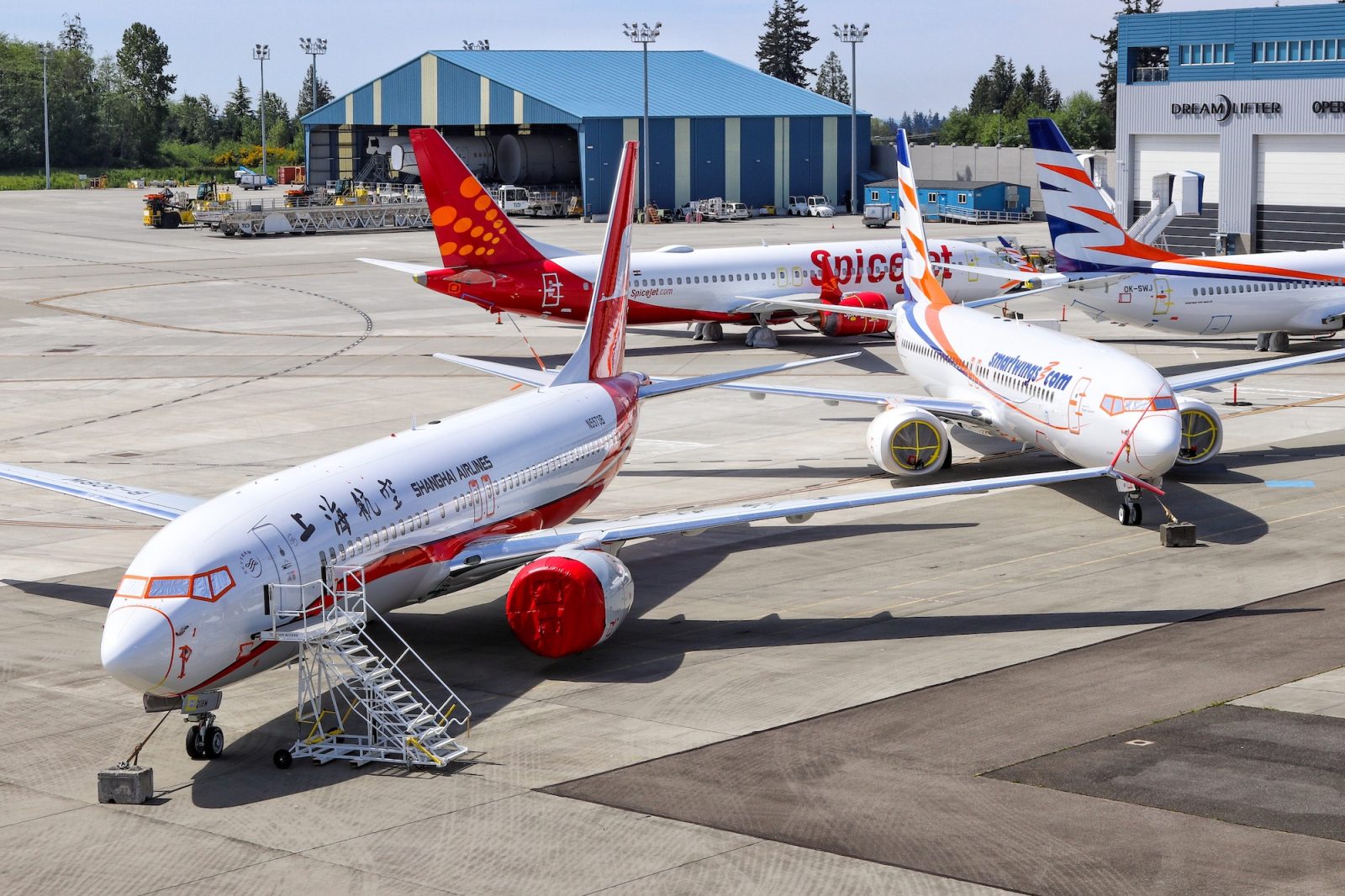
A stored Smartwings Boeing 737 MAX sits alongside other aircraft awaiting delivery at Paine Field in 2019. (Photo: AirlineGeeks | Katie Zera)
Boeing delivered 34% fewer aircraft in 2024 than a year prior, according to annual production and delivery data published by AirInsight Group.
The AirInsight data shows that the American jet builder delivered just 341 planes in 2024, down from 513 in 2023. More data from AirInsight shows Boeing’s competitor Airbus delivered twice as many planes in 2024 with 755 deliveries – 14 more than the year prior.
This year’s delivery count from Boeing marks the company’s lowest since the pandemic in 2020 and 2021. The data shows that Boeing produced a total of 230 narrow and widebody commercial aircraft in 2024, 149 less than in 2023.
For its top-selling 737 models, Boeing delivered 200 MAX 8s, 42 MAX 8-200s, and 21 MAX 9s in 2024. Combined, this is 131 less 737 deliveries than in 2023. Boeing delivered just 50 787s in 2024 compared to 73 Dreamliners a year prior.
Embraer Meets Targets
Boeing’s total deliveries for 2024 reached 84 percent of its delivery goal for the year, according to AirInsight. Embraer was the only major jet manufacturer to meet 100 percent of its delivery goal for the year with 73 aircraft.
2024 was a turbulent year for Boeing due to labor strikes grinding production to a halt, aircraft malfunctions and government scrutiny over its safety and manufacturing processes.
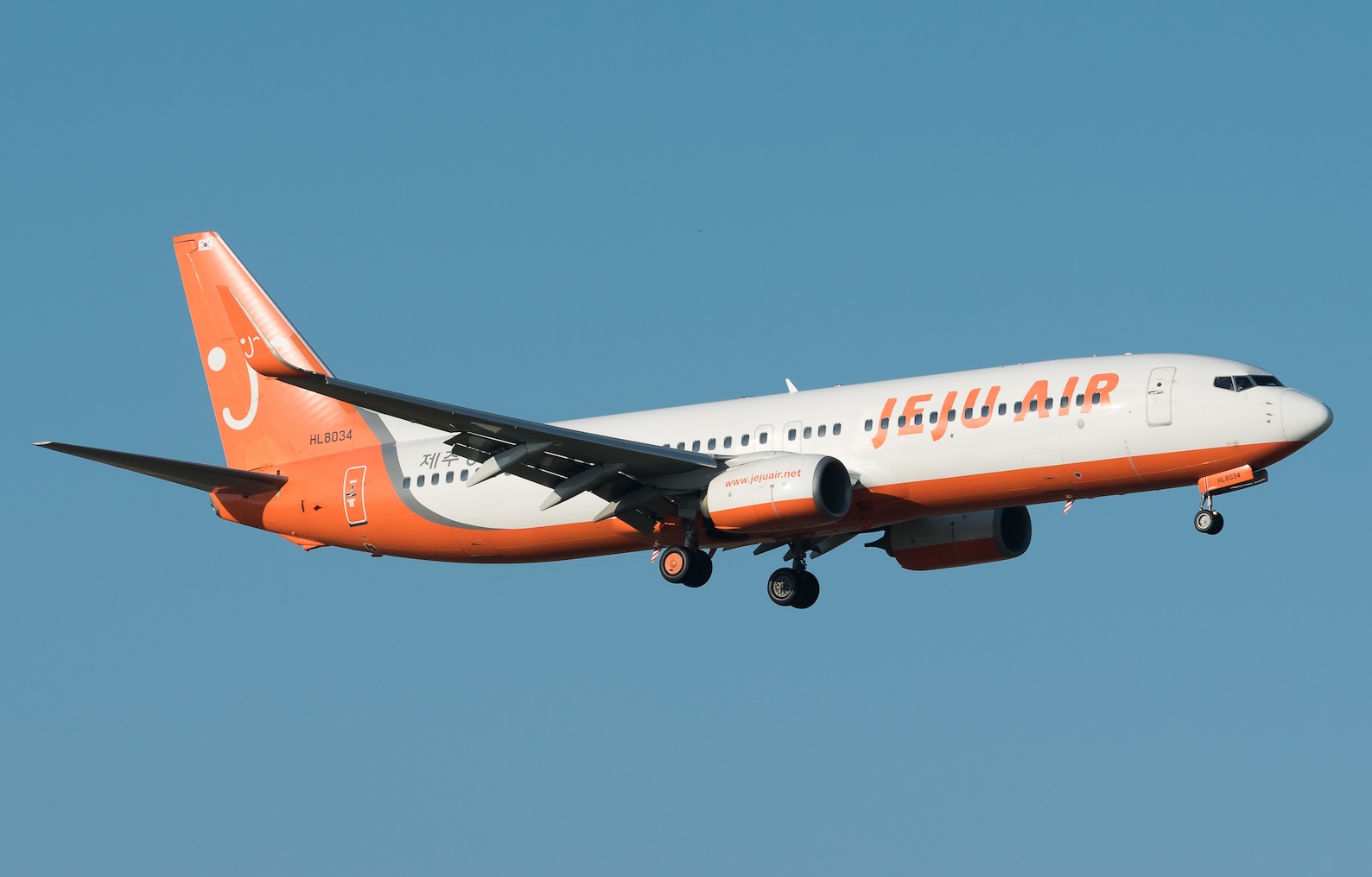
To make matters worse, the jet builder made headlines again after a Boeing 737-800 operated by South Korean carrier Jeju Air crashed on a runway at Muan International Airport. While the cause of the deadly incident is still unclear, Boeing’s stock took a roughly two percent hit after the crash.
AirlineGeeks.com was founded in February 2013 as a one-person blog in Washington D.C. Since then, we’ve grown to have 25+ active team members scattered across the globe. We are all here for the same reason: we love deep-diving into the fascinating realm of the airline industry.
Jeju Air announced Thursday that it plans to reduce its domestic and international flights due to safety concerns over its Boeing 737-800 aircraft following a deadly crash on Sunday morning.
The South Korean carrier stated during a press briefing Thursday that it would lessen its domestic flights as soon as next week, according to a report by the Yonhap News Agency. Jeju Air also plans to reduce flights on international routes starting in the third week of January.
Yonhap reported that Jeju Air flight 2216 may have crashed due to a landing gear malfunction and stated there were “concerns that the airline might have prioritized operations over sufficient maintenance time.”
Investigation of the accident is still ongoing, and officials have not yet disclosed a reason for the crash.
On Thursday, South Korean police began search and seizure operations at Muan International Airport where flight 2216 crashed, a regional aviation office in Muan and Jeju Air’s office in Seoul, according to a CBS News report. In a statement to CBS, police also said that Jeju Air’s CEO Kim E-bae has been banned from leaving the country.
Flight 2216 crashed on Sunday, killing 179 of the 181 people aboard. A Boeing spokesperson told AirlineGeeks that the company is in contact with Jeju Air regarding flight 2216 and stands ready to support them.
“We extend our deepest condolences to the families who lost loved ones, and our thoughts remain with the passengers and crew,” the spokesperson said.
The Boeing spokesperson deferred comment to South Korea’s Aviation and Railway Accident Investigation Board (ARAIB) for further information about the incident. AirlineGeeks reached out to ARAIB for comment.
AirlineGeeks.com was founded in February 2013 as a one-person blog in Washington D.C. Since then, we’ve grown to have 25+ active team members scattered across the globe. We are all here for the same reason: we love deep-diving into the fascinating realm of the airline industry.
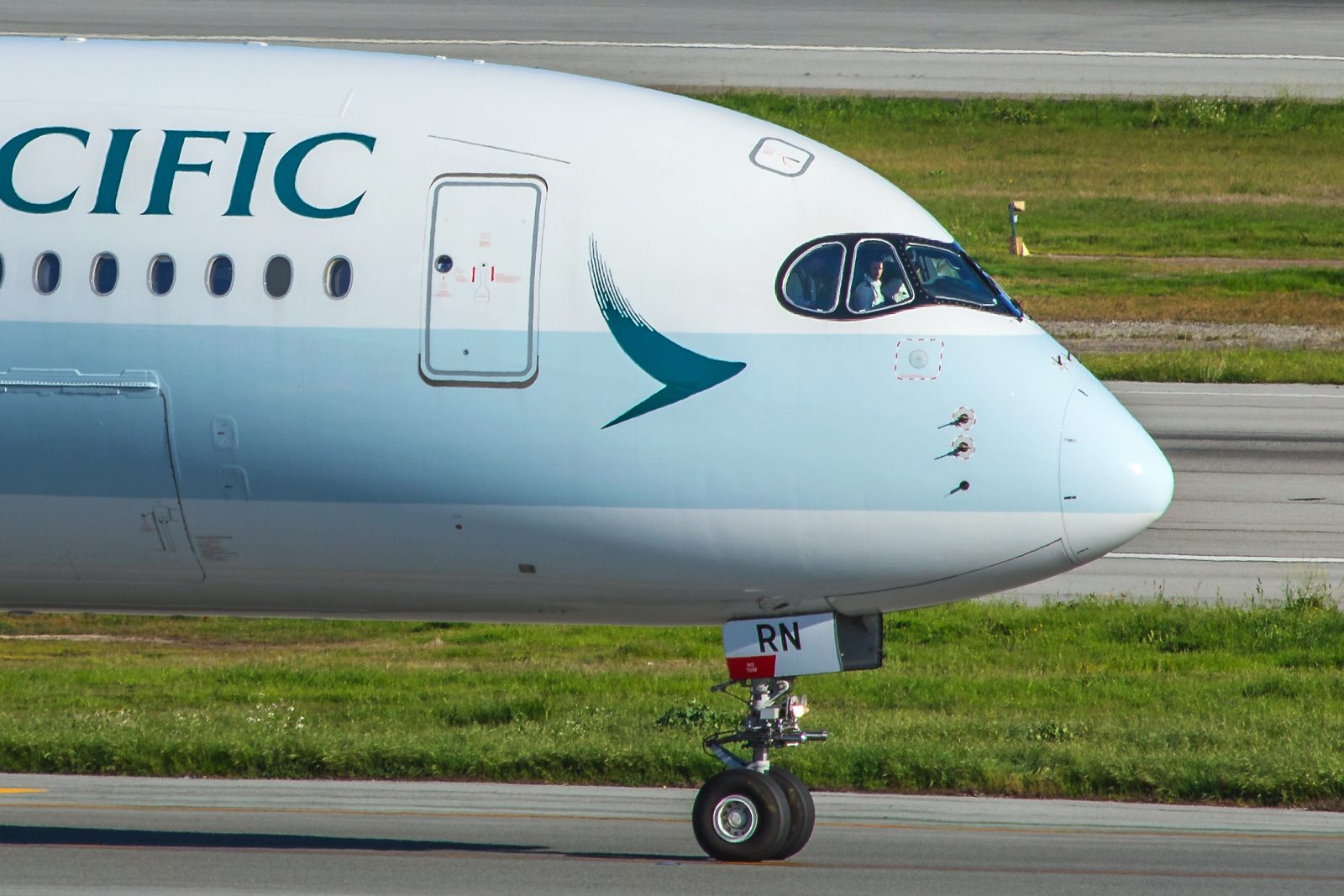
A Cathay Pacific A350 in San Francisco (Photo: AirlineGeeks | William Derrickson)
Cathay Group announced this week that it surpassed the 100,000-passenger figure on December 15, 2024, marking the busiest day for the airline since the beginning of its post-pandemic recovery. Cathay Pacific and its low-cost subsidiary, HK Express, collectively transported 100,856 passengers that day.
The airline achieved this milestone eight more times during the peak holiday period leading up to December 31.
CEO Calls Milestone Key to Recovery
Cathay Group CEO Ronald Lam described the achievement as a significant step in the company’s recovery. “The past year saw unprecedented progress and expansion for the Cathay Group, thanks to our people’s dedication and efforts. I would like to extend my heartfelt thanks to our global frontline teams, who have been working tirelessly to ensure that our customers enjoy a smooth journey,” he said.
Cathay has concentrated efforts on ramping up flight frequencies and restoring long-haul routes, part of a strategy to rebuild capacity and enhance connectivity. As a result, 2025 promises to be another year of growth, with Cathay Pacific set to launch new routes to Hyderabad, Dallas/Fort Worth, Munich, and Brussels.
Tolga is a dedicated aviation enthusiast with years of experience in the industry. From an early age, his fascination with aviation went beyond a mere passion for travel, evolving into a deliberate exploration of the complex mechanics and engineering behind aircraft. As a writer, he aims to share insights , providing readers with a view into the complex inner workings of the aviation industry.
A220 Engine Woes Prompt 19 Route Cuts
One European airline said ongoing Pratt & Whitney GTF engine troubles will substantially impact its peak summer schedule.
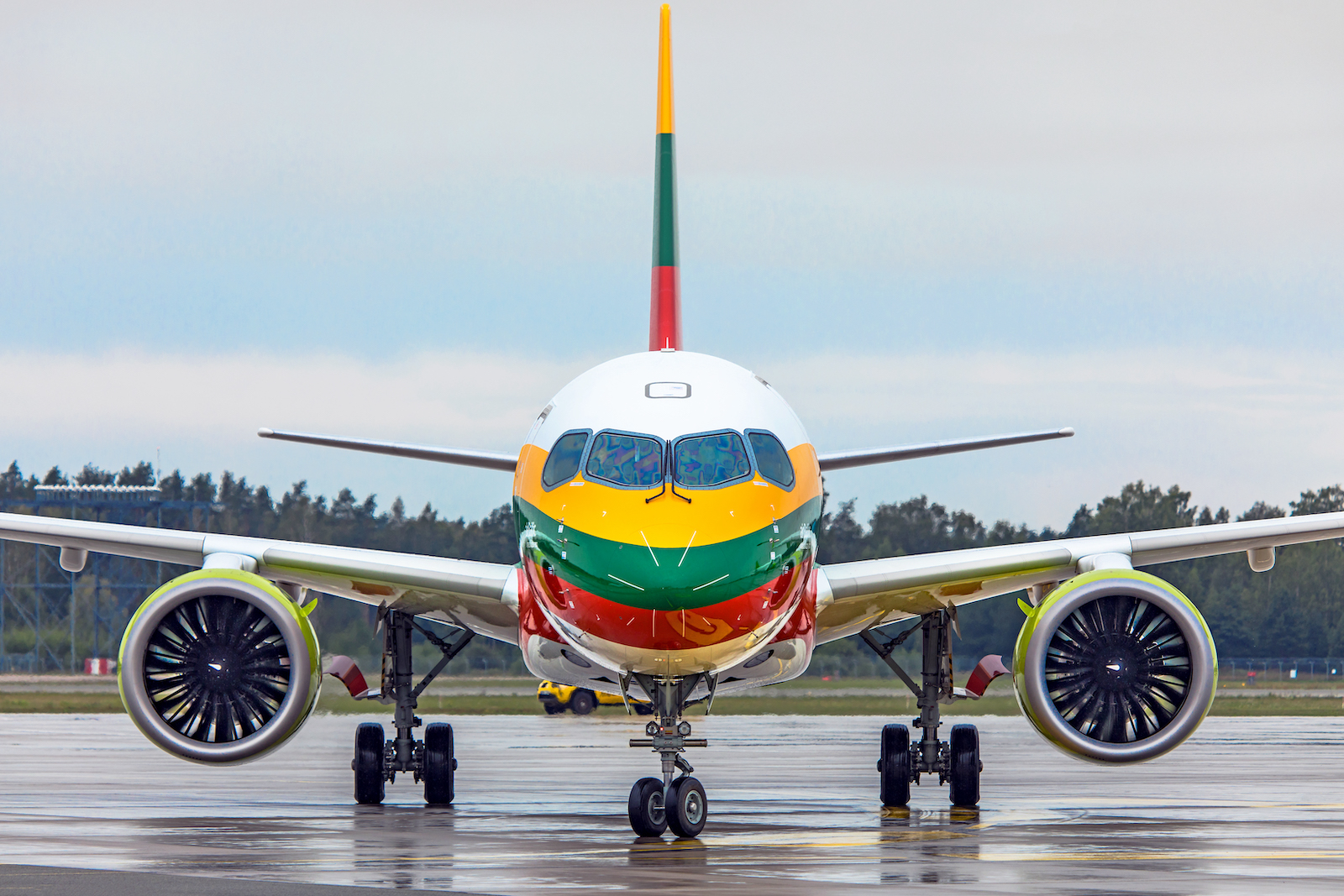
An airBaltic Airbus A220 (Photo: AirlineGeeks | William Derrickson)
The second-largest Airbus A220 operator is scaling back its summer schedule due to ongoing Pratt & Whitney engine troubles. airBaltic – which exclusively operates the type – says it will cut 19 routes during the summer.
“airBaltic has been informed by Pratt & Whitney that several of its A220-300 aircraft will remain grounded into 2025 due to an engine shortage,” the Latvian airline said Thursday.
In addition to the 19 route cancellations, the carrier will reduce frequencies in 21 markets. A total of 4,670 flights will be cancelled, affecting approximately 67,160 passengers, airBaltic said.
The carrier has nearly 50 A220-300s in its fleet, but 14 remain grounded due to the engine issues, per Planespotters.net. Pratt & Whitney’s PW1500G GTF (geared turbofan) engines power the aircraft type.
“airBaltic continues to work closely with Pratt & Whitney to resolve the maintenance delays and find a sustainable solution,” the airline added.
More Airlines Struggles
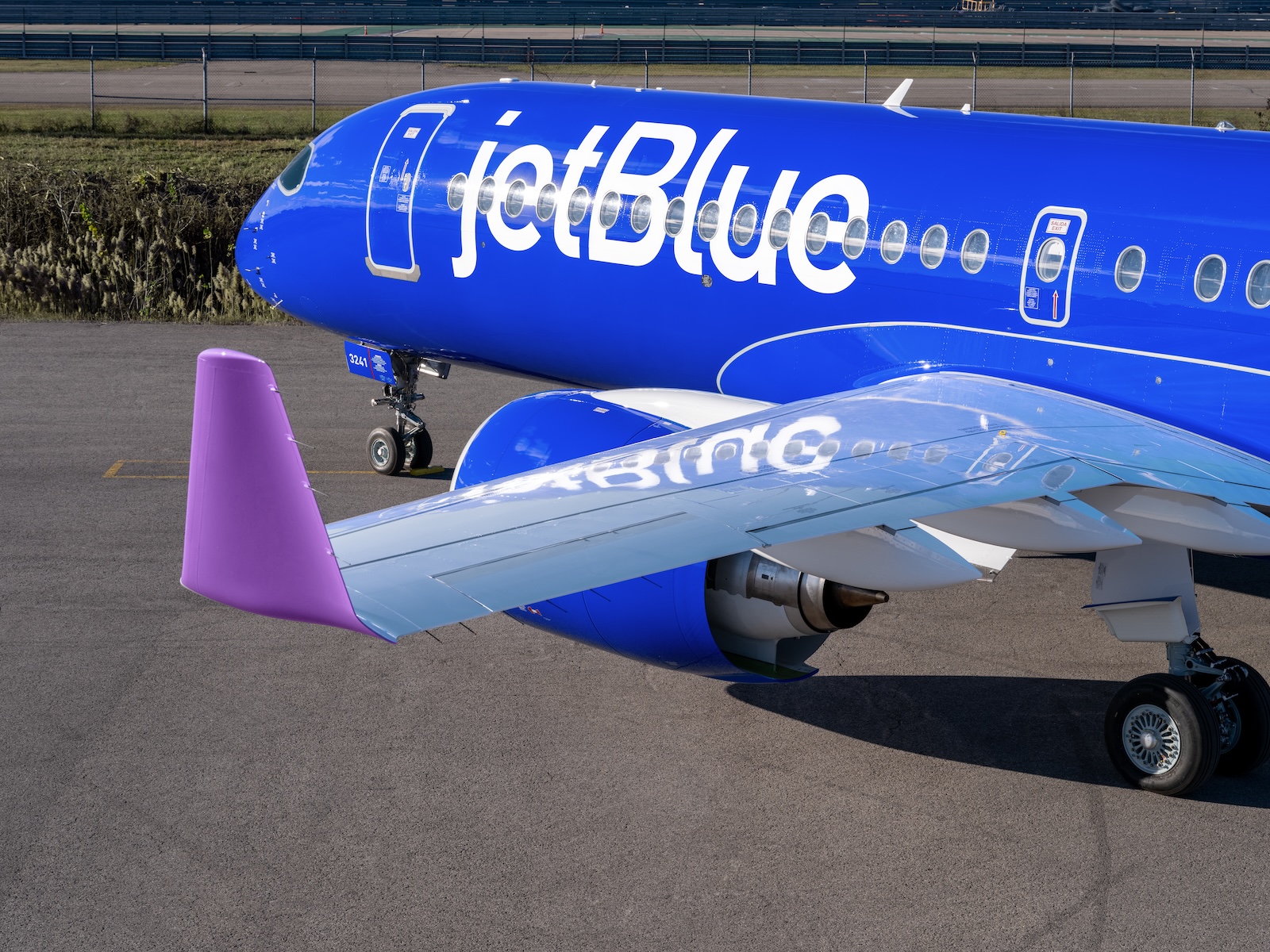
Many airlines around the world continue to grapple with engine issues, prompting aircraft groundings. JetBlue will park several of its A220 and A321neo aircraft this year.
According to Cirium Fleet Analyzer data, nearly 700 A320neo family Pratt & Whitney-powered aircraft remain in storage. 84 A220s are also stored.
Ryan founded AirlineGeeks.com in February 2013 and has spent more than a decade covering the airline business. His work has been featured by CNN, WJLA, CNET, and Business Insider. His aviation experience spans airport operations, Part 135 regulatory compliance, and airline crew workforce planning, along with time behind the yoke of a Cessna 172 and interviews with airline executives. Ryan now serves as Group President of Firecrown Media’s Aviation Group. He holds a B.S. in Air Transportation Management and an MBA from Arizona State University and teaches Airline Management at Embry-Riddle Aeronautical University.
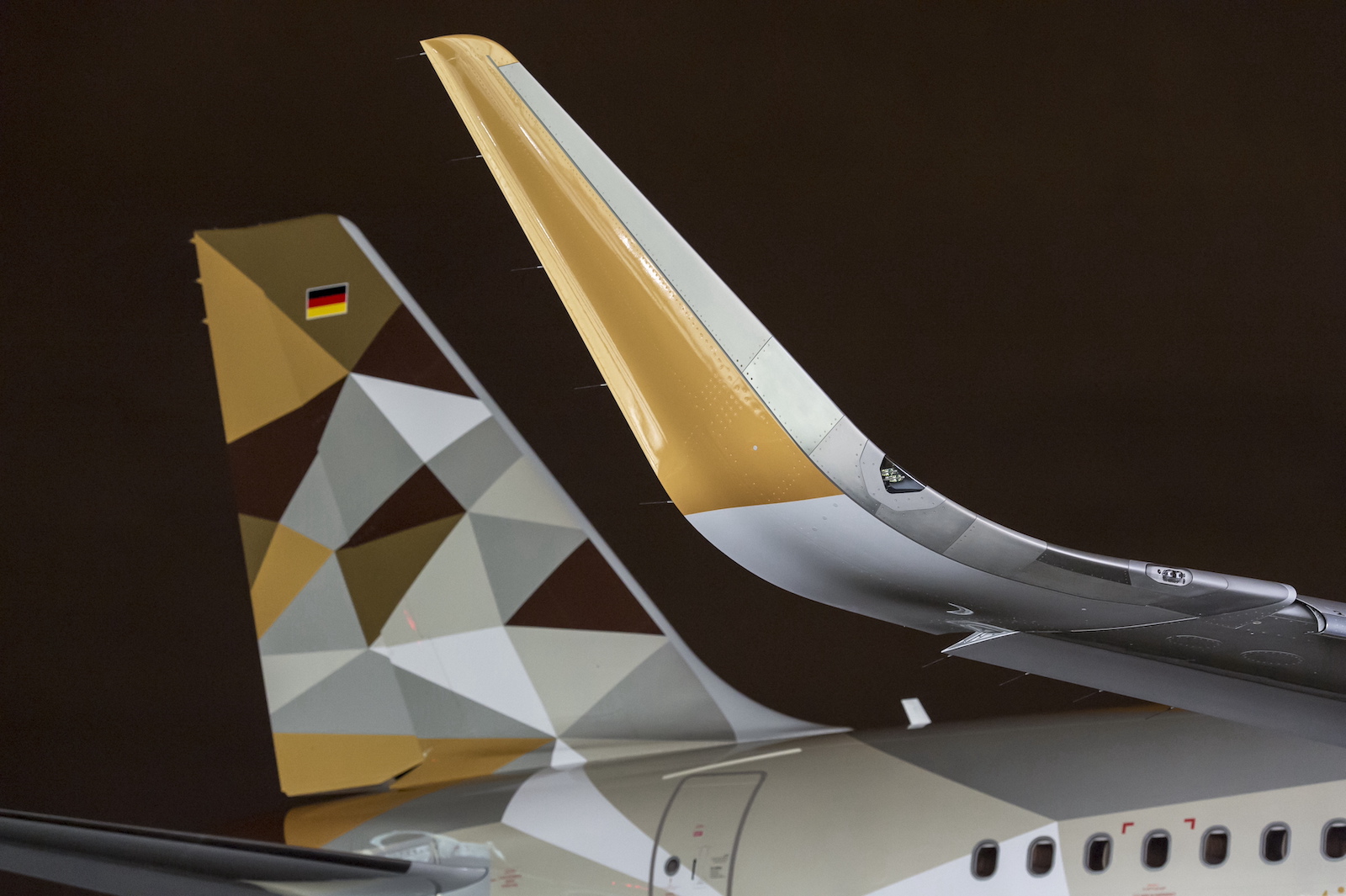
Etihad Airways recently announced plans to launch 10 additional destinations in 2025. This comes at a pivotal time when the airline is preparing to welcome its first units of Airbus A321LR aircraft into the fleet.
“Its 10” Campaign
In late November, Etihad entertained the aviation industry with the “Its 10” marketing campaign. The goal was to raise short-term speculations about the carrier’s soon-to-be-announced destinations. After a tense weekend, the 10 new destinations were unveiled.
Starting with the cherry on top, the fifth U.S. destination for Etihad, Atlanta, was announced with the Airbus A350 in the schedule. The aircraft choice is not all that surprising considering this will be the new longest route for the carrier.
The other two routes, Taipei and Hong Kong, are planned to be operated with the Boeing 787 Dreamliner. Most of the routes though, seven out of 10, were announced with the new aircraft type in the schedule. This corresponds to Krabi and Chiang Mai in Thailand, Phnom Penh in Cambodia, Hanoi in Vietnam, Medan in Indonesia, Algiers in Algeria, and Tunis in Tunisia.
Etihad’s New Aircraft Type
Earlier this year, the CEO of Etihad Airways, Antonoaldo Neves, said the carrier has 10 Airbus A321LRs on order. This will fit into the fleet puzzle of Airbus A320, Airbus A350, Boeing 787 Dreamliner, and Boeing 777 aircraft.
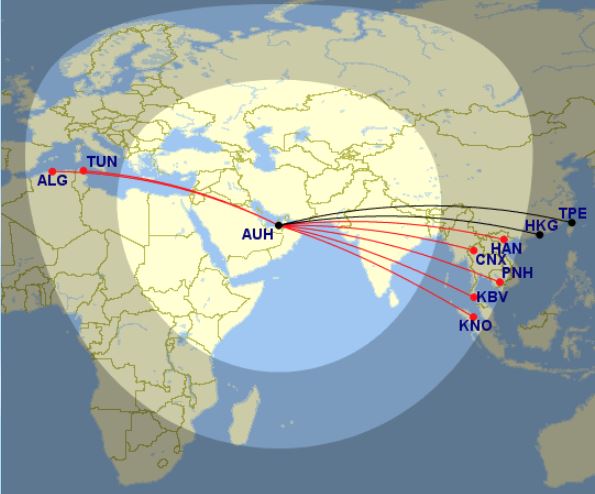
The aircraft in both the standard and the “LR” version, is currently in operation with other carriers. SAS specifically lists the range performance of both as 4,600 km and 7,000 km respectively. A good rule of thumb suggests that after accounting for all the safety reserves and regulations, the airlines are able to fly 80% of the listed range performance. This puts the sweet spot of using the A321LR between 3,680 km which the regular A320 cannot achieve and 5,600 km which is probably close to its limits.
The calculation proves quite accurate when overlaid with the announced routes. The brightest range is possible to be served with the regular A320 aircraft, while the slightly darker one represents the A321LR outreach. The difference between Hanoi and Hong Kong is symptomatic, with the first one announced to be served by the Airbus A321LR while the second is planned to be operated with the 787.
The difference in range capability between Airbus A320 and Airbus A321LR aircraft (Photo: gcmap.com)
Where to Next
Now that we know what is in the realm of possibilities, new speculations rise. The range bracket to use the Airbus A321LR presents some clear clues though.
Starting with the obvious, there is no need to send the aircraft into the neighboring regions of the Middle East, Levant or Indian Subcontinent.
The near Africa region is also currently reachable with Nairobi being one of the latest additions to Etihad’s network launched in December, served by the Airbus A320s. Aside from the just announced Algiers and Tunis, two potential candidates could be Lagos in Nigeria or Zanzibar in Tanzania. Both were previously served by Etihad.
The most potential work for the A321LR in Etihad’s network spanning around its Abu Dhabi hub lies in Europe and Southeast Asia. The latter might seem saturated already with the last announcement. Etihad might decide to expand into other niche markets like Langkawi, a secondary city in Malaysia, or Yangon which is the capital city of Myanmar.
The European expansion seems likely. Many of the key markets are within the range. The list includes France, Italy, Germany, Switzerland and Austria of the currently operated markets. There the A321LR addition could mean a second frequency like in case of Vienna or a completely new destination in the network like Berlin.
New additions could also follow in Scandinavia where the carrier is currently only present in Copenhagen, as well as to Central Europe, where the airline has recently announced a new service to Warsaw and Prague.
A passionate aviation enthusiast that started off his career as an aerospace engineer, but found his true calling on the commercial side of the airline business. Now as a finance guy among avgeeks and an avgeek among finance guys, he has experience working in the Revenue Divisions of three airlines. In his spare time he enjoys traveling, but admittedly sometimes is more about the journey than the destination.
AirlineGeeks Year in Review: 2024
As air travel continued to creep toward – or in some cases exceeded – pre-pandemic levels, the industry was faced with new challenges.
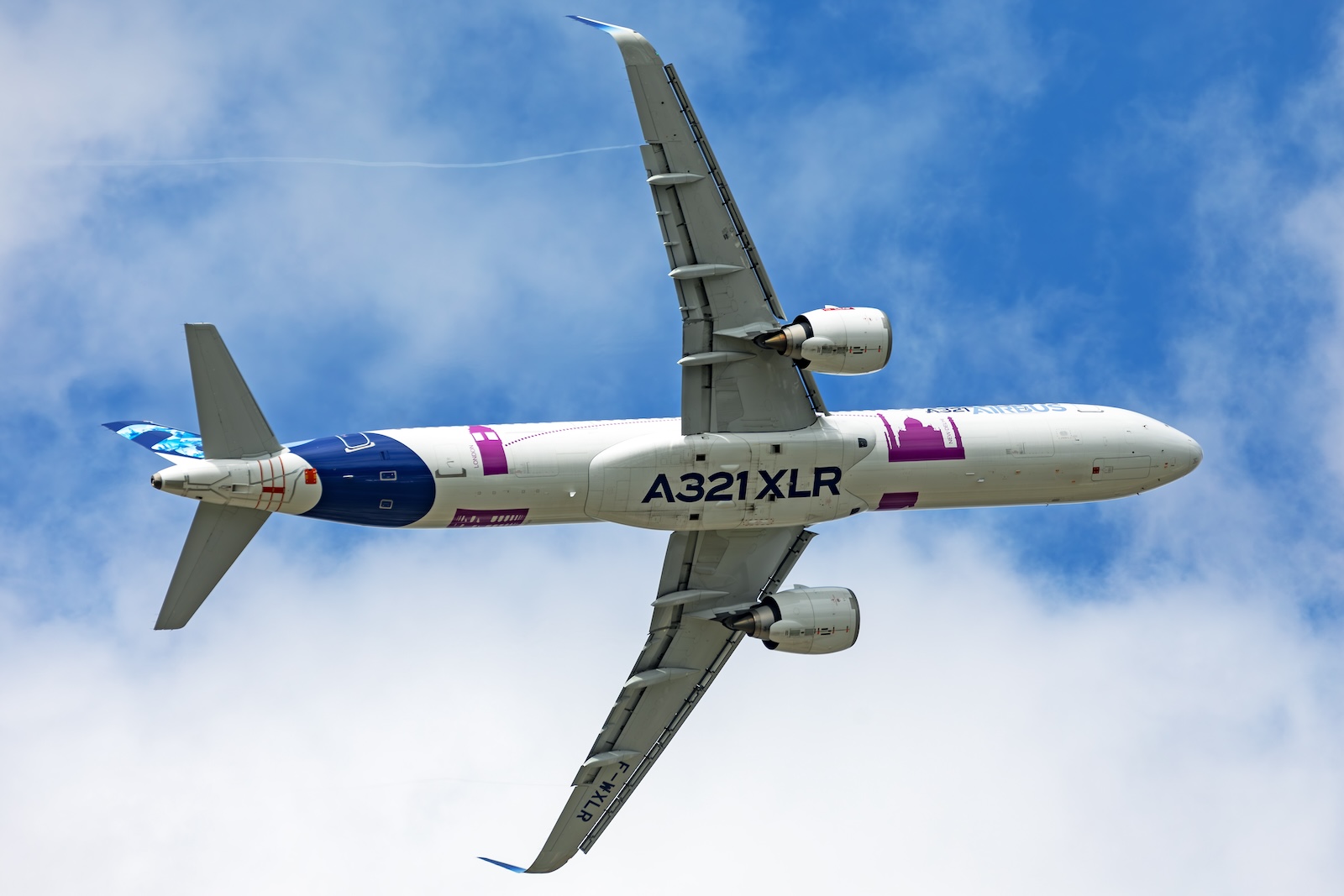
An Airbus A321XLR (Photo: AirlineGeeks | William Derrickson)
This year was a dynamic and tumultuous one for the global aviation industry. As air travel continued to creep toward – or in some cases exceeded – pre-pandemic levels, the industry was faced with new challenges.
A string of accidents and incidents sparked concerns about the safety of air travel. Labor unrest shut down production lines at one of the world’s largest manufacturers. One of the world’s oldest airlines ceased operations.
But there is also much to be optimistic about. A new long-haul narrowbody jet – the Airbus A321XLR – entered service. The United States saw its busiest ever travel day. Airlines continue to make exciting changes and additions to their route networks.
As we close out another exciting year in aviation and look toward the future, it is once again time to look back at some highlights from the year’s headlines.
January
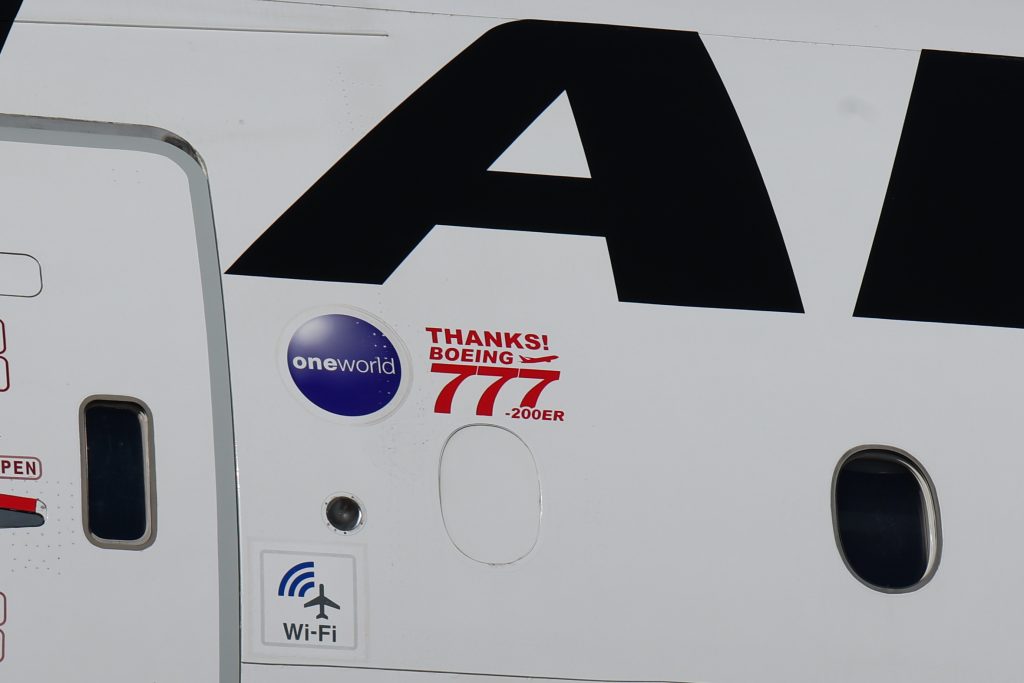
A sticker on Japan Airlines’ last Boeing 777-200ER (Photo: AirlineGeeks | Katie Zera)
Less than 48 hours into the new year, a Japan Airlines Airbus A350 caught fire after colliding with a Japanese Coast Guard Bombardier Dash 8. All 379 people on board the A350 survived, but five crew members on board the Coast Guard aircraft tragically died.
A door plug on an Alaska Airlines Boeing 737 MAX 9 blew out mid-flight, leading to an explosive decompression. The incident resulted in a grounding of the aircraft type, legal action by passengers, an investigation by the National Transportation Safety Board, and $160 million in compensation paid by Boeing to Alaska Airlines.
Air France became the third European to serve Phoenix Sky Harbor International Airport with a new route from Paris Charles de Gaulle Airport. The new route became the carrier’s 17th U.S. destination.
As one of the early adopters of Boeing’s 777, JAL used the Boeing 777-200ER for both short and long-haul operations. AirlineGeeks was on hand to witness and document the airline’s retirement of the type.
Avelo officially launched its first international service. Departing from Lansing’s Capital Region International Airport, the new venture, undertaken in partnership with Apple Vacations, offered scheduled public charter flights and vacation packages to three popular destinations in the Caribbean and Mexico.
February
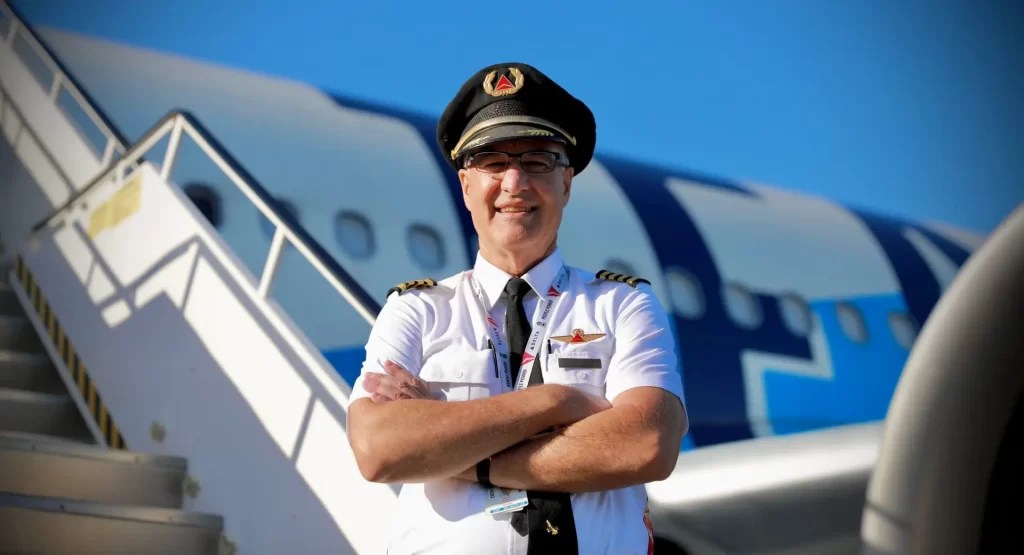
Captain Keith Rosenkranz commanded a specially chartered Airbus A330-900neo for his final flight at Delta Air Lines in February 2024. (Photo: Peter Krajewski)
American announced multiple warm weather routes for the 2024-2025 winter season, including the airline’s longest nonstop flight. This new announcement came days after the carrier publicized its intentions to offer nonstop flights to Tokyo’s Haneda Airport from New York’s John F. Kennedy Airport in the coming months.
2024 was a harsh year for Canadian ultra-low-cost carriers (ULCCs). Lynx Air ceased operations in February, while Canada Jetlines did the same later in the year in August.
After seeing massive pilot hiring figures in 2022 and 2023, pilot hiring began to slow down in the United States this year. AirlineGeeks published a white paper examining the phenomenon.
A Delta Air Lines captain took his retirement flight to a whole new level by chartering and flying an entire Airbus A330-900neo for a day-long trip to Hawaii. AirlineGeeks had an exclusive opportunity to speak with Captain Rosenkraz, during which he stated, “I would do it again a hundred times.”
March
American added 10 former Alaska A321neos to its fleet. (Photo: AirlineGeeks | William Derrickson)
JetBlue and Spirit terminated their $3.8 billion merger agreement. JetBlue had planned to purchase Spirit until the U.S. Department of Justice (DOJ) sued to block the merger; a federal judge agreed with the DOJ in January and blocked the deal on antitrust grounds.
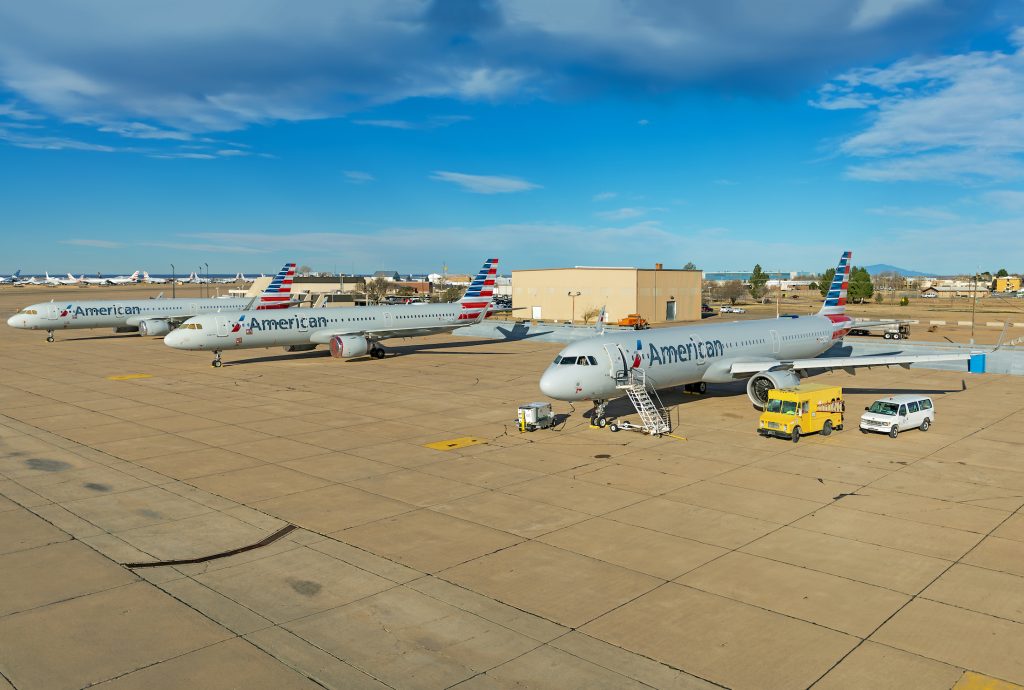
After Alaska Airlines retired its last Airbus aircraft in September of 2023, American announced its plan to acquire the 10 A321neos from the Seattle-based airline. AirlineGeeks got a look at some of these airframes at Roswell Air Center in March.
Amid the fallout from January’s door plug blowout, multiple Boeing leaders learned in March that they were out of a job, including CEO Dave Calhoun and Commercial Airplanes CEO Stan Deal.
The airline ended scheduled service on its single route between Ontario and Nashville. Other routes such as Ontario to Las Vegas were suspended earlier in the year. The airline had also proposed service to two Essential Air Service (EAS) communities in the Midwest.
April
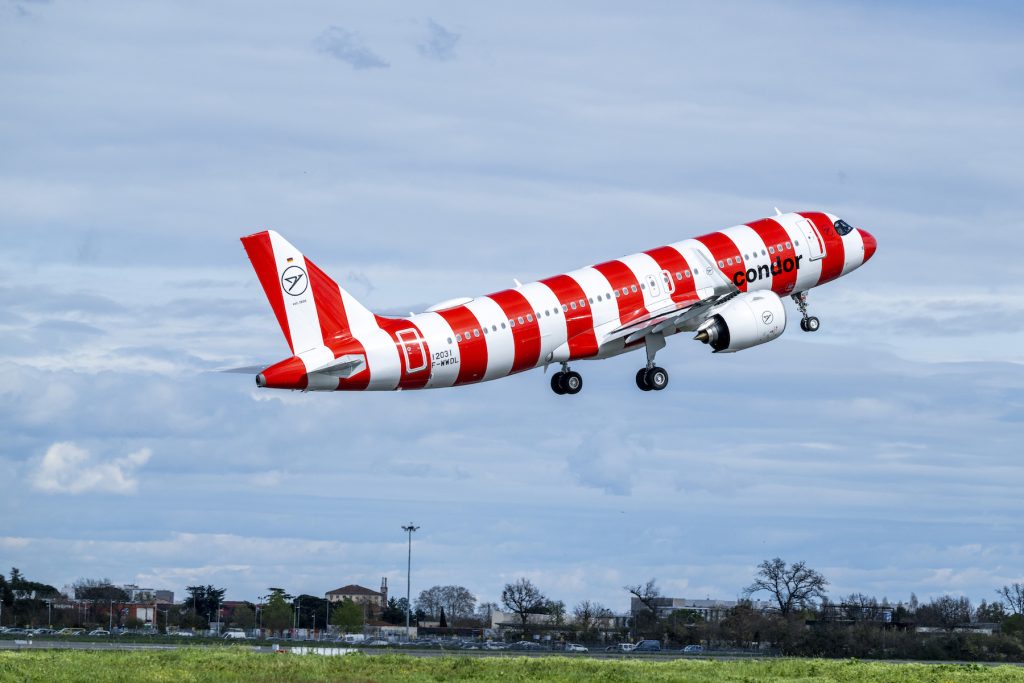
Condor takes delivery of first Airbus A320neo aircraft (Photo: Airbus)
Breeze Airways, the self-styled “Nice Low-Cost Carrier” (NLCC), announced a major milestone in April: its first operating profit. The airline attributed its success to high demand for its “premium leisure” offerings and a maturing network in key markets.
German leisure carrier Condor took delivery of its first Airbus A320neo aircraft, marking another step in the airline’s fleet modernization program. Meanwhile, the airline has also finalized the retirement plans for its Boeing 757 fleet.
On April 7, 2024, Air China announced that it was pursuing an order of 100 COMAC C919s with the Chinese manufacturer. Two days later China Southern Airlines revealed that it was placing another 100 C919 orders with COMAC.
AirlineGeeks took a look behind the scenes at United Airlines’ new Early Baggage System at Houston George Bush Intercontinental Airport. The new facility is designed to improve baggage delivery reliability and has a processing capacity of 80,000 bags per day.
May
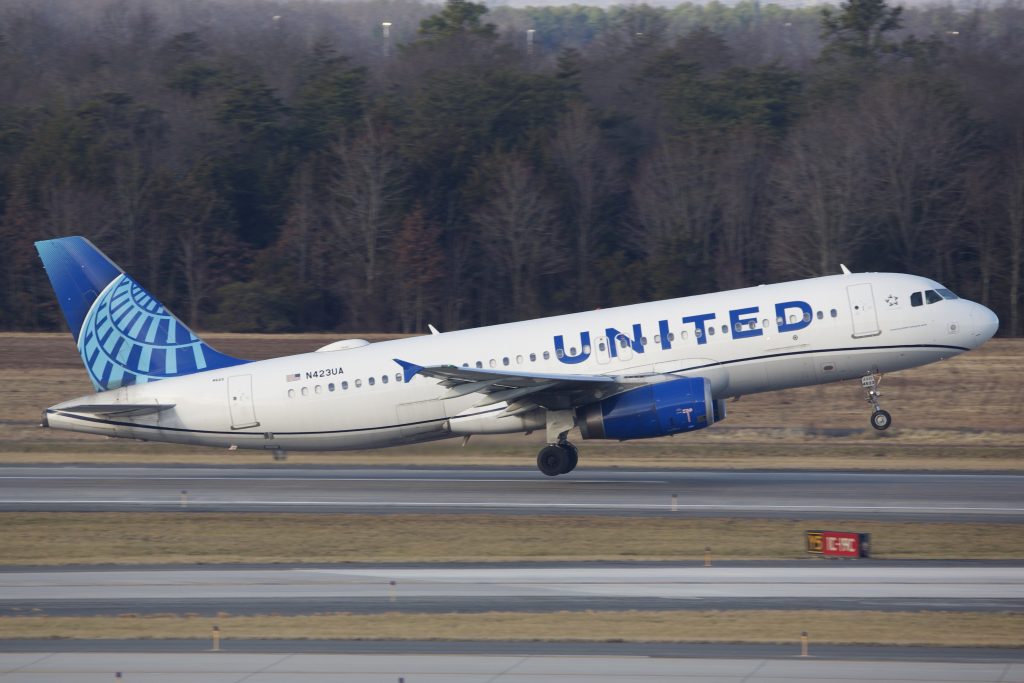
A United Airlines Airbus A320-200 (Photo: AirlineGeeks | Noah Escobar)
Emirates gave its employees a bonus worth 20 weeks of pay after record-setting profits. During the same week, Singapore Airlines also announced that it will reward eligible staff with a bonus equivalent to nearly eight months of salary, following the airline’s record-breaking profits for the fiscal year 2024.
The Chicago-based carrier was cleared to ramp up the certification of aircraft and add new routes after a nearly two-month-long FAA-mandated pause due to safety concerns. All of this followed a string of headline-making incidents involving United aircraft.
The long-awaited U.S.-Nigeria Air Transport Agreement finally came into force on May 13, 2024, marking a milestone in the bilateral relationship between the two nations. The agreement includes provisions for unrestricted capacity and frequency of services, open route rights, a liberal charter regime, and open code-sharing opportunities.
Chinese aircraft manufacturer COMAC has begun work on a new widebody airliner dubbed the C939. Initial reports indicated that COMAC has already developed design concepts for the jet, but it will still be years before an actual prototype is built.
June
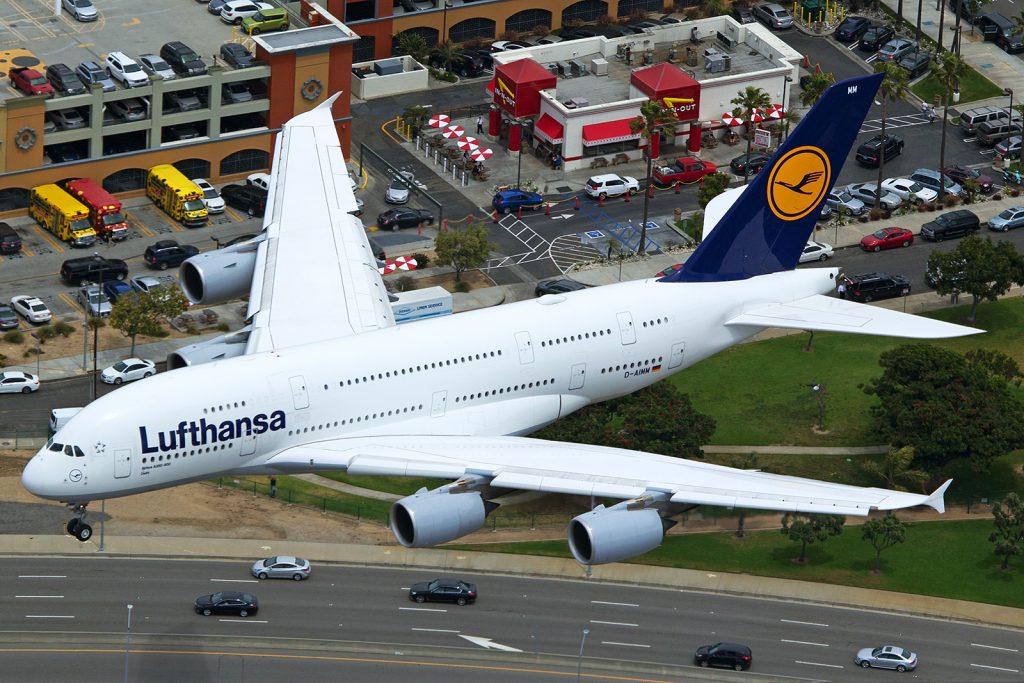
A Lufthansa A380 lands over the In-n-Out Burger near LAX (Photo: AirlineGeeks | William Derrickson)
After months of consideration, the U.S. Department of Transportation (DOT) selected JetBlue as the next Essential Air Service (EAS) carrier in the community of Presque Isle, Maine. JetBlue began service in September, and AirlineGeeks was on hand to experience the first flights.
Cathay Pacific announced the return of its final aircraft that had been parked overseas during the COVID-19 pandemic. The Airbus A330-300 had been in storage for nearly four years.
Nestled in Louisville, Ky. lies UPS Worldport, the global air hub for UPS Airlines. This massive facility, clocking in at 5.2 million square feet, is a central sorting location for millions of packages each day. AirlineGeeks received a behind-the-scenes look at the facility.
In response to rising operational costs and environmental regulatory requirements, Lufthansa announced that it will begin introducing an environmental cost surcharge. This summer, the surcharge will be levied for tickets with departures on and after January 1, 2025.
Delta had retired the widely hated 50-seat CRJ-200 from its network in December of 2023. For six months the airline didn’t operate a single CRJ-200 under its banner. Then in late June 2024, a couple of eagle-eyed planespotters noticed a single CRJ-200 with the Delta Connection livery buzzing in and out of the airline’s Detroit hub to Essential Air Service (EAS) airports in northern Michigan.
July
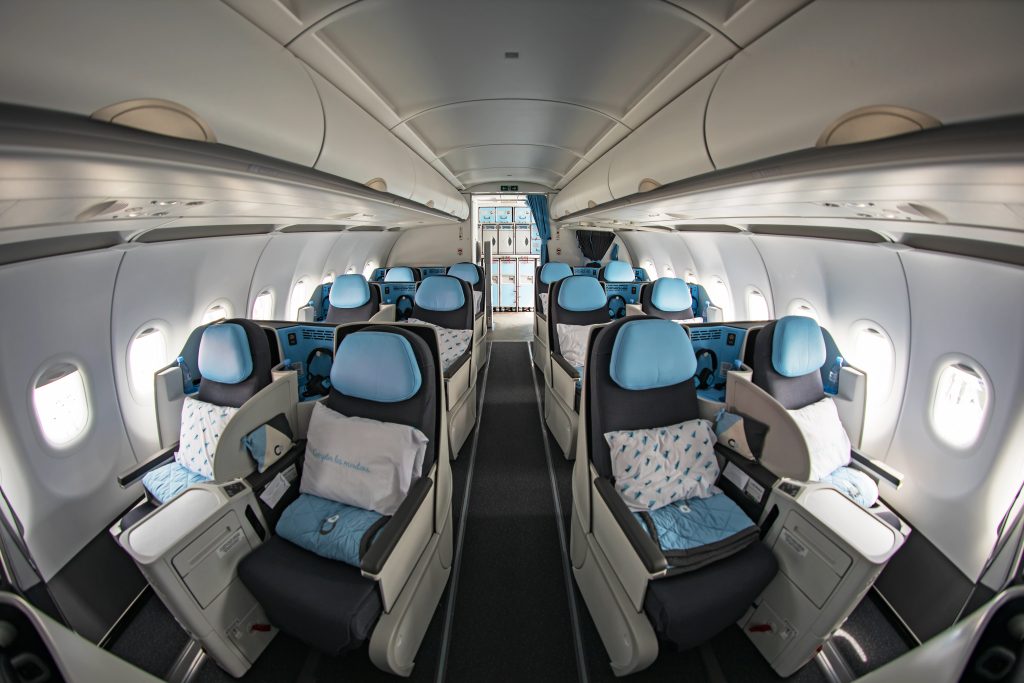
Inside a La Compagnie Airbus A321neo (Photo: AirlineGeeks | William Derrickson)
On July 19, 2024, airlines around the world experienced major IT issues, leading to widespread flight disruptions including thousands of flight cancellations. The problems stemmed from a software update issued by cybersecurity firm CrowdStrike that caused computers running Microsoft Windows to crash.
SkyWest began CRJ-550 operations under the Delta Connection brand in July. The aircraft – which feature a less dense seating configuration compared to standard CRJ-700s – now serve routes previously operated by the CRJ-200.
Southwest announced a major shakeup in its product offerings amid a drop in profits. The Dallas-based carrier revealed plans to change its seating model, revamp its boarding process, and add overnight redeye flights.
Roughly 10 years ago, an interesting airline popped into existence and many were unsure about its business practices. A decade later, the all-business-class airline La Compagnie celebrated its 10th anniversary.
The Essential Air Service (EAS) program got more interesting in 2024 with the introduction of new airlines trying to snap up these EAS contracts like Breeze and JetBlue. In line with this trend, Pueblo Memorial Airport received a record number of EAS proposals.
August
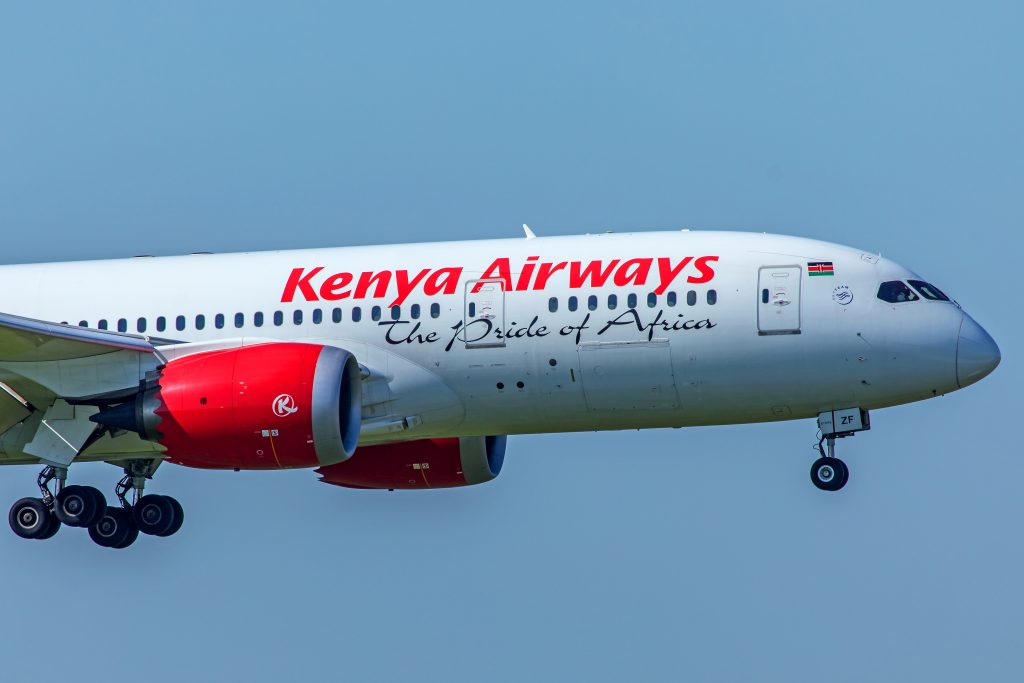
A Kenya Airways 787 Dreamliner in London (Photo: AirlineGeeks | William Derrickson)
International Airlines Group (IAG) withdrew from an agreement to purchase the remaining 80% share of Spanish carrier Air Europa, with Chief Executive Luis Gallego stating, “It doesn’t make sense for our shareholders and that’s the reason we are abandoning the operation.”
United’s 32-year-old inflight magazine, Hemispheres, is set to suffer the same fate as print publications at both Delta and American, which were phased out during the COVID-19 pandemic.
The FAA announced award selections on August 16, 2024, allocating $291 million of the Fueling Aviation’s Sustainable Transition (FAST) discretionary grant program allotment across 36 projects. FAST invests in accelerating the production and use of sustainable aviation fuels (SAF) and developing low-emission aviation technologies.
Alaska Airlines and Hawaiian Airlines formally got the green light to merge this year. The purchase, which was finalized in September, has already led to changes in the airlines’ networks.
Kenya Airways announced its financial results for the first half of the year, revealing a profit after tax for the first time since 2013. During the financial year ending June 30, 2024, Kenya Airways carried 2.54 million passengers, representing a 10% increase compared to the previous year.
September
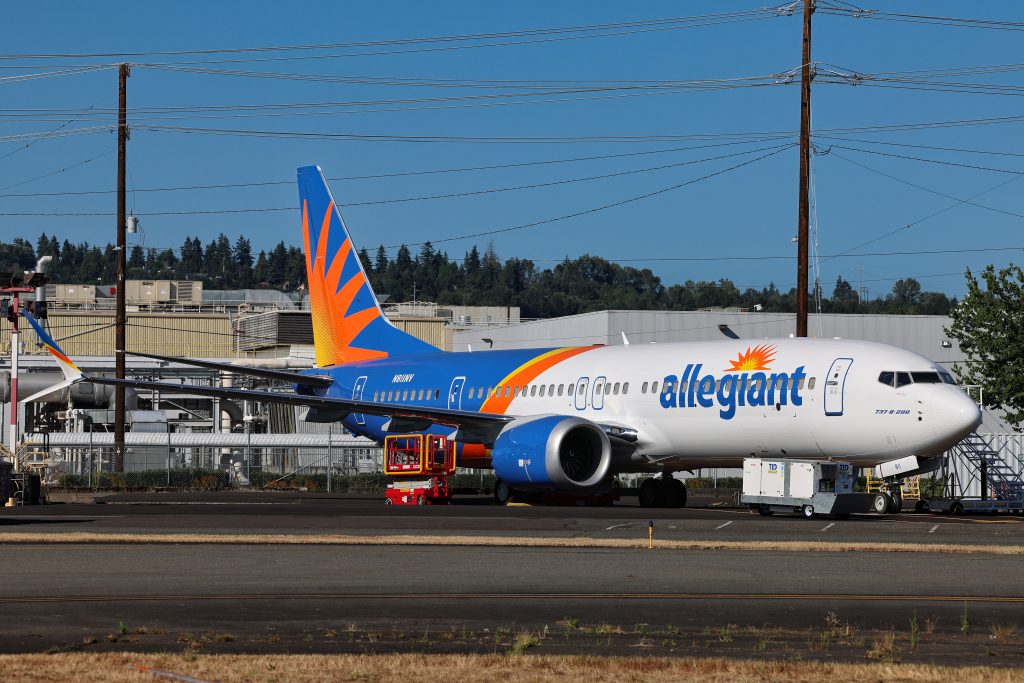
An Allegiant 737 MAX at Boeing Field (Photo: AirlineGeeks | Katie Zera)
Five months after the initial announcement, the carrier completed the deal to join the SkyTeam alliance in what CEO Anko Van der Werff called “a new era for SAS.” The move came after Air France-KLM, a key player in SkyTeam, acquired a 19.9% stake in the company following financial troubles.
After numerous delivery delays, Allegiant Air took delivery of its first Boeing 737 MAX on September 9, 2024. The new jet was the airline’s first Boeing aircraft since it pivoted to an all-Airbus fleet in 2018. Allegiant’s 737 MAX subsequently entered revenue service the following month.
More than 30,000 aerospace workers at Boeing walked off the job on September 13, 2024 after a large majority of them rejected a tentative contract. The job action had wide-ranging consequences: a hiring freeze followed by layoffs and furloughs, delivery delays, and production line stoppages. The strike ended 53 days later after the machinists union voted yes to a new contract.
ITA Airways announced the reappearance of the old Alitalia brand, a symbol that used to have value in the early days of the jet era and during the first years of air transportation for the masses.
October
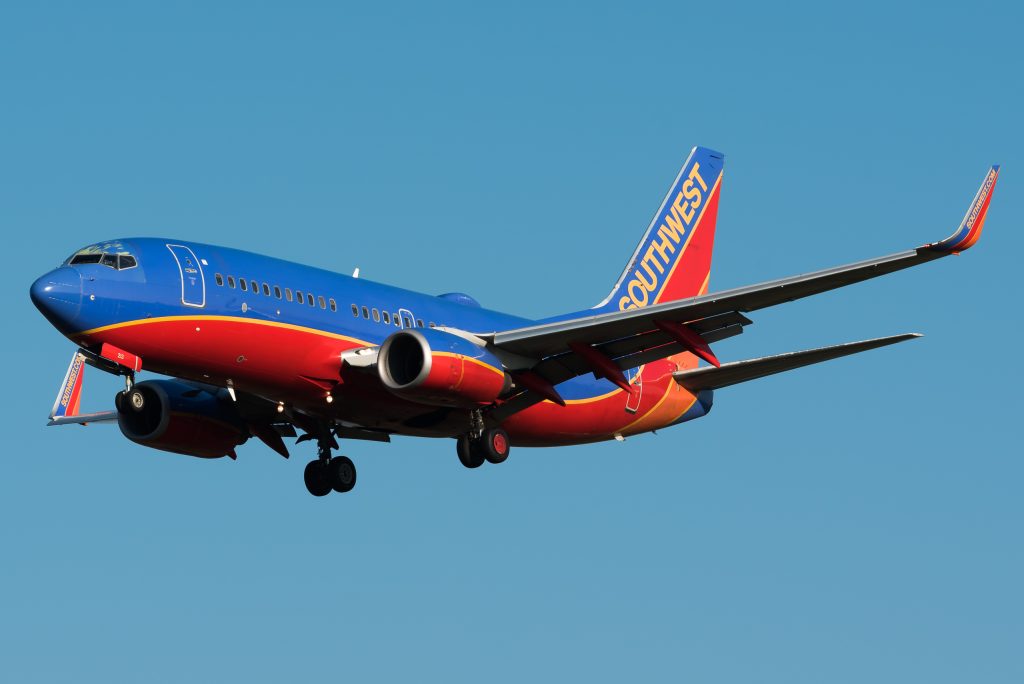
A Southwest Airlines Boeing 737-700 in “Canyon Blue” colors landing at Baltimore/Washington International Thurgood Marshall Airport (Photo: AirlineGeeks | Ben Suskind)
United revealed that it was adding several unique international routes in Summer 2025. These included Tokyo Narita–Kaohsiung in Taiwan, Washington Dulles–Dakar in Senegal, and Newark–Nuuk in Greenland.
The last aircraft to wear Southwest’s legacy “Canyon Blue” livery – registered as N786SW – was retired during the second week of October, marking the paint scheme’s demise. The Canyon Blue colors were unveiled in 2001.
First debuted in 2002, the A318 is the smallest A320-series variant and, before the A220’s introduction, was the smallest Airbus aircraft. Over the years, the so-called ‘baby bus’ has become increasingly rare. Romania’s TAROM retired its single remaining A318 in October.
European carrier Czech Airlines (CSA) officially ended operations on Saturday. The carrier, which inaugurated service in 1923 and joined the SkyTeam alliance in 2001, was absorbed by Smartwings.
The first Airbus A321XLR was delivered to Iberia on October 30, 2024. After over a year of delays, the long-range narrowbody jet entered service in November.
November
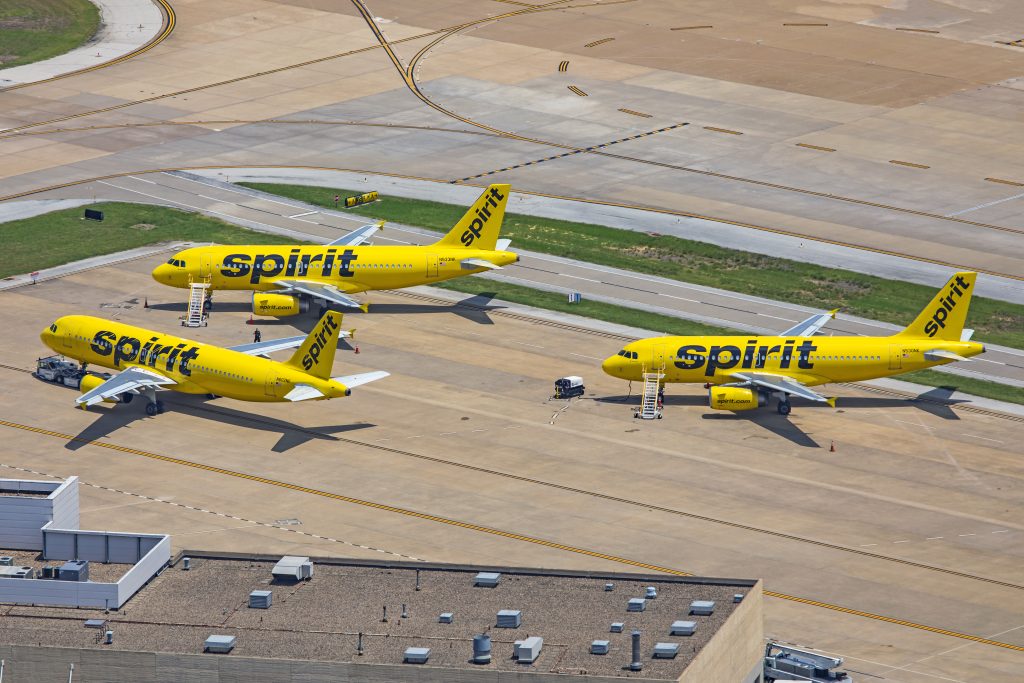
Spirit Airlines Airbus jets (Photo: AirlineGeeks | William Derrickson)
The Boeing 767-300ER will rejoin Air Canada’s passenger fleet after being retired during the COVID-19 pandemic. During an investor presentation, the airline revealed that it is planning on bringing back two airframes in 2025.
Spirit filed for Chapter 11 bankruptcy after years of quarterly losses and mounting debt. In a letter to customers, the carrier said it plans to continue operating normally. “The most important thing to know is that you can continue to book and fly now and in the future,” it said.
Emirates announced a new milestone on Monday with the delivery of its first Airbus A350 aircraft. This delivery was the first of 65 A350 aircraft slated to join Emirates over the next several years and represents the first new aircraft type to enter the airline’s fleet since 2008.
One crew member died and three others were hospitalized after a DHL 737-400 freighter crashed on approach to the Vilnius International Airport in Lithuania. The cargo flight was operated by Madrid-based carrier Swiftair on behalf of DHL. It had taken off from Leipzig, Germany, and was scheduled to land in Vilnius.
Ronald Reagan Washington National Airport completed its roughly $110 million runway rehabilitation project in November, concluding 19 months of overnight work to resurface asphalt and base materials along the airport’s primary runways.
December
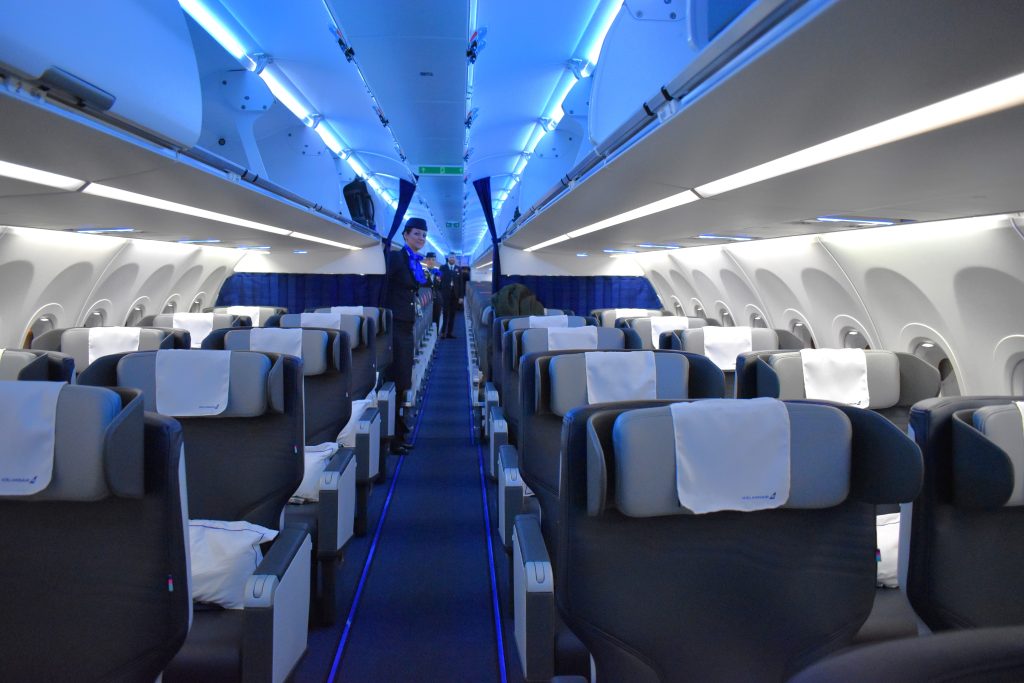
Inside Icelandair’s first Airbus A321LR (Photo: AirlineGeeks | Joey Gerardi)
Sunday, December 1, 2024 saw over 3.08 million passengers navigate bustling U.S. airports and TSA checkpoints in a record-breaking day for airline traffic, according to the Transportation Security Administration (TSA).
Icelandair received its first Airbus A321LR aircraft as part of the airline’s fleet modernization plans. The long-time Boeing operator has four leased A321LRs on order along with 13 longer-range A321XLRs. AirlineGeeks was on board the carrier’s inaugural Airbus flight.
Aspen/Pitkin County Airport started receiving regularly scheduled Embraer E175 service. For several years, the single-runway Colorado airport has been confined to CRJ-700 commercial aircraft due to space constraints.
After four years of proposing the acquisition, American authorities gave a green light to the merger between Korean Air and Asiana Airlines. This decision cleared the way for the deal.
The Department of Transportation issued its final order regarding nonperimeter flights from Washington Reagan National Airport on Tuesday. As part of the FAA Reauthorization Act of 2024, the airport received five more round-trip slot pairs extending beyond its 1,250-mile perimeter rule. In October, the agency tentatively awarded the slot pairs to American, Alaska, Delta, United, and Southwest, allowing 14 days for other carriers to file objections.
The year ended in a pair of tragedies, the first being the crash of an Azerbaijan Airlines Embraer E190 that killed at least 38 of the 67 people on board. Unnamed sources with knowledge of the preliminary investigation for the crash told Reuters that Russian air defenses shot down the plane. The airline has since suspended service to several Russian cities.
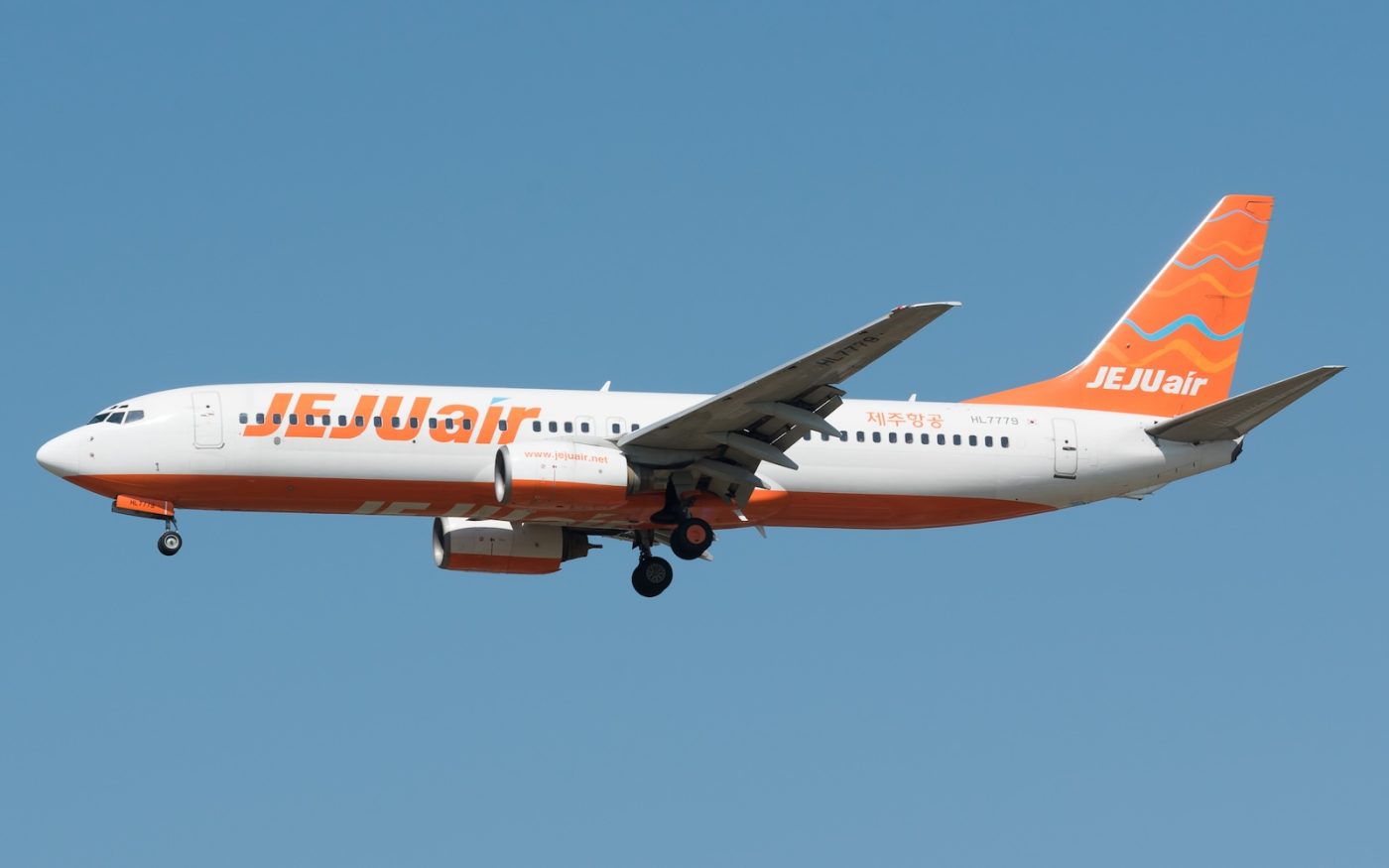
A Jeju Air Boeing 737-800 veered off a runway and burst into flames near Muan, South Korea, on the morning of December 29, 2024. Only two out of the 181 people on board survived the crash, which followed an attempted belly landing.
Andrew is a lifelong lover of aviation and travel. He has flown all over the world and is fascinated by the workings of the air travel industry. As a private pilot and glider pilot who has worked with airlines, airports and other industry stakeholders, he is always excited to share his passion for aviation with others. In addition to being a writer, he also hosts Flying Smarter, an educational travel podcast that explores the complex world of air travel to help listeners become better-informed and savvier travelers.
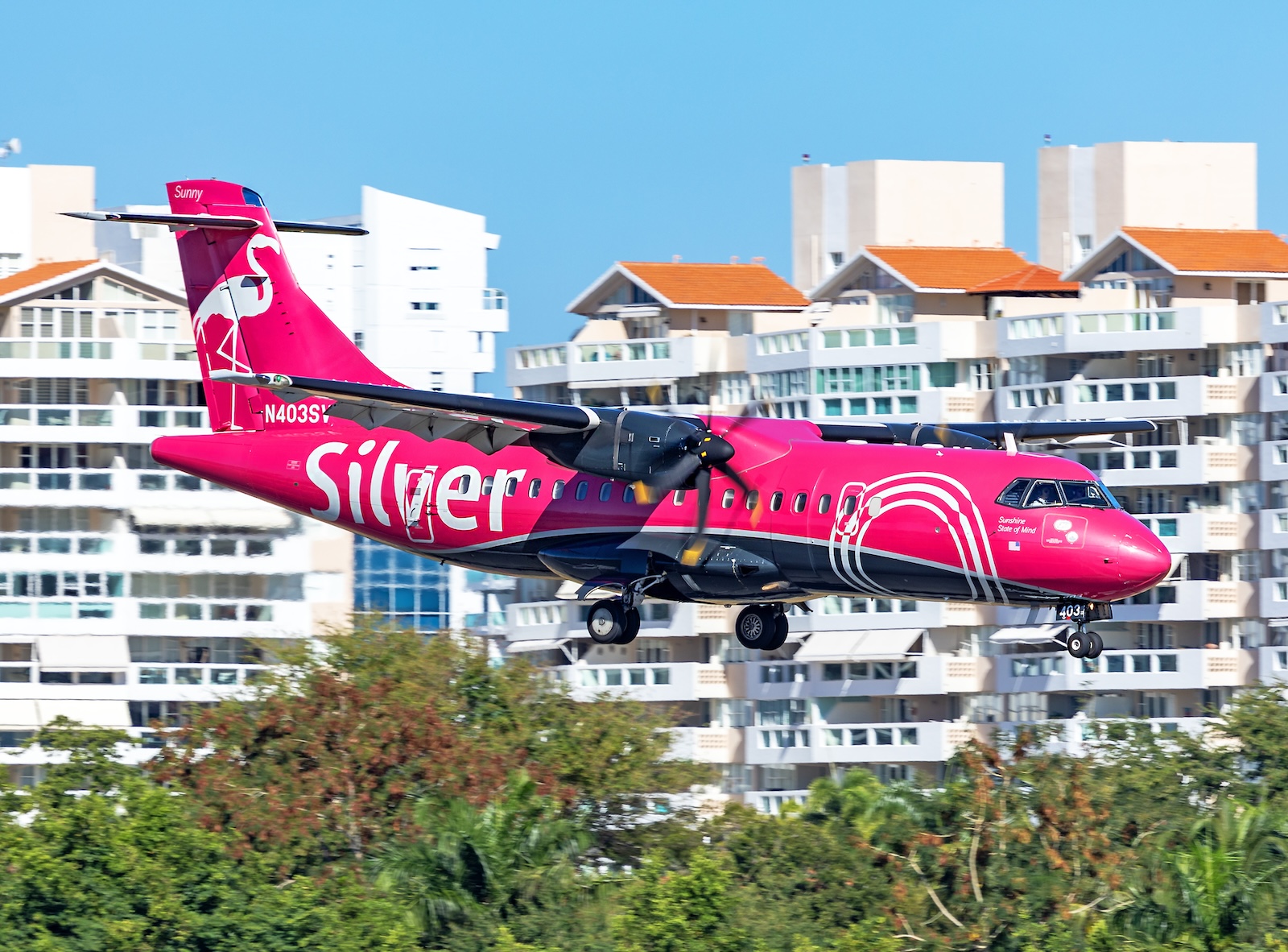
A Silver Airways ATR 42 aircraft. (Photo: AirlineGeeks | William Derrickson)
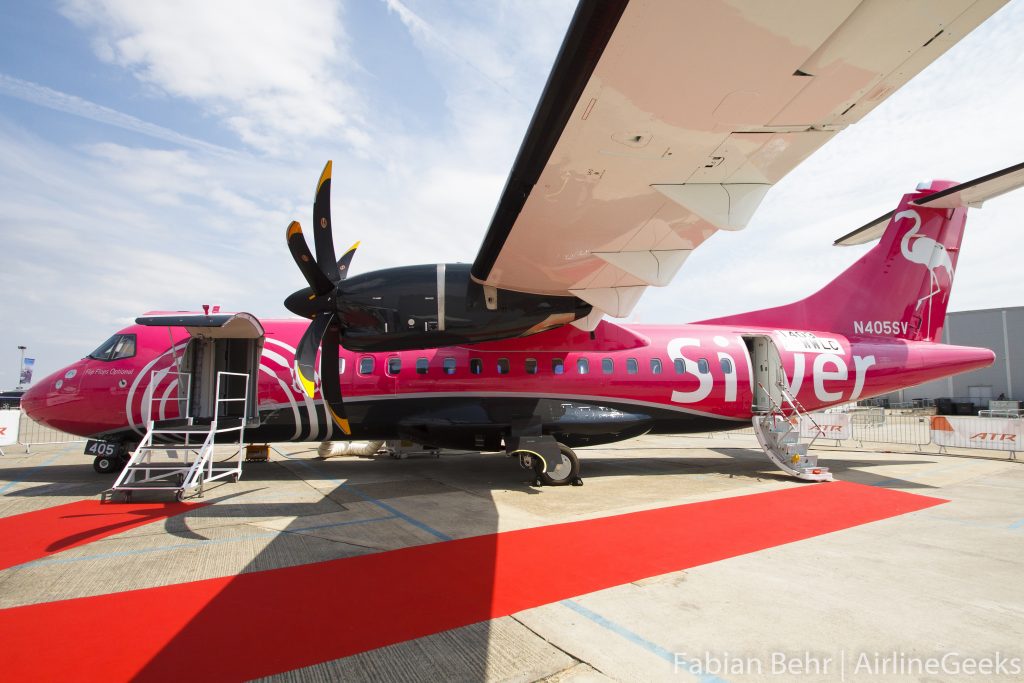
Silver Airways said it is filing for bankruptcy protection. The Fort Lauderdale, Florida-based carrier announced the Chapter 11 filing on Monday.
The airline – which began flying in 2011 – operates a fleet of all-turboprop aircraft from its bases in Fort Lauderdale, Orlando, San Juan, and Tampa.
“This decision will allow us to secure additional capital and undertake a financial restructuring that will strengthen our position as a competitive airline, ultimately benefiting you—our valued customers,” the company said in a letter to customers.
A Silver Airways ATR 42 600 on display at the Farnborough Airshow. (Photo: AirlineGeeks | Fabian Behr)
In the letter, Silver Airways added that it hopes to complete the Chapter 11 process in the first quarter of 2025. The carrier expects operations to continue as normal.
Silver Airways has codeshare and interline agreements with several airlines, including United and JetBlue. The airline carried more than 2.1 million passengers in 2019.
Ryan founded AirlineGeeks.com in February 2013 and has spent more than a decade covering the airline business. His work has been featured by CNN, WJLA, CNET, and Business Insider. His aviation experience spans airport operations, Part 135 regulatory compliance, and airline crew workforce planning, along with time behind the yoke of a Cessna 172 and interviews with airline executives. Ryan now serves as Group President of Firecrown Media’s Aviation Group. He holds a B.S. in Air Transportation Management and an MBA from Arizona State University and teaches Airline Management at Embry-Riddle Aeronautical University.
A Swiss A220 aircraft (Photo: AirlineGeeks | William Derrickson)
A week after an emergency landing of a SWISS flight sent a flight attendant to the hospital, SWISS confirmed that the worker died on Monday.
Flight LX1885 was forced to make an emergency landing on Dec. 23 after the cabin and cockpit filled with smoke en route from Bucharest, Romania to Zurich.
74 passengers and five crew members were aboard the aircraft, according to a report by Paddle Your Own Kanoo. One flight attendant aboard the aircraft was transported and hospitalized in Graz, Austria, after the landing. They remained in intensive care for several days before succumbing to their injuries Monday.
Ten other passengers also required medical care, but were discharged from the hospital. The carrier said in a statement posted on Facebook that today is a “dark day for SWISS”
“It is with heavy hearts that we must share the loss of a dear colleague following the emergency landing of LX1885 on 23 December 2024,” SWISS said. “Our thoughts and deepest condolences are with the family and the loved ones of our dear colleague, whose pain must be immeasurable.”
Jens Fehlinger, CEO of SWISS, said the news has left the airline heartbroken.
“On behalf of the entire SWISS team, I want to express our deepest condolences to the grieving family,” Fehlinger said. “We are doing everything in our power to support them during these incredibly difficult times.”
Although the flight attendant was not named, the airline referred to them as “their young colleague” in the full statement posted on its website. SWISS said with respect to their family’s privacy, the flight attendant’s cause of death will not be disclosed.
Editor’s Note: This story was updated on Friday, Jan. 3, 2025 at 9:12 a.m. ET to correct the location of Graz.
AirlineGeeks.com was founded in February 2013 as a one-person blog in Washington D.C. Since then, we’ve grown to have 25+ active team members scattered across the globe. We are all here for the same reason: we love deep-diving into the fascinating realm of the airline industry.
A Jeju Air Boeing 737 aircraft. (Photo: AirlineGeeks | Ben Suskind)
South Korea’s government has ordered the inspection of all Boeing 737-800 aircraft in the country following Sunday’s deadly Jeju Air crash.
Jeju Air Flight 2216 veered off a runway and caught fire near Muan, South Korea, on Sunday morning killing 179 of the 181 people aboard. The exact cause of the incident is still being investigated.
Shortly after the crash, Boeing posted a statement on X saying it was in contact with Jeju Air and stood ready to support them.
According to reporting by South Korea’s Yonhap News Agency, an unnamed transport ministry official said the government plans to have airlines conduct a full safety review on the Boeing model to ensure regulations are followed.
These inspections would check carriers’ aircraft utilization rates, flight inspections, and maintenance records. The ministry official also told Yonhap that the U.S. National Transportation Safety Board will participate in the crash investigation.
The ministry has told airlines operating the Boeing 737-800 model that it will dispatch air safety inspectors to probe pilot training, engines, and landing gears of the aircraft.
Concrete Structure on Runway Raises Concern
According to another Yonhap report, some observers are speculating if a four-meter-high concrete and dirt mound at the Muan International Airport may have caused more fatalities in the crash. The report stated that the aircraft skidded about 1,600 meters on the runway before colliding with the structure, which holds a “localizer” navigation system to assist in aircraft landings.
The localizer is installed about 251 meters from the end of the runway, and some other airports both in the country and abroad use them with similar concrete structures, the ministry has said in briefings covered by Yonhap.
AirlineGeeks.com was founded in February 2013 as a one-person blog in Washington D.C. Since then, we’ve grown to have 25+ active team members scattered across the globe. We are all here for the same reason: we love deep-diving into the fascinating realm of the airline industry.
JetBlue plans to grow its Airbus A220 network in 2025. The carrier has just over 40 A220s in its fleet, which will replace the Embraer E190s.
The airline will add more A220 flights from Fort Lauderdale, Florida. According to Ishrion Aviation, these include routes to Bradley/Hartford; Charleston, South Carolina; Cancun, Mexico; Washington Reagan National; Nassau; Worcester, Massachusetts; and Raleigh, North Carolina.
Cirium Diio schedule data also shows the aircraft operating regular flights from the South Florida airport to Montego Bay, Jamaica, and Punta Cana and Santa Domingo, Dominican Republic.
These routes are slated to move to the aircraft type starting on April 30. From Fort Lauderdale, the airline currently uses its A220s on a handful of flights to Boston, New York-JFK, and Buffalo, New York.
The airline plans to phase out its E190 fleet in late 2025. JetBlue has 17 E190 aircraft remaining.
Ryan founded AirlineGeeks.com in February 2013 and has spent more than a decade covering the airline business. His work has been featured by CNN, WJLA, CNET, and Business Insider. His aviation experience spans airport operations, Part 135 regulatory compliance, and airline crew workforce planning, along with time behind the yoke of a Cessna 172 and interviews with airline executives. Ryan now serves as Group President of Firecrown Media’s Aviation Group. He holds a B.S. in Air Transportation Management and an MBA from Arizona State University and teaches Airline Management at Embry-Riddle Aeronautical University.