











Knowing your audience is perhaps one of the most critical components of running any successful niche media outlet. And after more than a decade of being at the helm of AirlineGeeks, I’d like to say I know a thing or two about what our readers want to see.
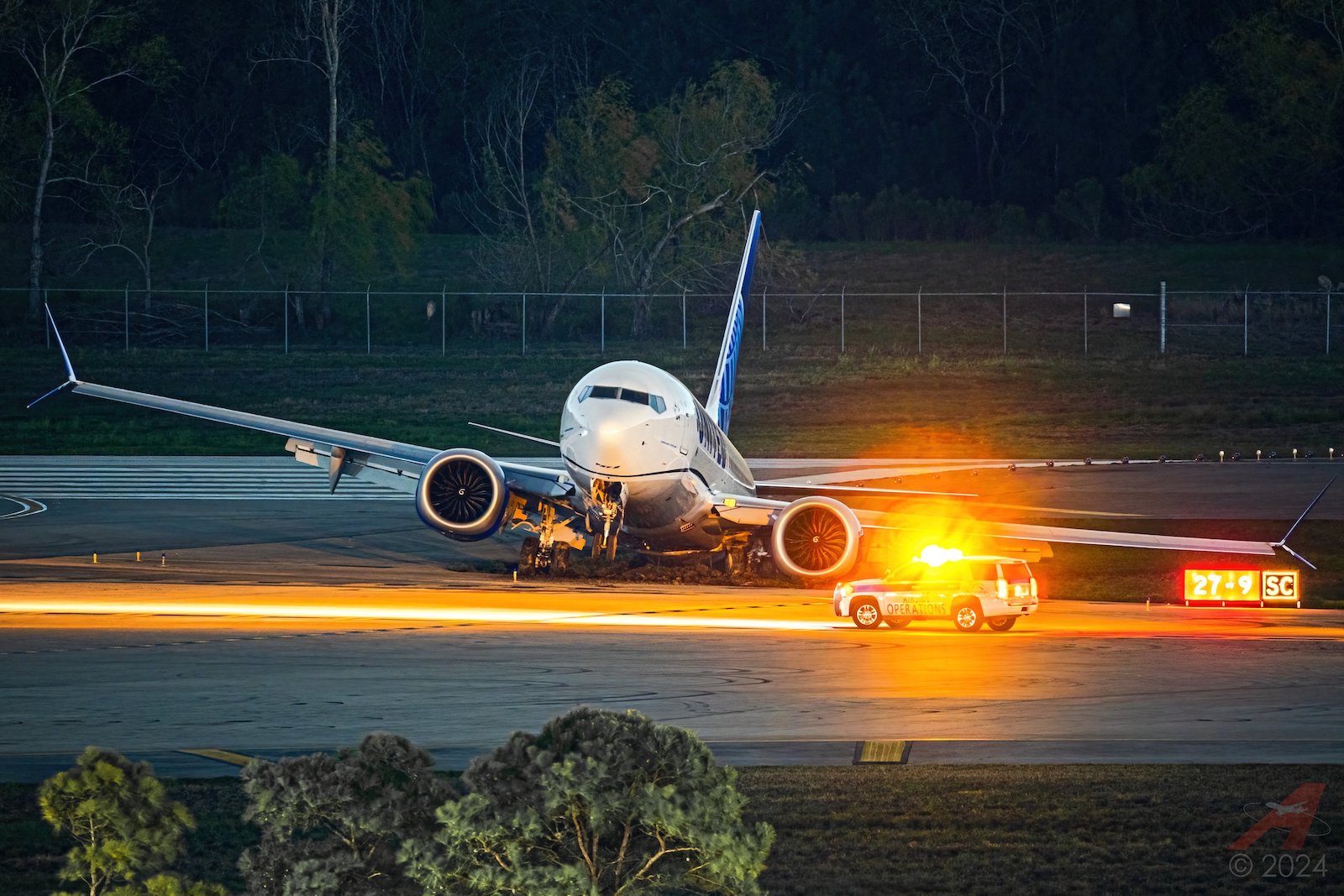
So that’s why last week—as back-to-back stories continued to flood mainstream media outlets concerning faults on Boeing jets—I opted not to cover them on this platform. Our readers come to stir the conversation on topics very few outside of the commercial aviation space would find interesting. As with most highly saturated and mainstream aviation stories, I figure most of our readers are already being inundated anyway, whether it be video of a 265-pound falling 777 wheel or a muddied 737 MAX in Houston.
United flight 35 from San Francisco to Osaka lost a tire from one its main landing gear struts on departure.
The flight is diverting to Los Angeles.
(Video. https://t.co/pffvS97FJ8) pic.twitter.com/ttVaYu2ohj
— Ryan Ewing (@FlyingHighRyan) March 7, 2024
As an aviation outlet, we can cover these stories with more in-depth analysis and detailed reporting. The problem with last week’s string of incidents is that there isn’t much of that to do, except tell the story of what likely was a very grueling few days for the PR teams at United and Boeing.
Contrary to what is being alluded to in the mainstream press, these incidents show no indication of being linked whatsoever. Is it unlucky that multiple Boeing aircraft suffered highly visible incidents just two months after a door plug flew off a 737 MAX 9? Yes, absolutely. But none of these incidents appear likely to drastically change the air safety landscape.
But here’s the flip side. Myself along with other industry insiders know all of this, and that includes most of our readers. The general public, however, does not.
We insiders sit and roll our eyes as the morning news talk shows try to draw comparisons between a nearly 22-year-old 737-900ER’s engine failure and Boeing’s more serious quality control woes. The consumers of this coverage who might know little about aviation may be biting their nails, worrying about their next commercial flight.
You don’t have to go far to see these worries becoming more vocalized. On X (formerly Twitter), one user posted the question: “What the f—- is going on with the aviation industry?”
The short answer is nothing out of the ordinary. Commercial airliners are designed to fail. Layers of redundancy are the common thread.
In what some might call my glass-half-full assertion, the bottom line in all of these incidents is that no loss of life—or even severe injury—occurred. Commercial aviation continues to be the safest mode of transportation by a long shot.
So are these headlines a result of just “seeing more” in an age of increased social media use? Or perhaps these minor incidents are a result of industry growing pains in a post-COVID world? Either question is almost impossible to answer right now.
What is easier to conclude, though, is that we humans love to string together patterns of events in order to produce a narrative. The problem becomes when that story detracts from more relevant and deeper issues, including serious manufacturing problems at one of the U.S.’s largest aerospace exporters.