









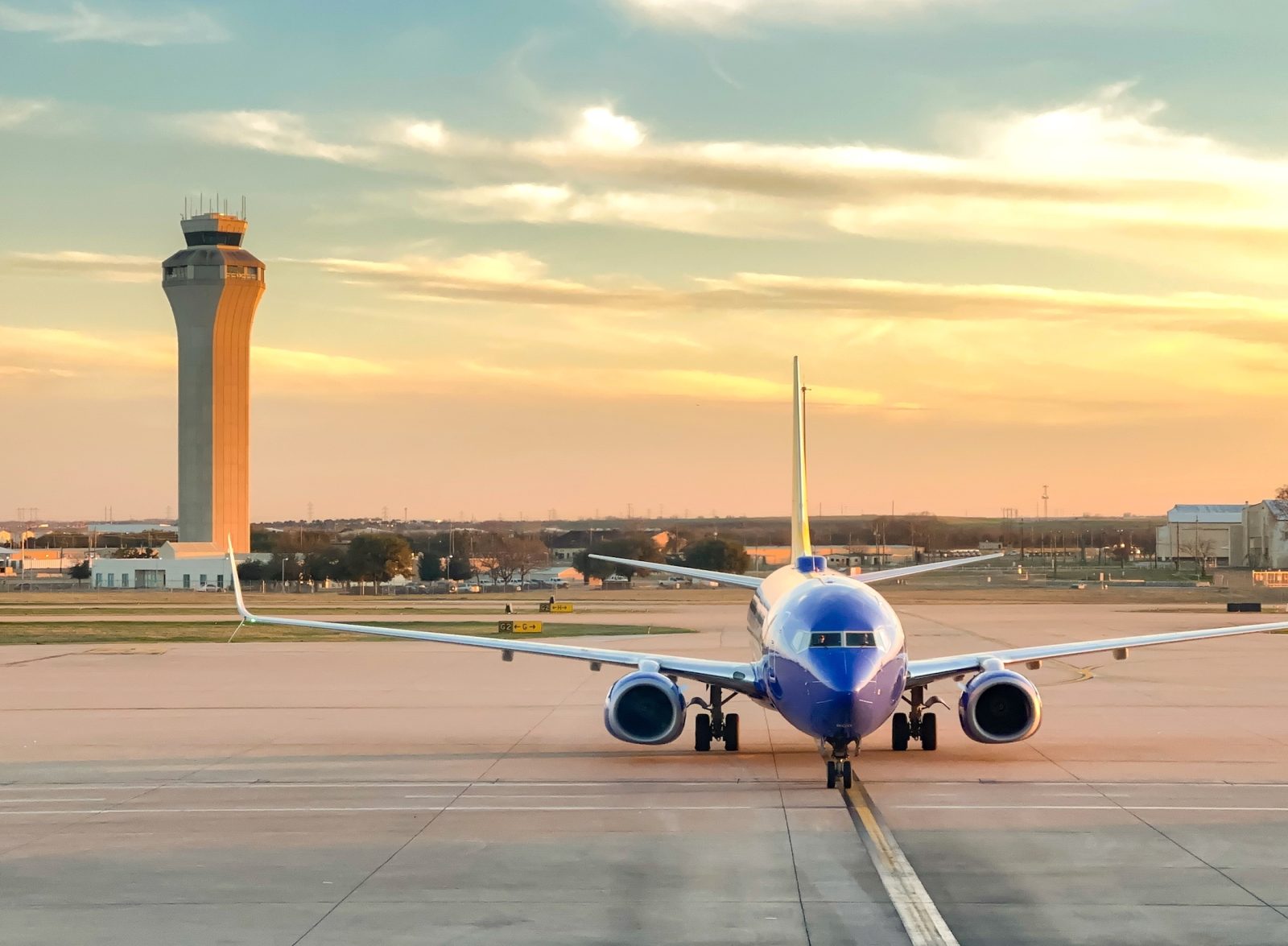

The National Transportation Safety Board (NTSB) concluded that a near-collision between a Southwest Boeing 737-700 and a FedEx Boeing 767-300 at Austin-Bergstrom International Airport last year stemmed from a combination of factors, including limitations in air traffic control technology and miscommunication.
The incident occurred on a foggy February morning in 2023. The air traffic controller, unable to see the Southwest aircraft due to dense fog, cleared both aircraft to use the same runway. While the FedEx flight was on its final CAT III ILS approach, the Cancun-bound Southwest flight was still performing an engine run-up procedure due to icing conditions. The FedEx crew narrowly avoided a collision by initiating a go-around.
“I’d first like to acknowledge that this incident could have been catastrophic, if not for the heroic actions of the FedEx crew,” NTSB Chair Jennifer Homendy said during a Thursday hearing on the incident. “As a result, none of the 131 people onboard both aircraft was injured.”
In a statement, FedEx said, “We greatly appreciate NTSB’s recognition of the heroic actions of our crewmembers in responding to the event that occurred upon landing FedEx Flight 1432 at Austin Bergstrom International Airport on February 4, 2023. We remain extremely proud of and grateful for the exemplary efforts of our flight crew in handling the situation.”
NTSB investigators pointed to the lack of surface detection equipment at the Austin airport as a major contributing factor. This technology would have provided the controller with real-time information on aircraft locations and was credited with preventing another incursion at New York’s JFK airport. The agency reiterated its recommendation to the Federal Aviation Administration (FAA) that all qualifying airports be mandated to install such systems.
The investigation also highlighted potential shortcomings in communication. The Southwest flight crew, aware of the approaching FedEx 767, did not inform the controller of the additional time needed on the runway for an engine run-up procedure. The NTSB emphasized the importance of clear communication between pilots and air traffic control, especially in low-visibility conditions.
Investigators said there was no evidence that low visibility training was ever conducted at the Austin air traffic control tower.
NTSB animation of the February 2023 near collision incident in Austin.
Visibility was poor at the time of the incident and the FedEx aircraft was on a CAT III ILS approach. AUS has no surface detection equipment. pic.twitter.com/hCMR8Ppw7C
— Ryan Ewing (@FlyingHighRyan) June 6, 2024
“One missed warning, one incorrect response, even one missed opportunity to strengthen safety can lead to tragedy and destroy public confidence in our aviation system, which is precisely why we must learn from near misses such as these,” Homendy added in a statement. “We are once again calling on the FAA to use technology to prevent runway incursions — something we’ve been doing for decades — because we must back up the humans operating in our aviation system at every level. That is how we save lives.”
As part of the FAA Reauthorization Act of 2024, the FAA has announced plans to equip certain airports, including Austin, with surface detection systems by the end of 2025.
NTSB recommendations include:
- Equipping all qualifying airports with surface detection systems to provide real-time aircraft location data to controllers.
- Collaboration between the FAA, aircraft manufacturers, and avionics companies to develop on-board traffic alert systems for pilots.
- Implementing additional low-visibility operations training for air traffic controllers.
According to FAA data cited by the NTSB, serious incursiona were at their highest level in over a decade last year. In 2023, there were roughly 54.3 million takeoffs and landings in the U.S. and a total of 1,760 runway incursions, the NTSB shared.
“Bottom line: We’re trending in the wrong direction,” Homendy added.
The final investigation report, including findings, causes, and recommendations, will be available in the coming months.