












SkyTeam carrier SAS is set to cut its sole connection to mainland China this November when it cancels its decades-long flight between Copenhagen and Shanghai. The airline currently flies the route three times a week on its flagship A350. The two cities will no longer be connected after its exit.
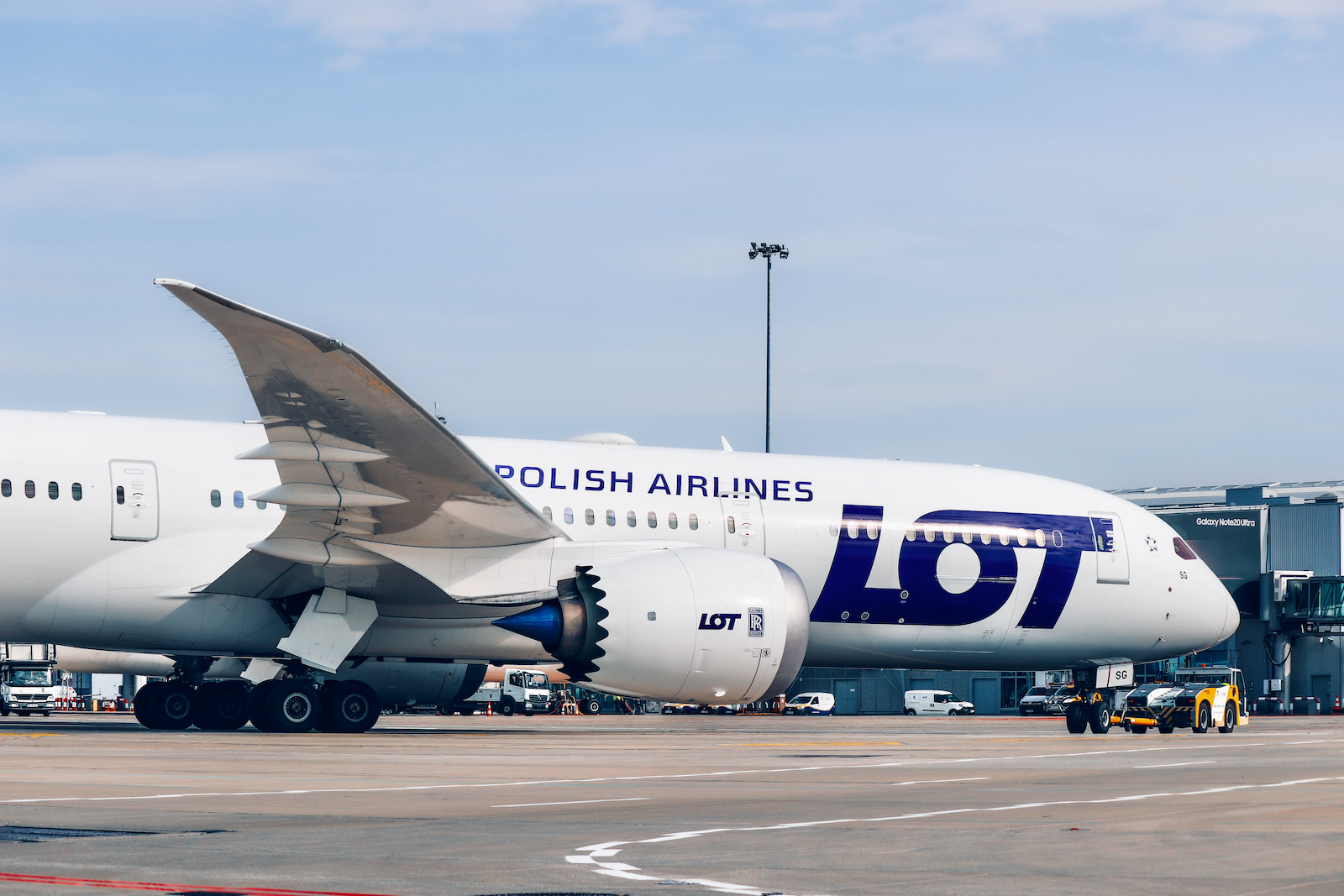
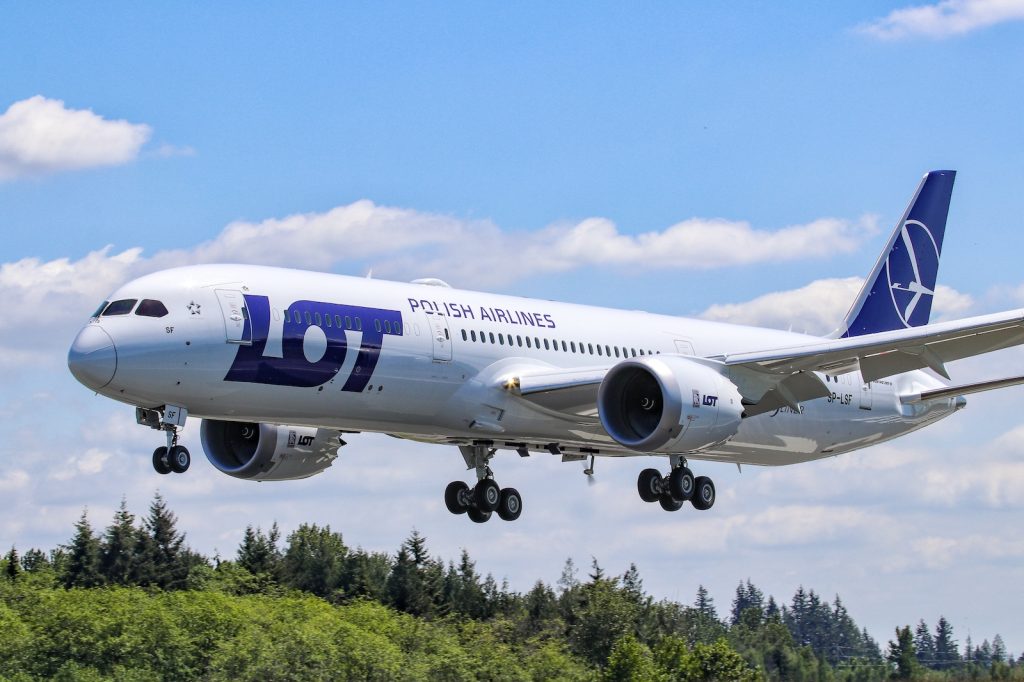
Polish national carrier LOT has also announced the termination of its long-running Warsaw to Beijing route. When Beijing service ends, the airline will no longer have a presence in China. The airline previously served both the Daxing and Capital sirports in the Chinese capital. However, Warsaw will still be connected to Beijing by Air China, a fellow Star Alliance member.
SAS’ Second to Last Asian Destination
From November, SAS’ only year-round destination in Asia will be Tokyo Haneda, while Bangkok is served seasonally. Before the pandemic, the carrier also flew to Beijing and Hong Kong, both of which were never resumed. The airline recently joined SkyTeam and is partly owned by Air France-KLM, which boasts an extensive Asian network and can connect to more destinations in Europe via its hubs in Paris and Amsterdam.
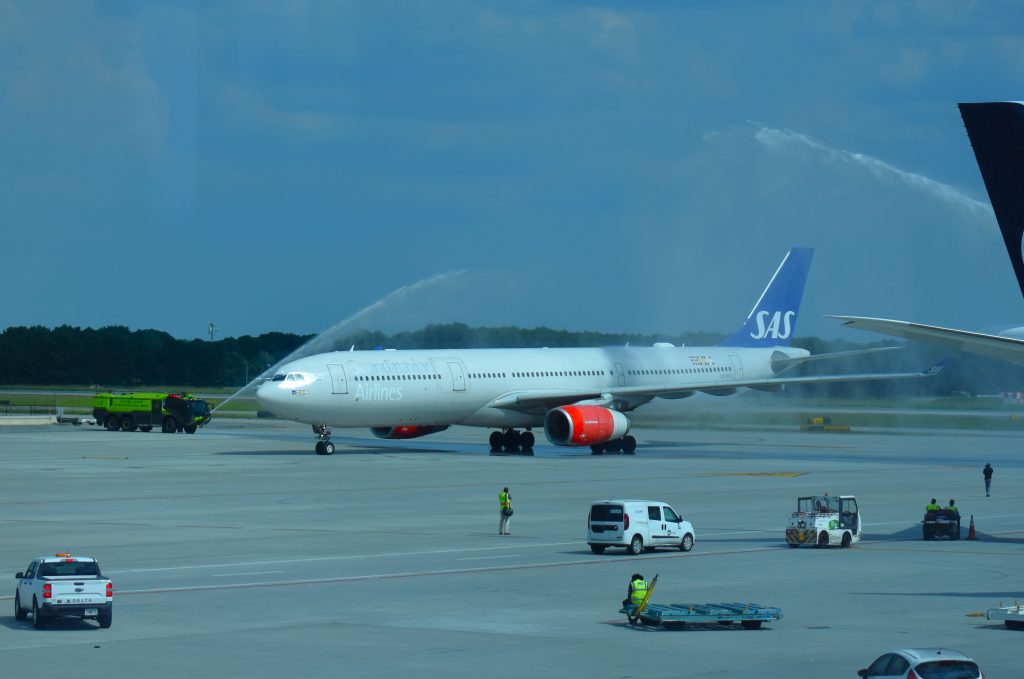
When Shanghai is removed from its route map, SAS will be able to redeploy the aircraft onto routes to North America, where it has been expanding since its partial ownership by Air France-KLM. SAS has announced new routes to Seattle from Copenhagen and started flying to Atlanta, another SkyTeam hub, in June.
Russian Airspace and Capacity Dumping
The airlines are the latest to exit the Chinese mainland, following Virgin Atlantic, while several other European carriers, including Lufthansa and British Airways, have reduced their Chinese network. British Airways has cut its route to Beijing Daxing and Lufthansa will no longer serve the Frankfurt-Beijing sector.
With the unavailability of Russian airspace, which incurs higher costs and flying time, along with the capacity dump by Chinese carriers, European airlines are struggling to compete with their Asian counterparts. The scale-down of SAS’ operation was, according to Luchtvaartnieuws, due to “difficult market conditions.”
At the same time, Chinese carriers are ramping up their capacity into Europe, partially driven by free widebody equipment previously used for flights to North America. The number of seats offered by Chinese carriers has far exceeded pre-pandemic levels and continues to rise.
Many European carriers have called on the European Union to take action, including imposing a levy on the unleveled playing field. However, no agenda has been made so far to protect European airlines.
