









The Department of Transportation’s Office of Inspector General (OIG) has announced an audit of the Federal Aviation Administration’s actions in response to recent incidents of toxic fumes entering aircraft cockpits or cabins after bird strikes.
According to an audit announcement published by the OIG on Wednesday, the audit comes after conflicting decisions by the FAA’s Office of Accident Investigation and Prevention and Aircraft Certification Service related to toxic fume incidents in 2023.
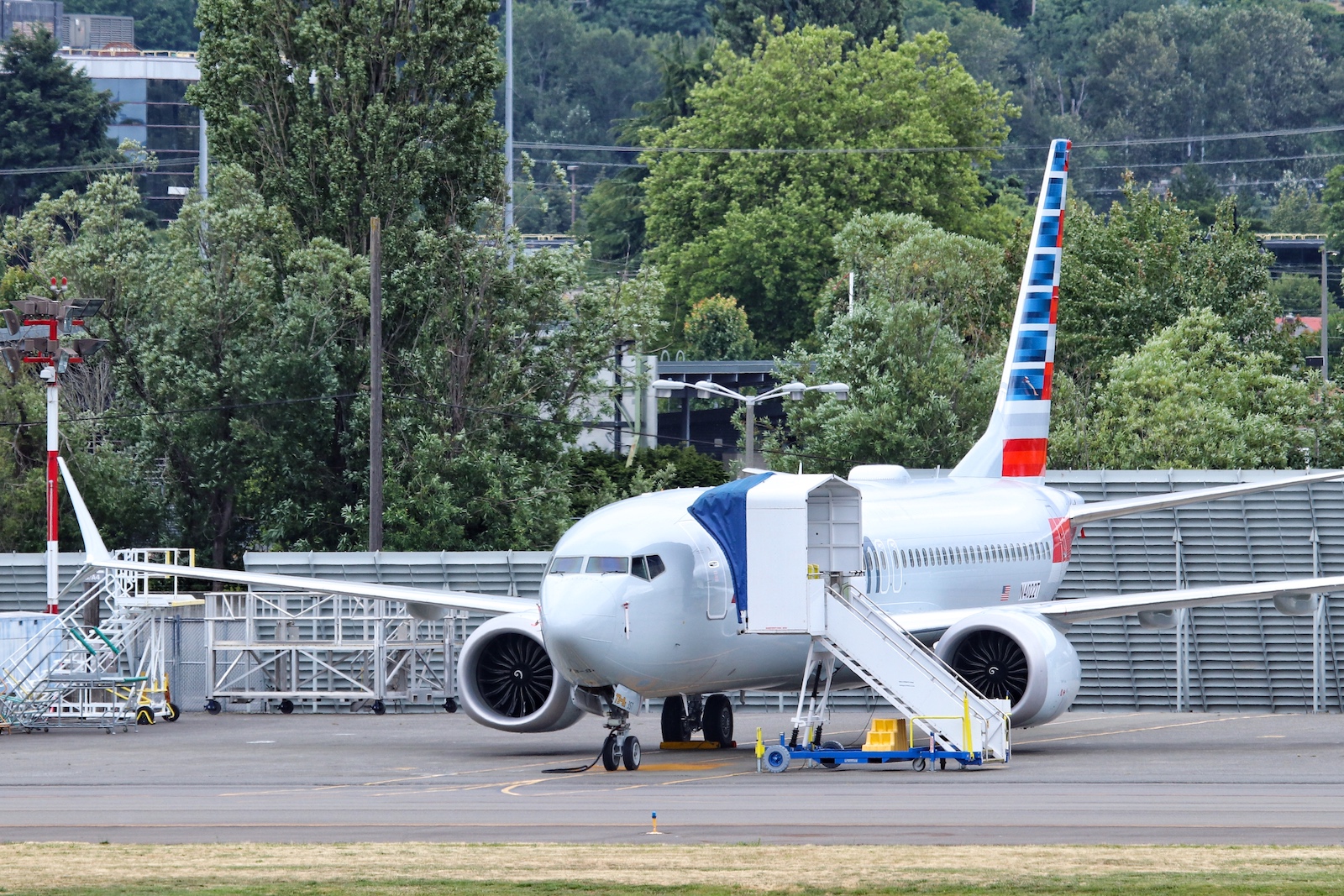
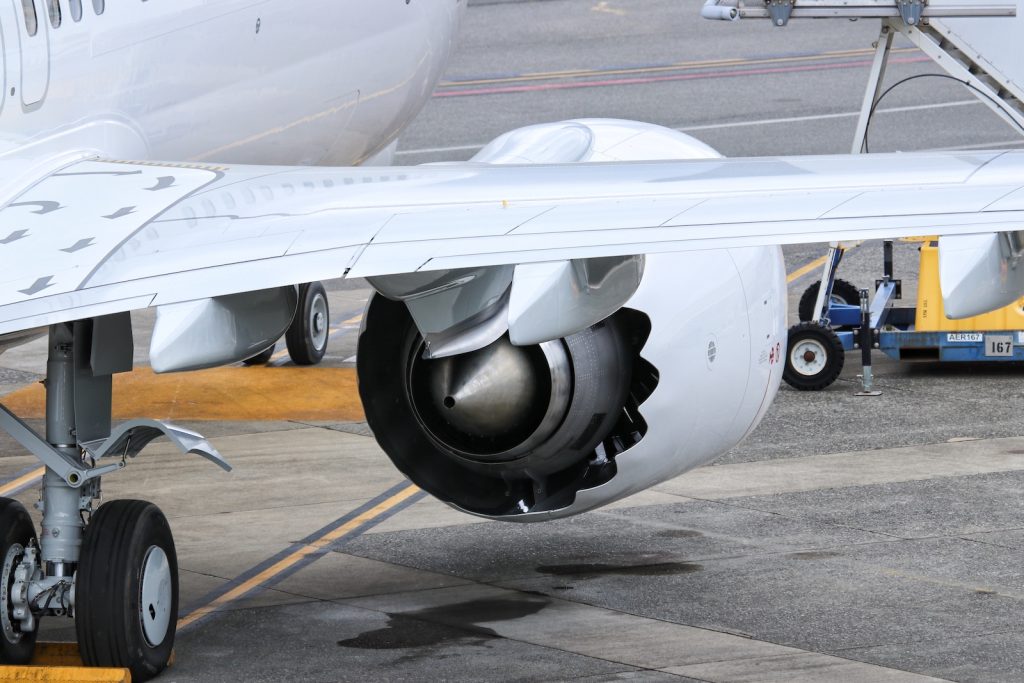
In March and December 2023, birds flew into and damaged the CFM LEAP-1B engines of Boeing 737 MAX airplanes, causing smoke and toxic fumes to enter the aircraft. The incidents occurred on a Boeing 737 MAX 8 during takeoff from Havana to Fort Lauderdale, Florida, and another 737 MAX 8 flight from New Orleans to Tampa, Florida.
“These bird strikes fractured the planes’ engine fan blades, which activated an engine safety feature called the load reduction device (LRD),” the audit announcement stated. “When the LRDs activated on the two airplanes, a large amount of engine oil flowed into the hot section of the engine causing toxic smoke and fumes to enter the cockpit or cabin via the environmental and aircraft pressurization systems.”
After the incidents, the FAA’s Office of Accident Investigation and Prevention gave emergency recommendations to avoid the negative effects of LRD activation, including changing take-off procedures
The FAA’s Aircraft Certification Service, however, analyzed the LRD issue and proposed mandating an update to the engine software instead of changing take-off procedures. The OIG stated that opting to update the software was “a lengthy process.”
OIG’s audit – which begins this month – will assess the FAA’s decision-making at agency offices relevant to the LRD issue.
The OIG has audited the 737 MAX several times in recent years, including investigations into Boeing’s production process and safety standards when manufacturing the aircraft.
