











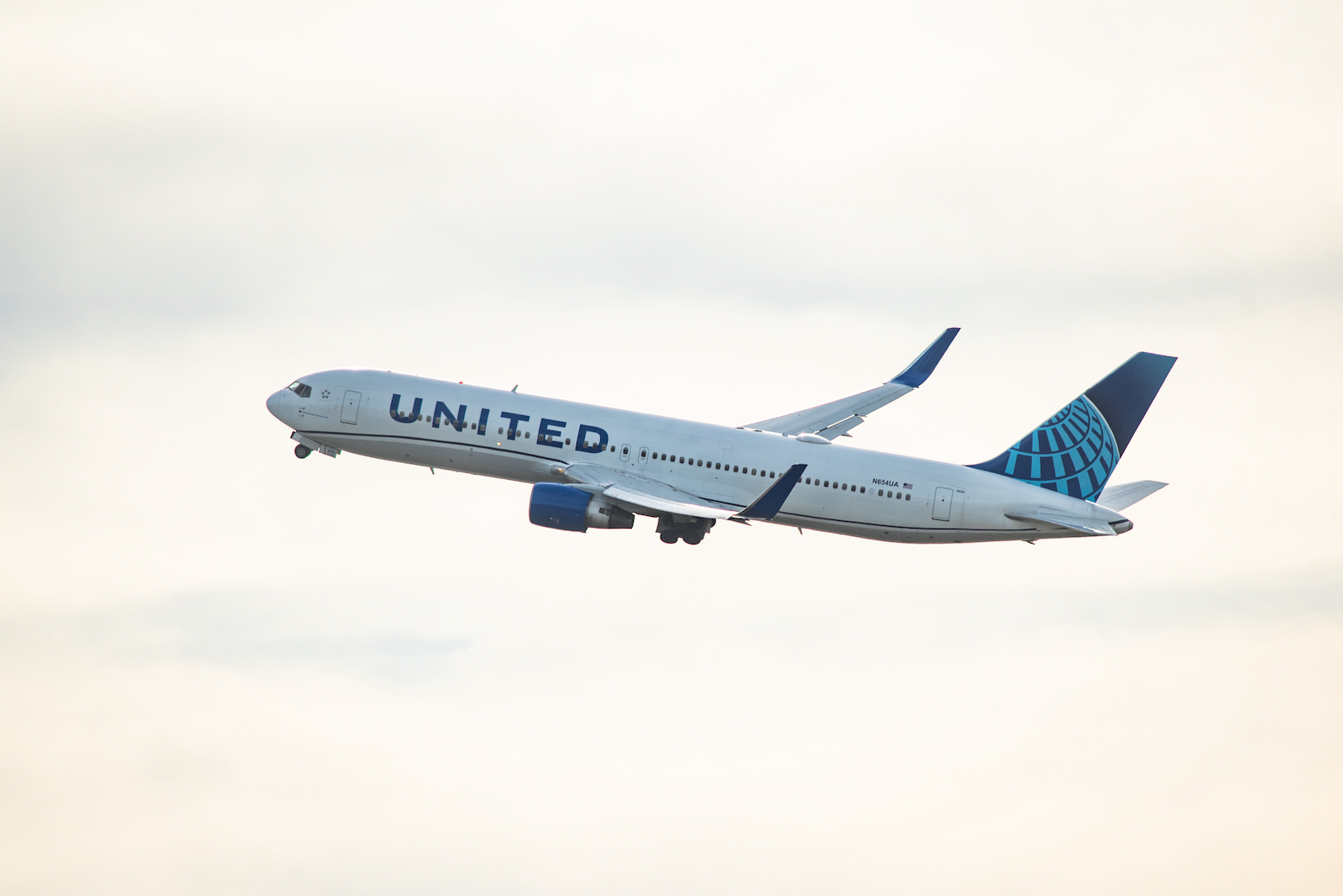

United is advising customers that it will maintain its reduced schedule at Newark Liberty International Airport but plans to “slowly and safely” rebuild after the completion of runway construction there next month.
United Vice President Jon Gooda, who oversees the airline’s hub at Newark, laid out a plan for “getting back on track” in a statement released for MileagePlus members on Thursday. He said the carrier will continue to operate on a reduced schedule in compliance with an order from the FAA aimed at easing congestion at the airport, which is grappling with equipment failures and a shortage of air traffic controllers.
Gooda noted that United proactively cut 35 flights at Newark when troubles first surfaced weeks ago and said the move “got our operation back on the right path.” The airline hopes to add back flights when Newark finishes construction on one of the three runways it uses for commercial jets, another factor in the airport’s wave of delays and cancellations.
“We expect EWR’s runway construction to be completed in mid-June,” Gooda said. “Our plan is to slowly and safely build our schedule over the summer. However, because of the recent FAA decision, every airline’s schedule at EWR will be smaller than planned and smaller than last year, including ours. We’ll operate fewer daily flights this summer compared to last year, which gives us even more confidence that our EWR operation will continue to run reliably.”
Looking Ahead
Gooda also emphasized that, even with the logistical challenges at Newark, United has cancelled comparatively few flights. On eight of the past 11 days, he said, the airline canceled less than 1% of its departures out of Newark, while the airport is once again beating LaGuardia in on-time arrivals.
Newark is United’s largest hub and a critical node in its East Coast and transatlantic network, so disruptions there can have a substantial impact on operations. The airline has a smaller presence at LaGuardia and no presence at New York-JFK.
Newark has faced rounds of flight delays and cancellations since late April, when air traffic controllers first lost contact with pilots at and around the airport. Several more outages have struck since then, and the problem has been worsened by the number of air traffic controllers now out on trauma leave. The FAA has acknowledged that, due to chronic understaffing, there is no quick way to rebuild the ATC team needed to oversee Newark.