










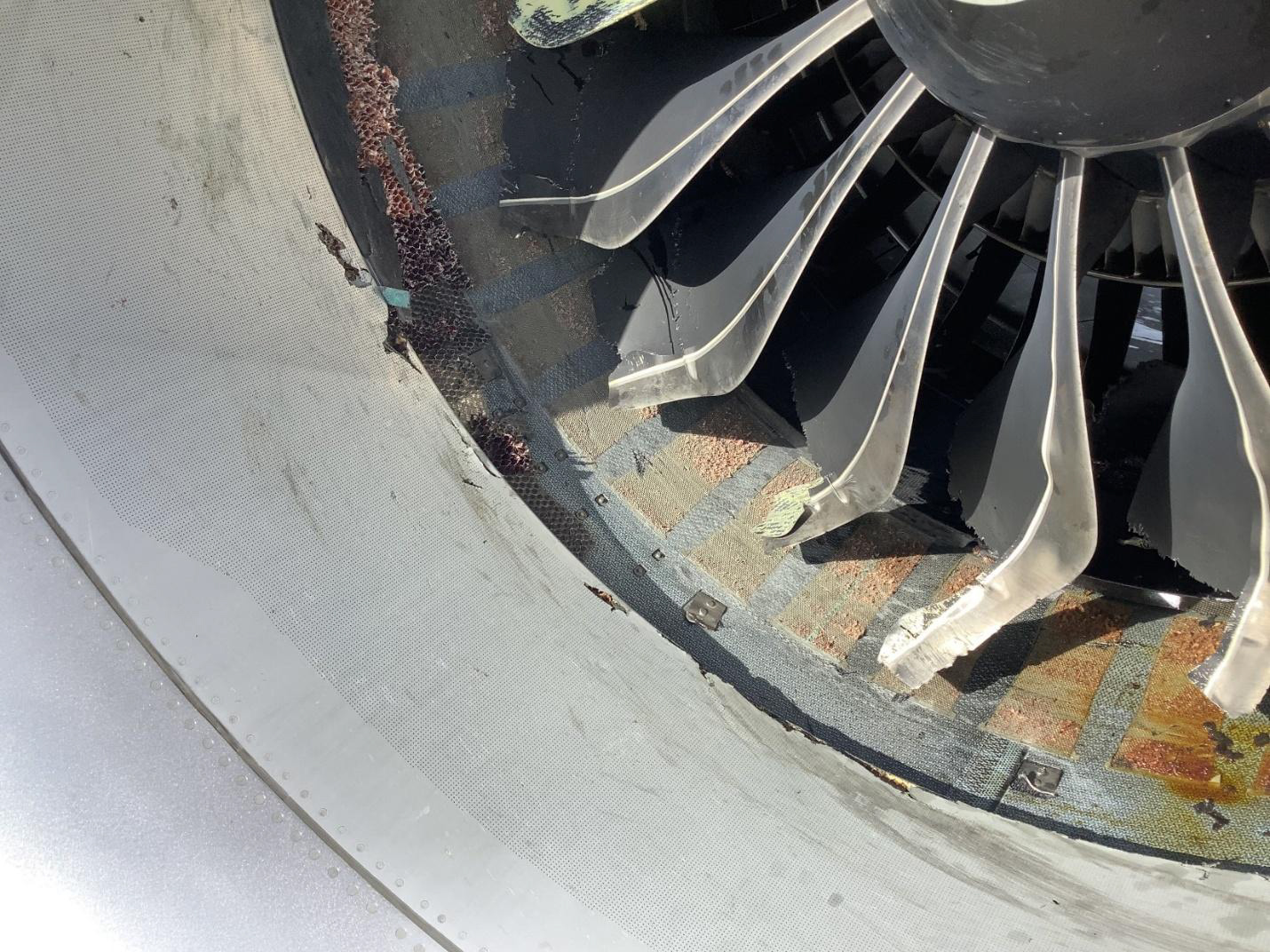

The National Transportation Safety Board has issued urgent safety recommendations following incidents where smoke entered the cockpit and cabin of Boeing 737 MAX aircraft equipped with CFM International LEAP-1B engines.
“The NTSB found that the engine load reduction device, or LRD, a safety feature designed to reduce the severity of vibrations transmitted from a damaged engine to the airframe, can result in damage to the engine oil system,” the agency stated in its Wednesday report.
Recent Incidents
The recommendations stem from two separate incidents involving Southwest flights. On December 20, 2023, Southwest flight 554, a Boeing 737 MAX 8, departed from Louis Armstrong New Orleans International Airport when a bird was ingested into the left engine shortly after takeoff.
According to the NTSB investigation, the flight deck rapidly filled with “acrid white smoke” so thick that the captain had difficulty seeing the instrument panel. The first officer called for oxygen masks, and the pilots were able to clear the smoke after following emergency procedures. The aircraft returned to New Orleans without injuries to any of the 139 people on board.
A similar incident occurred on March 5, 2023, when Southwest flight 3923 ingested a bird into its right engine during departure from Havana. In this case, vapor fog filled the passenger cabin, prompting an emergency return to the airport.
The NTSB determined that in both incidents, activation of the Load Reduction Device caused tubes supplying oil to the engine sump to become dislodged. This allowed oil to enter the core compressor upstream of the pneumatic bleed ports that supply air to the cabin and cockpit.
“The oil was exposed to high temperatures and resulted in smoke and fumes that were then fed into the cockpit,” the NTSB report explained.
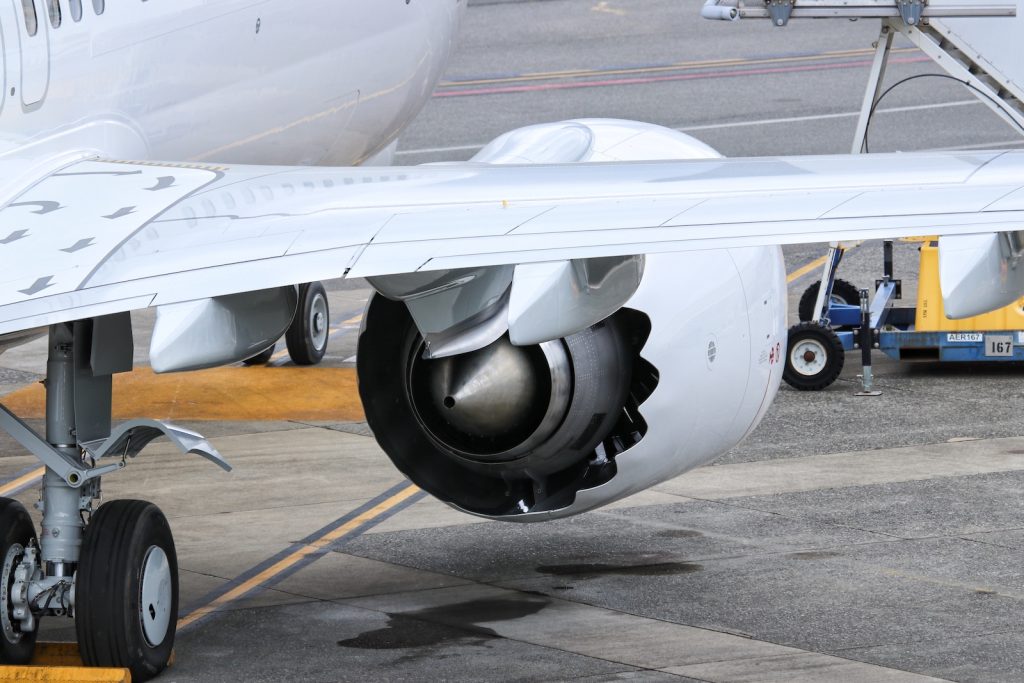
Investigators found that when the first officer pulled the engine fire switch during the New Orleans incident, the smoke quickly dissipated because the pressure regulating shutoff valve automatically closed, preventing further contaminated air from entering the aircraft.
Jennifer Homendy, NTSB Chair, signed the report containing five safety recommendations addressing the issue.
Urgent Recommendations
The NTSB’s “urgent” recommendation to the Federal Aviation Administration calls for ensuring that “operators inform flight crews of airplanes equipped with CFM International LEAP-1B engines of the circumstances described in National Transportation Safety Board Aviation Investigation Report AIR-25-03, emphasizing Boeing’s changes to the quick reference handbook and flight crew operations manual so pilots are aware of actions to take if they encounter smoke in the cockpit or cabin after load reduction device activation.”
The report noted that Boeing has already updated its flight crew operations manual and quick reference handbook to include engine failure with smoke or fumes as a condition requiring immediate action.
Additionally, the NTSB recommended that aviation regulators work with CFM and Boeing to develop and implement software modifications that would prevent or limit smoke from entering aircraft cabins during LRD activation incidents.
“Even though pilot action can mitigate the amount of smoke released into the cockpit or cabin after LRD activation on CFM LEAP-1B engines, CFM International and Boeing’s planned software modification, once incorporated, would likely close the pressure regulating shutoff valve more quickly, thus minimizing the quantity of smoke and reducing the flight crew’s workload,” the NTSB concluded.
The agency also directed the FAA, European Union Aviation Safety Agency, and Civil Aviation Administration of China to determine if similar risks exist with LEAP-1A engines used on Airbus A320neo aircraft and LEAP-1C engines on Commercial Aircraft Corporation of China C919 airplanes.

