










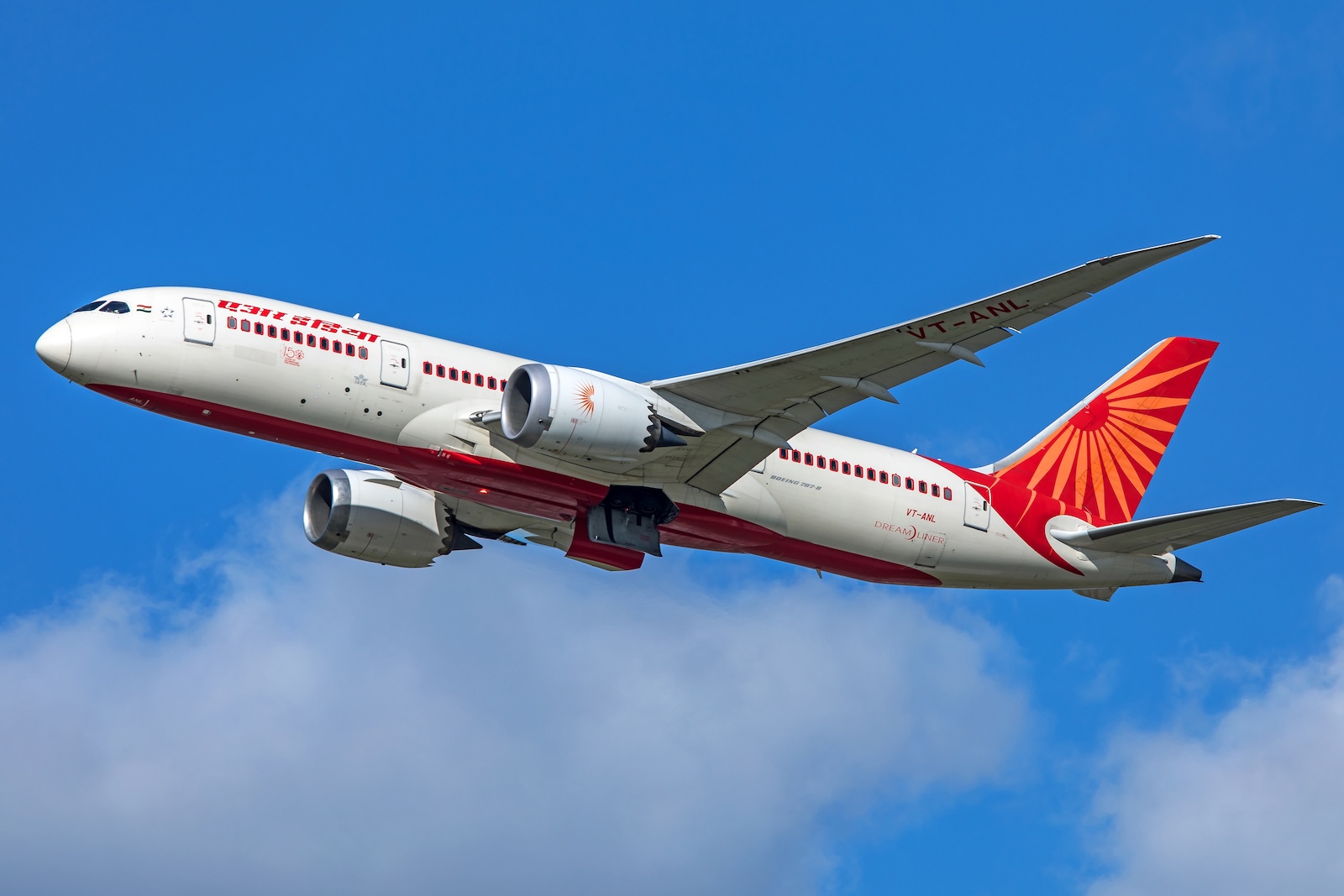

Air India’s Boeing 787 likely had its emergency-power system online before crashing after takeoff last week.
According to a Wall Street Journal report published Wednesday, investigators of the crash believe the aircraft’s emergency-power generator was active during the incident. Citing people familiar with the probe, WSJ stated that the preliminary finding raises new questions for investigators.
During emergencies where both engines fail, a ram air turbine (RAT) propeller serves as a backup generator from the bottom of the 787’s fuselage, according to WSJ. The electricity produced helps run flight control systems and other essential aircraft components.
U.S. investigators and the National Transportation Safety Board are assisting with the ongoing investigation.
The NTSB will be leading a team of US investigators travelling to India to assist the Aircraft Accident Investigation Bureau with its investigation into the crash of an Air India Boeing 787 in Ahmedabad, India, Thursday.
— NTSB Newsroom (@NTSB_Newsroom) June 12, 2025
Air India flight 171 was taking off from Ahmedabad to London on June 12 when it lost altitude and crashed into a local medical college campus. The crash killed over 200 people aboard, leaving only one survivor.
The crash marked the first fatal crash and total hull loss for Boeing’s 787 Dreamliner, according to data from aviation analytics firm Cirium.
