

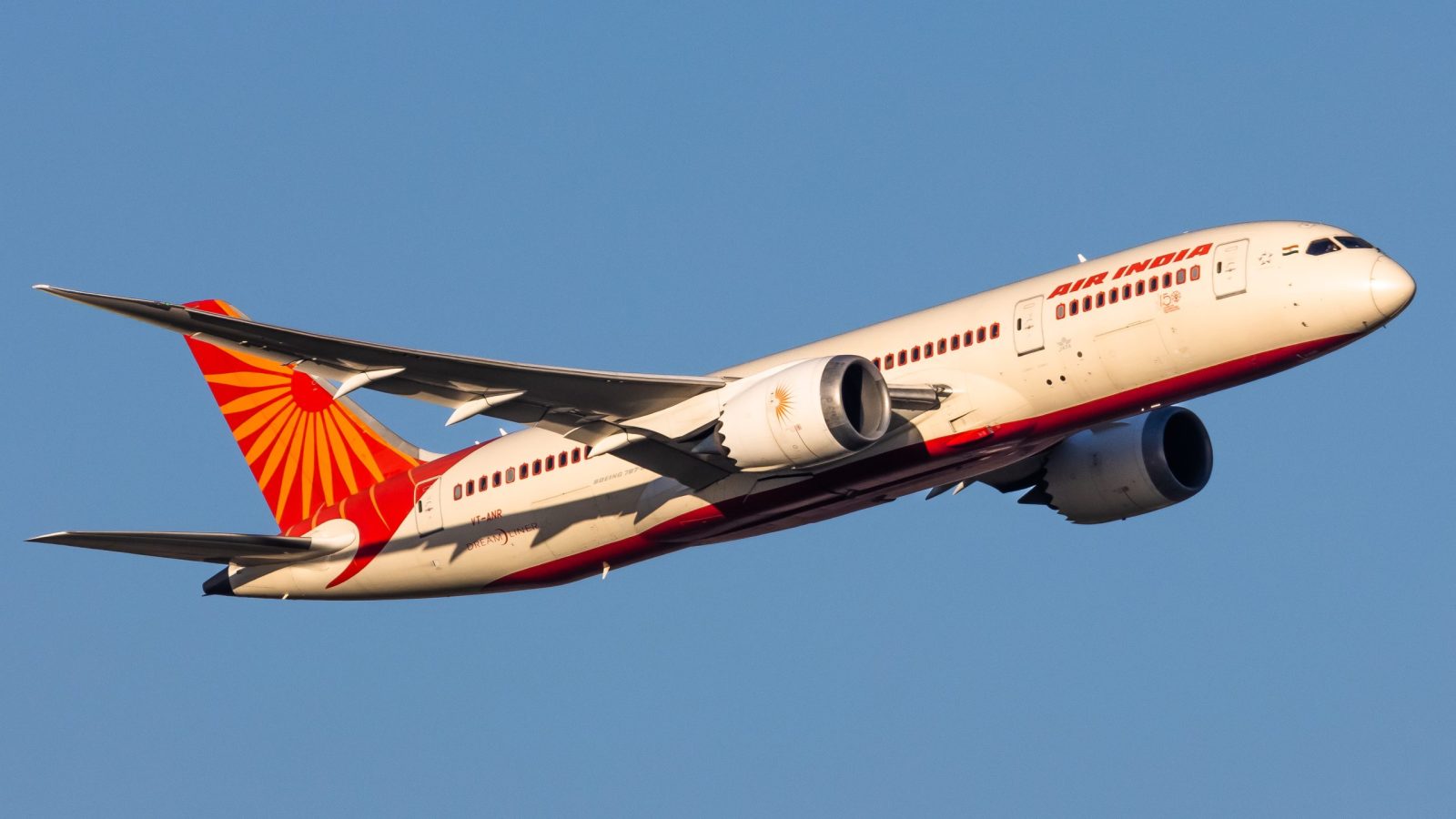

The FAA has said fuel control switches on Boeing aircraft, including the 787 Dreamliner, are safe, after the devices were highlighted in a preliminary report on an Air India 787 crash in June that killed 260 people.
According to Reuters, the agency issued a continued airworthiness notification on July 11 to airlines that operate Boeing aircraft. Reuters said its reporters saw a copy of the document and spoke with four unnamed sources with knowledge of the matter.
India’s Aircraft Accident Investigation Bureau concluded last week that the fuel control switches in the cockpit of Air India Flight 171 were switched off, cutting fuel to the aircraft’s engines. The bureau’s report does not say who or what flipped the switches.
In the cockpit voice recording, one pilot is heard asking the other why he moved the switches from “Run” to “Cutoff,” and the other pilot replies that he did not. The switches were then reversed, and the engines were in the process of coming back online when the airplane crashed into the campus of a medical college, not far from where it took off.
The AAIB report referenced a 2018 advisory from the FAA, which encouraged airlines operating Boeing aircraft to inspect the locking mechanism on the fuel switches to ensure they could not be moved by accident. Air India did not follow this guidance, the report stated.
The FAA said its 2018 advisory was based on reports that fuel control switches were installed with the locking feature disengaged, but added that this did not make the devices themselves unsafe.
“Although the fuel control switch design, including the locking feature, is similar on various Boeing airplane models, the FAA does not consider this issue to be an unsafe condition that would warrant an Airworthiness Directive on any Boeing airplane models, including the Model 787,” the agency wrote, according to Reuters. “The FAA will continue to share relevant information with foreign civil aviation authorities as appropriate.”
Mandatory Inspections
Despite the agency’s assurances, South Korea is reportedly preparing to order all airlines flying Boeing aircraft to examine the fuel switches. A spokesperson for the country’s transportation ministry told Reuters that their inspections would align with the recommendations in the FAA’s 2018 advisory.
Air India, meanwhile, has been carrying out enhanced inspections on all of its 777s and 787s since the crash on June 12. The time needed for the safety checks has forced the airline to scale back or slash both domestic and international routes this summer.
Air India CEO Campbell Wilson said in a memo to staff on Monday that new questions raised by the preliminary investigation will take time to resolve.
“The preliminary report identified no cause nor made any recommendations, so I urge everyone to avoid drawing premature conclusions as the investigation is far from over,” he wrote.