








The European Union Aviation Safety Agency (EASA) has issued a new safety warning to operators of aircraft powered by CFM International LEAP engines, warning of a potential risk of smoke contamination in the cabin and flight deck following activation of a built-in Load Reduction Device (LRD).
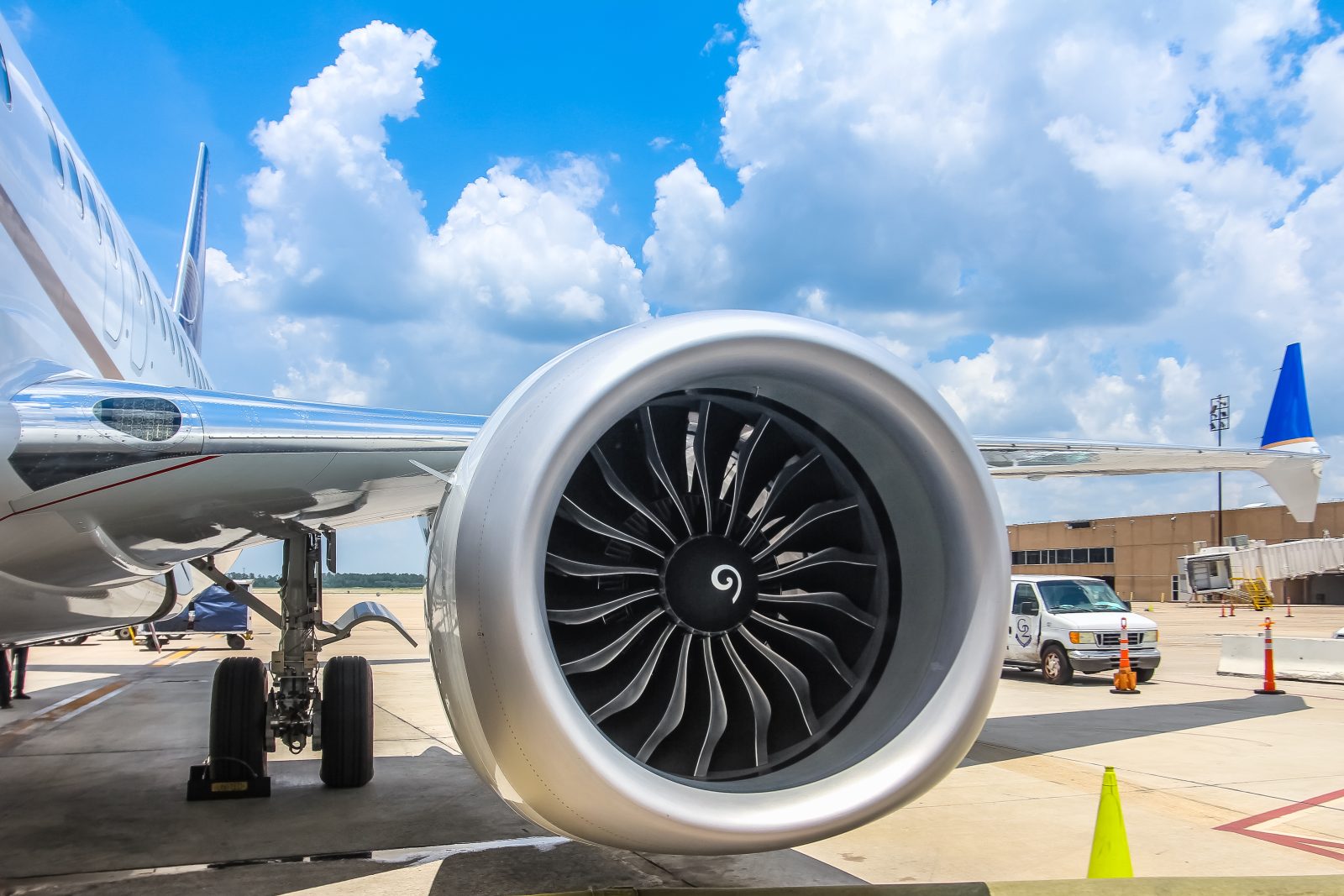
LEAP-1A and LEAP-1B engines, used on Airbus A320neo family aircraft and Boeing 737 MAX jets respectively, are equipped with the LRD to reduce structural loads during high fan unbalance events — such as those caused by bird strikes. When triggered, however, the LRD creates an oil leakage path that can contaminate bleed air supplied to the aircraft’s Environmental Control System (ECS), leading to smoke or fumes entering occupied areas of the aircraft.
According to EASA, two serious incidents involving Boeing 737 MAX 8 aircraft have occurred following bird strikes and LRD activation. In both cases, the aircraft returned safely to the departure airport after an emergency was declared.
No similar in-service events have been reported involving the Airbus A320neo family.
EASA noted that engine bleed air architecture differs between the 737 MAX and A320neo, but emphasized the importance of swift crew action in managing smoke events. If the affected engine is not shut down or isolated quickly, smoke release may continue until bleed air valves automatically close.
As a precaution, Boeing has updated its Quick Reference Handbook (QRH) and Flight Crew Operations Manual to prioritize engine fire or severe damage checklists when smoke and engine problems occur simultaneously. Airbus procedures already address similar scenarios through smoke and engine failure checklists, the agency said.
The bulletin advises operators to identify which aircraft in their fleets are equipped with LRD-enabled LEAP engines and ensure flight crews are aware of the associated risks. EASA also recommends incorporating LRD-related scenarios into recurrent pilot training programs.
The bulletin follows similar recommendations from the National Transportation Safety Board in June.