













Russia’s aviation manufacturers have failed to be on target this year after producing only one aircraft, having cited 15 as their aim for this year’s total, reports Swiss aviation data firm Ch-Aviation.
After Russia’s full-scale invasion of Ukraine in February 2022, nations were quick to apply sanctions on the Russian aviation industry. While most Russian airlines have been banned from international airspace, demand still remains for domestic flights within the country. According to the Federal Transport Agency, 111.7 million passengers were still flying on Russian airlines in 2024.
However, while the industry’s demand for flights has kept up, its aircraft production hasn’t. Western sanctions have hit the country hard, leading to parts for maintenance becoming increasingly difficult to secure.
This likely explains the lack of aircraft being produced by the country’s aircraft producers, with supply chains for aircraft parts being severely disrupted. One source from inside the industry told Reuters that there is “no component base, no technology, no production facility, or no engineers. To create all this from scratch takes years, if not decades.”
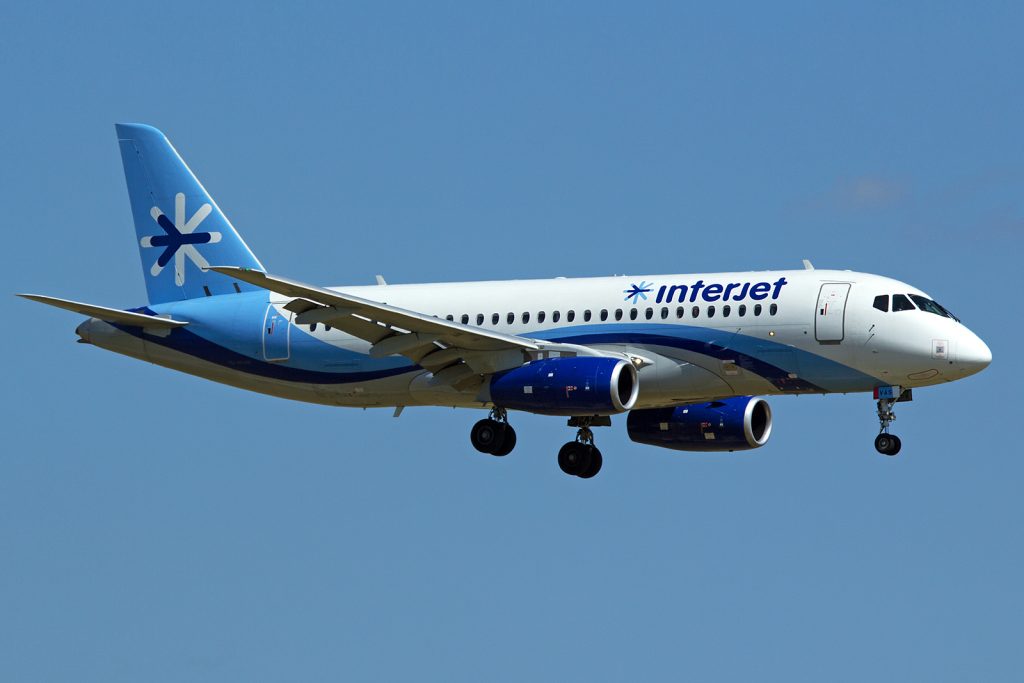
The Russian aircraft industry has been around for decades, as manufacturers such as Sukhoi, Ilyushin, and Tupolev were born in the Soviet Union, most of which came out of the nation’s war industries. However, these once-legendary soviet manufacturers are now losing the fight to global giants Airbus and Boeing.
Counterintuitively, Airbus and Boeing are doing better than most internally manufactured aircraft since sanctions hit Russia. This is because airlines are able to use complex, indirect import routes to evade sanctions and get their parts into the country, as the domestic manufacturers struggle to produce them with a lack of relevant technology.
An absence of spare parts has come with consequences, as Russia’s aviation sector has seen numerous incidents in recent years. Most notably, a 1972-built Antonov An-24 crashed in the east of the country in late July, killing all passengers on board. With increasingly outdated aircraft in service and no new aircraft coming soon, these incidents could become increasingly common.
