

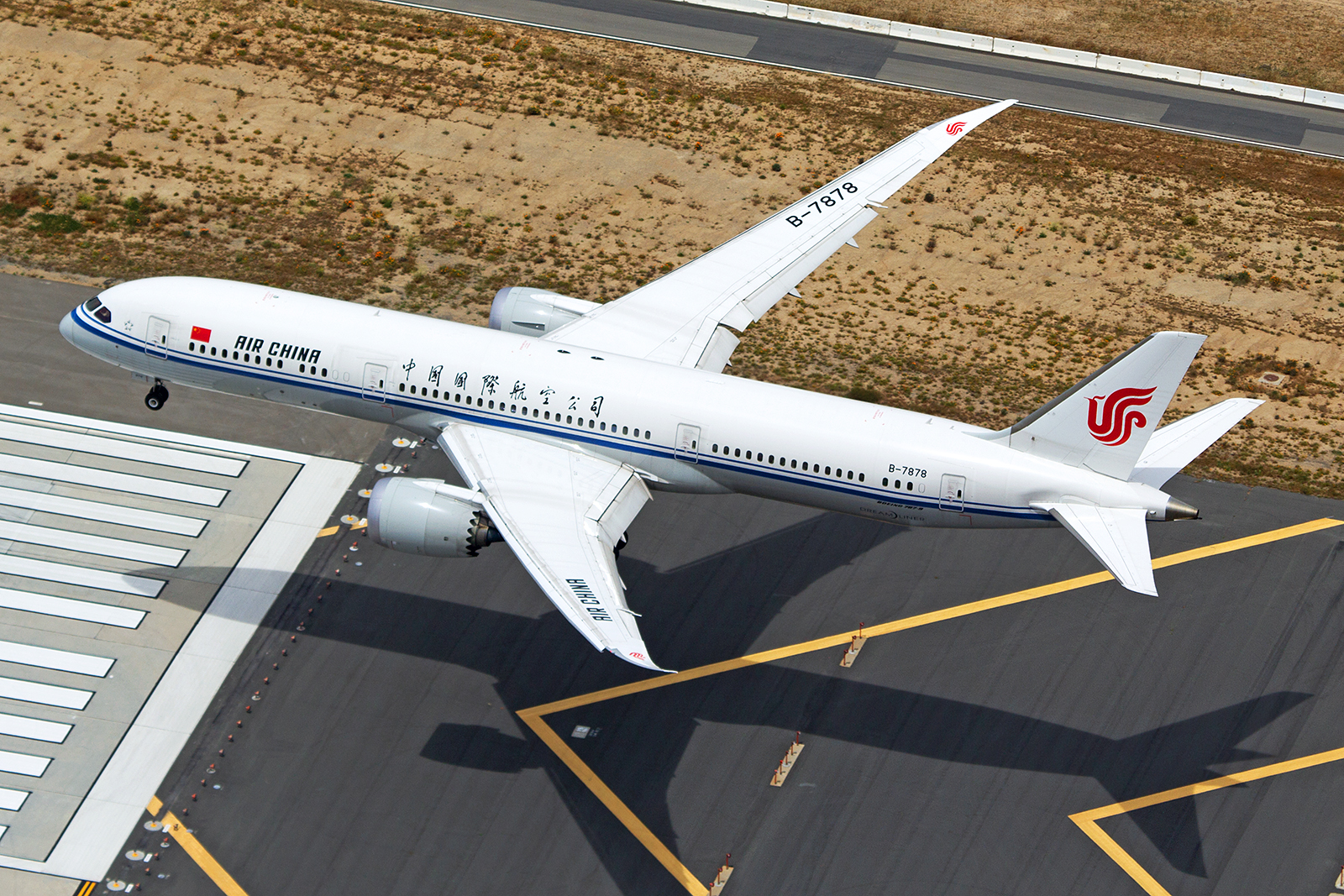


The Trump administration moved this week to ban Chinese airlines from flying over Russia on routes to and from the U.S., arguing that those carriers have an unfair advantage over U.S. airlines, which cannot use Russian airspace.
In a tentative decision issued by the U.S. Transportation Department on Thursday, officials said Chinese flag carrier Air China, Beijing Capital Airlines, China Eastern Airlines, China Southern Airlines, Hainan Airlines, Sichuan Airlines, and Xiamen Airlines could lose permission to operate in the U.S. unless they agree to stop flying over Russia.
The most efficient route to connect certain locations in the U.S. and China involves flying over Russia, the department noted. Because Chinese carriers can use those routes, they can offer their customers shorter flight times, and they burn less jet fuel, giving them a clear edge over U.S. airlines serving the same destinations.
U.S. and other Western airlines have been prohibited from flying over Russia since 2022, when Russia launched its ground invasion of Ukraine. The U.S. banned Russian carriers from using its airspace, and Russia retaliated by imposing bans of its own on the U.S., NATO nations, and other U.S. allies. The prohibition has been particularly damaging to Eastern European and Scandinavian airlines, which must take much longer routes and use more fuel to reach destinations in China, Japan, and Southeast Asia.
The Transportation Department said it is giving “interested parties” two days to comment on its proposed rule. If the measure is ultimately finalized, the Chinese carriers would have a 30-day grace period to adjust operations before it takes effect.
The ban would not apply to Chinese all-cargo carriers, the department said, because existing U.S.-China trade agreements provide for “far more liberal” cargo route rights.
Notably, Hong Kong-based airlines, including Cathay Pacific and Hong Kong Airlines, were not mentioned in the tentative decision, even though Hong Kong is part of China.