












Editor’s Note: AirlineGeeks is proud to present our ‘Livery of the Week’ series. Every Friday, a team member will share an airline livery, which can be from the past, present, or even a special scheme. Some airline liveries are works of art. The complexity associated with painting around critical flight components and the added weight requires outside-the-box thinking from designers. The average airliner can cost upwards of $200,000 to repaint, creating a separate aircraft repainting industry as a result.
Have an idea for a livery that we should highlight? Drop us a line.
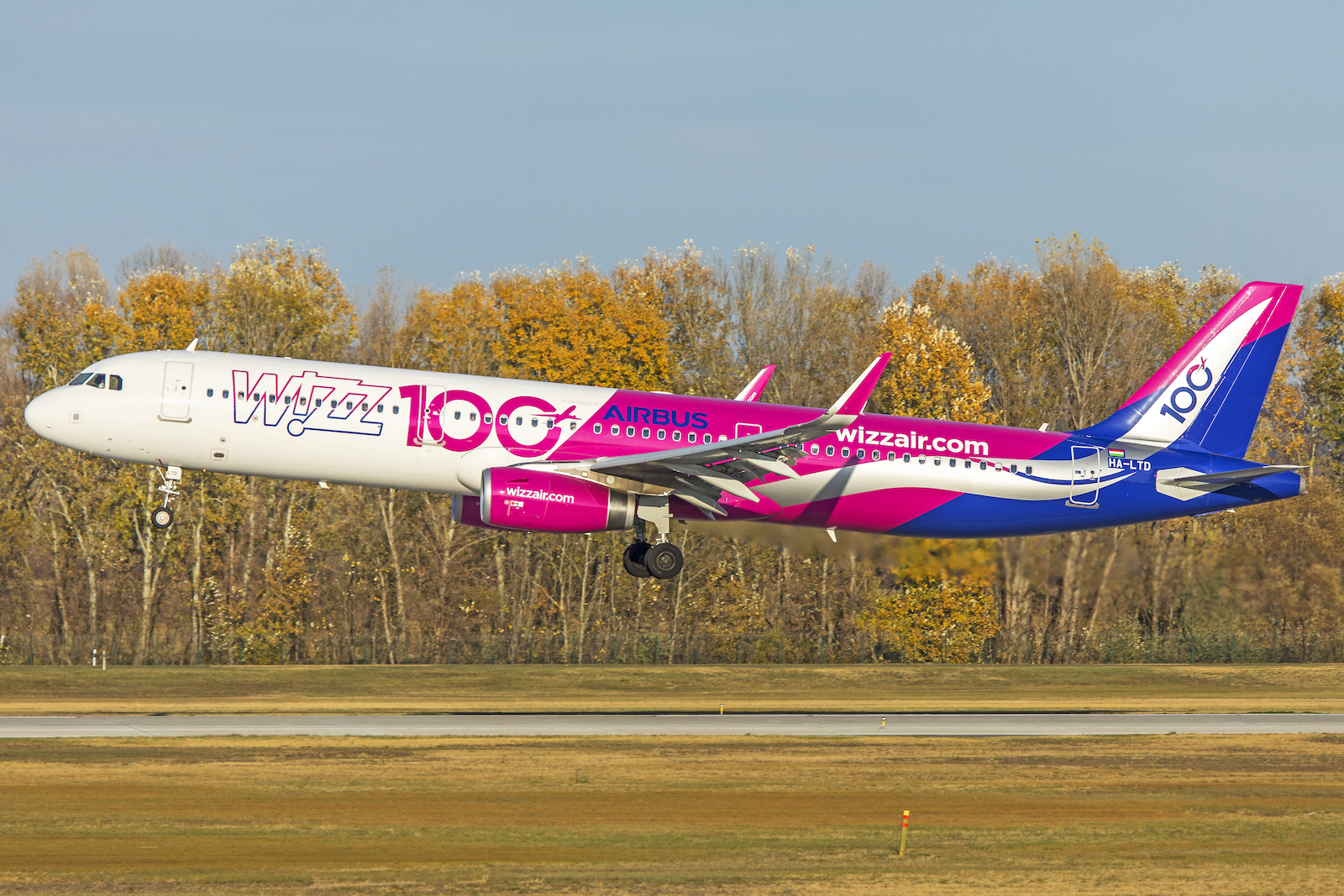
Wizz Air’s aircraft are hard to miss. The airline’s mix of bright pink and deep blue, paired with white titles, has become one of the most recognizable liveries among low-cost carriers. The colors, applied in a clean, high-contrast layout, reflect the carrier’s energetic branding and low-fare focus since its launch in 2004.
Wizz Air first introduced its current livery design in the mid-2010s, replacing the original all-pink fuselage with a more balanced two-tone look. The refreshed scheme features a pink forward section that fades into blue toward the tail, with “wizzair.com” titles stretching across the fuselage.
The Budapest-based carrier has since expanded rapidly, with bases across Europe and the Middle East. Its growing Airbus A320neo and A321neo fleet prominently display the bold color scheme, creating brand consistency across more than 200 aircraft. The pink-and-blue design also appears on the airline’s uniform and marketing materials, further reinforcing its visual identity.
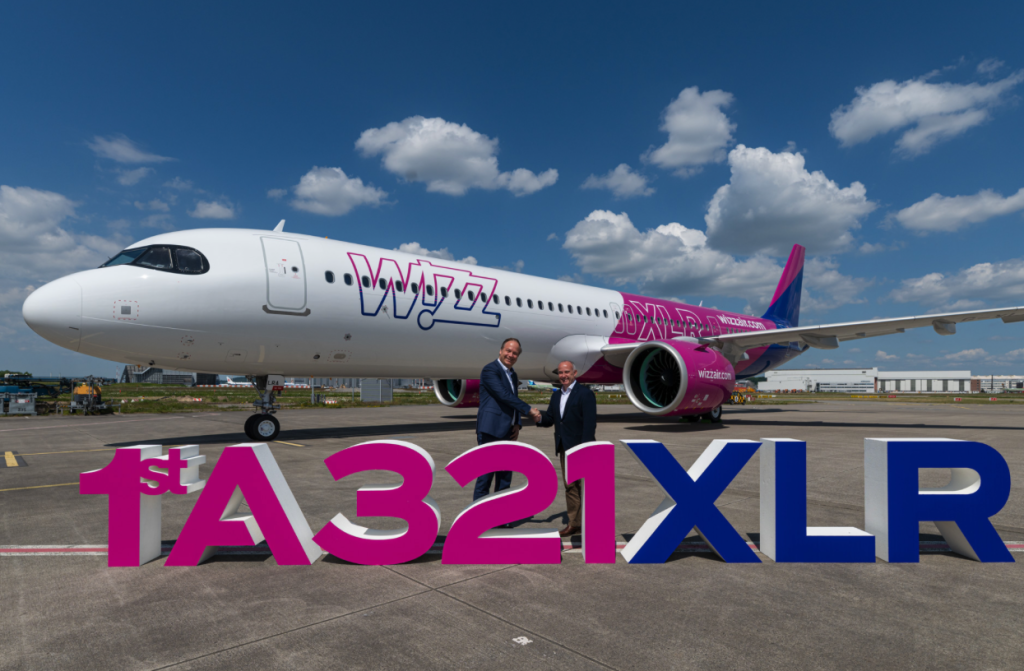
While Wizz Air’s livery is not tied to a specific event or anniversary, its bright and unconventional appearance serves a purpose: standing out in crowded European airports. The airline’s color palette, unusual among traditional carriers, has helped establish a strong visual presence despite its low-cost business model.
As Wizz Air continues to expand toward new markets in Asia and the Middle East, the pink and blue livery remains central to its brand. With its clean layout and distinctive hues, it is a clear example of how modern carriers use design to project accessibility, energy, and growth.
Looking for a new airplane model? Head over to our friends at the Midwest Model Store for a wide selection of airlines and liveries.