











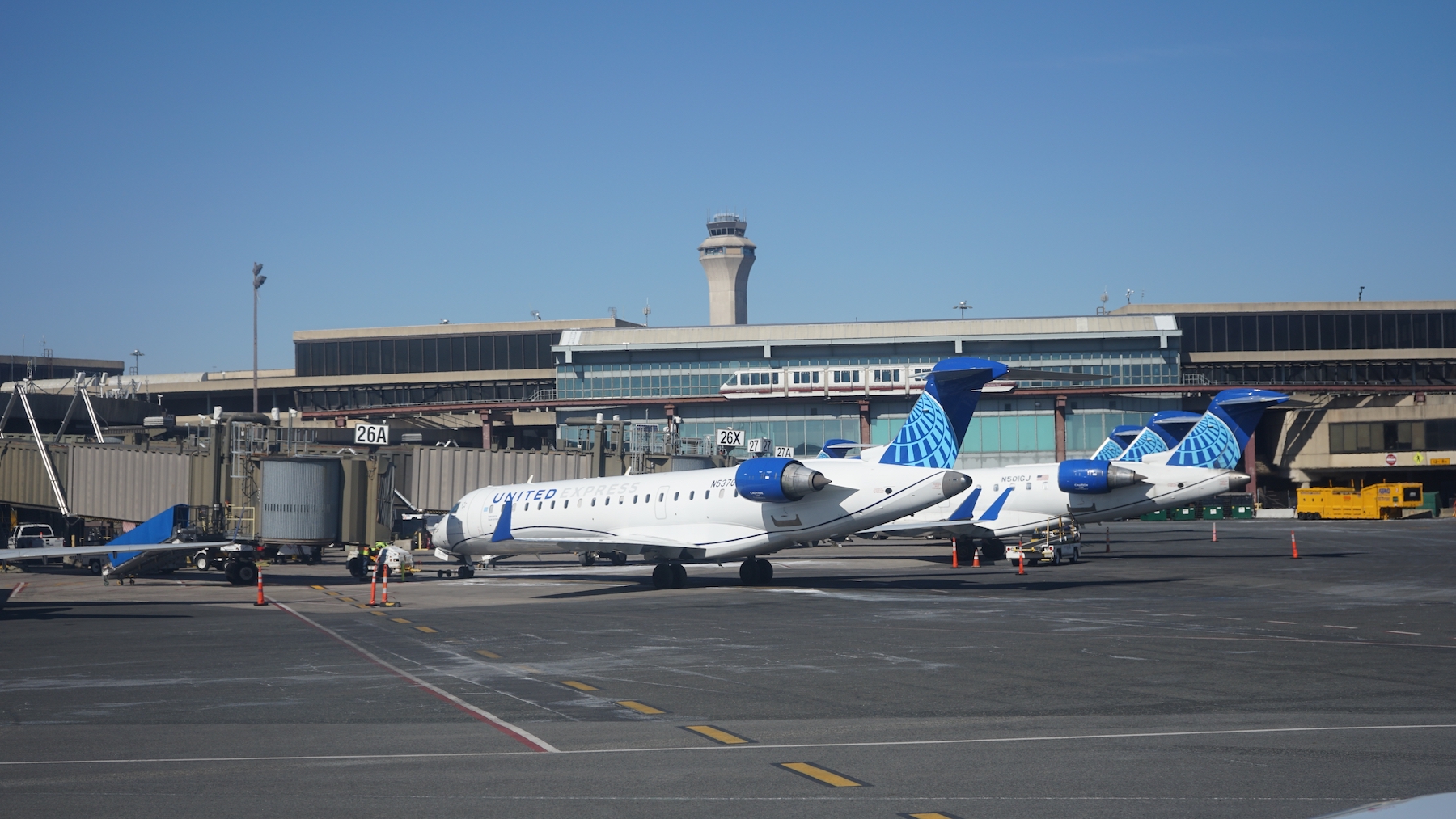


Airlines For America warned this week that FAA air traffic cuts could cost the U.S. economy up to $580 million per day if the federal government does not reopen soon.
The trade group estimates that, once a reduction of 10% comes into effect on Nov. 14, the economy will lose between $285 million and $580 million worth of activity per day until operations return to normal. Those figures factor in expected declines in traveler spending, state and local tax revenue, and spending within and outside the aviation sector.
The extent of the impact will ultimately depend on how effectively airlines can reaccommodate disrupted passengers on remaining flights, Airlines For America said.
The trade group also cautioned that airlines themselves will face growing operational challenges the longer air traffic control centers remain critically short-staffed.
“The staffing crisis has triggered broad secondary impacts – including late aircraft arrivals, crew legality issues, and equipment mispositioning – all of which prolong recovery, which will become worse as the directive phases up to 10% flight reductions,” it said.
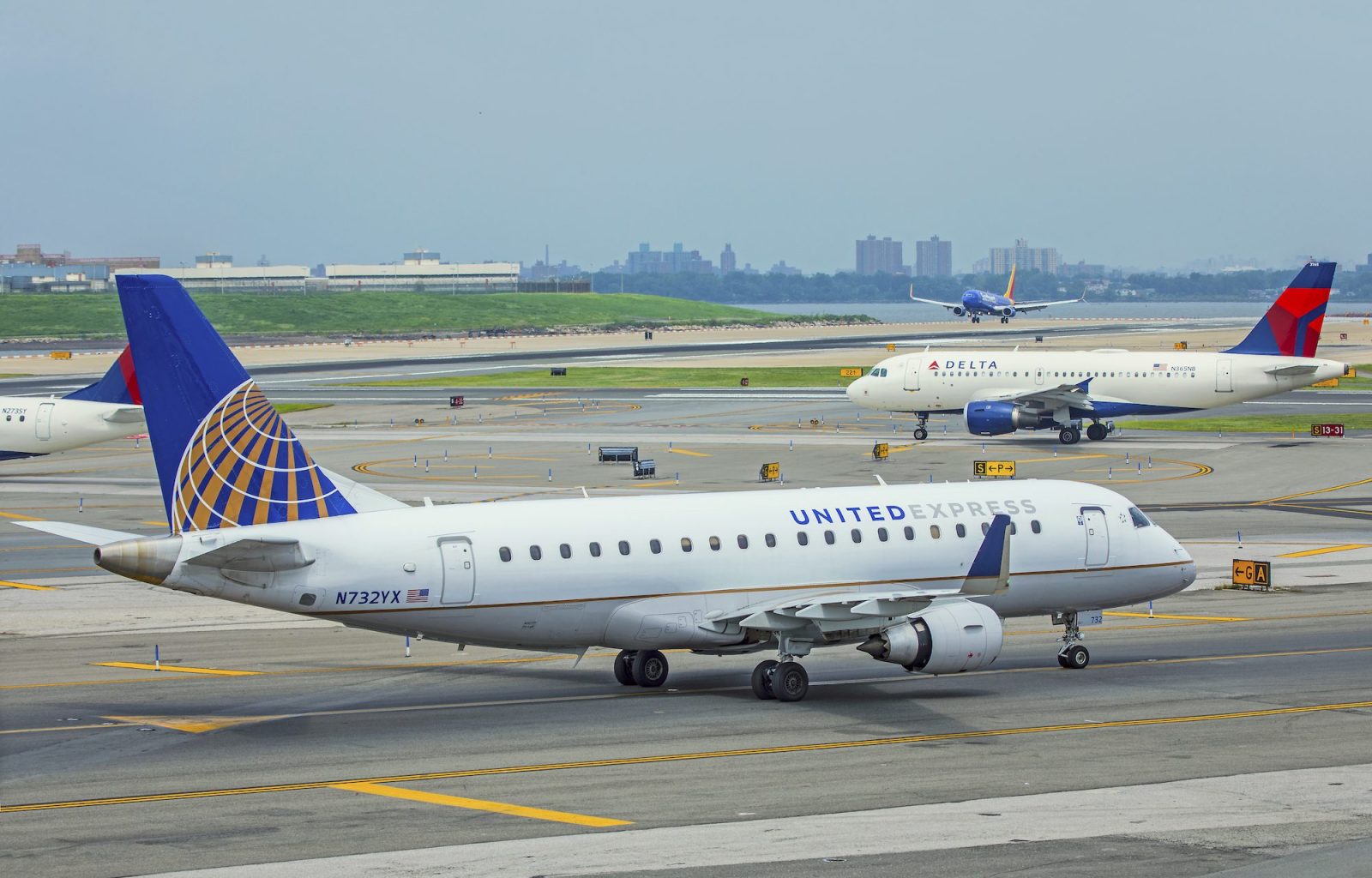
In an effort to ease the growing strain on unpaid air traffic controllers, the FAA reduced air traffic at 40 major airports by 4% last Friday. The cutback grew to 6% on Tuesday and will rise again to 8% on Thursday and 10% on Friday.
Thousands of flights have been canceled, and there are growing concerns that, even if the federal government reopens soon, the National Airspace System will not be fully stabilized by the week of Thanksgiving, which is usually the busiest travel period of the year in the U.S.
Some air traffic controllers have stopped coming in to work during the shutdown, and a smaller number have resigned.
After weeks of gridlock, the U.S. Senate on Monday passed legislation that would fund the federal government through January 2026. The measure won support from nearly all Republican senators and eight centrist Democrats. The bill will now head to a vote in the U.S. House.
In a statement, A4A applauded the Senate’s breakthrough and urged the House to approve the bill as quickly as possible.