












The “1,500-hour rule” is one of the most consequential regulations in modern U.S. pilot training. Enacted after the 2009 Colgan Air Flight 3407 crash, it set a new experience threshold for first officers at U.S. airlines. The rule has since defined how pilots enter the industry, influencing everything from training costs to regional airline hiring.
Origins of the Rule
Before 2013, aspiring airline pilots could qualify for a commercial airline job with as few as 250 flight hours under Federal Aviation Regulation Part 61. That changed after the Colgan Air accident near Buffalo, New York, which killed 50 people and prompted a congressional mandate for stricter qualification standards.
In response, the FAA’s Airline Safety and FAA Extension Act of 2010 required all airline pilots — both captains and first officers — to hold an Airline Transport Pilot (ATP) certificate, which typically demands 1,500 hours of total flight time, an ATP written exam, and advanced training in aerodynamics, weather, and crew resource management.
The FAA finalized the regulation in 2013. From that point forward, no pilot could serve as a first officer on a Part 121 scheduled airline flight without meeting the ATP requirements or an FAA-approved equivalent known as the Restricted ATP (R-ATP).
What the Rule Requires
The ATP certificate is the highest level of pilot certification in the United States. To qualify under standard rules, a pilot must be at least 23 years old, hold a commercial pilot certificate and instrument rating, and log at least 1,500 hours of total flight time.
However, the FAA allows reduced-hour pathways for certain accredited training programs under the R-ATP framework:
- Military pilots: Minimum 750 hours
- Four-year aviation degree graduates (Part 141 schools): Minimum 1,000 hours
- Two-year aviation degree graduates (Part 141 schools): Minimum 1,250 hours
These reductions were intended to balance enhanced training rigor with practical access to airline careers. Approved institutions include major universities such as Embry-Riddle Aeronautical University, University of North Dakota, and Purdue University, all of which operate FAA-certified Part 141 training programs.
Impact on Regional Airlines
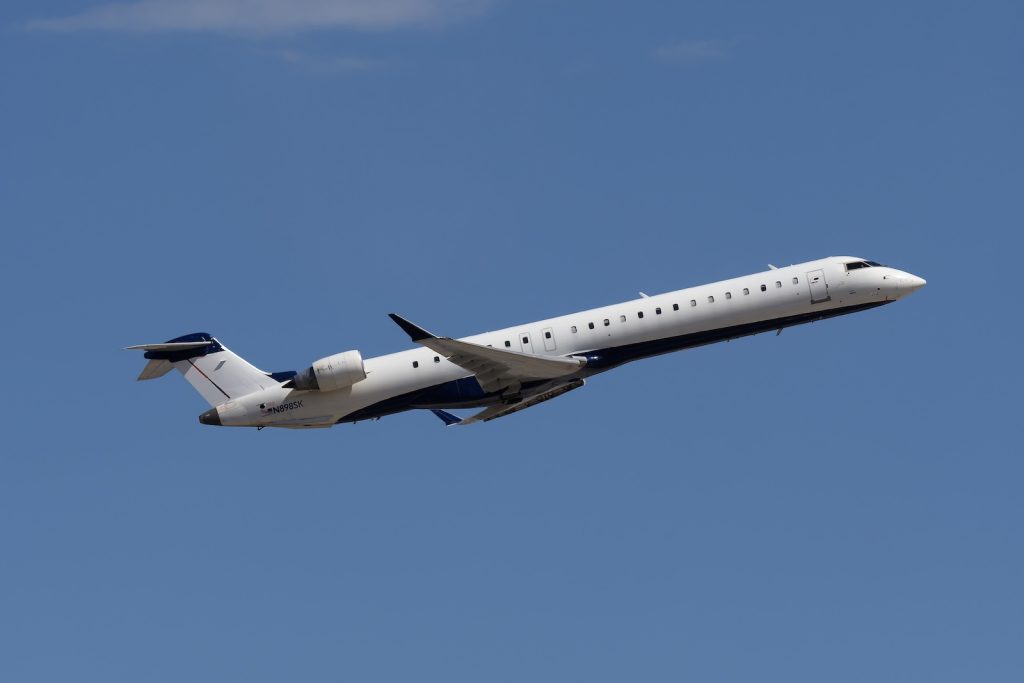
Regional carriers — such as Envoy Air, SkyWest Airlines, and Republic Airways — were most affected by the change. Historically, these airlines hired commercial pilots with 250–500 hours and provided additional training in-house. After 2013, the higher hour requirement significantly reduced the available pilot pipeline, forcing carriers to expand flow-through agreements and tuition partnerships with flight schools.
Industry groups, including the Regional Airline Association (RAA), argue that the rule contributed to ongoing pilot shortages by increasing both the time and cost required to qualify for airline jobs. RAA estimates the average cost to reach ATP qualification now exceeds $80,000 to $100,000, depending on training route and aircraft rental rates.
Ongoing Debate
Supporters of the rule — including the families of Colgan Air victims and pilot unions like ALPA — say it has improved professionalism and safety by ensuring more experienced first officers enter airline cockpits.
Opponents contend that flight hours alone don’t guarantee quality training. Several regional carriers and aviation organizations have argued for competency-based alternatives that emphasize structured simulator instruction rather than total hours logged. Models from the European Union Aviation Safety Agency (EASA), such as the Multi-Crew Pilot License (MPL), focus on proficiency-based assessments and could, advocates say, produce equally qualified pilots with fewer hours.
In 2022, Republic requested that the FAA allow its Leadership In Flight Training (LIFT) Academy graduates to qualify for airline jobs at 750 hours, similar to the military pathway. The FAA denied the petition, stating that “Republic has not presented sufficient evidence or data to support a finding that its program produces pilot training equivalent to military experience.”
Broader Effects on Pilot Supply
The 1,500-hour rule reshaped the pilot labor market. Many aspiring aviators now build time as flight instructors, banner towers, or aerial survey pilots before reaching ATP eligibility. That process can take several years, depending on aircraft access and financial resources.
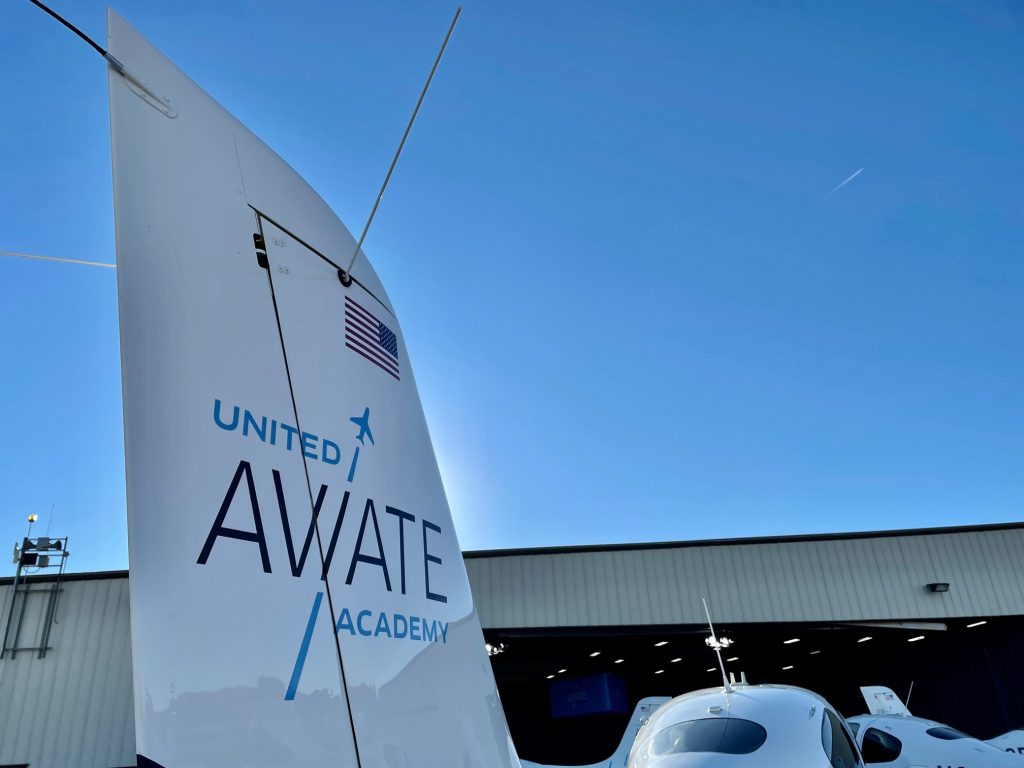
As retirements accelerate, airlines have expanded outreach and training initiatives to maintain pilot pipelines. Major carriers — including United’s Aviate Academy, Delta Propel, and Alaska’s Ascend Pilot Academy — offer scholarships, tuition reimbursement, and conditional job offers for early-stage trainees.
According to Oliver Wyman’s 2024–2034 Global Fleet & MRO Forecast, North America could face a shortage of more than 13,000 airline pilots by 2032, driven by retirements and limited throughput in the 1,500-hour training pipeline.
Bottom Line
The 1,500-hour rule remains one of the most debated safety policies in aviation. Supporters see it as a proven safeguard that strengthened pilot professionalism and training consistency. Critics view it as an economic and logistical barrier that restricts access to aviation careers.
More than a decade after its implementation, the rule continues to shape how airlines recruit, how universities train, and how pilots advance. Its influence stretches far beyond the cockpit — defining the structure of the U.S. pilot pipeline for a generation.