










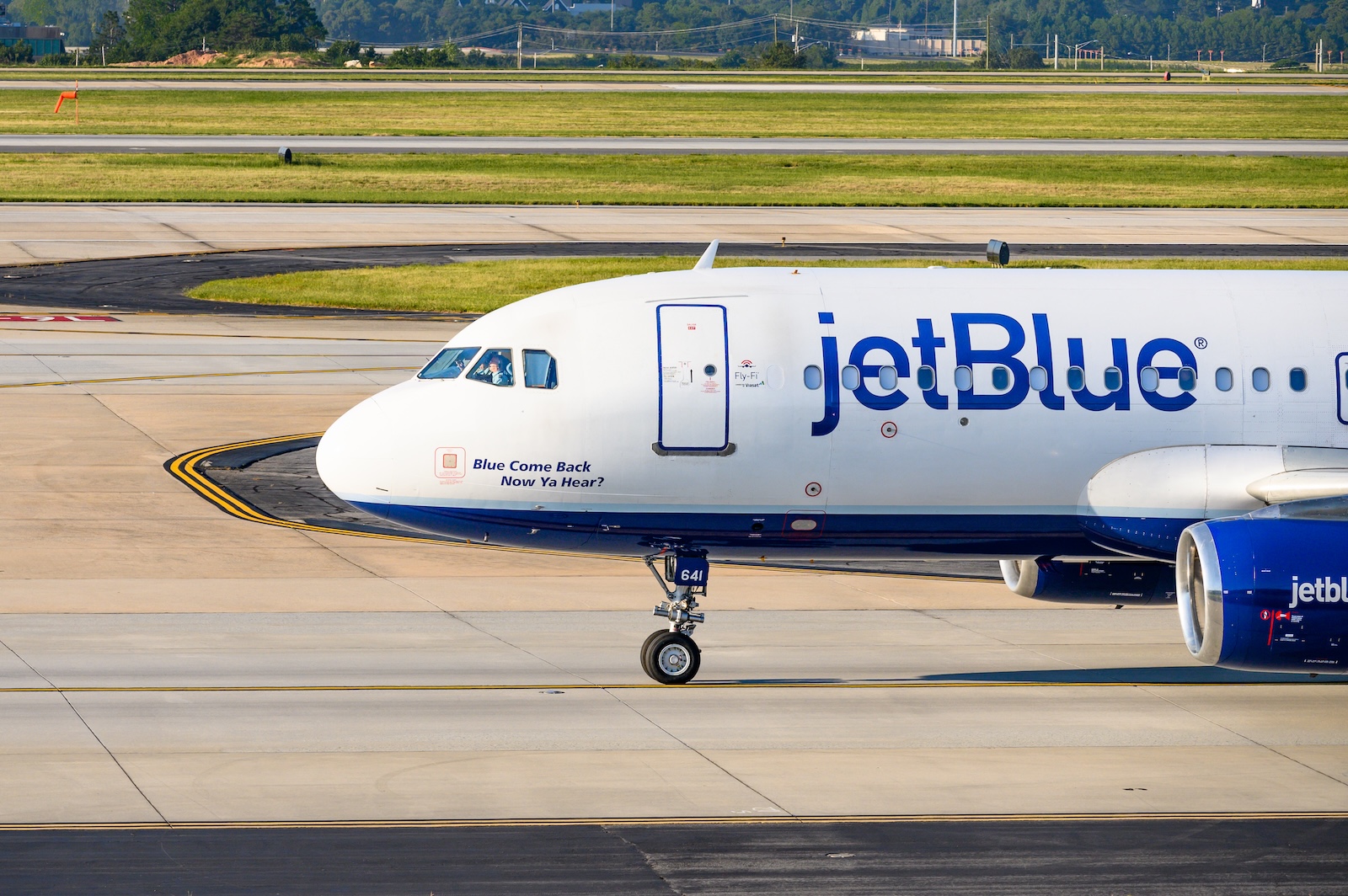


Passengers whose Thanksgiving travel plans were disrupted by an urgent software fix for Airbus’ A320 are not entitled to compensation from airlines, the U.S. Department of Transportation ruled this week.
According to Reuters, transportation officials decided that flight delays and cancellations stemming from the repairs do not meet the conditions that would require airlines to compensate travelers with hotel rooms, meals, or other benefits.
The department said it “will not treat cancellations or lengthy delays resulting from unscheduled maintenance in response to an airworthiness directive that cannot be deferred or must be addressed before a flight to be due to circumstances within airline control.”
On Nov. 28, Airbus issued a mandatory safety notice for A320-family operators warning that “intense solar radiation” could corrupt data used by flight control systems. Airlines were forced to delay or cancel hundreds of flights while the required repairs were made.
Most carriers completed the update by Dec. 1.
U.S. airlines mainly offer compensation at their own discretion. The Trump administration in November formally abandoned a proposed Biden-era rule that would have required carriers to pay customers a set amount for delays of at least three hours. The regulation was never enacted.