





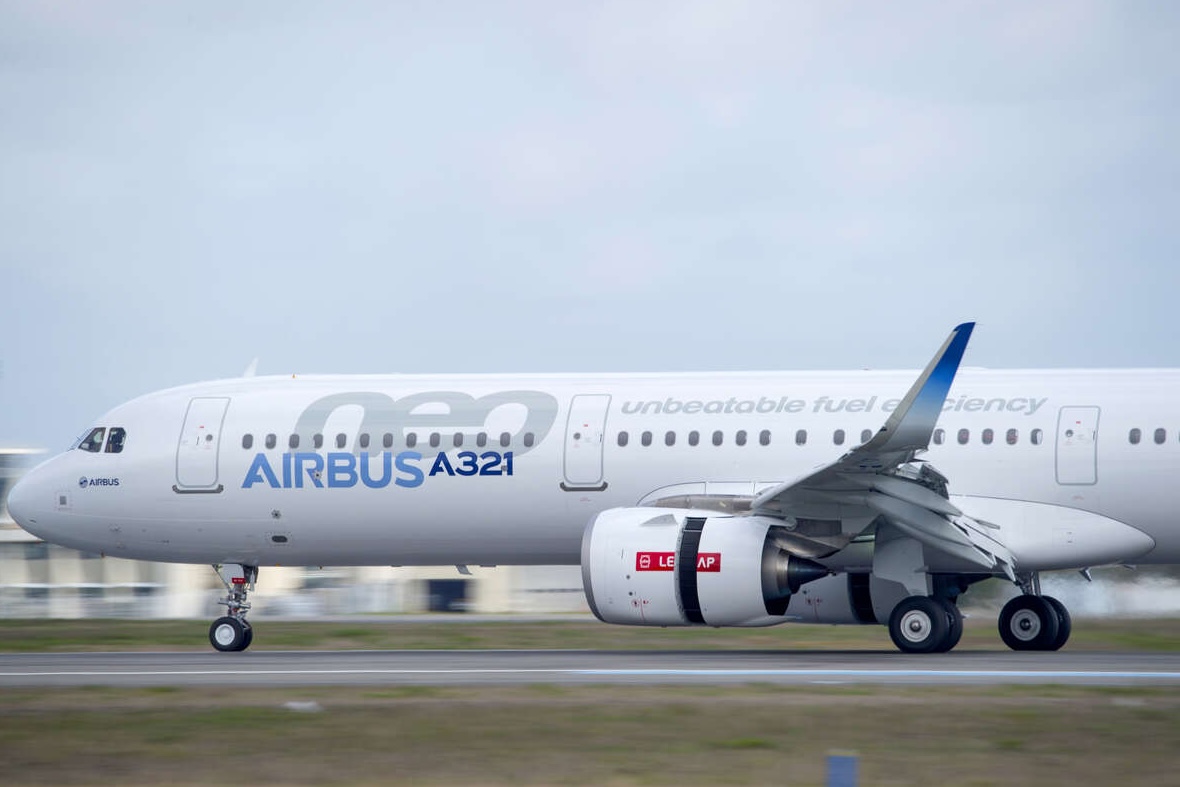

Airbus said Friday it has directed operators of certain A320-family aircraft to take immediate precautionary action after new analysis identified the potential for “intense solar radiation” to corrupt data used by flight-control systems.
The manufacturer’s alert is now being followed by an Emergency Airworthiness Directive issued by the European Union Aviation Safety Agency.
The EASA directive, published late Friday, requires airlines to replace certain Elevator Aileron Computers — identified as ELAC B L104 units — before the aircraft’s next flight. The mandate applies to A319, A320, and A321 aircraft across both CEO and NEO variants.
EASA warned that, if not corrected, failures could cause uncommanded elevator movement and potentially exceed the aircraft’s structural limits. Only limited ferry flights — up to three cycles, non-ETOPS, with no passengers — are permitted for aircraft positioning to maintenance locations.
The new requirement prohibits reinstalling the affected ELAC units after modification, and it blocks airlines from converting unaffected aircraft into configurations that would include the older hardware.
EASA’s directive takes effect on Nov. 29 at 23:59 UTC.
Notably, the announcement comes just weeks after an incident involving a JetBlue A320, which unexpectedly pitched downward in cruise flight. A post-incident report reviewed by AirlineGeeks attributed the uncommanded descent to a malfunction in the jet’s backup flight-control computer (the ELAC 2 unit).
Airbus said the action affects a “significant number” of aircraft in the A320 fleet, though it did not specify how many airframes or which operators are involved. The company noted that the mitigation measures include software and hardware protections designed to limit exposure to the identified data-corruption pathway.
There are over 9,500 A320-family aircraft in service worldwide, according to Cirium Fleet Analyzer data.
‘All Hands on Deck’
American Airlines, the U.S.’s largest A320-family operator, said it has begun updating its fleet in response to the manufacturer’s guidance. The airline said approximately 340 of its A320-family aircraft require the software replacement, which takes about two hours per aircraft.
American expects the “vast majority” of the work to be completed today and tomorrow.
The airline acknowledged the updates may drive some operational delays but said it is focused on avoiding cancellations as the work progresses.
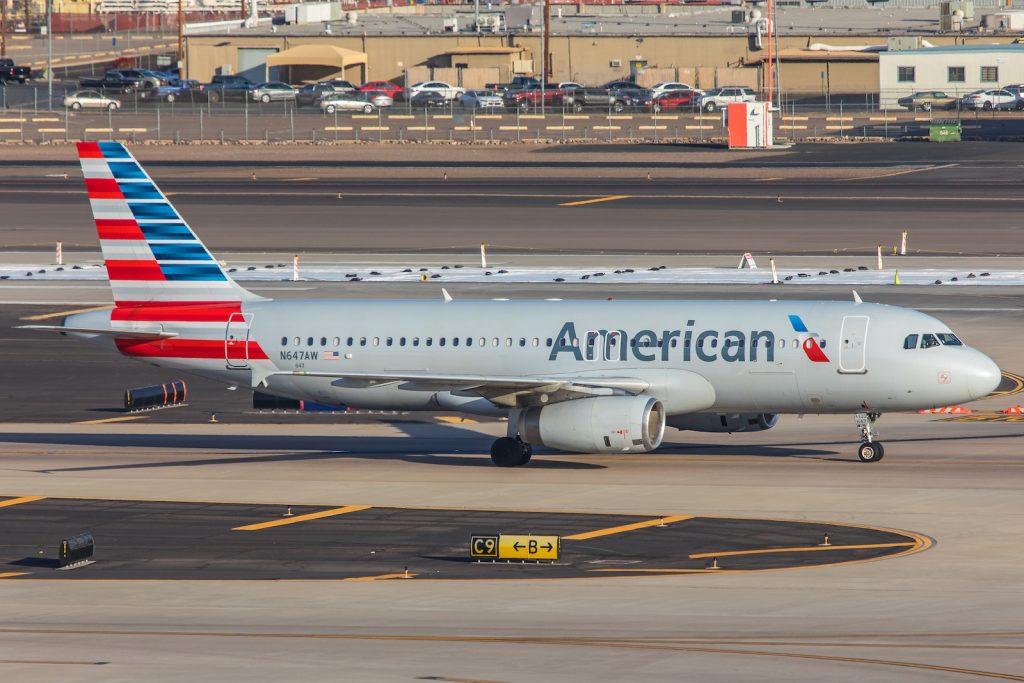
“It’s all hands on deck across our airline to address this Airbus software issue and take care of any customers whose flights are affected,” the carrier said. American added that its initial safety review found “no indication of similar events” on its A320-family fleet.
The manufacturer acknowledged the directive could lead to operational disruptions as airlines implement the required fix.
“Safety of our products is our number one and overriding priority,” Airbus said in its statement.
Editor’s Note: This story was updated on Friday, Nov. 28. 2025, at 2:12 p.m. ET to add info from EASA and American.