













The airstrikes launched by the U.S. and Israeli Armed Forces on strategic targets in Iran and the subsequent retaliation by the Iranian Forces on main cities in the Persian Gulf area have caused widespread disruption to commercial air traffic in the region.
Several countries have closed their airspace indefinitely, leading to thousands of flights canceled or diverted as the major hubs of Abu Dhabi, Doha, and Dubai were forced to suspend operations, wreaking havoc on the travel plans of millions of passengers.
The skies above Bahrain, Iran, Iraq, Israel, Jordan, Kuwait, Qatar, Syria, and the United Arab Emirates have been declared closed by the local authorities, and the European Air Safety Agency has advised carriers to avoid the area until at least March 2 due to the possible risk of air strikes.
The “Big 3” of the Middle East Grounded
All airlines operating in the region are modifying their schedules, and flights that were already in the air have been diverted to other destinations or returned to their points of departure.
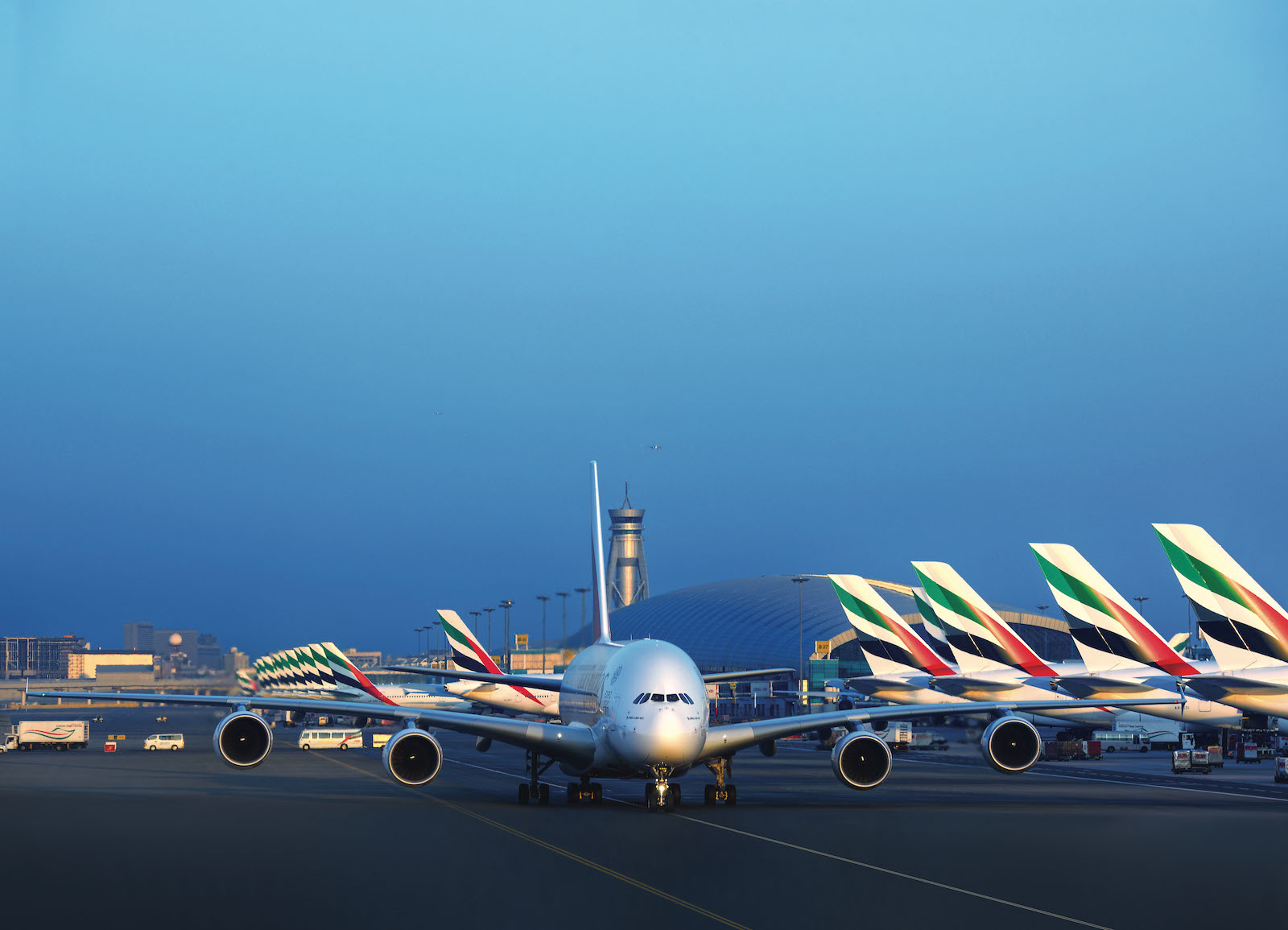
“Due to multiple regional airspace closures, Emirates has temporarily suspended operations to and from Dubai,” the carrier posted on social media. “We are actively monitoring the situation and engaging with relevant authorities. We apologise to customers affected by disruptions for any inconvenience caused, and we are assisting them with rebooking, refunds, or alternative travel arrangements.”
Abu Dhabi-based Etihad Airways has notified that “all departures from Abu Dhabi are suspended until 2 p.m. (U.A.E. time) on Sunday Mar 1, and all arrivals [before that time] are canceled. Services after this time are expected to operate, subject to conditions.”
Similarly, Qatar Airways has announced the suspension of all its services until 00:00 UTC on Mar 1 due to the closure of the Qatari airspace.
The knock-on effect of all the cancellations and diversions is felt across the globe, especially in airports close to the affected area. The airport in Muscat, Oman, has closed its aerodrome due to the extremely high number of diversions it had to accommodate.