











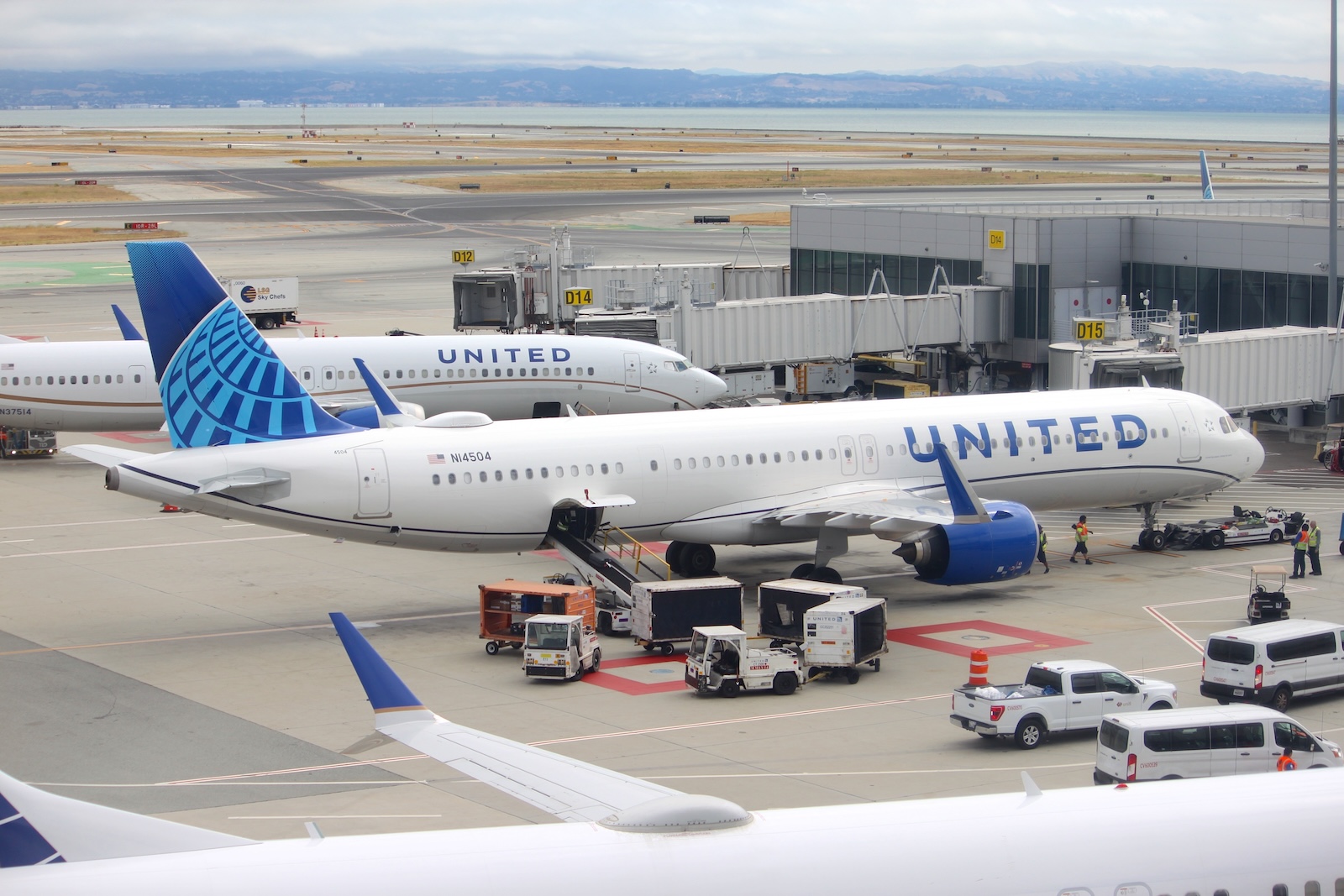


United will pare back underperforming routes over the next two quarters as it braces for continuing high fuel prices.
In a memo sent to United employees on Friday, CEO Scott Kirby said the carrier is preparing for oil prices to rise as high as $175 per barrel and remain above $100 per barrel through the end of 2027.
“The reality is, jet fuel prices have more than doubled in the last three weeks,” Kirby said in the message. “If prices stayed at this level, it would mean an extra $11B in annual expense just for jet fuel. For perspective, in United’s best year ever, we made less than $5B.”
As of Monday morning, oil prices were hovering around $101 per barrel.
United plans to cut 5% of flights in the short term and restore its full schedule by the fall. Most of that temporary reduction – three of the five percentage points – will come from flying in off-peak periods, such as red-eye service and flights on Tuesdays, Wednesdays, and Saturdays.
Another point will come from United’s operations at Chicago O’Hare when the FAA concludes its flight reduction negotiations with both United and American. The airport is currently overscheduled for the summer travel season, and regulators are in the process of bringing daily departures and arrivals down to a sustainable level.
United has already paused service to Tel Aviv and Dubai, which accounts for another point of capacity.
“To be clear, nothing changes about our longer-term plans for aircraft deliveries or total capacity for 2027 and beyond, but there’s no point in burning cash in the near term on flying that just can’t absorb these fuel costs,” Kirby said.
The CEO also emphasized that United’s financial position remains solid, with demand “the strongest we’ve ever seen.”
“The 10 biggest booked revenue weeks in our history have been the last 10 weeks,” he said.
Fighting in the Middle East has almost completely suspended transit through the Strait of Hormuz, through which about 20% to 25% of the world’s seaborne oil passes. As a result, energy prices in many parts of the world have shot up, with U.S. consumers feeling the impact most directly through gas prices.
Despite the price shock, U.S. airlines have generally remained bullish, noting, like United, that demand remains high.