











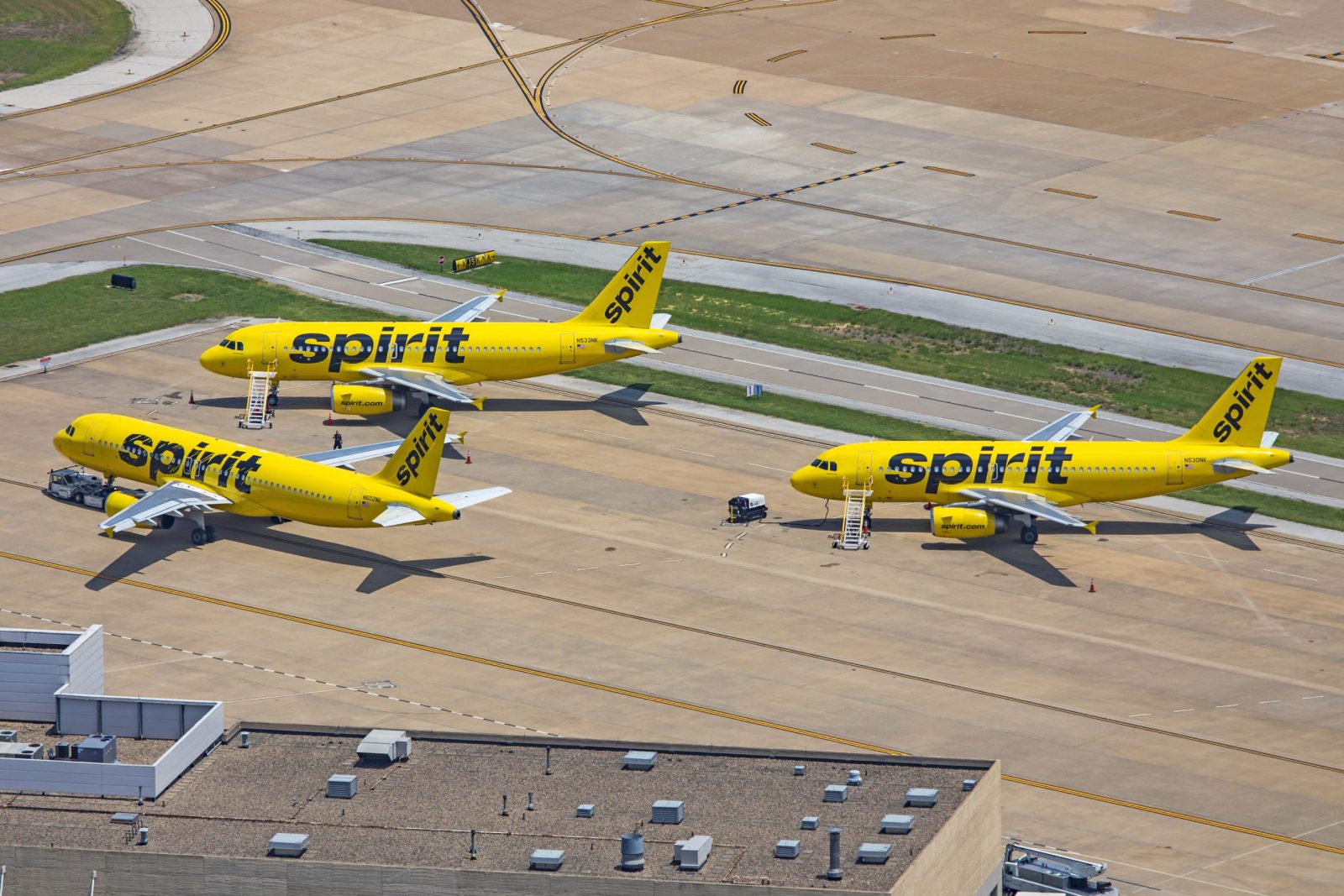


Spirit is looking to draw on additional financing to support its shutdown and liquidation, according to a filing submitted to the court overseeing the carrier’s federal bankruptcy case.
Spirit’s attorneys argued that it will need access to debtor-in-possession loans to conduct an orderly wind-down and eventually repay its creditors. The company plans to retain a small core of employees, perhaps around 150 people, to oversee shutdown-related tasks and the liquidation of Spirit assets, and they will have to be paid and provided with benefits, the filing states.
That contingent would be reduced to around 40 employees after three months as major goals are checked off.
The carrier is also asking the court to authorize its continued use of third-party contractors and an “incentive plan” for certain senior employees.
Failing to retain those workers would impose additional costs through the hiring of replacements, jeopardize institutional knowledge, and make it more difficult to obtain the highest possible sale value for company assets, Spirit’s attorneys wrote.
The alternative, they added, is a “freefall shutdown and fire sale liquidation” that could result in material damage to assets, the loss of asset value, and significant administrative expenses.
“While it is most assuredly not the outcome the debtors hoped for, the wind-down plan is the value maximizing option,” Spirit’s representatives said.
The filing also raises the possibility of hiring personnel to secure and safeguard company assets, including aircraft.
Spirit canceled all flights around 3 a.m. Saturday and laid off the majority of its workforce. The carrier had been in negotiations with the Trump administration for a $500 million cash infusion, but some of its creditors objected to terms that would have given the federal government an up to 90% stake in the salvaged company. Talks collapsed shortly afterward, and despite optimistic remarks from President Donald Trump, no rescue materialized Friday as Spirit executives laid the groundwork for a shutdown.
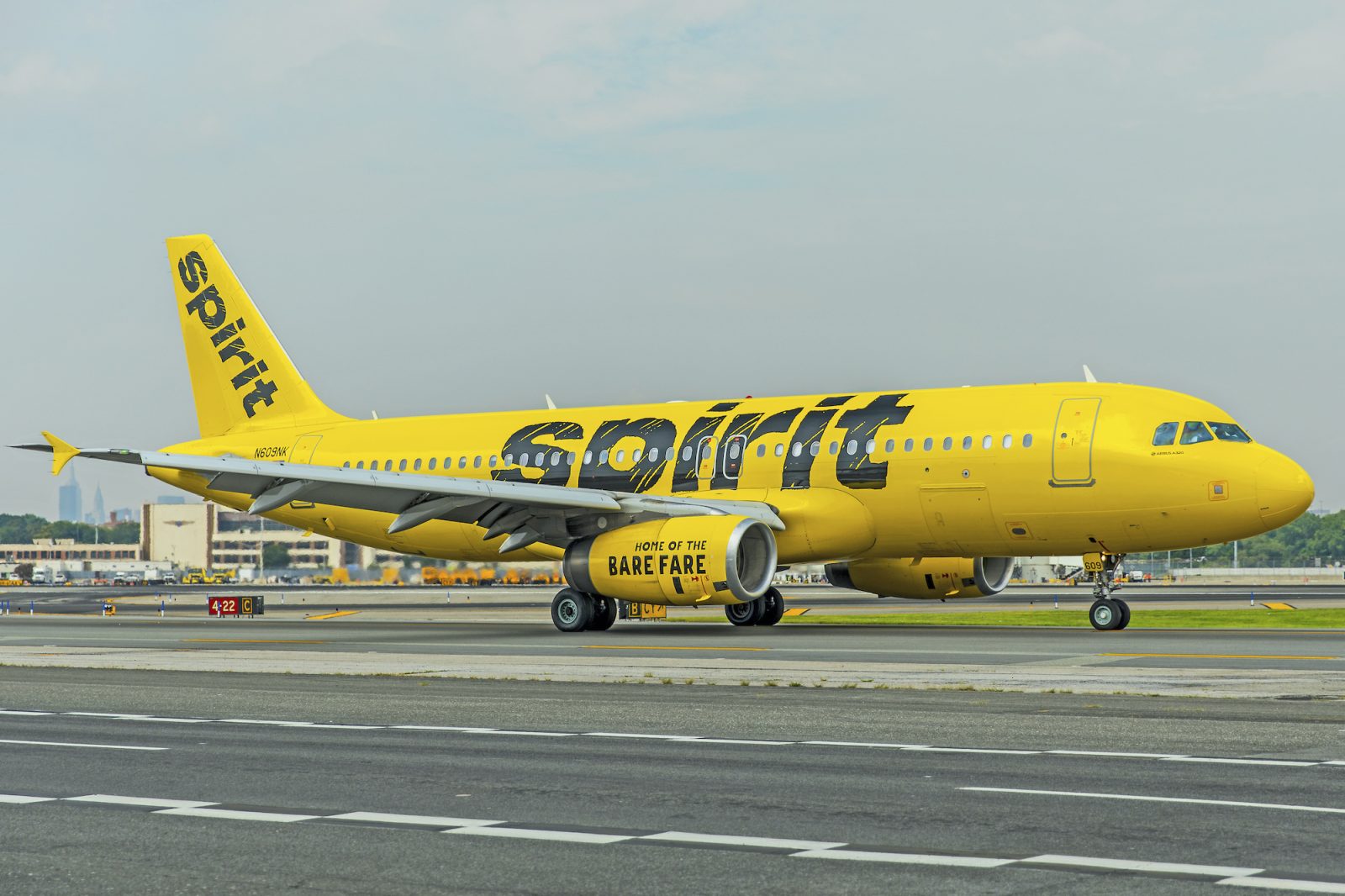
Officials said they plan to liquidate the company’s assets “over the next several months in an orderly and expeditious manner.”
The carrier is also seeking to terminate its obligations to workers’ 401(k) plans and healthcare plans.
Last Days
The filing also offers some insight into Spirit’s last week of operations.
At some point late last week, the U.S. government allegedly withdrew its offer of financial support, cutting off Spirit’s only potential lifeline. It became apparent as early as Thursday that there was no viable path forward for the company, the document states.
Executives determined that early Saturday morning would be the safest time to announce the end of operations, since all aircraft would be on the ground.
The carrier also put to rest any debate about the ultimate cause of its collapse, stating that the recent surge in jet fuel prices made a recovery impossible. Between March 1 and April 30 alone, the airline’s incremental fuel cost was $100 million.
Reporting from The Wall Street Journal and CNN over the weekend suggested that the tentative Spirit bailout divided the Trump administration. Commerce Secretary Howard Lutnick is believed to have advocated strongly in favor of saving the airline, but other officials, including Transportation Secretary Sean Duffy, White House deputy chief of staff Stephen Miller, and National Economic Council Director Kevin Hassett, reportedly had reservations about propping up a long-troubled private-sector company.
The federal government has intervened to rescue airlines before, but only during times of national crisis, such as after 9/11 and during the height of the COVID-19 pandemic.