












The Transportation Security Administration has set the fee for the new program that will replace Known Crewmember, outlining additional details as the agency prepares to bring the crew screening process under its own control.
In a Federal Register notice published Tuesday, TSA said participating aircraft operators will pay $19 per employee, per year for the Crewmember Access Point program, also known as CMAP. The fee becomes effective Jan. 1, 2027.
The new timeline reflects a delay from earlier plans. TSA previously confirmed to AirlineGeeks that it expected to transition away from Known Crewmember by the end of 2025, with CMAP serving as the program’s successor.
TSA now says it plans to begin rolling out CMAP access points this summer as existing Known Crewmember access points are phased out. The agency noted that the transition will occur on a rolling basis across the country, allowing for “operational testing and equipment deployment that is consistent with budgetary needs.”
The current Known Crewmember program, commonly referred to as KCM, has been managed by trade group Airlines for America since it was implemented in 2011. TSA said it will assume responsibility for administering KCM functions by the end of calendar year 2026, at which point the program will be renamed CMAP.
Known Crewmember provides eligible pilots, flight attendants, and certain other crewmembers with expedited access to sterile areas at most U.S. airports. The program was created to meet a statutory requirement for a system that properly identifies authorized flight deck and cabin crewmembers at screening checkpoints.
Process Changes
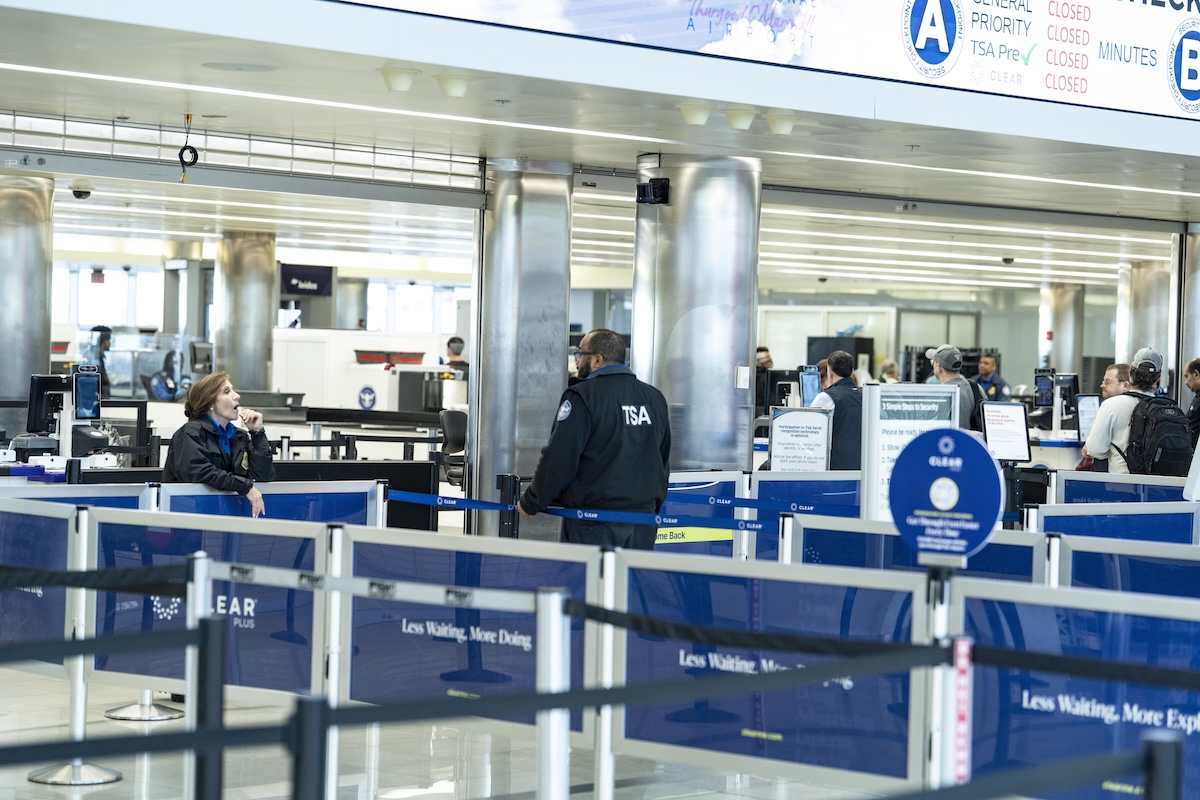
Under the existing setup, eligible aircraft operators subscribe to the program through Airlines for America. Crewmembers present airline-issued identification and an acceptable form of identification at designated access points staffed by TSA. TSA personnel then scan a crewmember’s assigned KCM barcode and verify the individual against the A4A database.
That process will change under CMAP.
TSA said it will use crewmember information submitted by aircraft operators through the agency’s existing Master Crew List and Master Personnel List programs. Operators participating in CMAP will be required to identify which crewmembers have consented to participate in the program.
The agency said crewmembers included in those lists are already subject to security threat assessments, including criminal history, immigration, and terrorism checks.
At designated CMAP access points, TSA will take a digital photograph of each crewmember. The agency’s system will compare that photograph to an individual’s image in federal databases. If there is a biometric match, the crewmember will be eligible for expedited access to the sterile area.
If there is not a match — or if the crewmember is randomly selected for what the agency calls “unpredictable screening” — the individual will be directed to a TSA passenger checkpoint for screening.
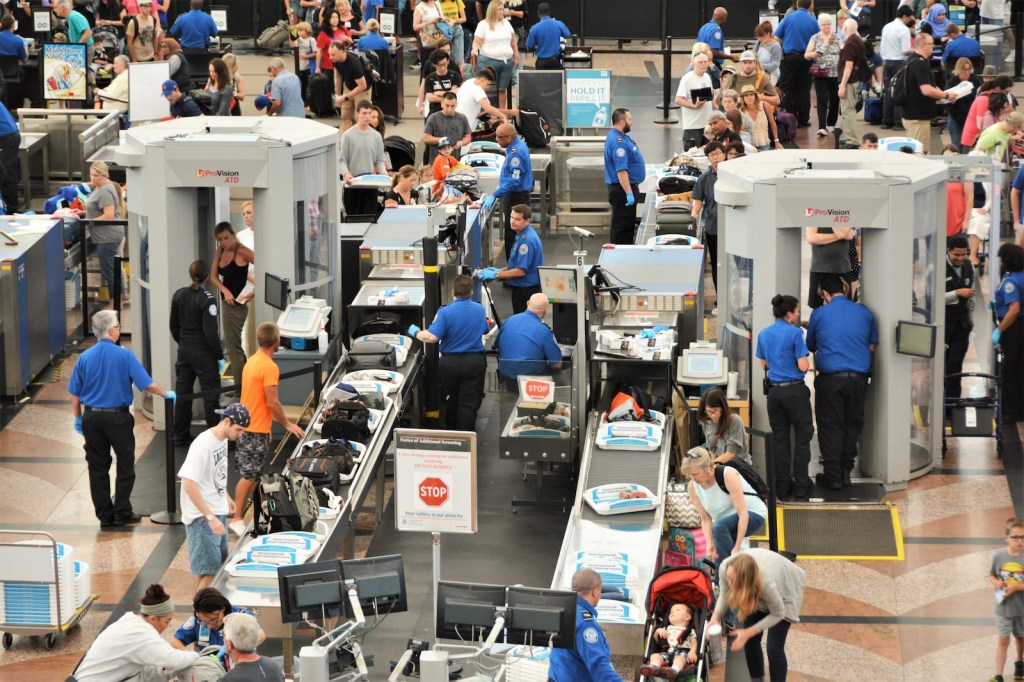
TSA said moving the program from A4A to the federal government will improve cybersecurity, strengthen identity verification, and allow the agency to better use crewmember information as part of its aviation security oversight responsibilities.
Crewmembers traveling on official business or domestically for personal reasons will continue to qualify for expedited access under the new program, the agency stated.
The $19 annual fee will be billed to participating aircraft operators based on the number of crewmembers enrolled in CMAP. If an operator does not pay within 30 days of the invoice date, its crewmembers may be removed from the program and become ineligible for expedited screening.
TSA said it developed the fee to recover program costs over a five-year period. The agency plans to review the fee at least once every two years and will provide public notice if the amount changes.
The program will be limited to domestic aircraft operators regulated under Part 1544. It will not be available to foreign air carriers regulated under Part 1546.